
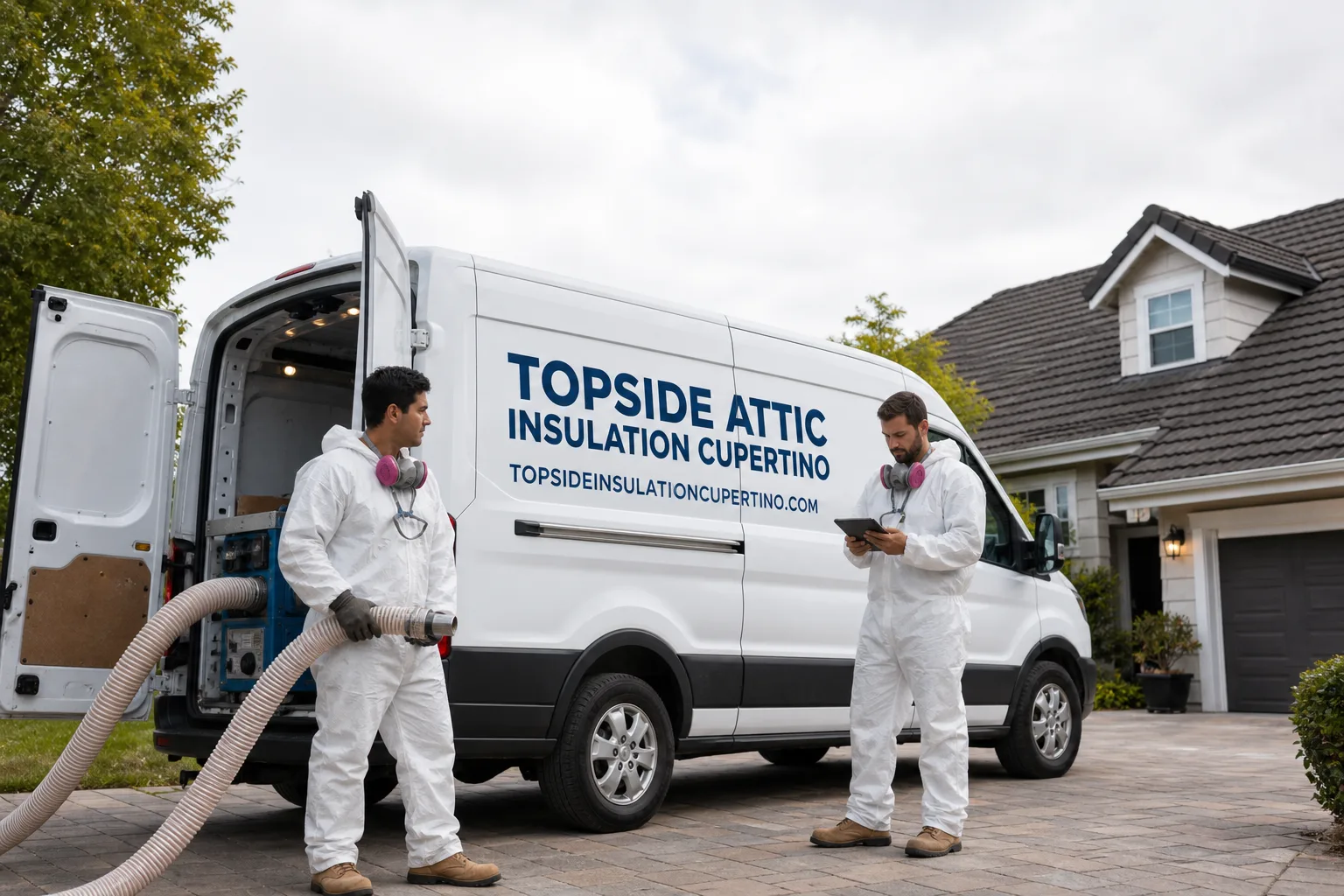
Trusted Crawl Space Encapsulation & Vapor Barrier for Cupertino Homeowners
Crawl space encapsulation and vapor barrier installation in Cupertino typically runs $3,200-$8,500 depending on square footage, existing moisture damage, and whether full insulation is included. Most jobs take 1-3 days, and we can usually start within a week of your written estimate. Call (831) 217-8521 to schedule a free inspection with documented photo record.
We’ve sealed and treated crawl spaces in Cupertino since 2016, from the older ranch homes near Rancho Rinconada with their original dirt-floor crawl spaces to the newer construction in Monta Vista where builders left vapor barriers incomplete. The Santa Clara Valley’s clay-heavy soil holds moisture against foundation walls for months after the rainy season ends, and without a proper encapsulation system, that moisture migrates upward into floor joists, insulation, and your living space. We’ve documented mold readings above 60% relative humidity in unsealed Cupertino crawl spaces in July, when homeowners assumed everything had dried out. Our crews are background-checked and uniformed, and a live person answers calls 24/7, no voicemail loops.
What Our Crawl Space Encapsulation & Vapor Barrier Service Includes
Crawl Space Vapor Barrier
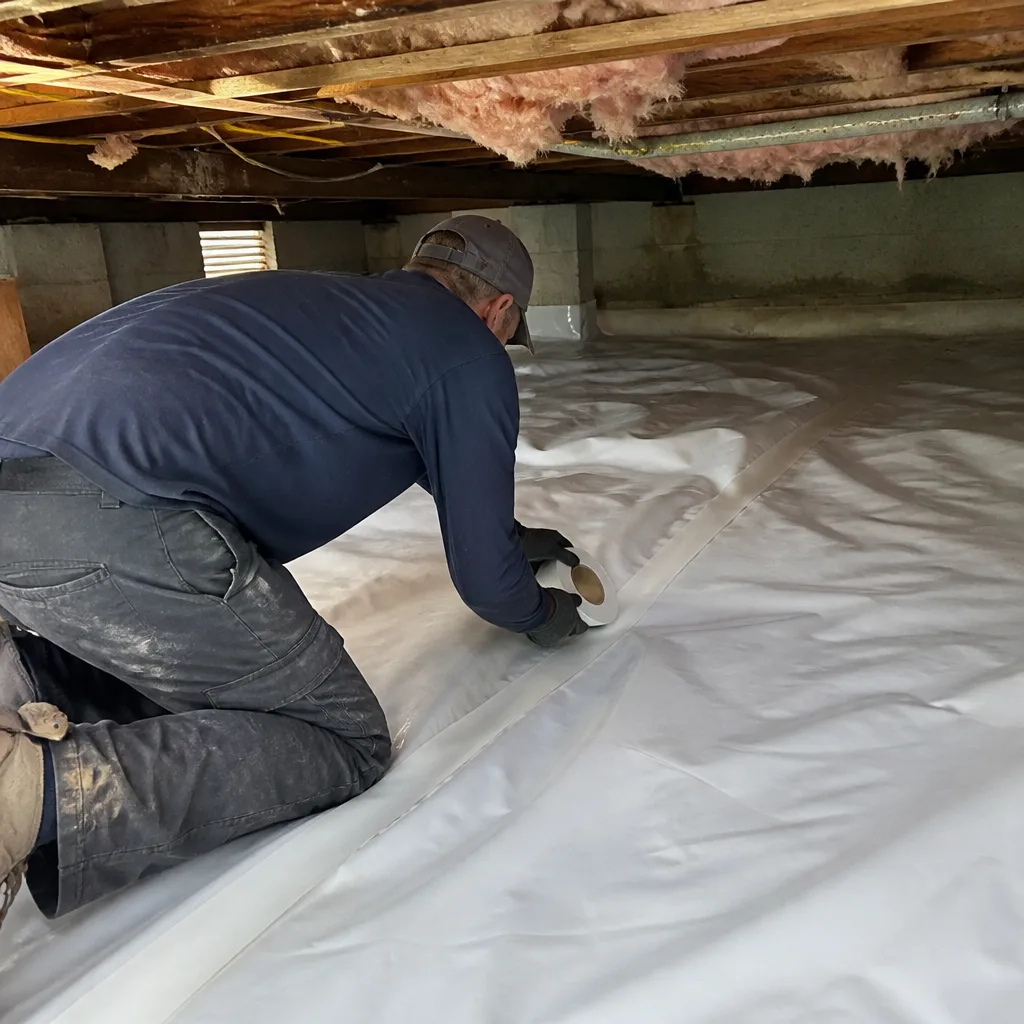
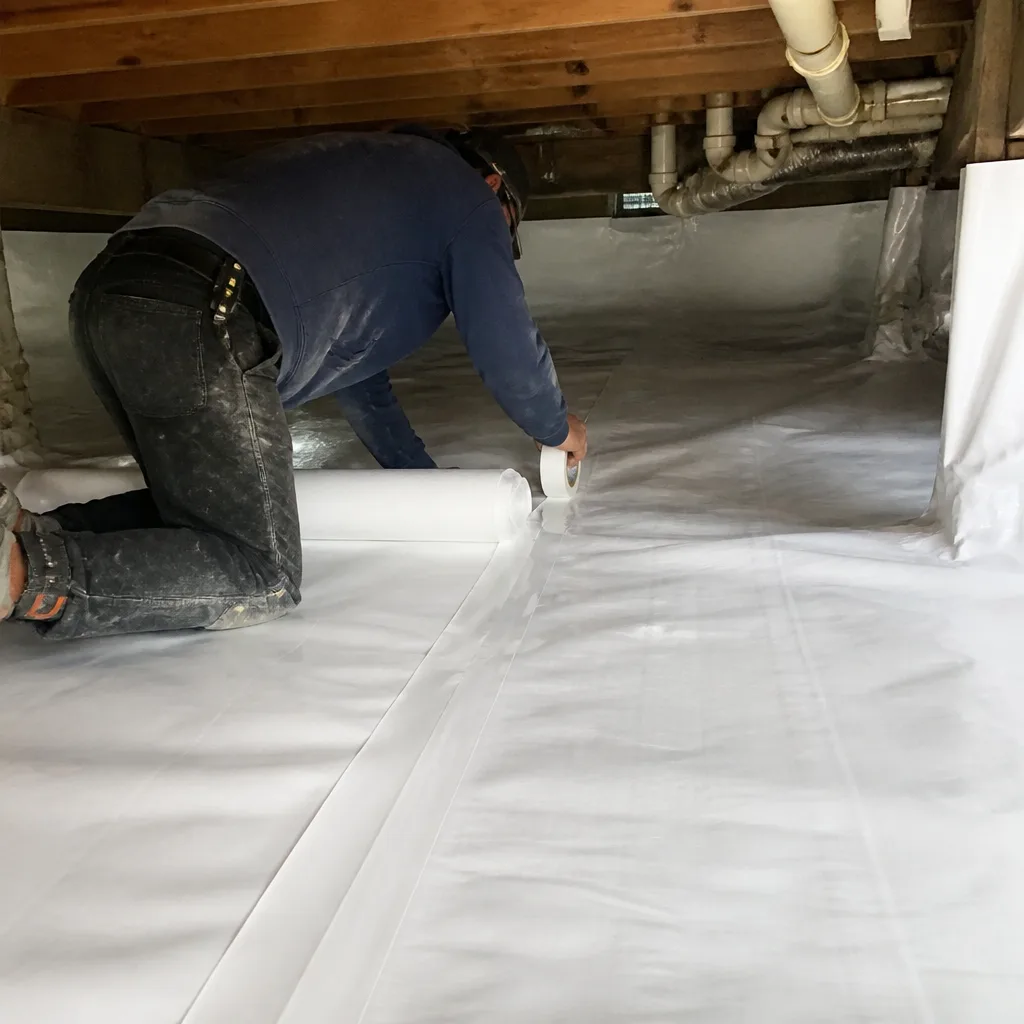
A vapor barrier is a polyethylene sheet, typically 6-mil or thicker, installed across the dirt floor of your crawl space to block ground moisture from evaporating upward. In Cupertino, we see the most vapor barrier failures in homes built between 1960 and 1990, where original 3-mil plastic has degraded into fragments or was never sealed at seams. We install 10-mil or 20-mil reinforced polyethylene, overlapping seams by 12 inches and sealing with vapor-barrier tape, then extending the barrier 6 inches up foundation walls and fastening with mechanical anchors. Every vapor barrier job includes a documented photo record of seam sealing and wall termination before we close the access.
Crawl Space Encapsulation
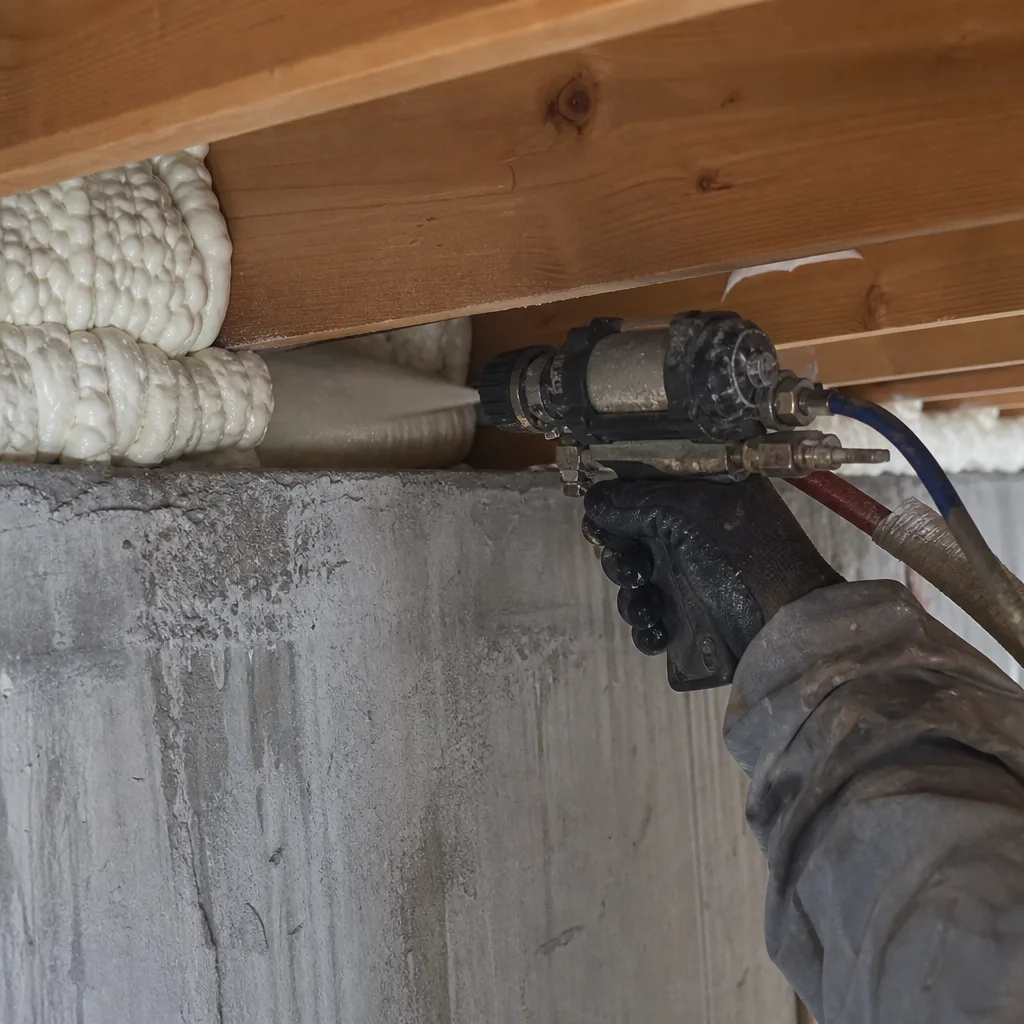
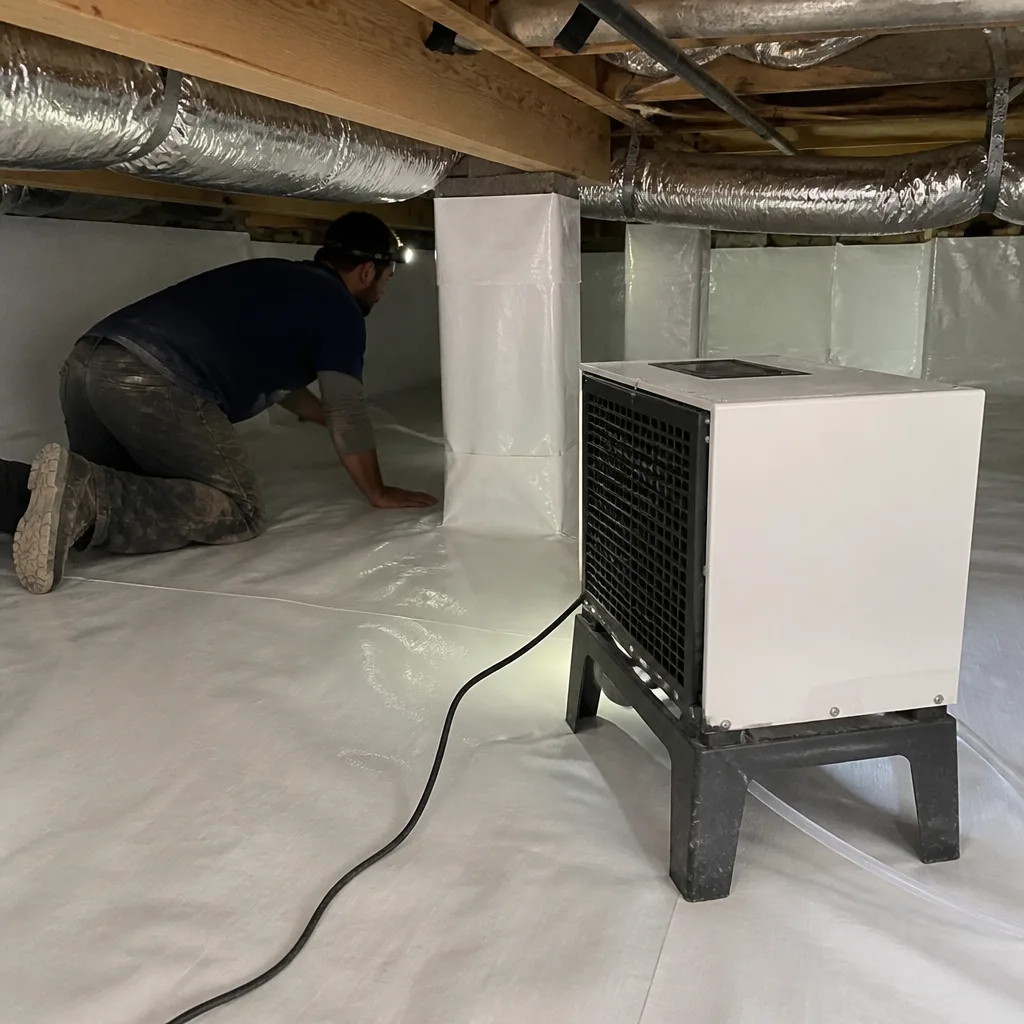
Full encapsulation seals the entire crawl space, floor to ceiling, transforming it from a vented, moisture-prone zone into a conditioned, semi-interior space. We apply a heavy-duty vapor barrier across the floor and up walls, seal all vents and penetrations with rigid foam and closed-cell spray foam, and install a dehumidifier or tie into your HVAC if appropriate. In Cupertino’s climate, where summer marine layer moisture can keep relative humidity above 70% even without rain, encapsulation prevents the condensation that ruins floor insulation and rots sill plates. We provide before-and-after moisture readings with a calibrated thermo-hygrometer, and on jobs where air sealing is part of the scope, we run blower-door tests to quantify the envelope improvement.
Crawl Space Insulation
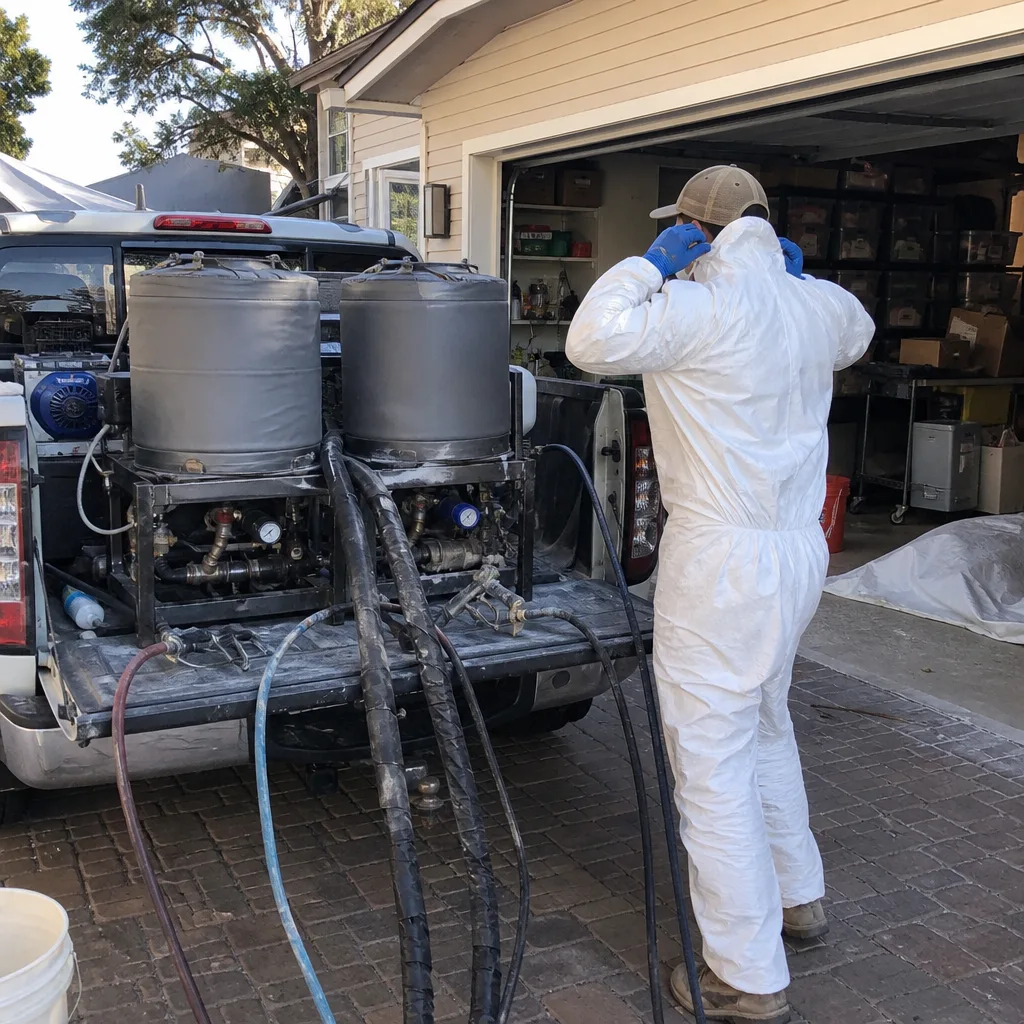
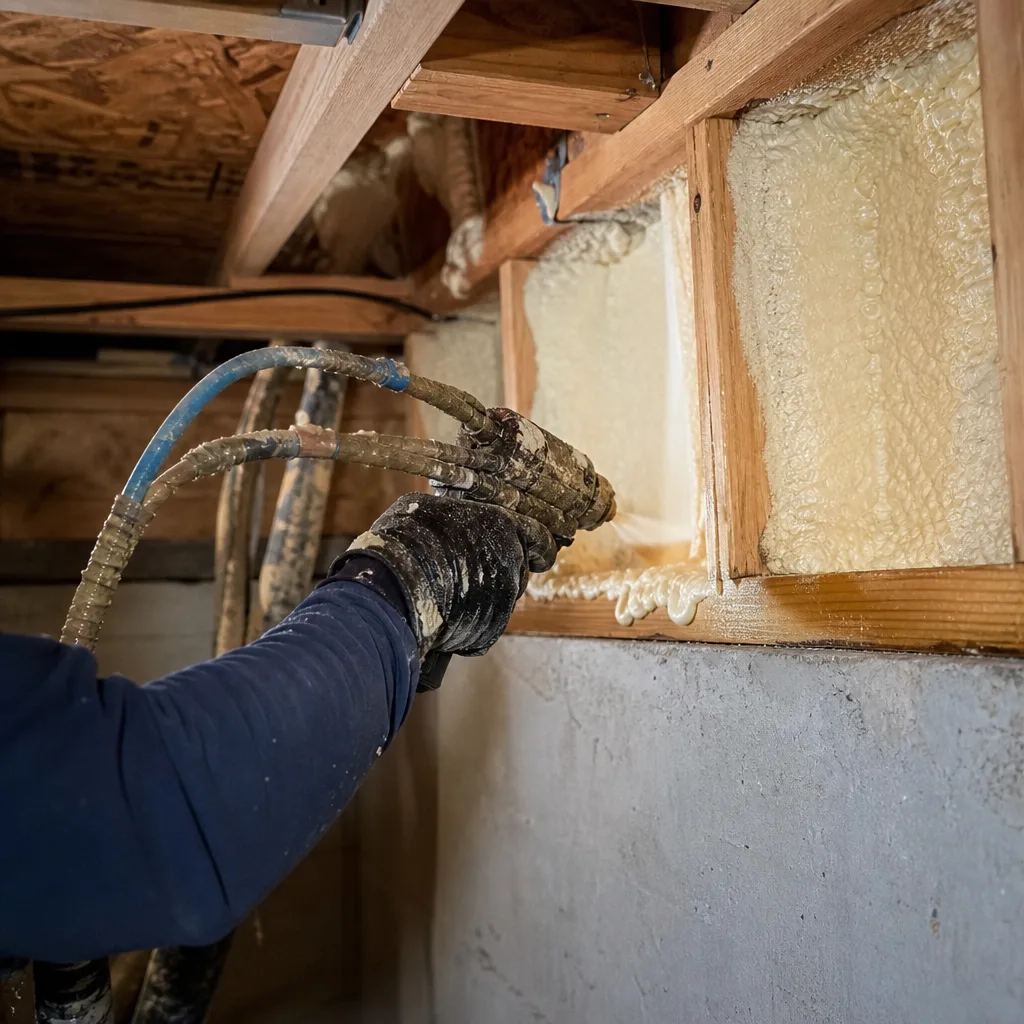
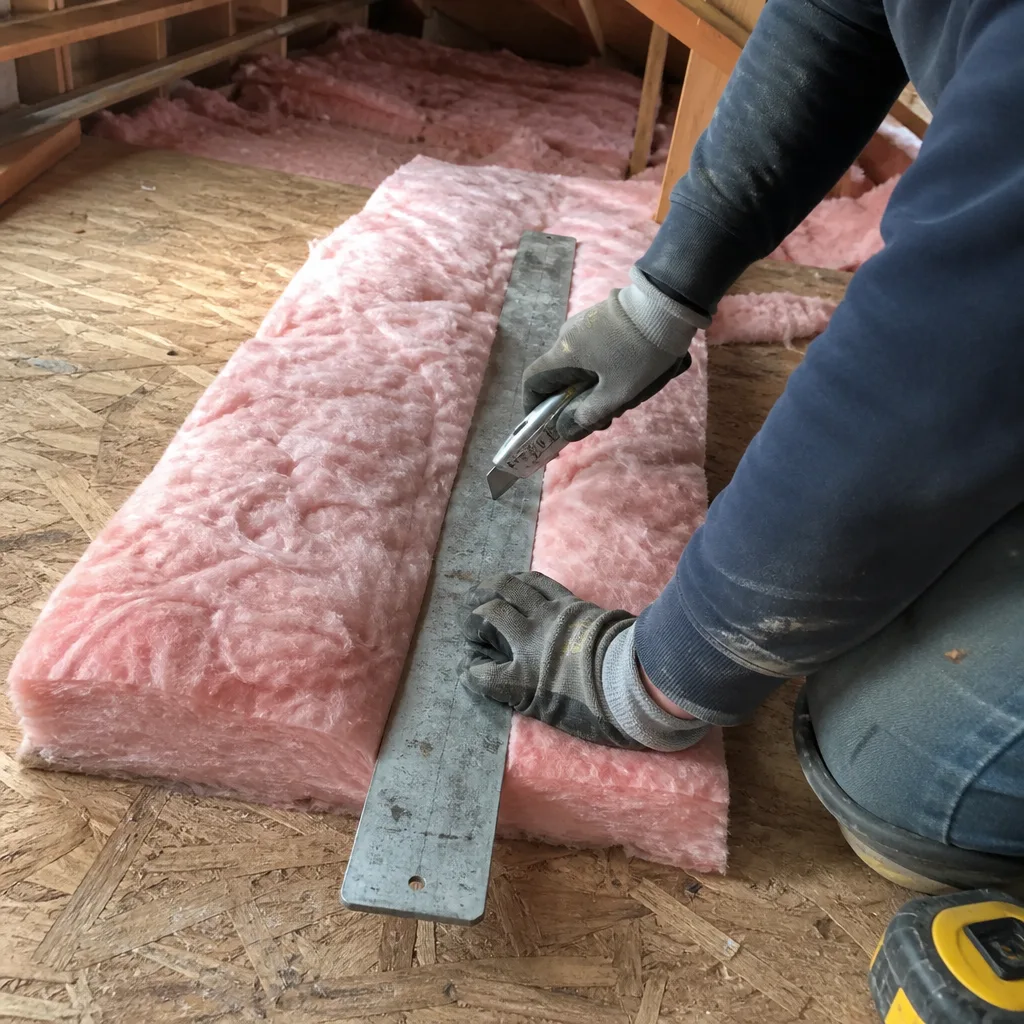
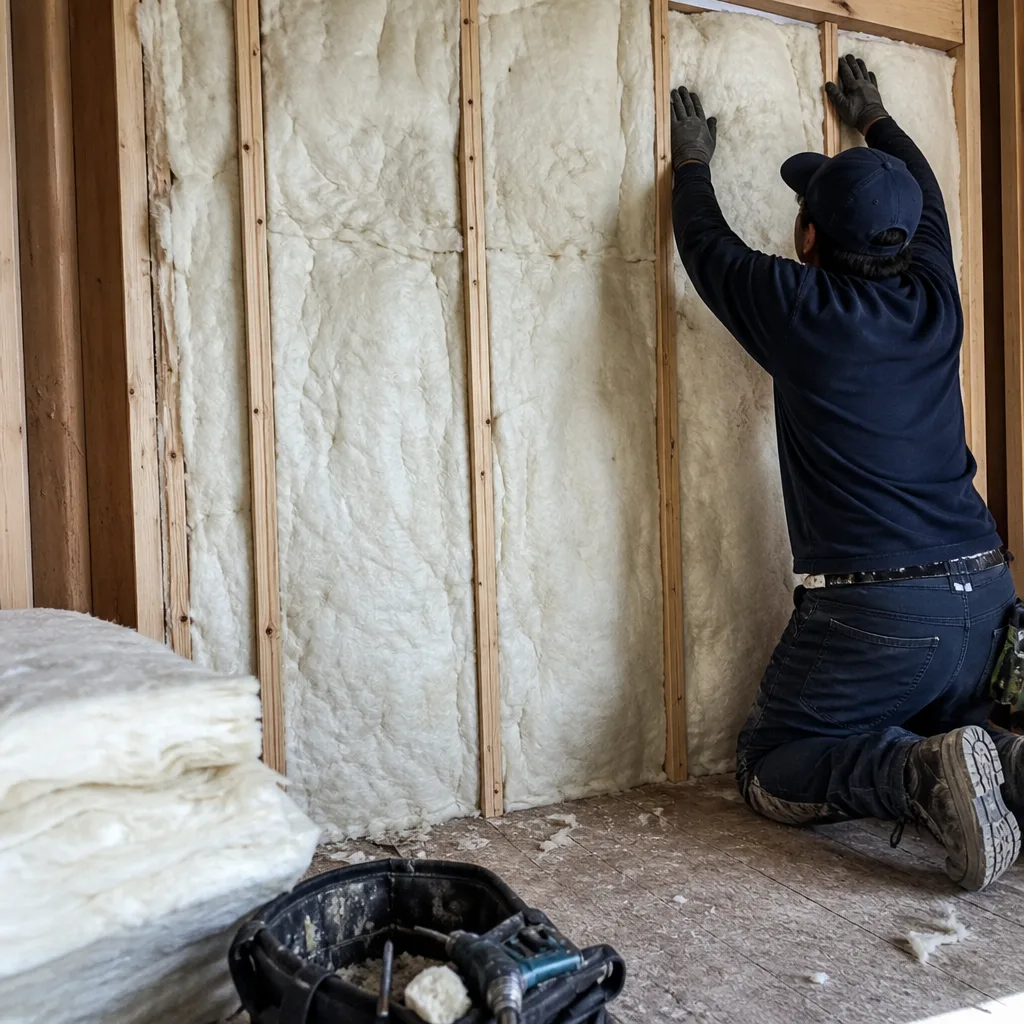
Crawl space insulation in our market means either rigid foam board applied to foundation walls, in a conditioned encapsulation, or batt insulation in the floor joists of a vented crawl space. We don’t recommend the latter for Cupertino anymore, the vented approach draws in humid exterior air that saturates fiberglass batts and collapses their R-value. When we encapsulate, we typically install 2-inch foil-faced polyiso on walls, taped at seams, for an effective R-13 thermal break that doesn’t absorb moisture. For floor-joist applications in unique cases, we use Rockwool mineral wool batts, which resist moisture and don’t support mold growth the way fiberglass can. Every insulation choice is noted in your written scope with the R-value and material spec.
Crawl Space Moisture Control
Moisture control addresses the sources: bulk water from drainage failures, capillary wicking through concrete, and vapor drive from soil. In Cupertino’s hilly areas like Seven Springs and the lower slopes of the Santa Cruz Mountains, we frequently find crawl spaces where downspouts terminate too close to foundation walls, creating hydrostatic pressure that pushes water through cracks. Our moisture control assessment includes grading inspection, gutter downspout evaluation, and a foundation perimeter check. We install interior perimeter drains and sump pumps where necessary, always with a written price before any work starts and photos of the water source documented in your record. The Haven Standard requires us to fix the water before we seal the space, encapsulating over an active leak violates our protocol.
Crawl Space Cleanout
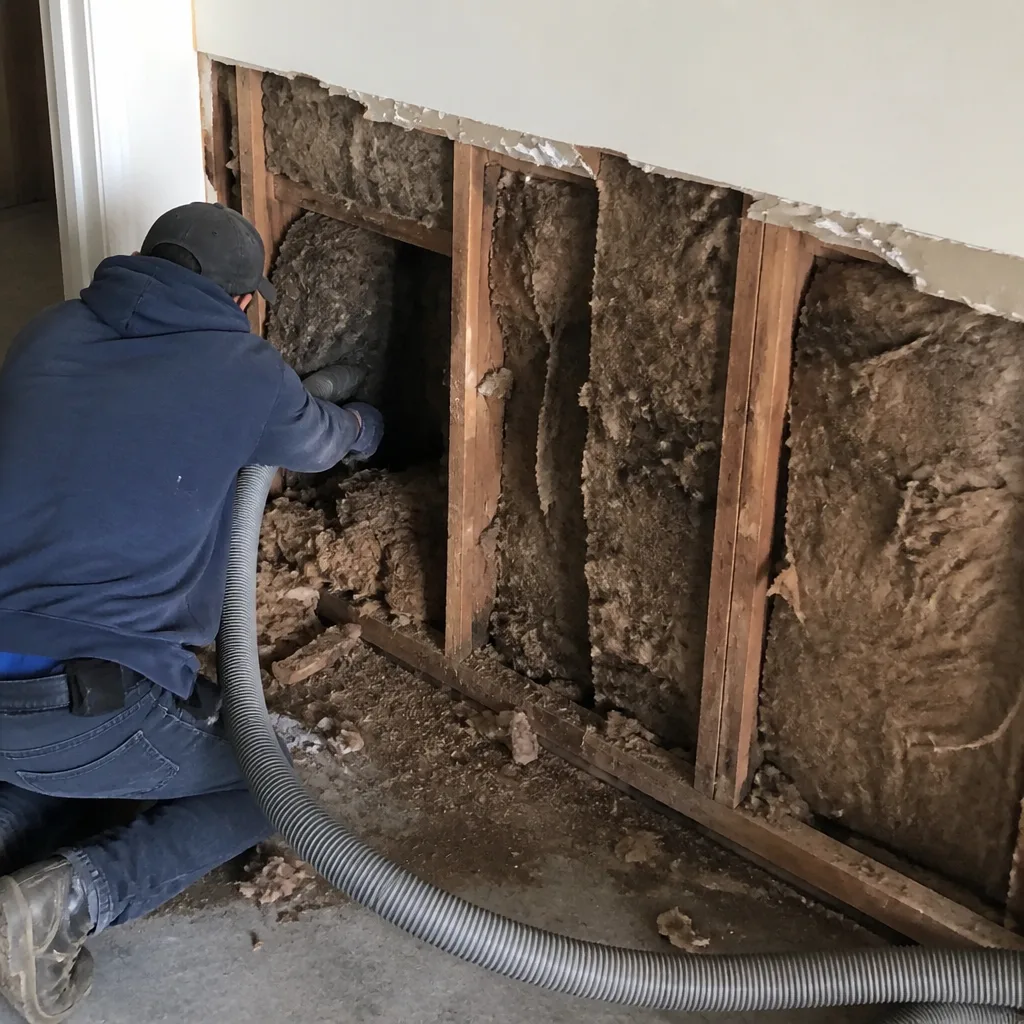
Cleanout removes degraded insulation, pest debris, failed vapor barriers, and contaminated soil before new work begins. We’ve pulled out rodent-nested fiberglass, collapsed cardboard forms from 1970s construction, and original building debris that contractors left behind decades ago. In Cupertino, cleanout is often the first day of a multi-day encapsulation job, we haul everything to proper disposal, treat exposed framing with an antimicrobial where mold is present, and let the space dry before installing new materials. The photo record shows the condition we found, the cleaned state, and the completed installation, so you have a chronological document of the transformation.
What happens when you call
- 1
A real person answersNo phone trees - you reach a local pro.
- 2
You get an upfront price rangeHonest numbers before anyone is dispatched.
- 3
A background-checked tech heads outLicensed & insured, dispatched right away.
- 4
You approve before work beginsNothing starts until you say go.
Materials We Use for Crawl Space Encapsulation & Vapor Barrier
We source encapsulation materials from manufacturers whose products we’ve tested in local conditions over multiple wet seasons. For rigid wall insulation in encapsulated crawl spaces, we use Rockwool Comfortboard, a mineral wool board that drains rather than traps moisture and won’t degrade if the humidity control system needs adjustment. Our vapor barriers come from CertainTeed’s line of reinforced polyethylene, the scrim reinforcement prevents tears during installation over rough soil and construction debris. When spray foam is needed for sealing complex penetrations or irregular surfaces, we apply Icynene open-cell or Demilec closed-cell formulations depending on the moisture exposure and fire-rating requirements. We don’t lock you into proprietary products, every material in your written scope is named with its manufacturer and product line so you can verify specifications independently.
Whether your project calls for Rockwool, CertainTeed, Icynene, Demilec, or another material appropriate to your specific condition, we select based on performance in Cupertino’s soil and climate, not distributor incentives.
 Before
 After
AfterSigns You Need Crawl Space Encapsulation & Vapor Barrier Right Now
- Musty odors rising from floor registers or gaps. That smell is microbial volatile organic compounds, byproducts of mold or bacterial growth on damp wood or insulation. In Cupertino’s older homes with original hardwood over unsealed crawl spaces, we see this most often in spring when soil moisture peaks. The odor means active biological growth, not just “old house smell,” and it affects indoor air quality throughout your living space.
- Sagging or fallen insulation between floor joists. Fiberglass batts lose structural integrity when they absorb moisture, the binding agents dissolve and the weight pulls them from staples or wire supports. Once insulation falls, it provides no thermal value and creates a debris mat on the vapor barrier or soil below. We document this condition in every inspection photo record.
- Visible mold on floor joists, sill plates, or foundation walls. Mold on structural wood indicates sustained relative humidity above 60%, the threshold where fungal colonization accelerates. In Cupertino crawl spaces near Stevens Creek or its tributaries, groundwater proximity makes this more likely even without surface flooding. Mold remediation requires addressing the moisture source first, encapsulation without moisture control is temporary.
- Increased allergy symptoms or respiratory irritation indoors. Crawl spaces act as air reservoirs, stack effect draws air upward through plumbing and electrical penetrations. If your crawl space has mold, dust mite habitat, or rodent allergens, those particles enter your living space. We’ve had Cupertino homeowners report symptom resolution within two weeks of encapsulation completion, though we don’t promise medical outcomes.
- Wood rot at sill plates or rim joists. This is structural damage from long-term moisture exposure, often concealed behind insulation until it’s advanced. Repair requires carpentry work, but the critical step is stopping the moisture that caused it. We coordinate with structural contractors when needed and always provide the moisture-control specification they’ll need to warranty their repairs.
Our Crawl Space Encapsulation & Vapor Barrier Process - Step by Step
- 1
Inspection and moisture assessment. We access your crawl space with protective gear and document conditions with dated, geotagged photos: moisture readings at multiple points, insulation condition, vapor barrier state, structural wood integrity, and evidence of pests or bulk water. We note your foundation type, ventilation configuration, and any HVAC ductwork in the space. This inspection is free and produces your written estimate with no obligation.
- 2
Written scope and price before any work starts. Under Haven Standard Clause 1, you receive a flat price, detailed scope of work, and written warranty before anyone lifts a tool. The scope specifies materials by brand and product line, R-values where insulation is included, dehumidifier capacity if applicable, and the expected duration. We also note any preparatory work you need to complete, like clearing stored items from the access area.
- 3
Cleanout and preparation. On day one, we remove failed materials and debris, treat mold-affected framing with an antimicrobial where appropriate, and address any active water sources we’ve identified. If drainage work is needed, we complete it before sealing. The photo record documents the cleaned, prepared state before new materials enter.
- 4
Encapsulation and air sealing. We install the vapor barrier floor system, wall insulation, and seal all vents, penetrations, and access points. Spray foam application, where specified, follows manufacturer cure times before the space is considered complete. For full encapsulations, we install and test the dehumidifier or connect to your HVAC if that’s the design. Blower-door testing, when included, quantifies the air leakage reduction.
- 5
Documentation and walkthrough. You receive the completed photo record, moisture readings showing post-work conditions, any blower-door numbers, and the warranty documentation. We walk you through the installed system, show you the dehumidifier settings or HVAC connection, and explain maintenance access for filters and drains. The 365-Day Done Right Promise begins at completion.
How Much Does Crawl Space Encapsulation & Vapor Barrier Cost in Cupertino?
A typical Crawl Space Vapor Barrier replacement in a Cupertino crawl space runs $3,200-$4,800 for spaces under 1,200 square feet with accessible conditions and no active water problems. Full encapsulation with wall insulation, sealed vents, and dehumidifier installation typically ranges from $6,500-$8,500 for the same footprint, with larger homes or complex foundation shapes extending toward $12,000. Crawl space cleanout as a standalone service starts around $1,800-$2,800 depending on debris volume and disposal requirements.
Several factors move these numbers. Soil condition matters, rocky or heavily compacted clay increases labor for vapor barrier installation and may require additional ground preparation. Foundation wall height affects material quantities; stem walls in newer Cupertino construction are shorter than the full-height walls in some hillside homes. Existing moisture damage requiring structural repair before encapsulation adds cost, we identify this in inspection and coordinate with carpenters if needed. Accessibility is significant, crawl spaces with tight clearances, limited access points, or HVAC equipment blocking paths take more labor hours.
To avoid overpaying, get competing estimates in writing and use our Free Second Opinion service, we’ll review any written quote with you line by line. Be wary of per-square-foot pricing that doesn’t specify material thickness or seam-sealing method, a 6-mil loose-laid barrier costs less than a 20-mil mechanically anchored system but performs differently. Our written price includes every material, labor hour, and disposal fee; no change orders unless you add scope. Call (831) 217-8521 for your free estimate with documented photo record.
Crawl Space Encapsulation & Vapor Barrier Near Cupertino - Our Service Area
We work throughout the Santa Clara Valley and western Santa Clara County, with typical response times of same-day to 48 hours for inspections in Cupertino, Saratoga, Los Altos, Sunnyvale, Santa Clara, Campbell, Mountain View, Los Altos Hills, Palo Alto, Los Gatos, Portola Valley, East Palo Alto, and surrounding communities. Hillside homes in Los Gatos and Portola Valley present similar moisture challenges to Cupertino’s elevated areas, while the flatter terrain in Sunnyvale and Santa Clara often shows different drainage patterns that affect crawl space conditions. Wherever you’re located, the process is the same: written price before work starts, documented photo record when we finish, and the 365-Day Done Right Promise on all completed work. Home
Serving Cupertino, CA - Our Local Coverage Area
We’re based in the Cupertino area and know this community well. Use the map below to see our service coverage - if you’re nearby, we can almost certainly help.
Frequently Asked Questions - Crawl Space Encapsulation & Vapor Barrier in Cupertino
Crawl Space Insulation and encapsulation is the complete sealing of your crawl space floor, walls, and vents with heavy-duty vapor barriers and insulation, converting it from a vented exterior zone to a conditioned semi-interior space. A vapor barrier alone is the floor membrane that blocks soil moisture evaporation, encapsulation adds wall treatment, vent sealing, and often mechanical humidity control. We assess which approach your Cupertino home needs based on moisture readings and foundation type, then specify it in your written scope.
Most vapor barrier replacements take one day; full encapsulations with wall insulation and dehumidifier installation typically take two to three days. Cleanout and drainage repairs add time, a complex hillside foundation with active water management might extend to four days. We specify the expected duration in your written price before any work starts, and we don’t rush the cure times for spray foam or sealant products. Call (831) 217-8521 to schedule an inspection and get a timeline for your specific project.
Vapor barrier installation runs $3,200-$4,800 for typical Cupertino crawl spaces under 1,200 square feet; full encapsulation with insulation and humidity control ranges $6,500-$8,500, with larger or more complex jobs extending higher. See our Crawl Space Encapsulation & Vapor Barrier pricing page for more detail. The final price depends on square footage, existing damage, accessibility, and whether drainage or structural repairs are needed. We provide a flat, written price after free inspection, no obligation, and we offer a Free Second Opinion on any competing written estimate. Call (831) 217-8521 for your exact quote.
Yes, we install Rockwool mineral wool insulation, CertainTeed vapor barriers, and spray foam from Icynene and Demilec, among other manufacturers appropriate to your project. We select materials based on performance in Cupertino’s soil and climate conditions, not distributor relationships, and we name every product in your written scope. If your home has existing materials from these brands or any other manufacturer, we can assess their condition and specify compatible repairs or full replacement.
We answer calls 24/7 through a live person, no voicemail loops, and we can typically inspect within 24-48 hours for urgent conditions like post-flooding, discovered structural rot, or failed sump pumps. True emergencies involving active water intrusion may need immediate water mitigation before encapsulation work begins, we coordinate this when needed and always address the source before sealing. For rapid scheduling, call (831) 217-8521 and we’ll dispatch a crew with documented photo record capability.
All completed work is covered by our 365-Day Done Right Promise, if it’s not done right, we make it right, backed by the written scope and warranty delivered before work begins under Haven Standard Clause 1. Manufacturer warranties on materials like vapor barriers and dehumidifiers run in addition to our workmanship guarantee. The documented photo record you receive at completion supports any future warranty claim by establishing the as-installed condition.
Clear personal items and stored materials from the crawl space access area and a path to it; our crew needs room for material staging and debris removal. Ensure we have access to electrical outlets for tools and dehumidifier testing, and notify us of any pets that might be disturbed by the access point being open. We’ll confirm any specific preparations in your written scope after inspection, most Cupertino homeowners need only clear access and provide entry. Call (831) 217-8521 to schedule your free inspection and receive the full preparation checklist.
Schedule Your Crawl Space Encapsulation & Vapor Barrier Service in Cupertino Today
Call (831) 217-8521 to speak with a live person 24/7 and schedule your free crawl space inspection with written estimate. Every job begins with a flat price and detailed scope under Haven Standard Clause 1, and ends with a documented photo record of the completed work. The 365-Day Done Right Promise applies to all encapsulation and vapor barrier services, and we offer a Free Second Opinion on any written competing quote. Whether you’re in Rancho Rinconada, Monta Vista, or anywhere in Cupertino, we’ll show you exactly what your crawl space needs and exactly what it costs before anyone lifts a tool.
Written by Wes Okafor, Owner at Topside Attic Insulation Cupertino, serving Cupertino since 2016.