
Crawl Space Insulation in Cupertino, CA
Crawl space insulation in Cupertino typically runs between $1,800 and $4,500 for a standard single-family home, depending on square footage, current insulation condition, and whether air sealing is needed first. Most jobs are completed in one day, and every job at Topside Attic Insulation Cupertino begins with a written price before any work starts – no exceptions.
If your floors feel cold in winter despite a working furnace, or your energy bills creep up every year without a clear reason, the crawl space is often where the answer lives. Cupertino sits in a climate zone where overnight temperatures regularly drop into the low 40s from November through February, and a poorly insulated or completely uninsulated crawl space lets that cold bleed directly into your subfloor. We’ve opened access hatches in Rancho Rinconada and Monta Vista homes where the original fiberglass batts had sagged, absorbed moisture, and lost most of their R-value years ago – sometimes decades ago.
This page covers exactly what crawl space insulation involves, what it costs in Cupertino’s market, and how we do the work. If you want to talk through a specific job, call us at (831) 217-8521 – a live person answers every call.
Crawl space insulation is one part of a larger building-envelope system. If moisture, standing water, or a damaged vapor barrier is also present, that work comes first. See our full Crawl Space Encapsulation & Vapor Barrier in Cupertino page for how those services fit together.
When You Need Crawl Space Insulation
Not every crawl space needs the same fix. Here are the situations where crawl space insulation is specifically the right answer:
- Floors that are noticeably cold in winter. If hardwood or tile in your ground-floor rooms feels cold underfoot from December through February – even with the heat running – the subfloor is almost certainly losing heat to an unconditioned or under-insulated crawl space. This is a common finding in Cupertino homes built in the 1960s and 1970s, when crawl space insulation wasn’t code-required.
- Existing insulation that has fallen or is visibly deteriorating. Fiberglass batt insulation installed between floor joists is held up by friction and wire supports. Over time – especially in crawl spaces with seasonal humidity swings – those batts sag, detach, and compress. Compressed fiberglass loses R-value proportionally to how much it’s compressed. We regularly find batts in Cupertino crawl spaces running at R-5 or R-6 that were originally installed as R-19.
- Rising energy bills with no other explanation. A blower-door test – a pressurization measurement that shows, in one number, how much conditioned air a home’s envelope is losing – often reveals the crawl space as a significant source of air infiltration. If your utility bills have climbed 15 to 25 percent over the past few years without a change in occupancy or usage, the crawl space is worth investigating before the HVAC system.
- Pest or rodent activity in the crawl space. Rodents routinely nest in fiberglass insulation, pulling it apart and contaminating it with waste. If you’ve had a rodent intrusion in the crawl space, the existing insulation needs to be removed and replaced – not just topped off. Contaminated insulation cannot be safely left in place.
- Recent encapsulation or vapor barrier installation without insulation follow-up. Encapsulating a crawl space – sealing the walls and floor with a poly barrier – changes how the space performs thermally. Some encapsulated crawl spaces benefit from insulating the foundation walls instead of (or in addition to) the floor joists. If your crawl space was encapsulated but insulation was never addressed, you may not be getting the full benefit of that investment.
- Home purchase or pre-listing inspection flagging crawl space deficiencies. Buyers in Cupertino’s market are thorough. Home inspectors flag missing or deteriorated crawl space insulation, and those line items show up in repair requests. We work with both buyers and sellers on this – written scope, written price, documented photo record before and after.
Our Crawl Space Insulation Process
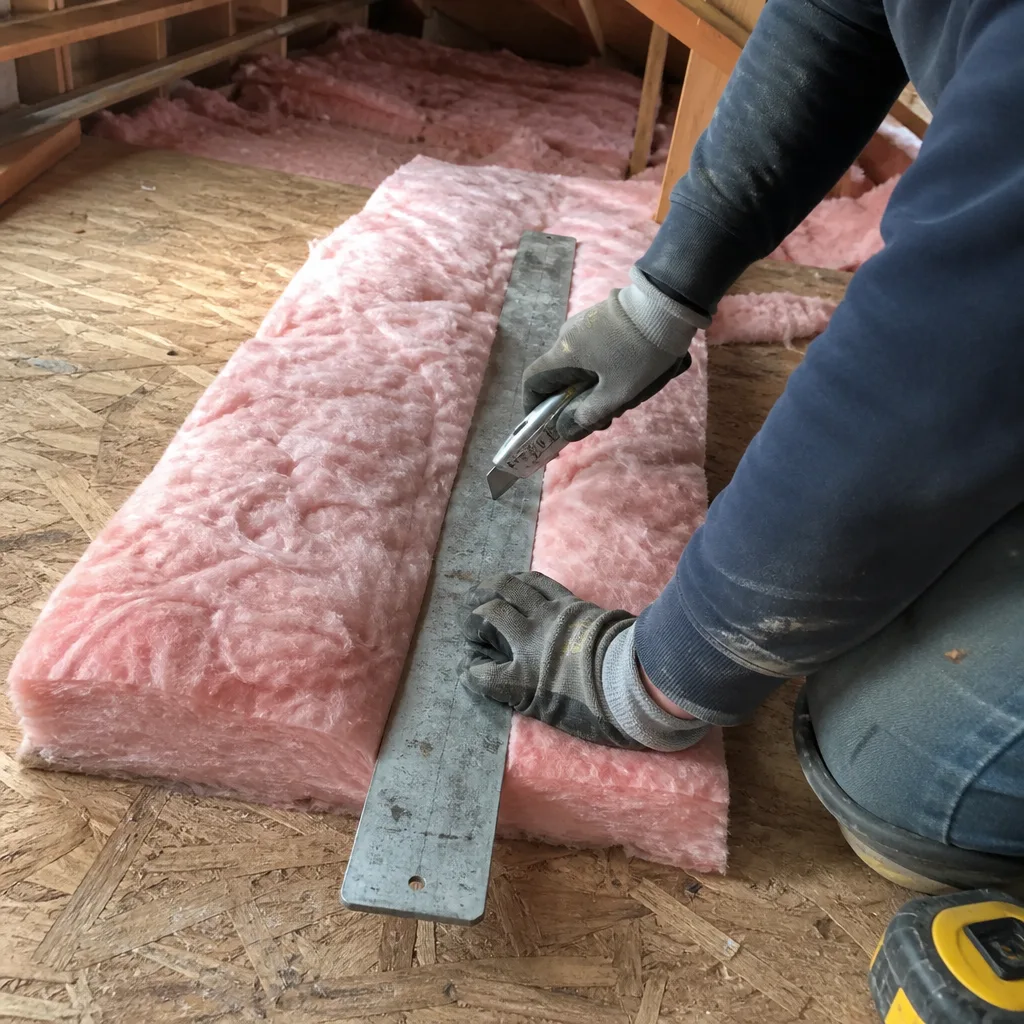
We don’t insulate first and ask questions later. The sequence matters, and it’s the same on every job.
- Access and condition assessment. Before any materials are ordered or priced, a technician enters the crawl space to document what’s there. We photograph the existing insulation, the vapor barrier condition, any signs of moisture or pest activity, and the joist bay dimensions. You receive this photo record – it’s included on every visit, not available on request. This is what our written scope is built from.
- Air sealing before insulation – always. This is the step most contractors skip or treat as optional. We don’t. Any penetrations through the subfloor – plumbing stacks, electrical conduit, HVAC boots, gaps at the mudsill – are sealed with foam or mastic before insulation goes in. Adding insulation over unsealed penetrations reduces R-value loss but does nothing for air infiltration, which is a separate and often larger problem. On applicable jobs, we record blower-door numbers before and after this step so you can see the air-sealing result in a single figure.
- Remove and dispose of damaged or contaminated insulation. If existing insulation is compressed below functional R-value, contaminated by rodents, or water-damaged, it comes out. We bag and remove it. Leaving deteriorated insulation in place and adding new material on top is not a repair – it’s concealment.
- Install new insulation to current California code requirements. California’s Title 24 energy code requires a minimum of R-19 for crawl space floor insulation in Climate Zone 4, which covers most of Cupertino. We typically install to R-19 or R-30, depending on the joist depth and the homeowner’s performance goals. Materials vary by job – we’ve used Rockwool batts in crawl spaces where moisture resistance is a concern, and CertainTeed fiberglass where conditions are drier and joist depths are standard. No proprietary product lock-in: we source what performs best for the specific conditions we document.
- Secure and support insulation correctly. Friction-fit alone isn’t sufficient in a crawl space with seasonal humidity shifts. We install wire supports or insulation hangers at appropriate intervals so batts stay in contact with the subfloor and don’t sag over time. This is a detail that gets skipped when crews are moving fast. We don’t skip it.
- Final documentation and walkthrough. When the work is done, you receive a completed Documented Photo Record showing the finished installation, the air sealing points, and the insulation placement. On applicable jobs, the after blower-door reading is included. The written warranty and scope you received before work started become the record of what was completed. That’s what leaving looks like before we arrive.
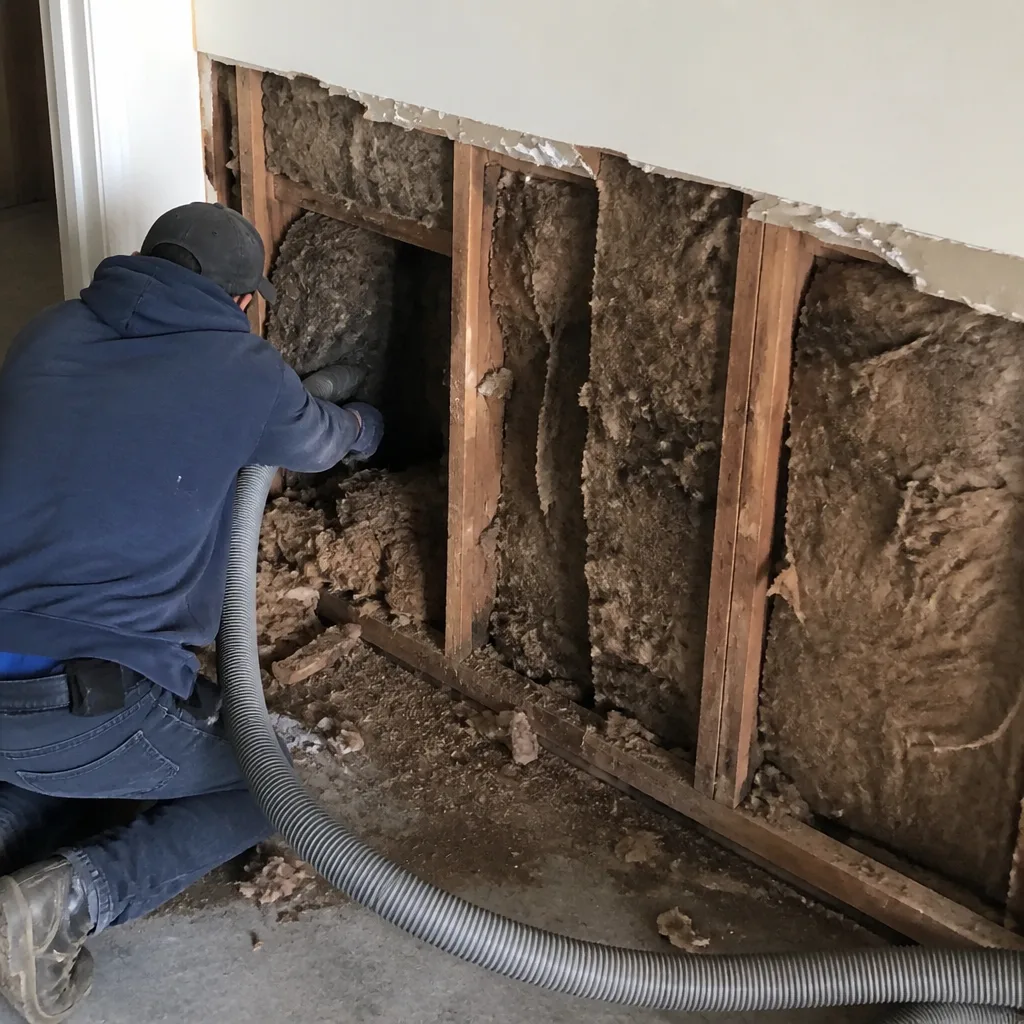 Before
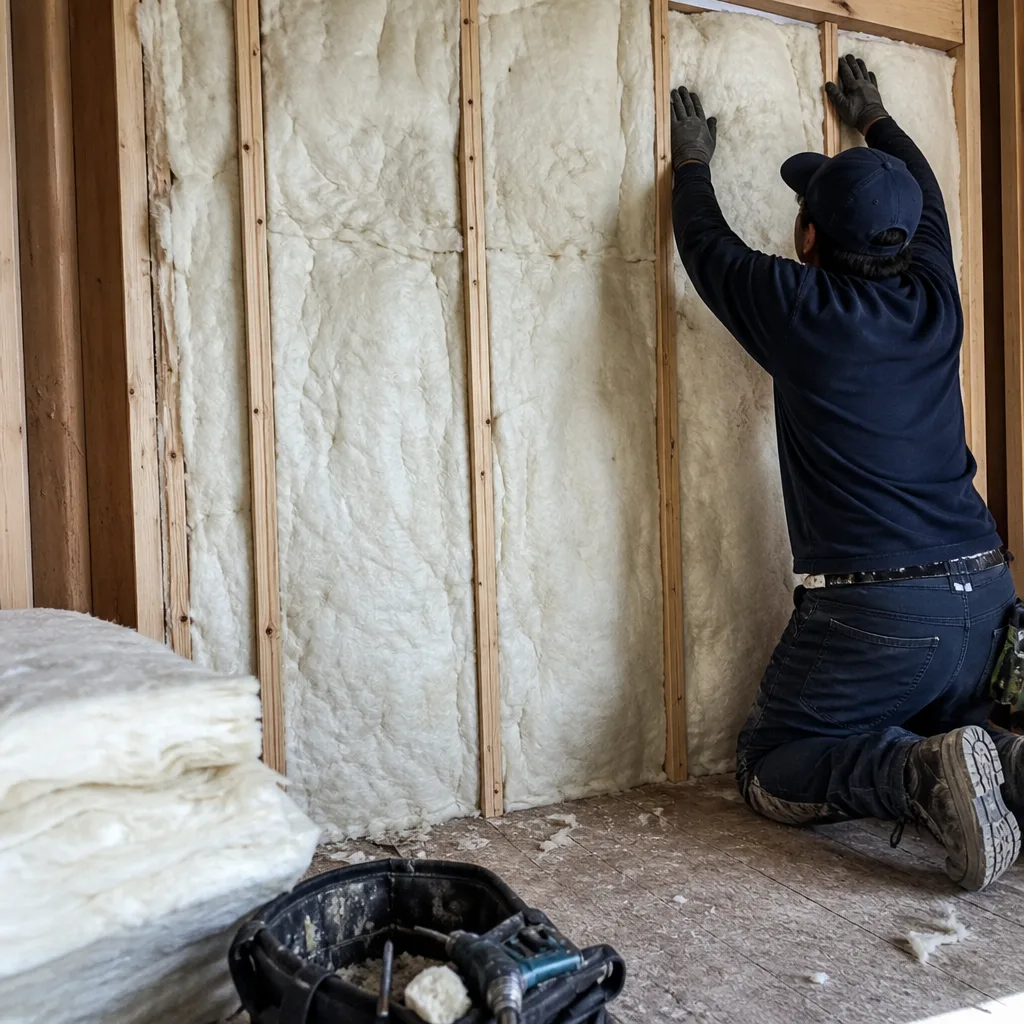 After
AfterCrawl Space Insulation Pricing in Cupertino
Crawl space insulation in Cupertino runs between $1,800 and $4,500 for most single-family homes, with the majority of jobs falling between $2,200 and $3,400. For details on related services, see How Much Does Crawl Space Encapsulation & Vapor Barrier Cost? (2026 Price Guide) - Cupertino, CA. Below is a breakdown of what drives cost.
| Cost Factor | Typical Range | Notes |
|---|---|---|
| Crawl space square footage | $2.50 – $5.00/sq ft | Most Cupertino homes have 800-1,400 sq ft of crawl space |
| Insulation removal (if needed) | $600 – $1,200 | Required when existing material is contaminated or compressed |
| Air sealing (penetrations and mudsill) | $350 – $750 | Always completed before insulation is installed |
| Material upgrade (Rockwool vs. standard fiberglass) | +$200 – $500 | Rockwool is dimensionally stable and mold-resistant – worth it in wetter crawl spaces |
| Access difficulty (low clearance, tight joist bays) | +$150 – $400 | Common in older Cupertino homes with 18-inch or less clearance |
The written price you receive before any work starts covers all of these line items. Nothing is added after the crew arrives.
To get a number specific to your home’s crawl space, call (831) 217-8521. We’ll schedule an assessment, document what’s there, and give you a flat written price before anyone starts work. That’s Haven Standard Clause 1, and it applies to every job we take.
If you’ve already received a written estimate from another contractor, we’ll review it with you at no charge. Free second opinion on any written estimate – bring it in or read it to us on the phone.
FAQs – Crawl Space Insulation
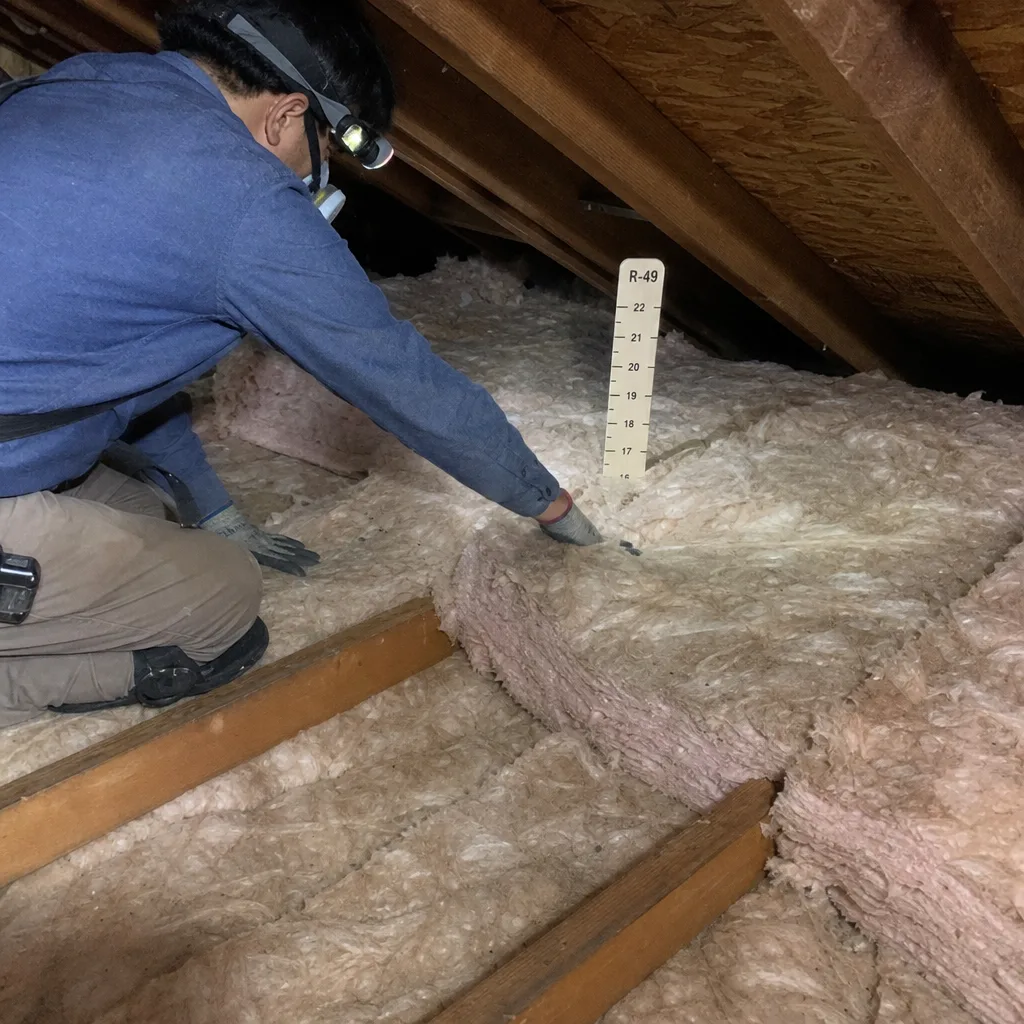
What R-value does crawl space insulation need to be in Cupertino?
California’s Title 24 energy code requires a minimum of R-19 for floor insulation over an unconditioned crawl space in Climate Zone 4, which applies to Cupertino. In practice, we install to R-19 as a floor and often recommend R-30 when joist depth allows it – R-30 is achievable in standard 2×10 or 2×12 framing without overfilling. Homes in the Monta Vista or Rancho Rinconada areas built before 1978 frequently have zero insulation in the crawl space or badly degraded original batts running well below R-10 by the time we inspect them. Call (831) 217-8521 for a documented assessment that tells you exactly what’s there before you commit to anything.
Should crawl space walls or the floor joists be insulated?
For vented crawl spaces – the most common configuration in older Cupertino homes – insulating the floor joists (the ceiling of the crawl space) is the standard approach. For encapsulated crawl spaces, where the vents are sealed and the space is conditioned or semi-conditioned, insulating the foundation walls instead of the floor joists is often more effective. The right answer depends on how your crawl space is configured. Our assessment documents that before we price anything. If you’re not sure which type of crawl space you have, our Crawl Space Encapsulation & Vapor Barrier in Cupertino page explains the difference between vented and encapsulated systems in detail.
How long does crawl space insulation installation take?
Most crawl space insulation jobs in Cupertino are completed in one day. A straightforward install on a clean crawl space with no removal needed typically takes four to six hours. If the job includes insulation removal, air sealing, and full reinstallation, plan for a full workday – six to eight hours. We give you a time estimate in the written scope before work starts, so you know what the day looks like. A technician’s name and an on-the-way text come to you under Haven Standard: Arrive on schedule.
Do I need a permit for crawl space insulation in Cupertino?
In most cases, no permit is required for replacing or adding crawl space insulation in Cupertino when the scope is insulation-only and doesn’t involve structural changes or significant electrical or plumbing work. California does require that insulation work comply with Title 24 energy standards, and some jurisdictions require a building permit when insulation is part of a larger remodel or Crawl Space Encapsulation & Vapor Barrier project. We’ll tell you upfront – in writing – if a permit applies to your specific job. We don’t start work that requires a permit without pulling one first.
Why Cupertino Crawl Spaces Need Specific Attention
Cupertino’s climate sits at the edge of what the Bay Area calls the “inland fog zone” – not as wet as Santa Cruz, not as dry as the Central Valley, but prone to overnight humidity that regularly hits 85 to 95 percent from October through April. That’s a problem for crawl spaces with inadequate Crawl Space Vapor Barrier protection and fiberglass insulation that was never designed for sustained moisture exposure. We pull fiberglass batts in De Anza Park homes that are black with mold on the paper facing. The R-value is gone. The paper facing is the vapor retarder, and when it’s compromised, the joist above it starts absorbing moisture too.
Rockwool – made from mineral fiber rather than glass fiber – doesn’t absorb moisture and doesn’t provide a food source for mold. In crawl spaces where the vapor barrier is intact but humidity is a recurring factor, Rockwool is often the right material choice. We document the specific conditions in your crawl space and recommend accordingly. We don’t have a product we’re pushing.
Cupertino also has a significant inventory of homes from the 1960s and early 1970s – tracts built when fiberglass batts were installed quickly and without the wire supports or friction-fit attention they needed. Those batts have been slowly detaching and compressing for 50 years. A lot of homeowners in Homestead and Garden Gate neighborhoods are effectively running with little to no crawl space insulation right now without knowing it.
What You Receive When the Job Is Done
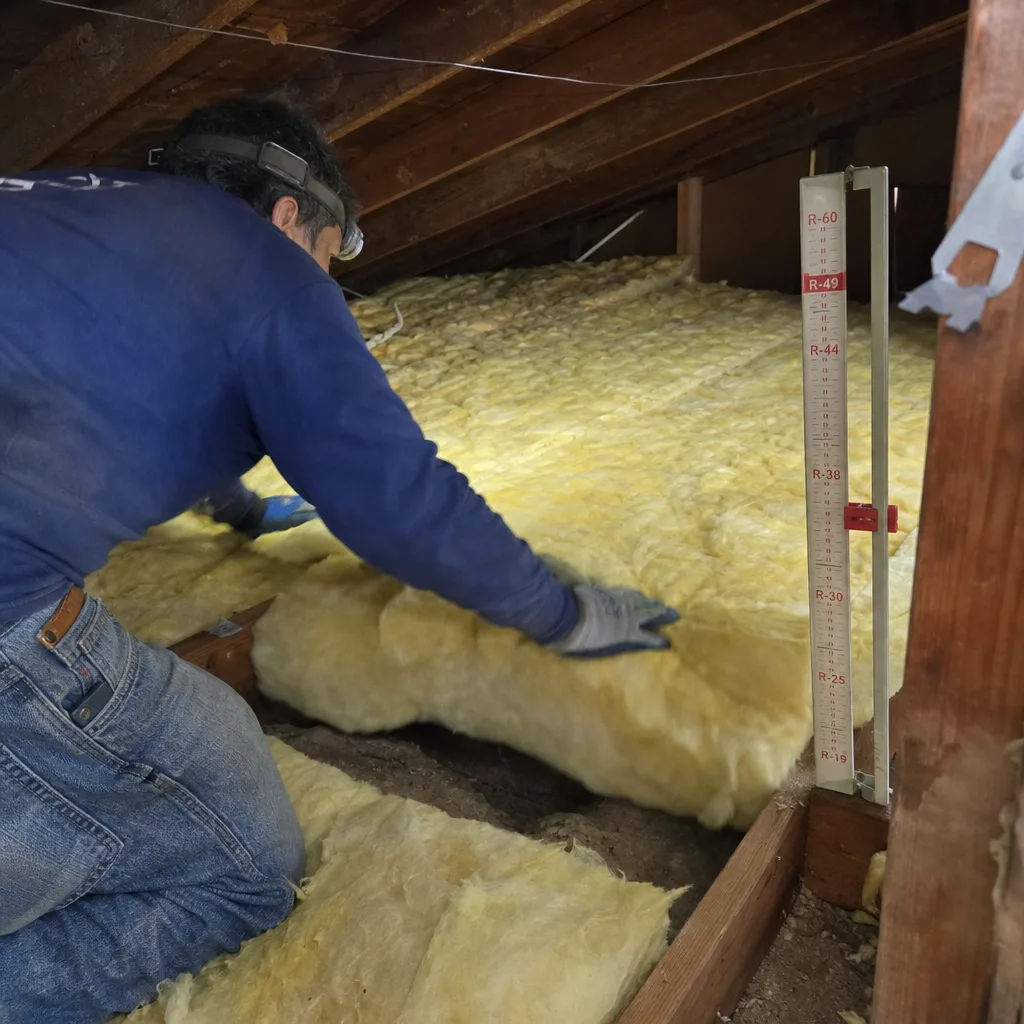
Every crawl space insulation job at Topside Attic Insulation Cupertino closes with the same documentation package, regardless of job size:
- Documented Photo Record showing before and after conditions, air sealing locations, and completed insulation installation
- Written scope confirming what was installed, what R-value was achieved, and what materials were used
- Written warranty under the 365-Day Done Right Promise – if it’s not done right, we make it right
- Before and after blower-door readings on applicable jobs – a pressurization measurement that shows, in one figure, the air infiltration change the work produced
Wes Okafor built Topside Attic Insulation Cupertino on the premise that a homeowner should be able to verify what they paid for. The photo record and the blower-door numbers are how that verification works. No job closes without them.
Since 2016, we’ve completed work on more than 9,000 homes – every one with a written price before work started and a documented record when the crew left. That’s not a marketing claim; it’s the operating standard we’ve held since the beginning. You can find Topside Attic Insulation Cupertino starting from our home page, where the full service line is listed.
Schedule Your Crawl Space Insulation Assessment
If you’re dealing with cold floors, rising energy bills, or a crawl space you haven’t looked at since you bought the house, the right starting point is a documented assessment – not a guess. Call Topside Attic Insulation Cupertino at (831) 217-8521 to schedule yours. A live person answers every call. You’ll get a written price before anyone starts work, a named technician, and a text when they’re on the way. That’s what every job looks like from the first call through the final photo.
Written by Wes Okafor, Owner at Topside Attic Insulation Cupertino, serving Cupertino.