
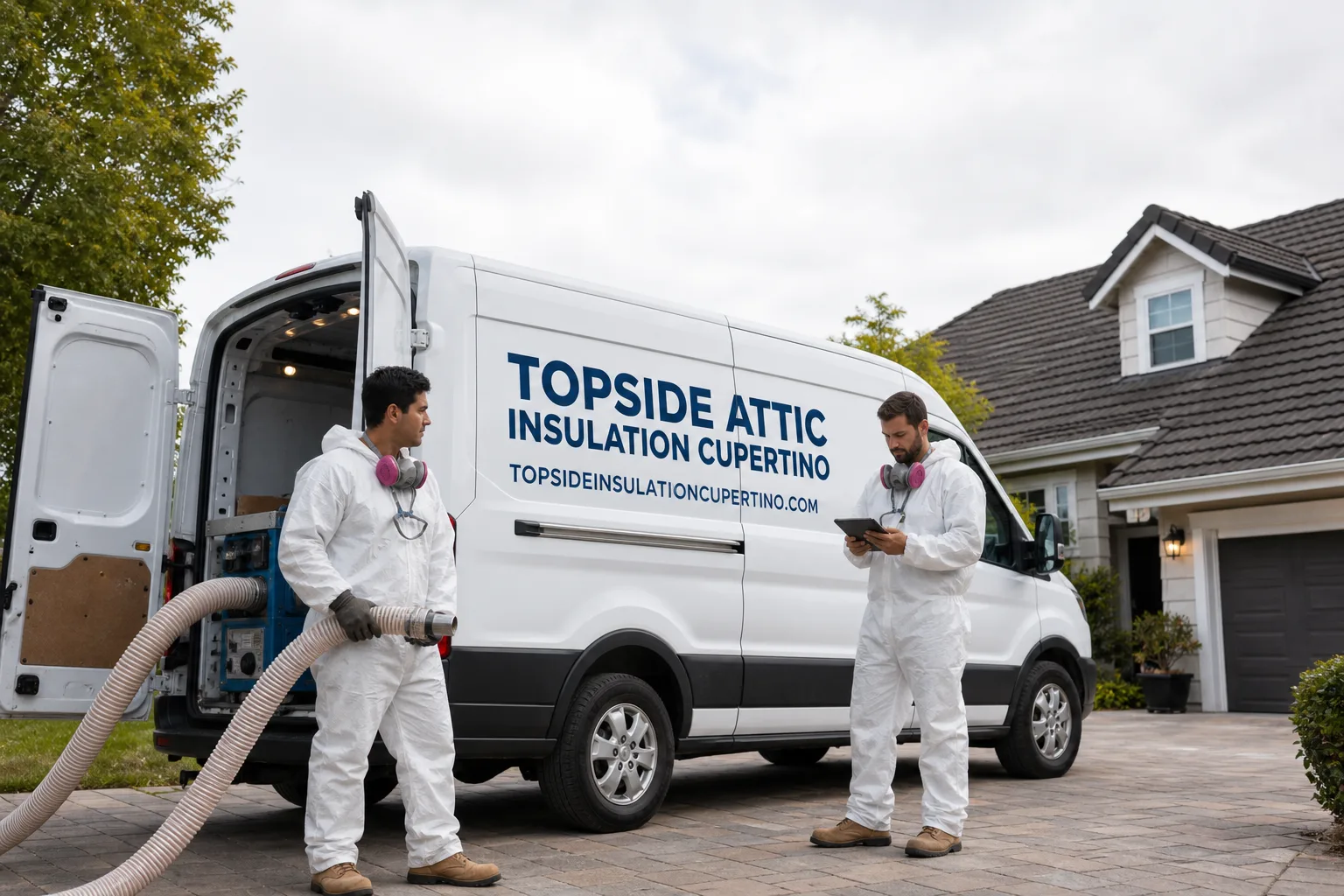
How Much Does Insulation Removal & Replacement Cost in Cupertino?
Our Insulation Removal & Replacement services in Cupertino, CA typically run between $1,800 and $5,500 for a standard single-family attic, with most homes in the 1,500-2,200 square foot range landing around $2,400 to $3,800 all-in - that covers vacuum removal, disposal, air sealing of top plates and penetrations, and new insulation blown to current California Title 24 standards. Crawl space work adds another $900 to $2,200 depending on access and the extent of vapor barrier replacement. Every job at Envelope Insulation Co. begins with a written price before a single tool comes out of the truck.
Insulation Removal & Replacement Cost Breakdown (2026)
Here is what individual line items actually cost in the Cupertino market this year. These are real ranges pulled from jobs completed in Santa Clara County - not national averages padded with a disclaimer.
| Scope of Work | Typical Price Range (2026) | Notes |
|---|---|---|
| Attic insulation removal only (vacuum & bag) | $700 - $1,400 | Per 1,000 sq ft of attic floor; price rises with depth and contamination |
| Attic air sealing (top plates, can lights, penetrations) | $400 - $900 | Completed before any new insulation is blown - this is a prerequisite, not an add-on |
| New blown-in fiberglass or cellulose (attic) | $600 - $1,200 | Per 1,000 sq ft; R-49 or R-60 target per Title 24 zone for Cupertino |
| Attic removal + air seal + re-insulation (full replacement) | $1,800 - $5,500 | Most 1,500-2,200 sq ft Cupertino homes fall $2,400-$3,800 |
| Crawl space insulation removal | $500 - $1,100 | Access difficulty in older ranchers on Homestead Rd corridor adds to this |
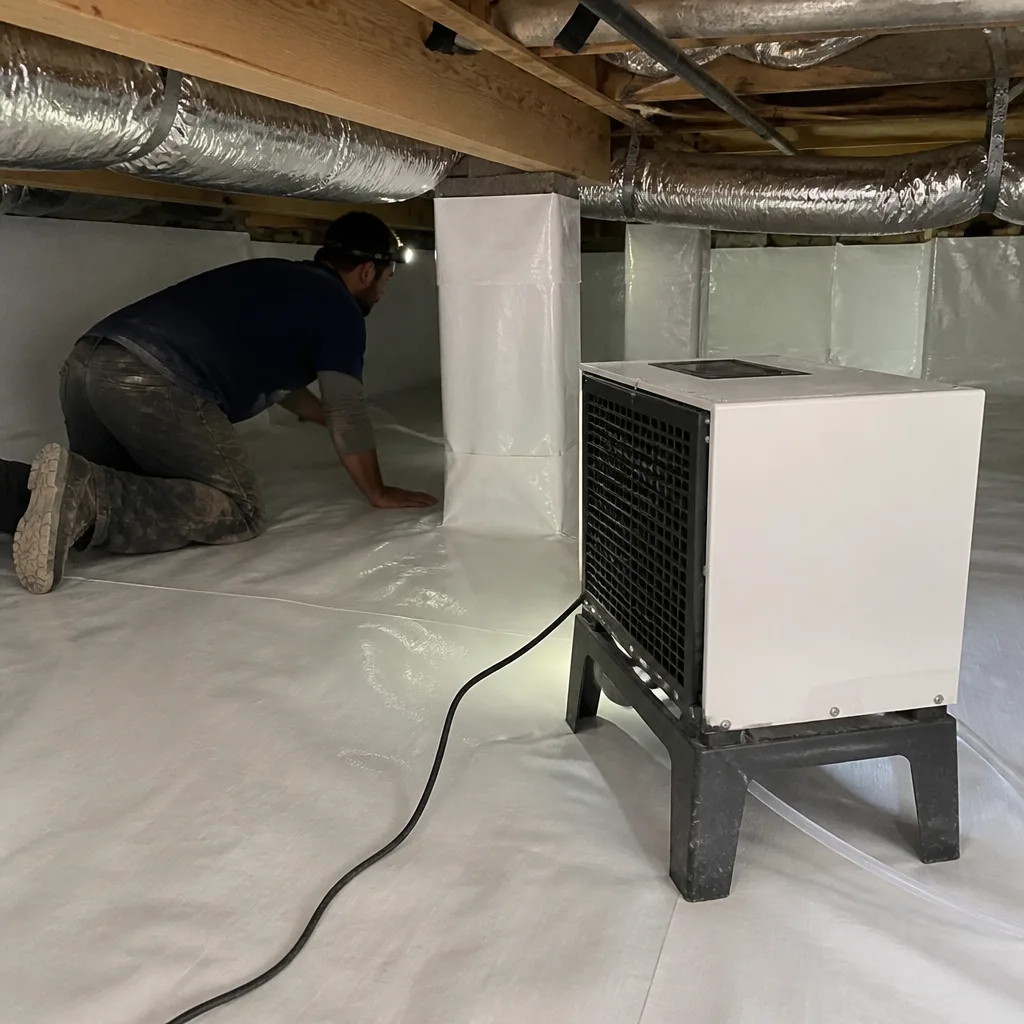
| Crawl space vapor barrier replacement (6-20 mil poly) | $400 - $1,100 | Heavier mil required under Cupertino’s 2020 building standards for new installs |
| Crawl space full encapsulation | $3,500 - $7,500 | Includes conditioned air supply, sealed vents, and drainage considerations |
| Rodent-contaminated insulation surcharge | $200 - $600 | Common in Monta Vista and the De Anza foothills zone; includes HEPA-rated vacuum protocol |
| Vermiculite / asbestos-suspect material testing | $150 - $350 | Pre-1980 homes in Rancho Rinconada; third-party lab; required before disturbing material |
| Before-and-after blower-door test (included on applicable jobs) | Included | Published with the job record - not a separate line item at Envelope Insulation Co. |
What Pushes the Price Up
The single biggest variable on removal jobs in Cupertino is what we find once the hatch opens. Homes built in the 1960s and 1970s in neighborhoods like Rancho Rinconada and the older tracts near Stelling Road often have 10-14 inches of settled blown-in mixed with vermiculite or deteriorating kraft-faced batts. That material is dense, fragile, and slow to extract. A 1,600 sq ft attic that should take a four-hour vacuum run can stretch to seven or eight when the original insulation is compacted that hard. That adds labor, and labor in Santa Clara County carries a real cost.
Rodent intrusion is the second major escalator. We see it regularly in homes along the Foothill Expressway corridor and in some of the ranch-style homes near Cupertino’s western edge where rooflines and mature oak canopy give wildlife a close approach. When droppings are present throughout the insulation layer, the work becomes a biohazard protocol job: double-bag containment, HEPA-rated vacuum equipment, and disposal in sealed drums. The premium for that protocol runs $200 to $600 over a clean-material removal.
What Pulls the Price Down
Newer construction - say, the townhome clusters near Vallco Parkway built after 2005 - tends to be cleaner, with accessible attic hatches, no contamination, and lighter original insulation that vacuums faster. Straightforward attic-only replacements in those homes regularly come in under $2,600 complete. Combining attic and crawl space work in a single visit also avoids the trip and setup charges you’d pay if you booked them separately.
What Affects Insulation Removal & Replacement Pricing in Cupertino
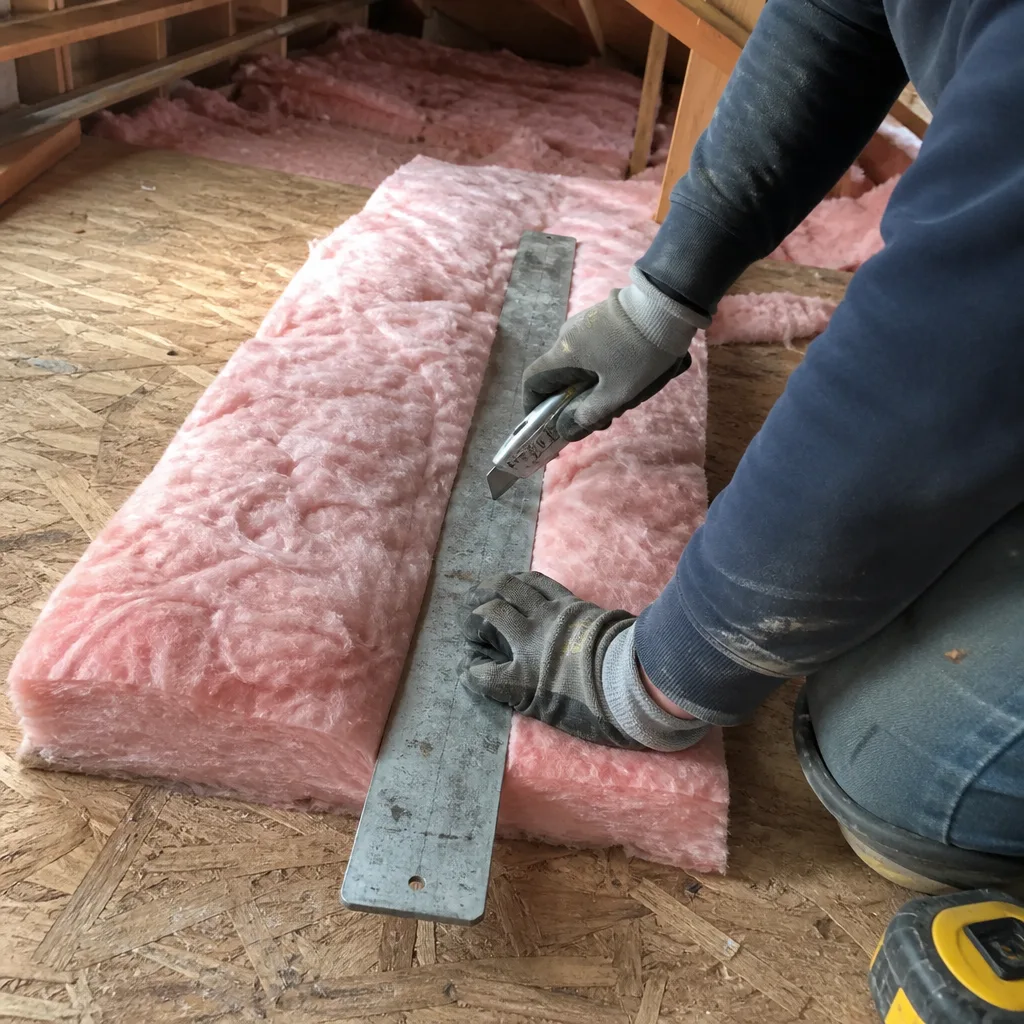
- Attic square footage and access: Attic floor area sets the base cost for both removal and reinstallation. A 2,400 sq ft home with a full attic runs more than a 1,400 sq ft Eichler-style home where half the “attic” is two feet of clearance. Tight knee-wall areas and blocked ridge lines add time regardless of square footage.
- Condition and type of existing insulation: Loose-fill cellulose that has absorbed moisture in Cupertino’s coastal-influenced winters packs down and bags slowly. Fiberglass batts that have been walked on or compressed by HVAC equipment take longer to extract than undisturbed blown-in. Contaminated material - mold, rodents, or suspect vermiculite - requires special handling that adds both time and disposal cost.
- Air sealing scope required before re-insulation: Envelope Insulation Co. will not blow new insulation over an unsealed attic floor. Air sealing of top plates, can lights, and utility penetrations happens first, always. In homes built before 1990 in Cupertino, the number of penetrations can be substantial - especially where HVAC ducts were retrofit into the attic plane. More penetrations mean more sealing time, which affects price.
- California Title 24 R-value requirements: Cupertino sits in Climate Zone 4 under California’s energy code, which targets R-49 to R-60 for attic assemblies. If your current insulation is at R-19 or R-30 (common in pre-2000 homes), bringing it to code on replacement costs more in materials than a simple like-for-like swap. That cost difference is real and we put it in the written scope before work starts.
- Crawl space access and moisture conditions: Cupertino’s soils, particularly in lower-elevation areas near Stevens Creek, can hold moisture through late spring. Crawl spaces in these zones sometimes show standing water or high relative humidity, which means existing vapor barriers are degraded and ground conditions affect how safely and quickly the crew can work. Tight access - less than 18 inches of clearance - also adds labor time regardless of moisture.
- Combined scope vs. attic-only vs. crawl-only: Booking removal and replacement together saves over staging them as two visits. Combining attic and crawl work in a single mobilization also reduces the per-project overhead you’d otherwise pay twice.
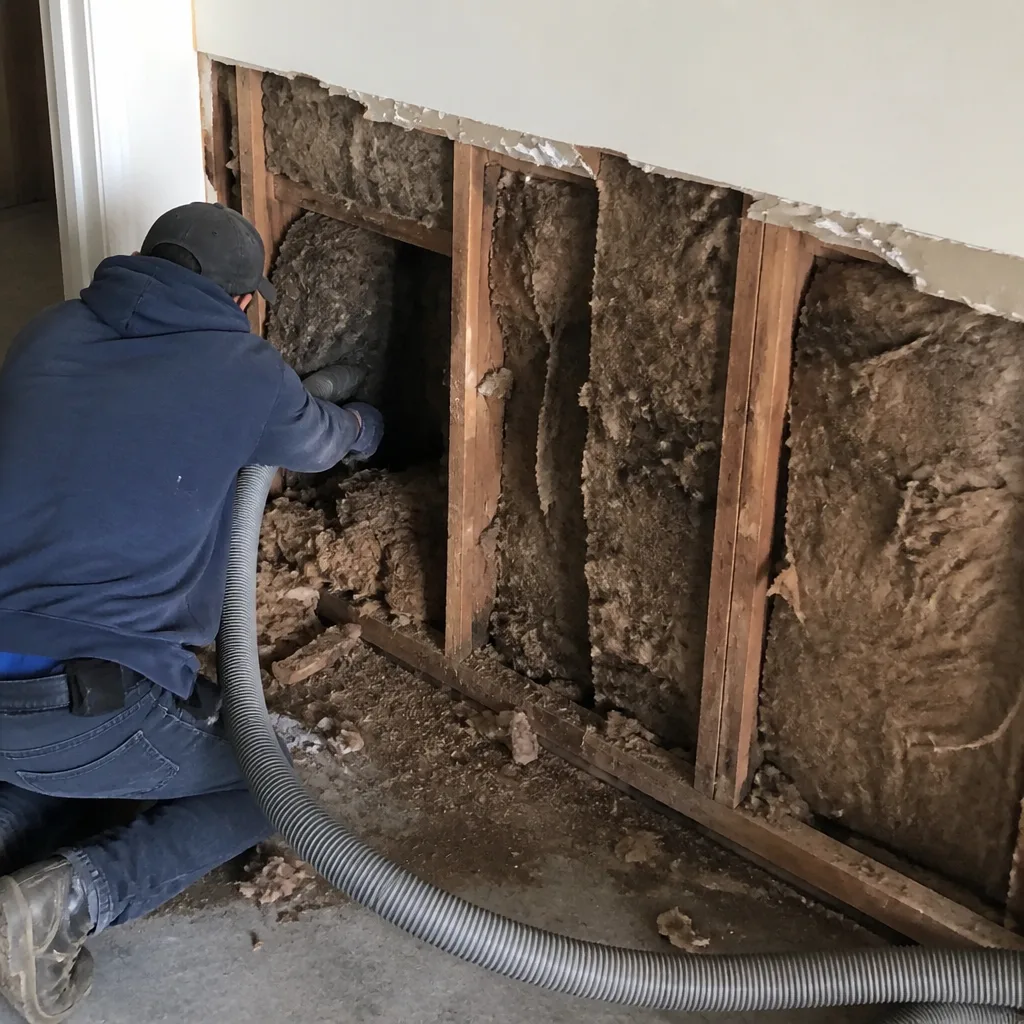 Before
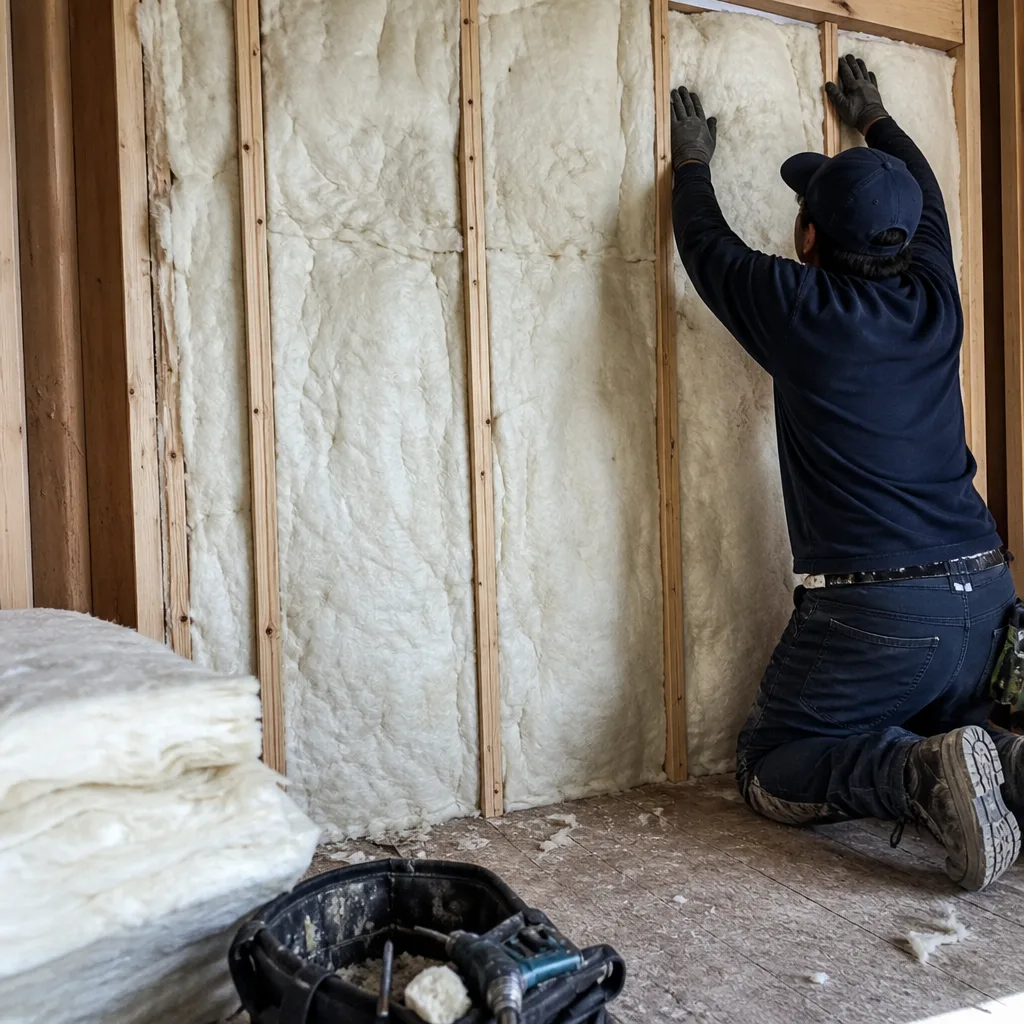 After
AfterCupertino-Specific Factors You Won’t Read on a Generic Pricing Page
Cupertino’s housing stock is not uniform, and that matters when you’re estimating insulation work. The city has at least four distinct construction eras that each come with predictable insulation problems.
The oldest tract homes - 1950s and early 1960s ranchers near Monta Vista High School and along Bubb Road - frequently have original rock wool or early fiberglass that has been in place for 60-plus years. It has settled to less than half its original R-value, often sits below R-10, and in some cases was installed without any vapor barrier at all. Removal is slow; the material is fine-particulate and requires careful containment. Budget toward the upper half of the removal range for these homes.
The 1970s and 1980s subdivisions near De Anza College and the Homestead Road corridor are the generation most likely to have vermiculite in the attic floor, particularly in homes where additions were built or HVAC was retrofitted during that era. We always recommend third-party testing before disturbing any granular gray insulation in pre-1985 homes in Cupertino. The test runs $150 to $350 and can determine whether asbestos abatement is required before we can proceed. We coordinate that process, but we don’t perform abatement ourselves - and any contractor who volunteers to skip testing on a home that age should raise a flag for you.
The tech-era builds from the mid-1990s through early 2000s in areas like the Regatta neighborhood and the cul-de-sacs near Cupertino’s border with Sunnyvale are generally cleaner, but often have HVAC equipment sitting directly on the attic floor with exposed duct connections that become air-sealing targets before re-insulation. In these homes, the air-sealing scope tends to be moderate but not minimal.
Finally, newer Cupertino construction - townhomes and smaller single-family infill built after 2010 near Vallco and along Stevens Creek Boulevard - often has adequate original insulation but may need targeted removal around duct work or after a leak event. These are typically the fastest and least expensive jobs in our service area.
How to Save on Insulation Removal & Replacement in Cupertino
Get the full scope priced in one visit
If your attic and crawl space both need work, price them together. Two separate mobilizations cost more than one. When Wes Okafor’s crew is already on-site with vacuum equipment and a truck, adding the crawl space to the same visit is almost always cheaper than a return trip.
Don’t delay if you have rodent contamination
Contaminated insulation doesn’t stay contained to the insulation layer. Rodents move through top plates and into wall cavities. The longer degraded, contaminated material sits, the larger the remediation scope becomes. Addressing it now - even at a higher upfront cost - consistently costs less than addressing it after a second season of activity. We see this pattern regularly in Monta Vista and the foothills neighborhoods near Cupertino’s western edge.
Request a free second opinion on any written estimate
Under the Haven Standard, Envelope Insulation Co. offers a free second opinion on any written estimate you’ve already received. Bring in a competing quote and we’ll read it with you line by line - scope, materials, and R-value targets - so you know exactly what you’re comparing. You can reach us at (831) 217-8521 to set that up, and you’ll get a named technician, a text when they’re on the way, and a written price before anything else happens.
Ask about California energy rebates before you book
PG&E’s whole-home rebate programs and BayREN incentives both apply in Cupertino and can offset a meaningful portion of attic insulation upgrades when work is paired with air sealing and a qualifying blower-door test. The programs change year to year, so check the current program terms directly with PG&E or ask us to walk you through what was active at the time of your estimate. We include the before-and-after blower-door readings on applicable jobs, which is the documentation these programs typically require.
Schedule during the off-peak window
February through early April tends to be the quietest stretch in our schedule. Lead times are shorter, and it’s the right time of year to button up before Cupertino’s summer heat loads arrive. Attic temperatures in Cupertino homes without adequate insulation routinely hit 140-150°F in July and August, which pushes cooling systems harder than almost anything else on the building envelope. Getting work done before that window is practical planning, not manufactured urgency.
Don’t skip air sealing to lower the bid
We understand the impulse to reduce the scope. But installing new insulation over an unsealed attic floor is the most common reason homeowners call us for a second opinion after another contractor’s work. The insulation is there; the performance gain is not. Blower-door numbers don’t lie: a home re-insulated without air sealing typically shows less than 20% improvement in measured air leakage. A home that was sealed first and then insulated routinely shows 40-60% improvement. That difference shows up in your gas and electric bills every month. Sealing first is how Envelope Insulation Co. has operated on every job since 2016, and it’s not going to change.
What the Job Looks Like From First Call to Final Record
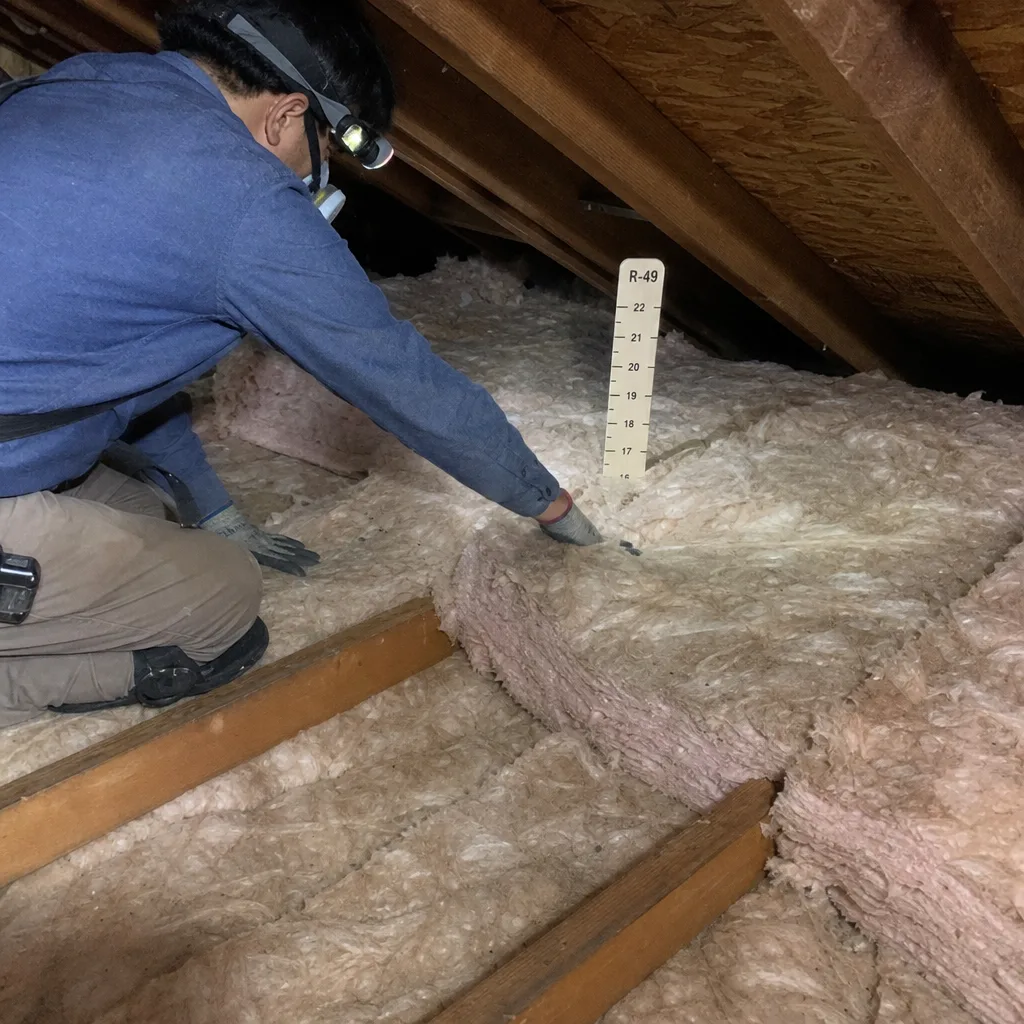
Before we quote anything, we look at the actual attic. A tech shows up - uniformed, background-checked, and identified by name in the text you get when they’re on the way - and does a physical inspection. They photograph what they find. They measure the attic floor area, note the existing insulation type and depth, check for moisture or pest evidence, and document every penetration that needs sealing.
You get a written price from that visit. Flat scope, flat price. Under Haven Standard Clause 1, no work starts without it. If the scope changes mid-job because we found something genuinely unexpected - a hidden section of collapsed duct, say, or a previously unknown attic access panel - we stop, document it, and get written approval before we touch it. No surprises on the invoice.
When the job is done, you receive a Documented Photo Record: before photos, in-progress air sealing photos, and after photos showing installed insulation depth at multiple measurement points. On jobs where air sealing was part of the scope, you also get the blower-door readings - the pressurization number before we started and the number after we finished. That number is the proof that the work performed the way it was supposed to.
The 365-Day Done Right Promise applies from the day the job closes. If something isn’t right, we make it right. That commitment is in writing before anyone starts, because the Haven Standard doesn’t allow for verbal-only assurances.
Materials We Use on Cupertino Jobs
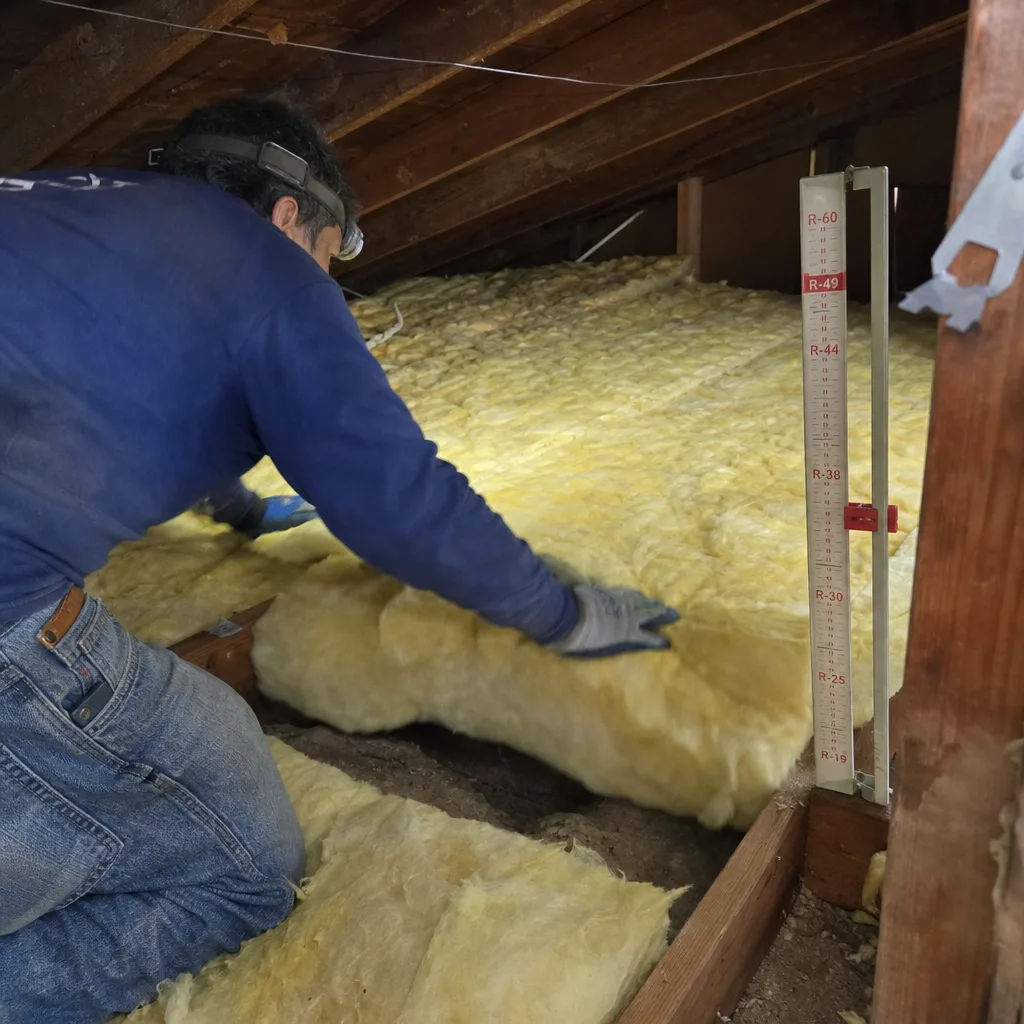
New insulation installed by Envelope Insulation Co. comes from Owens Corning, Johns Manville, Knauf, Rockwool, CertainTeed, Icynene, Demilec, and GreenFiber, depending on the application and the homeowner’s priorities. We don’t have a proprietary product line and we’re not locked into pushing any single brand. If blown-in cellulose from GreenFiber is the right answer for your attic assembly, that’s what goes in. If Rockwool batts make more sense for a specific wall cavity, we’ll say so in the written scope.
For spray foam applications - particularly at the attic deck or rim joists - we draw from Icynene and Demilec products, which are among the more stable performers in Santa Clara County’s mixed-humidity climate. Cupertino’s winters are mild but damp enough that closed-cell foam at specific air-sealing junctions can outperform open-cell in terms of moisture management. We’ll specify which in the written scope and explain why.
FAQs – Insulation Removal & Replacement Cost in Cupertino
How much does insulation removal and replacement cost in Cupertino, CA?
Most Cupertino homes pay between $1,800 and $5,500 for a full attic removal and replacement, with the majority of standard single-family homes in the 1,500-2,200 sq ft range landing between $2,400 and $3,800. That price includes vacuum removal, disposal, air sealing of top plates and penetrations, and new blown insulation to R-49 or R-60 as required by California Title 24 for Climate Zone 4. Crawl space work runs an additional $900 to $2,200 depending on access, moisture conditions, and whether the vapor barrier needs full replacement. Call (831) 217-8521 for a free estimate with a written price from that first visit.
How much does attic insulation removal cost on its own in Cupertino?
Removal alone - vacuum extraction, bagging, and haul-off - typically runs $700 to $1,400 per 1,000 sq ft of attic floor in the Cupertino market. A standard 1,800 sq ft home with a full attic and moderately settled insulation will usually land between $1,100 and $1,800 for removal only. Contaminated material (rodent activity, water damage, or dense-pack settled cellulose) pushes toward the upper end. That removal-only number doesn’t include air sealing or new insulation, so factor those in if you’re planning a full replacement.
Is it cheaper to just add insulation over the old, or remove and replace?
Adding over the top is cheaper on day one but often a false economy. If existing insulation is contaminated, compressed below R-10, or wet, layering new material over it doesn’t fix the underlying problem and can trap moisture. More practically, blowing new insulation over an unsealed attic floor captures a fraction of the air-sealing benefit you’d get by removing first, sealing the plane, and then insulating. The blower-door numbers from jobs where we removed and properly sealed before re-insulating consistently show 40-60% improvements in measured air leakage. Jobs where insulation was added over existing material without sealing typically show under 20%. That difference is real money over five years of energy bills. For most Cupertino homes with insulation that is more than 15 years old, full removal and replacement is the better investment.
Does Cupertino require a permit for insulation removal and replacement?
Standard residential insulation replacement in an existing attic or crawl space does not typically require a building permit in Cupertino under current Santa Clara County code, provided no structural modifications are made and no HVAC system work is included. However, if your project involves spray foam at the roof deck that changes the attic from a vented to an unvented assembly, or if any mechanical work is tied to the insulation scope, a permit may be required. We clarify the permit status for your specific project in the written scope before work begins - you’ll know what applies before any work starts.
How long does insulation removal and replacement take in a typical Cupertino home?
A standard attic removal and replacement on a 1,600-2,000 sq ft Cupertino home takes one full day in most cases, sometimes two if the attic is heavily contaminated or access is very restricted. We rarely need a second day on uncontaminated jobs. Crawl space work on the same property can often be completed the same day if it’s added to the attic scope. Blower-door testing, when included, adds approximately one hour to the job close. You’ll have a completion timeline in writing when you get the job price, so you can plan your day accordingly.
What is the R-value requirement for attic insulation replacement in Cupertino?
Cupertino is in California’s Climate Zone 4. Under the current Title 24 energy code, new attic insulation installs are required to reach a minimum of R-49, and many projects target R-60 for meaningful performance headroom beyond code minimum. Most pre-2000 homes in Cupertino we inspect are sitting at R-11 to R-22 in the attic - well below current requirements. The written scope for every replacement job specifies the target R-value and the material being used to reach it, so there’s no ambiguity about what you’re getting.
Key Takeaways
- Full attic removal and replacement in Cupertino runs $1,800 to $5,500; most homes pay $2,400 to $3,800.
- Removal alone costs roughly $700 to $1,400 per 1,000 sq ft of attic floor.
- Crawl space removal and re-insulation adds $900 to $2,200 depending on access and vapor barrier condition.
- Air sealing is a prerequisite at Envelope Insulation Co. - it happens before any new insulation is blown, every time, on every job.
- Cupertino’s Climate Zone 4 requires R-49 to R-60 for replacement attic insulation under Title 24.
- Pre-1985 homes with granular gray attic insulation should be tested for vermiculite/asbestos before any disturbance.
- Every job includes a written price before work starts, a Documented Photo Record when work closes, and a 365-Day Done Right Promise in writing.
- Before-and-after blower-door numbers are included on applicable jobs - published, not available on request.
Get a Written Price for Your Cupertino Home
If you’re researching insulation removal and replacement in Cupertino, the most useful next step is a real inspection and a written number. Wes Okafor leads every job under the same standard: a technician shows up on time, photographs what they find, and hands you a flat written price before anyone starts work. That’s Haven Standard Clause 1, and it’s how every single one of the 9,000-plus homes Envelope Insulation Co. has worked on since 2016 has been handled.
If you already have a written estimate from another contractor, bring it. The free second opinion offer is real: we’ll read it with you line by line, flag anything that looks missing or underscoped, and let you decide. No pressure in either direction.
For more on what the full service covers, visit our Insulation Removal & Replacement in Cupertino service page, or go back to the home page to see the full range of building-envelope services we offer across the South Bay.
To schedule a free estimate, call (831) 217-8521. A live person answers - no voicemail loop, no callback window measured in business days.
Pricing reflects the Cupertino market as of 2026. Written by Wes Okafor, Owner at Envelope Insulation Co., serving Cupertino since 2016. Topside Attic Insulation Cupertino offers free estimates - call (831) 217-8521.
What Our Customers Say
"They photographed rodent damage in the old insulation that we had no idea about, and priced the exclusion work separately so we could decide."
- Harriet N."Two other companies quoted to blow more insulation on top of what was there. These were the only ones who said the existing material had to come out first, and explained why."
- Clifford E."Crawl space encapsulation done properly. Photographs of the vapour barrier at every seam, and the damp smell in the hallway is gone."
- Ainsley P.