
Rockwool Spray Foam Insulation in Cupertino: What to Know First
We provide independent Rockwool spray foam insulation in Cupertino, typically scheduling diagnostic visits within 24-48 hours and completing most jobs same-day once the written scope is approved. Most Rockwool-to-spray-foam retrofits in Cupertino run between $2,800 and $6,400 depending on cavity accessibility and whether we’re treating open-cell or closed-cell foam. This page is for homeowners who already have Rockwool batts or boards in their walls, attic, or rim joists and need spray foam added or substituted for air-sealing performance, moisture control, or thermal bridging remediation. Call (831) 217-8521 for a free estimate with a written price before any work starts.
How Rockwool Products Fail - and How We Fix Them
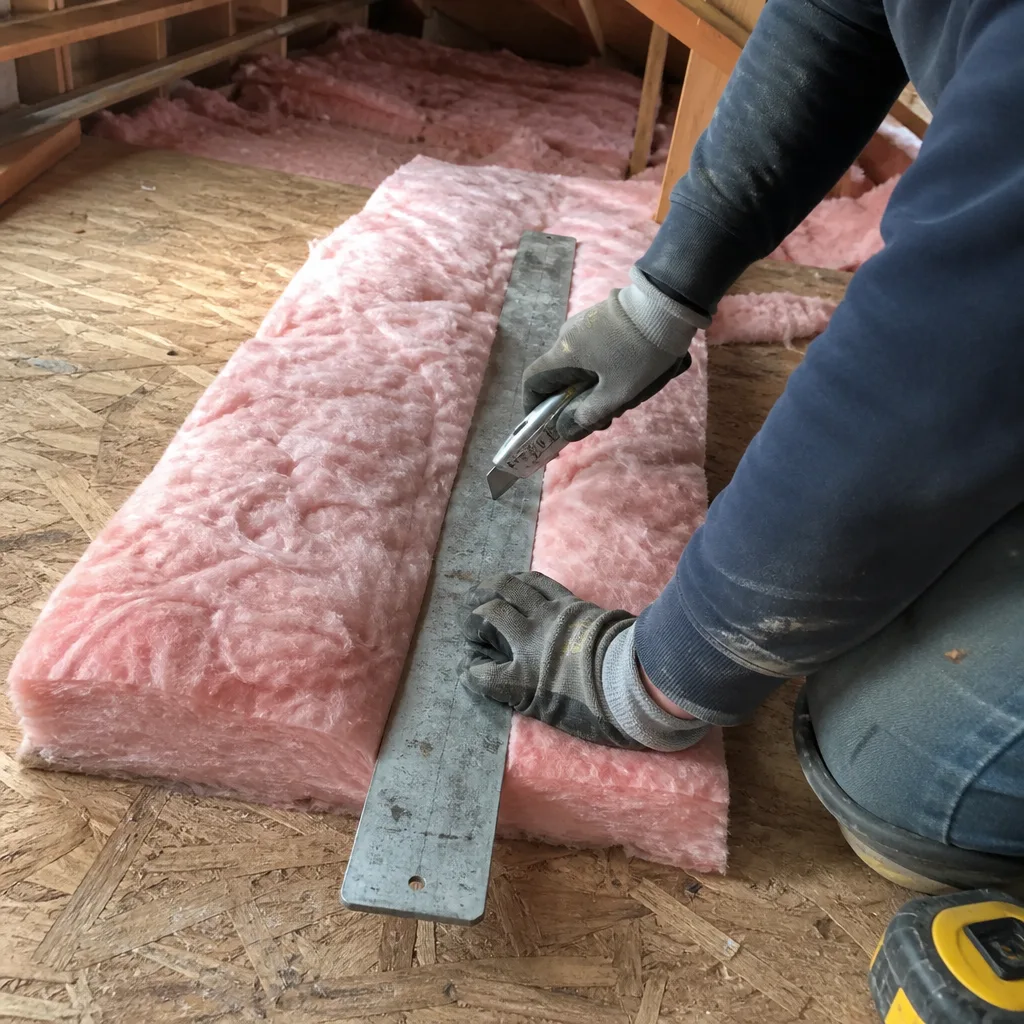
- Rockwool Comfortbatt compression in stud bays. The 3.5-inch batts are often jammed into 2×6 walls during retrofits, collapsing the fiber structure and dropping the labeled R-23 to an effective R-15 or lower. We remove the compressed batts, air-seal the bay with closed-cell spray foam to the proper depth, then verify with infrared imaging that no thermal bypass remains.
- Rockwool Comfortboard 80 thermal bridging at rim joists. The rigid boards stop air well but don’t conform to the irregular sill-to-foundation joint in older Cupertino split-levels, leaving gaps where conditioned air meets the crawl space. We cut back the board where it’s bridging cold, then fill the cavity with closed-cell spray foam to create a continuous air barrier at the foundation perimeter.
- Rockwool AFB (Acoustical Fire Batts) sagging in floor assemblies. The higher-density AFB is hung with friction fit in floor joist bays, but Cupertino’s seasonal humidity swings loosen the grip over 5-7 years, creating a 2-3-inch gap at the subfloor. We secure the batt with mechanical fasteners or remove it and transition to open-cell spray foam, which adheres directly to the subfloor and won’t shift.
- Rockwool Safe ‘n’ Sound in garage ceiling assemblies. This batt is rated for fire and acoustics, not thermal performance, yet it’s often the only insulation above a conditioned room. The result is a garage ceiling that meets fire code but bleeds heat through the unsealed top plates. We leave the Safe ‘n’ Sound in place where code requires it, then layer open-cell spray foam above for thermal continuity and blower-door-verified air sealing.
- Rockwool cavity fill incomplete at electrical penetrations. Electricians in 1970s Cupertino tract homes cut batts to fit around boxes rather than sealing first, creating a chimney effect at every switch and outlet. We pull the compromised batts, seal the penetration with acoustic sealant and backer rod, then spray foam the cavity to eliminate the stack effect that drives winter heat loss in Rancho Rinconada homes.
Our Rockwool Spray Foam Insulation Process
- 1
Diagnostic and blower-door test. We pressurize the house to 50 pascals and record the CFM50 baseline - the number that tells us how much air the envelope is losing before we touch anything.
- 2
Written scope and price. Under Haven Standard Clause 1, you get a flat price, written scope, and written warranty before anyone lifts a tool. No work starts without it.
- 3
Air sealing before insulation. We seal top plates, can lights, and all penetrations first. Seal the leaks first. Insulation covers problems; it does not fix them.
- 4
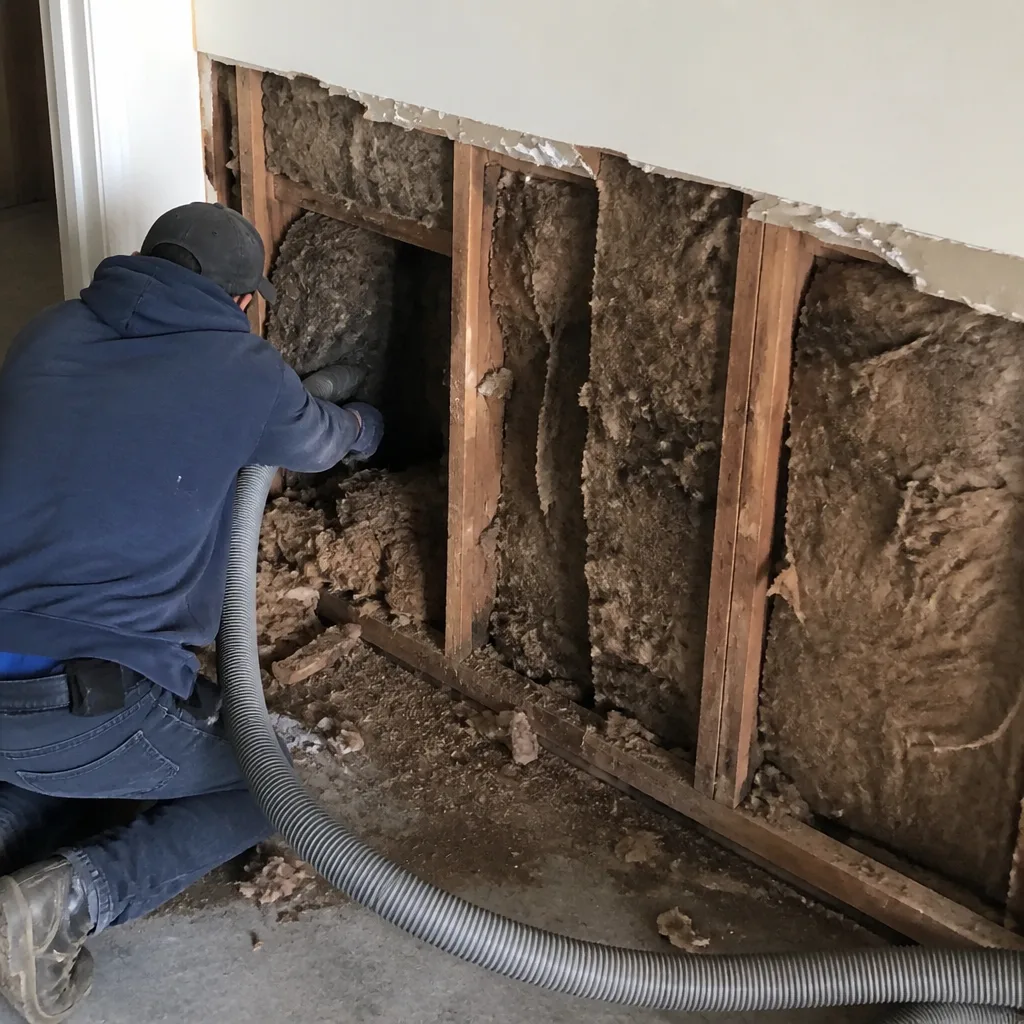
Rockwool removal or retention decision. We determine whether to remove the existing Rockwool product or work around it based on condition, code requirements, and the target R-value. OEM-equivalent materials or quality aftermarket alternatives are specified in writing.
- 5
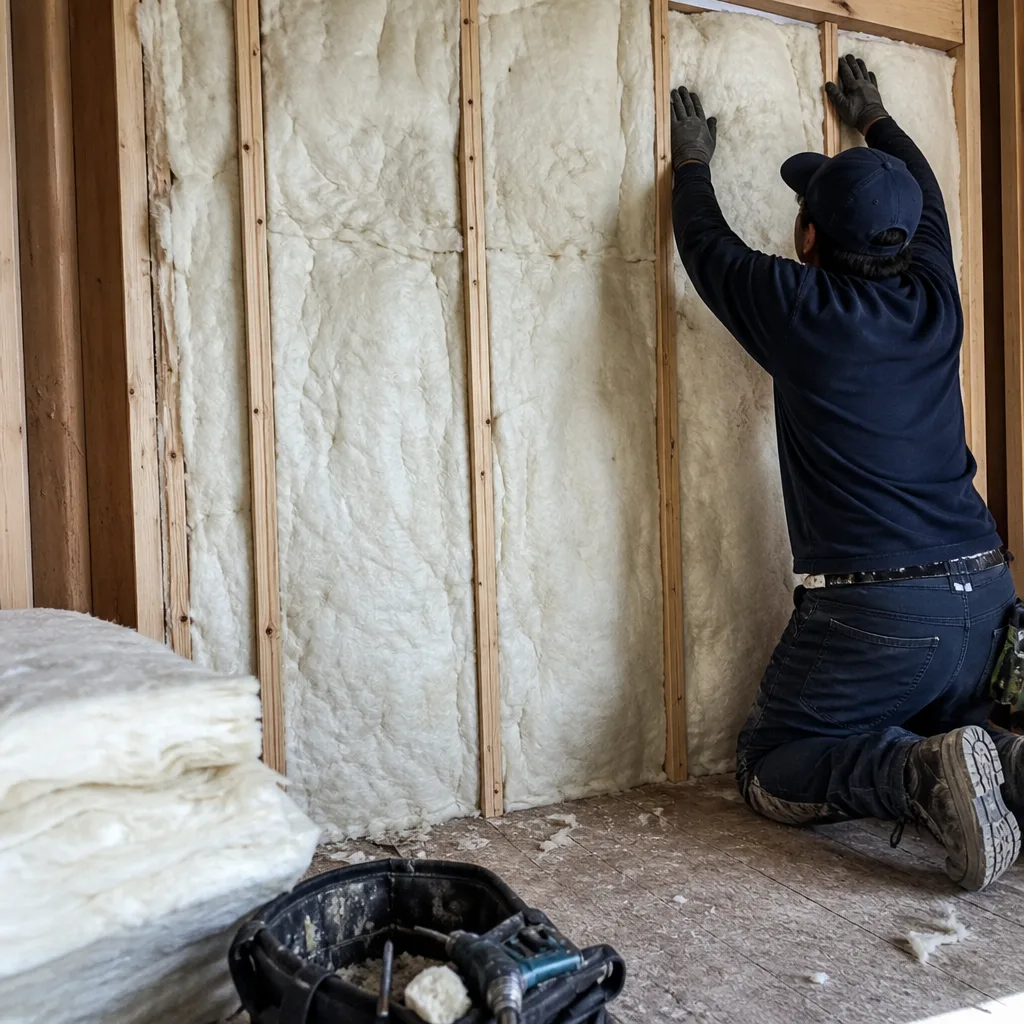
Spray foam application and verification. Open-cell or closed-cell foam is applied to manufacturer specifications, then we run a post-application blower-door test and provide the before-and-after ACH50 number documenting the actual improvement.
- 6
Documented Photo Record and closeout. You receive photos of every stage, the blower-door readings, and the completed warranty paperwork before the crew leaves.
 Before
 After
AfterWhat Rockwool Spray Foam Insulation Costs in Cupertino
Most Rockwool-to-spray-foam jobs in Cupertino fall in these ranges:
| Garage ceiling retrofit (Safe ‘n’ Sound + open-cell overlay) | $2,800 - $4,200 |
| Rim joist closed-cell replacement (Comfortboard removal) | $3,400 - $5,100 |
| Attic floor open-cell over Comfortbatt (batts retained) | $4,200 - $6,400 |
| Full cavity removal and closed-cell replacement | $5,800 - $9,200 |
Price moves with cavity depth, access difficulty (crawl space height, attic pitch), and whether we’re working around existing Rockwool or removing it entirely. Homes in the Cupertino foothills with the original 1960s bypasses at interior wall plates take longer to seal properly than newer construction near Main Street. Every estimate is free, written, and fixed before work begins. Call (831) 217-8521 to schedule.
Why Cupertino Homeowners Call Topside Attic Insulation Cupertino for Rockwool Work
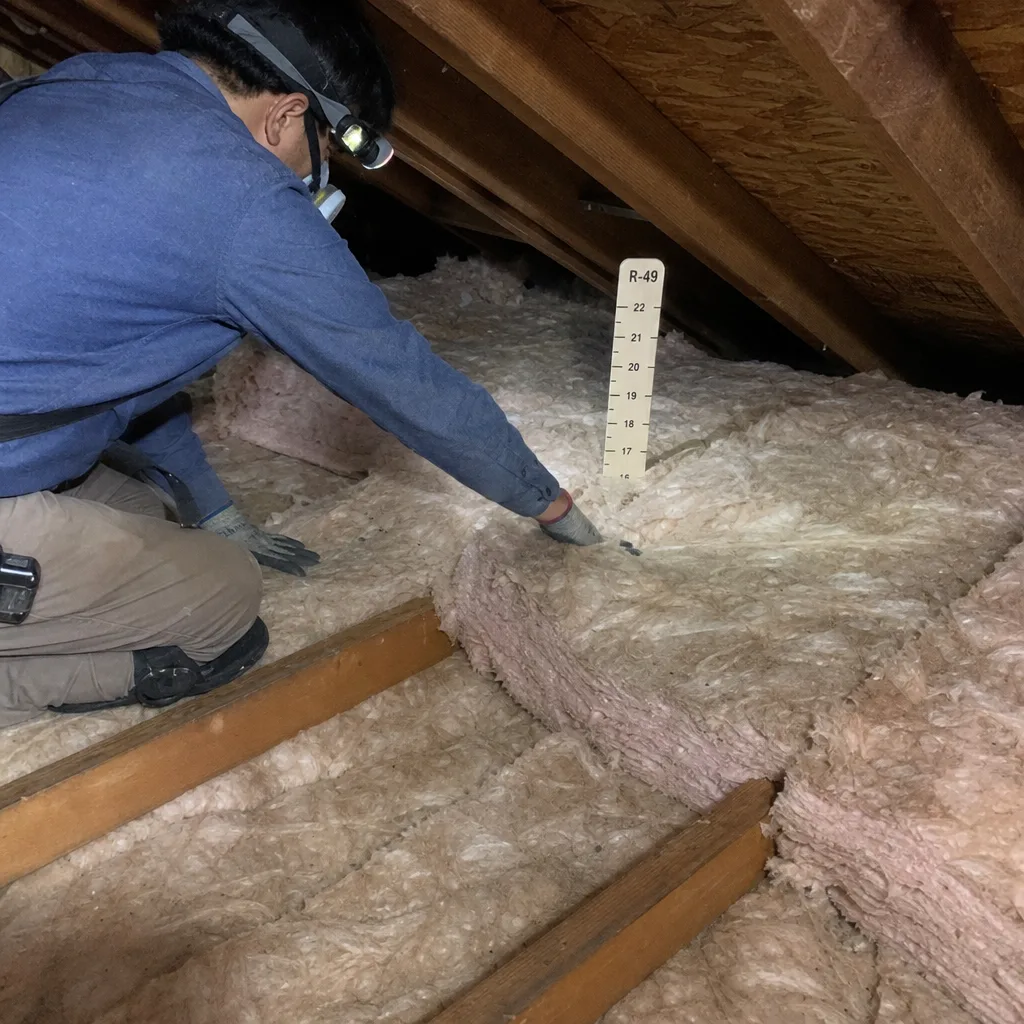
We’ve completed jobs from tract homes near Rancho Rinconada to older split-levels backing up to the Cupertino foothills, the kind of houses where the original attic bypasses were never sealed before the blown-in cellulose went down. Our crew knows the Rockwool product line specifically - which batts can stay, which boards must come out, where the fire-rated assemblies limit our options. The 365-Day Done Right Promise applies to every job, and we publish before-and-after blower-door numbers so the improvement is documented, not just described. We also service Reflectix and other brands, so we’re not pushing a single product line. Calls are answered by a live person 24/7, and Wes Okafor reviews every written scope before it goes out.
FAQs
Rockwool’s warranty covers product defect, not installation modification. As an independent Rockwool service provider, we document the condition of existing batts or boards with photos before alteration, and our 365-Day Done Right Promise covers the workmanship of the spray foam application itself. Call (831) 217-8521 if you have warranty paperwork you’d like us to review with you.
Spray foam requires an ignition barrier or thermal barrier to meet code in occupied spaces, which Rockwool batts often provide inherently. We specify the barrier requirement in the written scope before work starts, and we retain Rockwool products where they serve a code-required fire separation that spray foam cannot replace alone.
Repair is cheaper short-term if the batts are dry, uncompressed, and properly fitted. Replacement makes sense when the Rockwool is sagging, moisture-damaged, or installed over unsealed bypasses - the labor to remove, seal, and reinstall properly often exceeds the cost to transition to spray foam with better air-sealing performance. We quote both paths when both are viable.
Most jobs are completed in one day once the written scope is approved. Diagnostic visits are typically scheduled within 24-48 hours. Same-day completion depends on cavity accessibility and whether we need to coordinate ignition barrier inspection; we tell you the realistic timeline in the written scope, not after we start.
We use OEM Rockwool products where they remain available and appropriate to the assembly. For transitions to spray foam, we specify the foam brand and density in writing - typically Demilec or Icynene for open-cell, and a specified closed-cell product for moisture-critical applications like rim joists. No proprietary lock-in; the written scope names every material.
Written by Wes Okafor, Owner, Topside Attic Insulation Cupertino at Topside Attic Insulation Cupertino, serving Cupertino and nearby areas.