
Icynene Insulation Removal & Replacement in Cupertino: What to Know First
We provide independent Icynene insulation removal and replacement in Cupertino, typically completing attic jobs in one to two days with crews that know the difference between Icynene Classic Plus and Icynene ProSeal LE failure patterns. Most homeowners receive a written price the same day we inspect, and we do not start work without a signed scope and flat price in hand. This page is for Cupertino homeowners who have Icynene spray foam or open-cell insulation that has degraded, been contaminated, or was installed over an unsealed attic floor and now needs complete removal and replacement. Call (831) 217-8521 to schedule an inspection or bring us a competing estimate for a free second opinion.
How Icynene Products Fail - and How We Fix Them
- Icynene Classic Plus (open-cell) - moisture saturation in Cupertino’s winter damp. Classic Plus is hydrophilic, meaning it holds water rather than shedding it. In Cupertino homes near the Stevens Creek corridor, where fog lingers longer than in drier Santa Clara Valley floors, we’ve pulled saturated Classic Plus that dropped from R-21 to below R-10. We remove it completely, dry the substrate with forced air and desiccant, seal all top plates and can-light penetrations, then replace with a closed-cell or properly vented open-cell system.
- Icynene ProSeal LE (low-emissivity closed-cell) - delamination from temperature cycling. The Cupertino foothills see wider daily temperature swings than the flatlands, 40°F+ in shoulder seasons. ProSeal LE can pull away from roof decks when the substrate wasn’t primed to Icynene’s specified dew-point temperature, or when the installer rushed the pass thickness. We cut out delaminated sections, recondition the deck surface, and reinstall to OEM pass schedules.
- Icynene MD-R-200 (medium-density retrofit foam) - rodent nesting and waste contamination. MD-R-200’s cell structure is dense enough to hold shape but open enough at cut edges to invite tunneling. In Rancho Rinconada and other Cupertino neighborhoods with mature oak canopy, roof rat access is routine. We remove contaminated foam in controlled sections, HEPA-vacuum the cavity, install rodent-proofing at all penetration points, then replace with fresh MD-R-200 or an alternative spec’d to the cavity depth.
- Icynene Classic Max (high-yield open-cell) - overspray and compression in tight attic kneewalls. Classic Max expands aggressively, and installers working fast in Cupertino’s compact 1960s split-levels sometimes fill kneewall cavities beyond their designed density. The result is thermal drift and, in some cases, pressure on drywall. We extract the compressed material, reframe or shim where needed, and reinstall at the correct yield rate with density checks every 100 board feet.
- Icynene spray foam installed pre-2015 - chemical off-gassing and amine blush. Early Icynene formulations, especially batches applied before the 2015 HFO transition, can develop a surface film of amine blush that traps VOCs and creates a persistent odor. We’ve handled this in older Cupertino Eichlers and ranch-style homes where the original foam was left exposed. We remove the affected foam, neutralize the substrate, and replace with current-formulation Icynene or an equivalent spec from Johns Manville or Demilec.
Our Icynene Insulation Removal & Replacement Process
- 1
Inspection and blower-door baseline. We pressurize the house to 50 pascals and record the CFM50 reading, then inspect the Icynene with moisture meters, thermal imaging, and core samples where contamination is suspected. You get the number before we start.
- 2
Written scope and flat price. Under Haven Standard Clause 1, we deliver a written price, scope, and warranty before any work starts. No exceptions. This includes our parts recommendation: OEM Icynene when the remaining system is under warranty and must match, quality aftermarket from Demilec or Johns Manville when the job is a full replacement and compatibility is not a constraint.
- 3
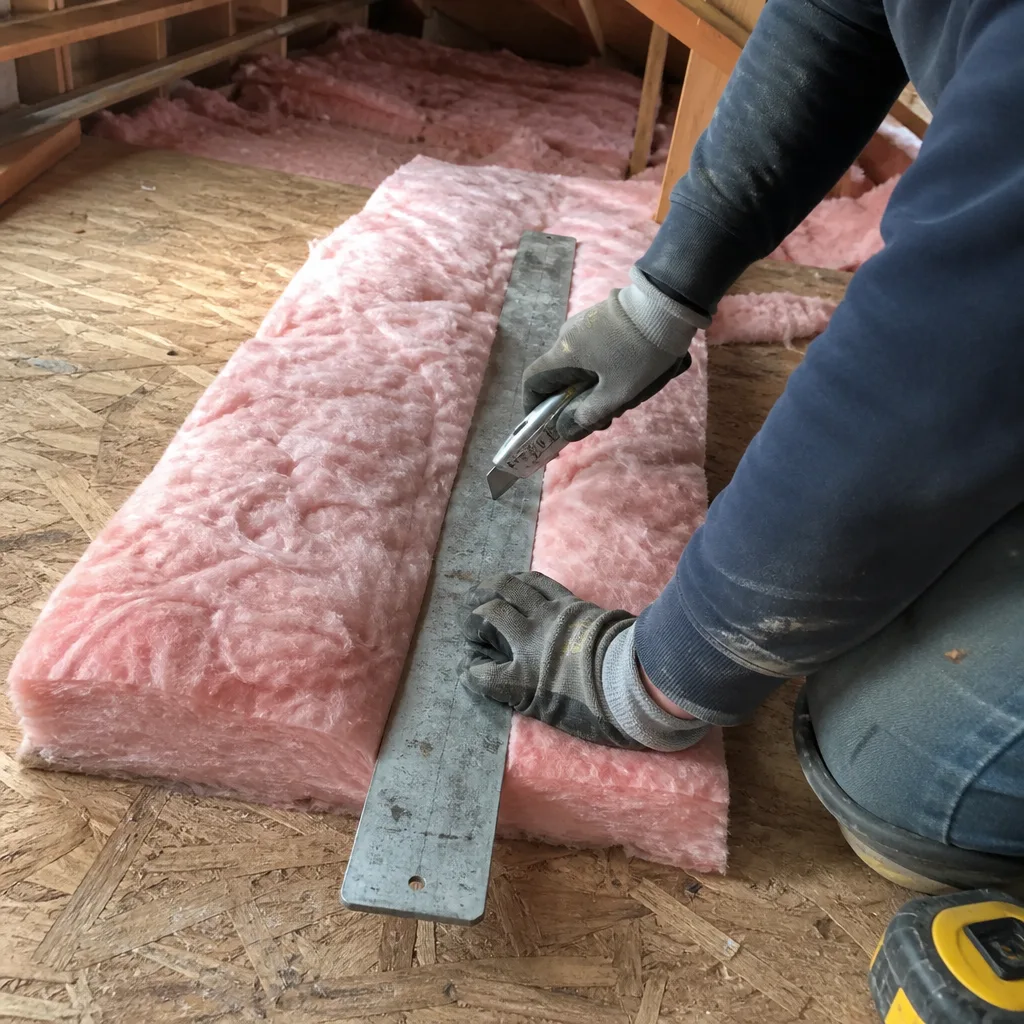
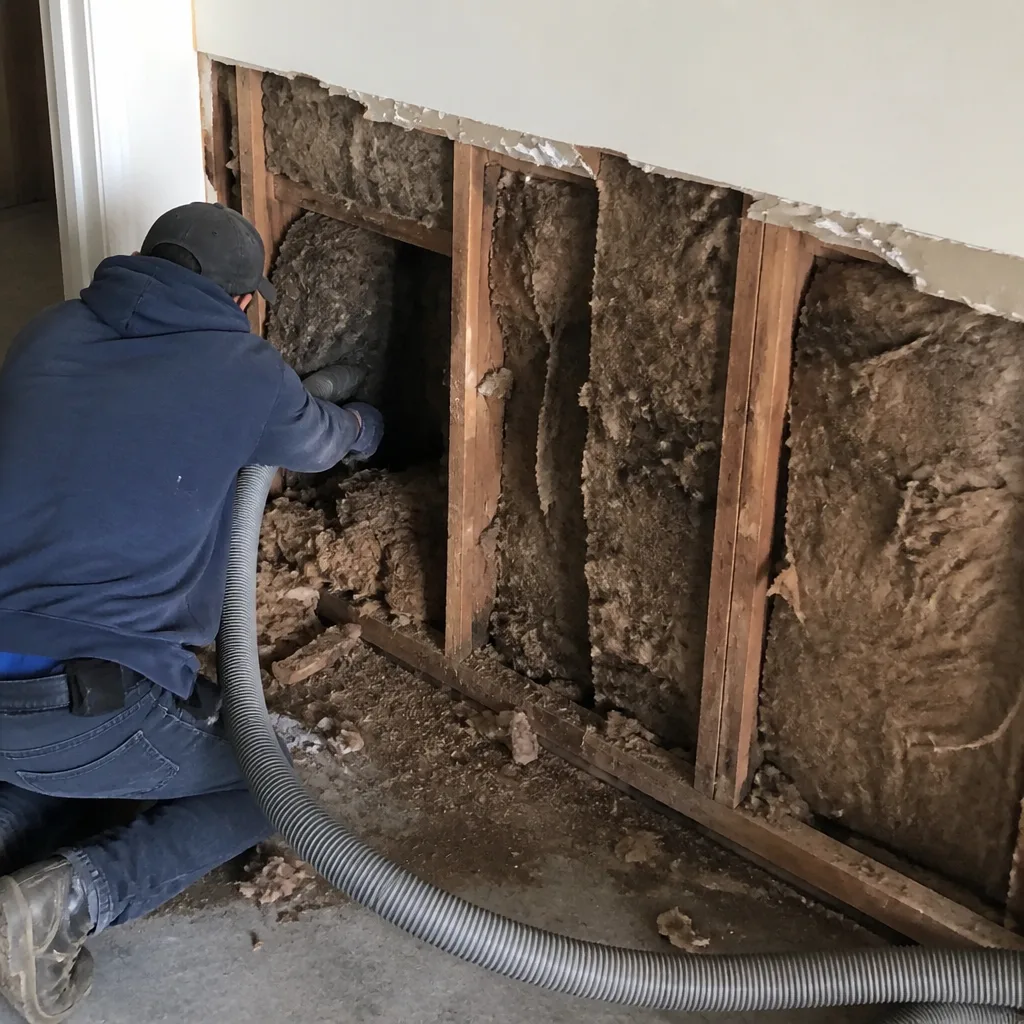
Controlled removal and containment. We isolate the work zone with negative air pressure, run HEPA filtration, and remove Icynene by type, Classic Plus by wet-scraping, closed-cell by cutting and prying, always bagging on-site to avoid cross-contamination.
- 4
Substrate repair and air sealing. Seal the leaks first. Insulation covers problems; it does not fix them. We seal top plates, electrical penetrations, chimney chases, and attic hatches, then run a mid-job blower-door to verify the reduction before new insulation goes in.
- 5
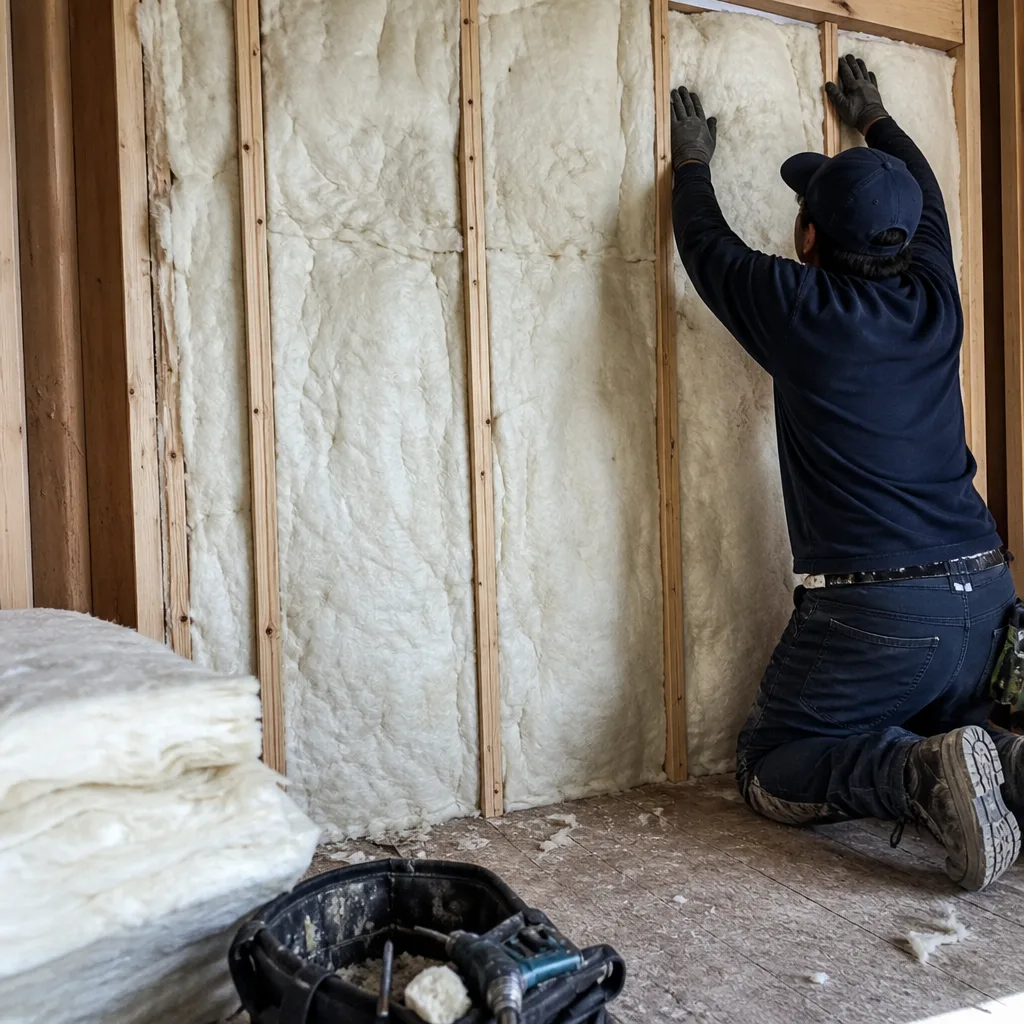
Replacement installation and density verification. New Icynene or specified alternative is installed to OEM pass thickness and yield rates. We pull core samples and weigh them for density confirmation on closed-cell jobs.
- 6
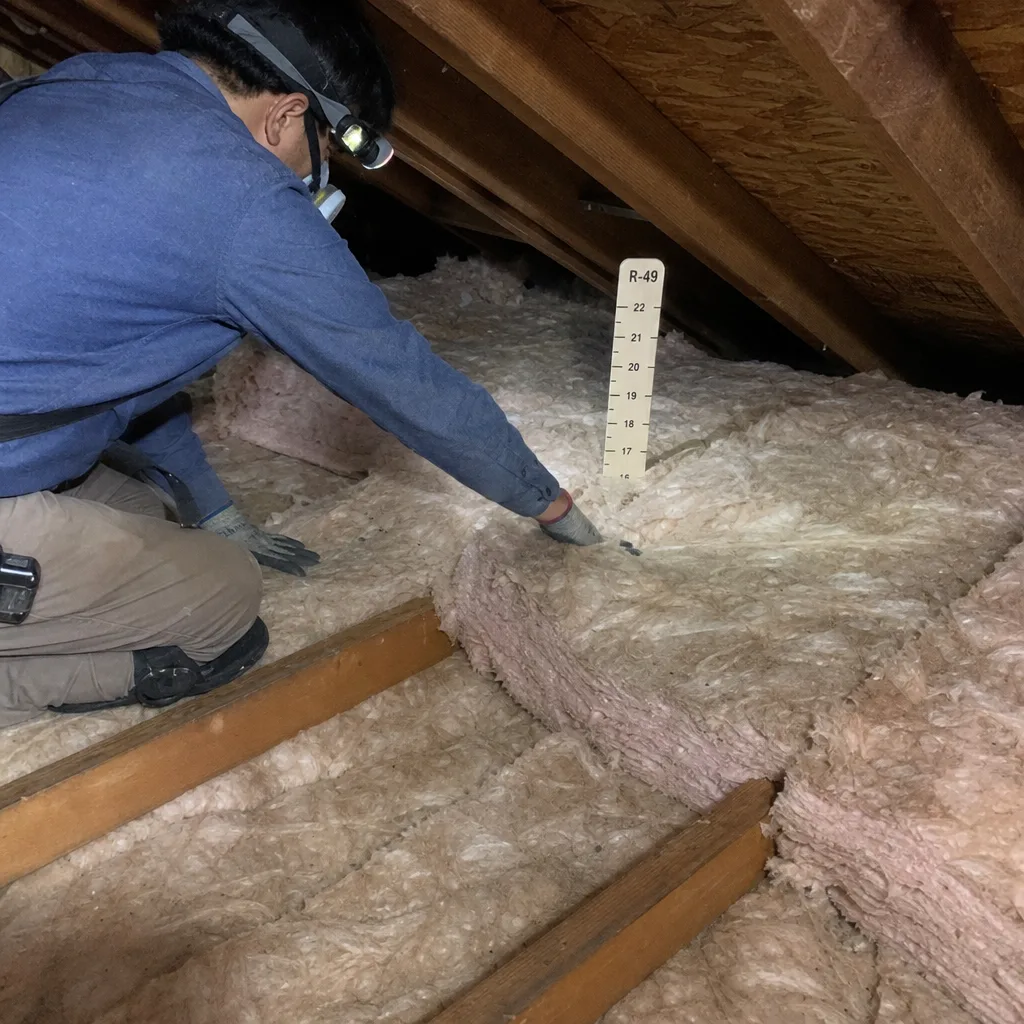
Final blower-door test, photo record, and documentation. We pressurize again, record the post-work CFM50 and ACH50, and deliver your Documented Photo Record with before-and-after numbers. The 365-Day Done Right Promise begins when you sign the completion.
 Before
 After
AfterWhat Icynene Insulation Removal & Replacement Costs in Cupertino
Most Icynene removal and replacement jobs in Cupertino run between $4,200 and $8,500 for a typical 1,400 to 2,200 square foot home, with full attic jobs at the higher end and partial removals, kneewall or contamination-only, at the lower. What moves the price: whether the Icynene is open-cell, easier to remove, or closed-cell, which requires cutting and prying; the extent of air sealing needed before replacement; contamination level, rodent waste requires PPE and disposal protocols that clean jobs don’t; and roof deck access, some Cupertino hillside homes have attic clearances below 36 inches that slow removal significantly. We do not quote by phone; we inspect, measure, and deliver a written flat price. Bring us any competing written estimate and we’ll review it with you at no charge. Call (831) 217-8521 to schedule.
Why Cupertino Homeowners Call Topside Attic Insulation Cupertino for Icynene Work
We’ve completed jobs from tract homes near Rancho Rinconada to older split-levels backing up to the Cupertino foothills, the kind of houses where the original attic bypasses were never sealed before the blown-in cellulose went down. Wes Okafor and our crew know Icynene’s product line specifically, not generically, we can tell you why ProSeal LE delaminates and Classic Plus saturates without reading a manual. Our 365-Day Done Right Promise applies to every job, backed by a written scope and warranty delivered before anyone lifts a tool. We also service Reflectix and other brands, so if your home has mixed insulation systems, we don’t subcontract or guess. Calls are answered by a live person 24/7, and your technician arrives uniformed, background-checked, and named in a text when they’re on the way.
FAQs
Removing Icynene yourself or with an unauthorized installer can void any remaining warranty, but as an independent Icynene service provider, we document the original installation date, batch where traceable, and removal cause to preserve warranty claims when the failure is material-related. If your Icynene was installed by an Icynene-licensed dealer and failed within the warranty term, we help you file the claim before we start, so the replacement may be covered. Call (831) 217-8521 and we’ll check your warranty status during the inspection.
Most residential jobs in Cupertino take one to two days, with an additional drying day if the substrate was moisture-compromised. We do not rush the air-sealing phase to hit a schedule; the mid-job blower-door test determines when we’re ready for insulation, not the clock. You’ll know the timeline in writing before work starts.
Partial repair is cheaper only when the failure is isolated, a single wet zone in Classic Plus, one delaminated ProSeal LE panel. If the Icynene is pre-2015 formulation, has multiple contamination points, or was installed over an unsealed floor, partial repair usually fails within two years because the surrounding material continues to degrade. We show you the thermal imaging and moisture readings so you can see the boundary between sound and failed foam, then decide on scope with a real number attached.
We can match current Icynene formulations when the original product is still manufactured and the remaining foam is compatible. Classic Plus to Classic Plus, ProSeal LE to ProSeal LE. For discontinued lines, we spec the closest equivalent from Icynene, Demilec, or Johns Manville and document the substitution in your warranty packet. We do not guess at compatibility; we test a small bond sample in an inconspicuous area when matching is critical.
For most jobs, no. We contain the work zone with negative pressure and HEPA filtration, and the reinstallation phase uses current low-VOC formulations that cure within hours. If your original foam is pre-2015 and showing amine blush, we may recommend vacating for 24 hours after removal and during substrate neutralization, as a precaution. We tell you this in the written scope, not as a surprise on day one.
Written by Wes Okafor, Owner, Topside Attic Insulation Cupertino at Topside Attic Insulation Cupertino, serving Cupertino and nearby areas.