
GreenFiber Vapor Barrier Installation: The Cupertino Owner’s Guide
GreenFiber vapor barrier installation in Cupertino typically runs $1,800-$3,400 for a full crawl space or attic application, depending on square footage and whether we’re laying it over bare soil or removing degraded material first. We stock GreenFiber-compatible 6-mil and 10-mil reinforced polyethylene barriers on every truck, and most Cupertino jobs are completed same-day once the crawl space is prepped and air-sealed. Homeowners usually discover the problem during a home sale inspection, when a musty smell won’t quit, or after spotting condensation droplets on the underside of their existing barrier - the plastic has either torn at penetration points, pulled away from the walls, or was never properly sealed at the seams in the first place.
Which GreenFiber Models This Applies To
GreenFiber does not manufacture vapor barriers directly; instead, their building envelope systems specify compatible vapor retarder and barrier assemblies for use beneath their cellulose insulation products. If your Cupertino home was insulated with GreenFiber cellulose - typically the Sanctuary line for attics or the Low Dust formula for retrofits - the vapor barrier below it needs to meet ASTM E1745 Class A standards for soil-contact applications, or Class C minimum for wall and ceiling assemblies.
We identify the right specification by checking three things: the existing barrier’s mil thickness (6-mil is standard for crawl spaces, 10-mil for high-traffic or rodent-prone areas), whether it’s reinforced with a woven scrim layer (GreenFiber-compatible jobs in older Cupertino split-levels near Rancho Rinconada often need this for durability), and the seam tape residue pattern, which tells us whether the original installer used pressure-sensitive acrylic tape or the butyl-based tape that holds up better in our clay-heavy Cupertino soil conditions. We source from the same suppliers that stock GreenFiber-specified materials - no proprietary lock-in, just the right polyethylene for the assembly.
Signs Your GreenFiber Vapor Barrier Installation Is Failing
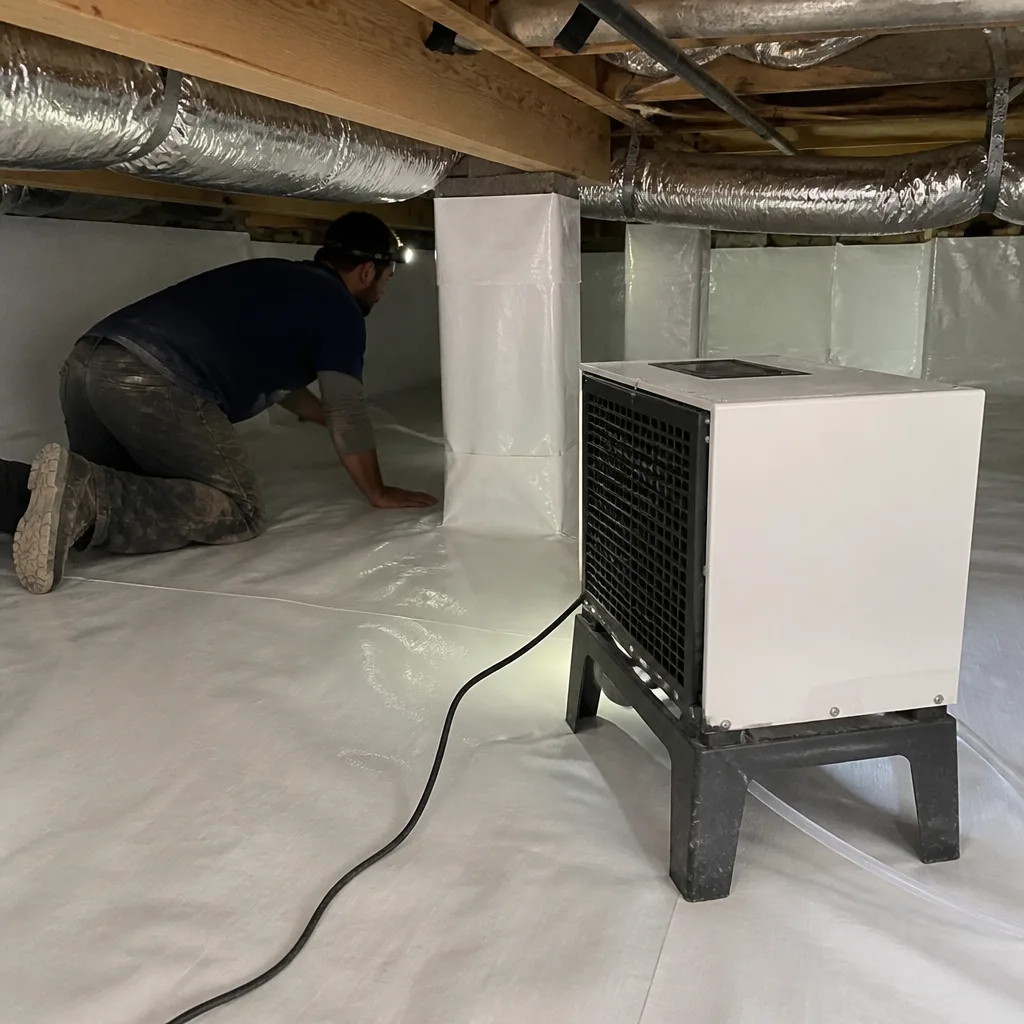
- Standing water or mud between the barrier and the soil. This means the barrier has torn at a plumbing penetration, the seam tape has failed, or the barrier was never extended far enough up the foundation wall. Water wicks through gaps and evaporates upward into your floor framing, raising the moisture content of joists and subflooring.
- White or gray mineral deposits on the barrier surface. These are efflorescence - salts left behind as moisture evaporates through concrete or soil. They indicate the barrier is no longer blocking soil moisture migration, a common issue in Cupertino’s expansive clay soils where seasonal shrink-swell cycles stress thin plastic.
- Mold or mildew on floor joists or insulation above the barrier. Once relative humidity in the crawl space exceeds 70% consistently, fungal growth follows. In Cupertino’s mild winters, this happens slowly enough that homeowners don’t smell it until the HVAC system pressurizes the crawl space and distributes spores through floor gaps.
- Sagging or pooling in the barrier itself. This occurs when the original installer laid the plastic directly over uneven soil without a gravel base, or when the barrier has degraded from UV exposure through foundation vents. GreenFiber cellulose above a sagging barrier absorbs that trapped moisture and compresses, losing R-value.
- Rodent trails, nesting material, or chewed edges. Vapor barriers without reinforced scrim are vulnerable to roof rat activity, which is persistent in Cupertino’s older neighborhoods near Stevens Creek and the foothills. Chewed edges let soil gases and moisture through, and the barrier becomes a collection surface for urine and droppings.
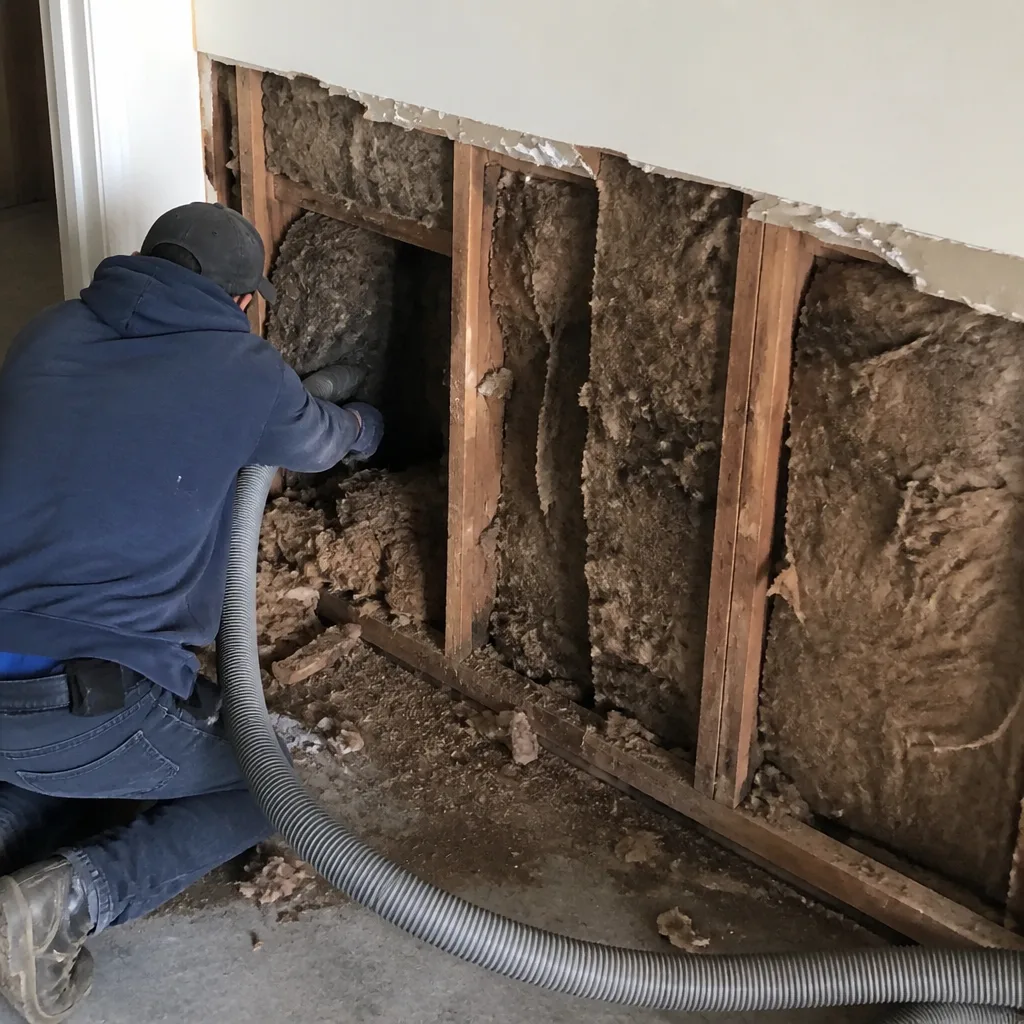 Before
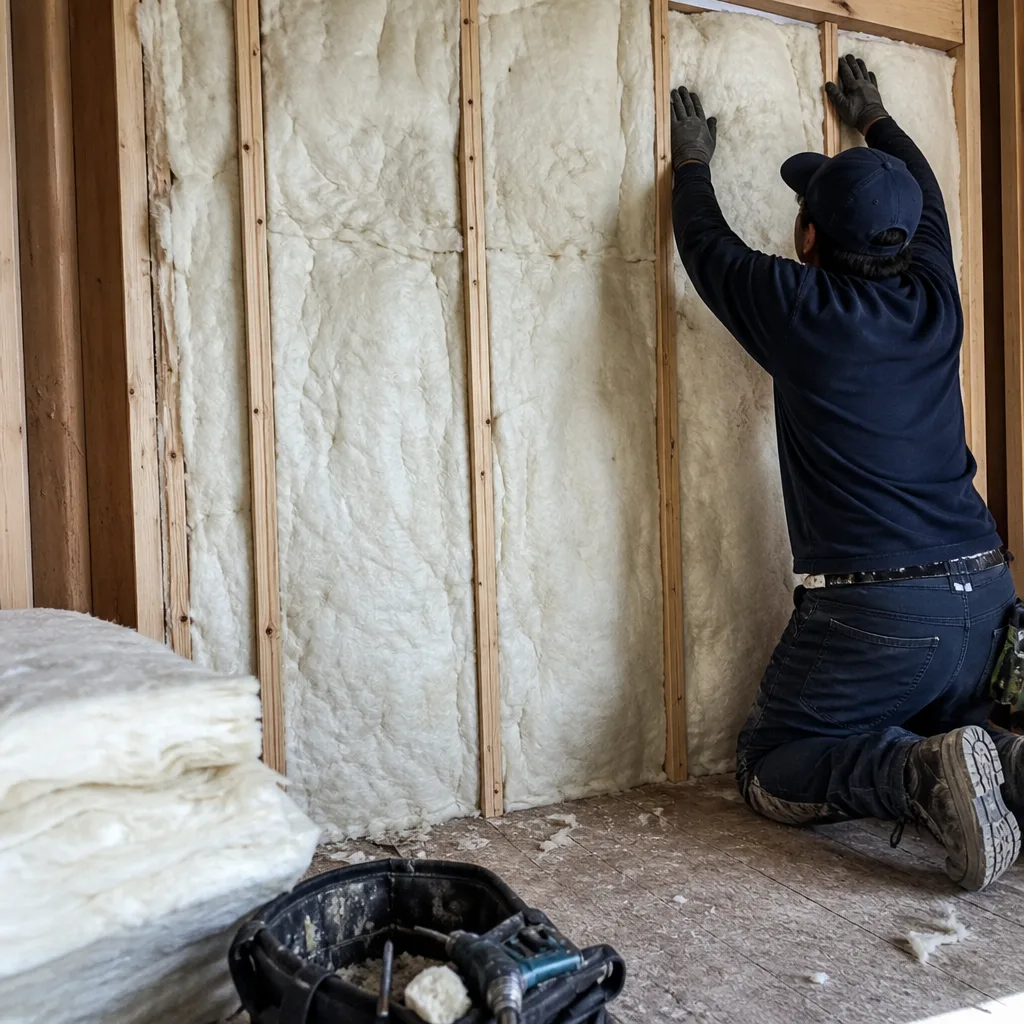 After
AfterReplacement Cost & What’s Included
Most full GreenFiber vapor barrier replacements in Cupertino run $1,800-$3,400 for crawl spaces between 800 and 1,800 square feet. Attic vapor retarder installations, typically kraft-faced or poly-faced assemblies above GreenFiber cellulose, range $900-$1,600 depending on accessibility and whether we’re working around existing HVAC ductwork.
The price moves based on four factors: whether we’re removing degraded material first (adds $400-$700), whether the soil needs grading or a gravel drainage layer ($300-$600), the mil thickness and reinforcement level you choose, and whether we find unsealed plumbing or electrical penetrations that need addressing before the new barrier goes down. Every quote is a written price before any work starts - Haven Standard Clause 1 - and includes the Documented Photo Record, seam taping with butyl tape at all overlaps, mechanical fastening to foundation walls, and our 365-Day Done Right Promise on the installation.
DIY or Call Us?
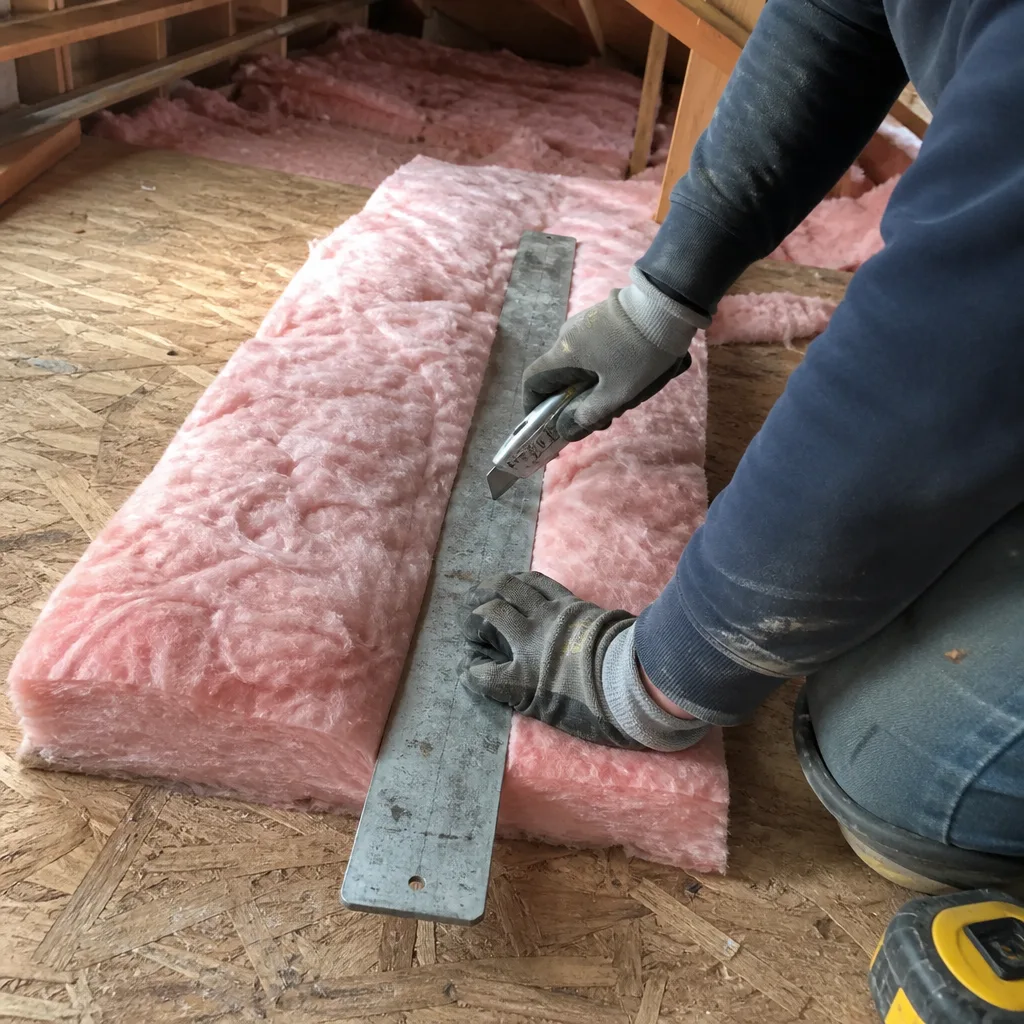
There’s no high-tension danger in vapor barrier work, but there is a lot of ways to waste money. A homeowner can safely check the barrier’s condition with a flashlight and a moisture meter from the hardware store - readings above 20% on wood framing mean you have a problem. You can also verify whether your existing barrier extends at least 6 inches up the foundation wall, which is where most DIY and cut-rate installations fall short.
Where DIY goes wrong: laying new plastic over old without removing the moisture source underneath, using the wrong tape that releases in our clay soil’s alkalinity, and missing the penetrations where plumbing and electrical enter - each one is a leak point that renders the barrier decorative. Seal the leaks first. Insulation covers problems; it does not fix them. If your crawl space has active moisture, rodent damage, or you’re preparing a Cupertino home for sale and need documentation, call (831) 217-8521. We bring the reinforced barrier, the butyl tape, and the blower-door mindset to every job.
FAQs
A properly installed 6-mil reinforced polyethylene barrier typically lasts 15-20 years in Cupertino’s climate, though the clay soil’s seasonal expansion and any rodent pressure can shorten that. Barriers in unvented or conditionally vented crawl spaces, increasingly common in newer Cupertino builds, may degrade faster if humidity control is poor. Call (831) 217-8521 and we’ll assess your specific conditions - estimates are free.
Patching works for isolated tears smaller than a dinner plate if the surrounding material is still supple and the seam tape is intact. We use pressure-sensitive polyethylene patches with butyl adhesive for field repairs. If the barrier is brittle, extensively taped already, or failing at multiple penetrations, replacement is more cost-effective than chasing leaks. Call (831) 217-8521 for an exact quote - estimates are free.
Most crawl space replacements in Cupertino are completed in one day, assuming no soil grading or drainage work is needed. Jobs requiring gravel base installation, extensive air sealing of penetrations, or coordination with pest control for active rodent issues may extend to a second day. We give you a written timeline with the written price before anyone starts.
Yes - we carry 6-mil and 10-mil reinforced polyethylene barriers, butyl seam tape, and mechanical fasteners for foundation wall attachment on every truck. GreenFiber-specified assemblies are sourced through our standard suppliers; we are an independent service provider with no affiliation to GreenFiber. For same-day installation in Cupertino, call (831) 217-8521 - if we can see the space, we can usually start the same day.
Written by Wes Okafor, Owner, Topside Attic Insulation Cupertino at Topside Attic Insulation Cupertino, serving Cupertino and nearby areas.