
GreenFiber Attic Air Sealing: The Cupertino Owner’s Guide
GreenFiber attic air sealing in Cupertino typically runs $1,800-$3,400 installed for a complete top-plate and penetration seal on a 1,200-2,200 square foot home, and we stock the compatible acrylic-latex sealants, fire-rated caulk, and expandable foam backer rods for same-day starts. Most Cupertino homeowners discover the problem when their GreenFiber cellulose insulation was blown in over gaps that were never sealed first - they notice hot second-floor bedrooms in summer, dust streaking around ceiling fixtures, or an energy bill that climbed after the “upgrade.” We see this pattern constantly in homes near Rancho Rinconada and the older split-levels along McClellan Road, where crews in the 1990s and 2000s skipped the sealing step.
Which GreenFiber Models This Applies To
GreenFiber manufactures loose-fill cellulose insulation, not a dedicated air-sealing system, so “GreenFiber attic air sealing” refers to the sealing work that must precede or accompany their cellulose product to meet California Title 24 standards. The critical compatibility issue is this: GreenFiber’s stabilized cellulose, treated with borate fire retardant, requires a specific class of sealant that won’t off-gas and degrade the cellulose binder over time. We use acrylic-latex and intumescent caulk rated for direct contact with borate-treated cellulose, never standard silicone that can create a vapor barrier where you don’t want one.
To identify what your home needs, check your attic for the GreenFiber bag tags left by the installer - usually stapled to a rafter near the access hatch. The tag shows the product series (AllBor, Sanctuary, or Legacy) and the install date. Homes with AllBor from 2015-2019 are the most common call we get in Cupertino; the cellulose is fine, but the bypass sealing underneath it was skipped or done with painter’s caulk that cracked within three years. We carry OEM-compatible fire-rated sealants and the higher-solids aftermarket equivalents that last longer in the Santa Clara Valley temperature swings, which can hit 40°F in winter mornings and 95°F by afternoon in attic spaces.
Signs Your GreenFiber Attic Air Sealing Is Failing
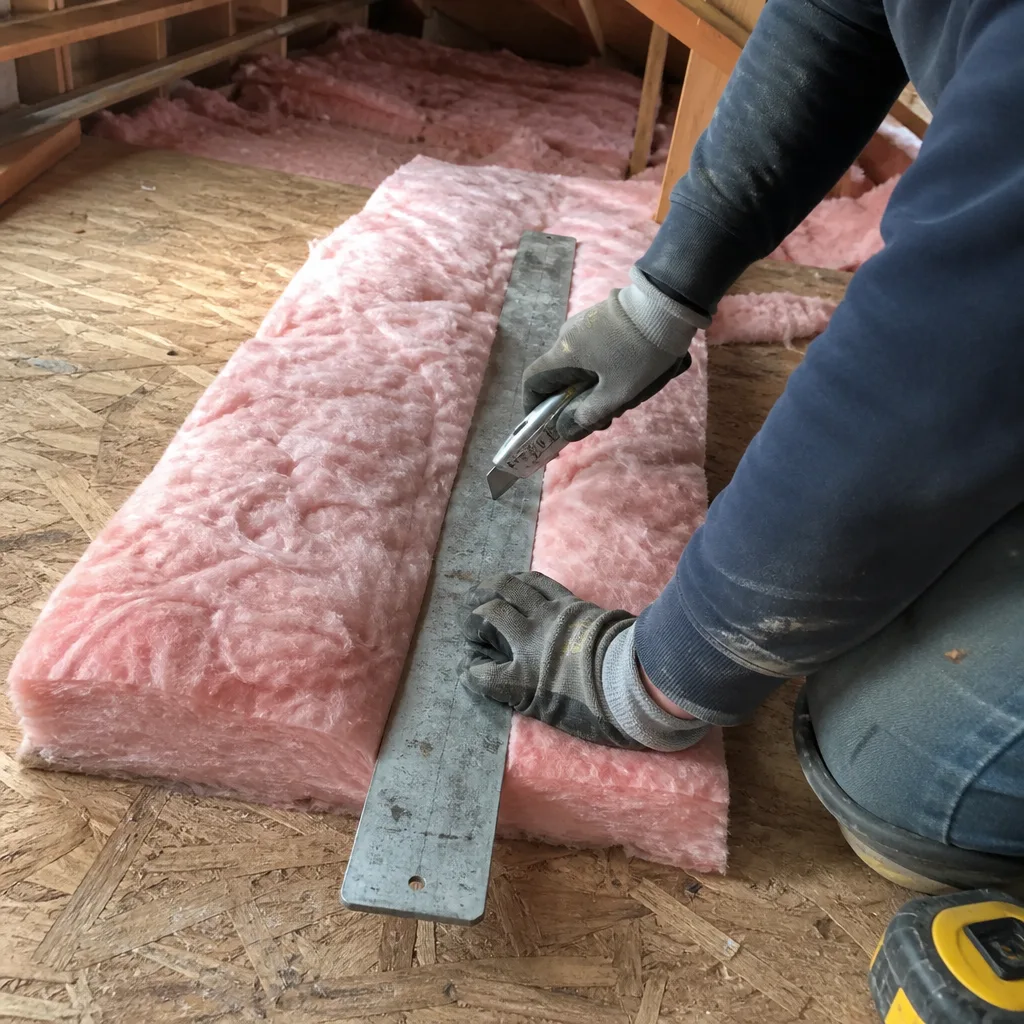
- Dust streaking around ceiling fixtures and outlet plates. This means air is moving from the attic into conditioned space through gaps the original installer missed. In Cupertino’s dry summers, that dust is attic cellulose and roof-deck particulate - and it’s a reliable indicator that your thermal boundary has holes in it.
- Hot second-floor rooms that the HVAC can’t cool below 78°F. When top plates and interior wall intersections aren’t sealed, attic air drops straight down wall cavities. We measured a home near Jollyman Park at 94°F in the wall cavity on a 102°F July day while the bedroom below struggled to hold 76°F.
- Ice damming or moisture staining on the ceiling after rare cold snaps. Cupertino doesn’t freeze often, but when it does, warm moist air leaking through an unsealed attic floor hits cold roof sheathing and condenses. GreenFiber cellulose absorbs some of this, but once it’s saturated, the borate treatment can migrate and lose effectiveness.
- Energy bills that rose after insulation was added. This is the paradox: blown-in cellulose without air sealing can actually increase your bill because the insulation blocks visual access to leaks while doing nothing to stop them. The blower door doesn’t lie - we’ve seen homes go from 3,800 CFM50 to 4,100 after insulation was added over unsealed gaps, because the cellulose compressed loose fill and created new bypass paths.
- Whole-house fan or range hood that barely pulls air. Your ventilation appliances are fighting attic pressurization. When return air paths leak into the attic, the house can’t establish negative pressure where you need it. We test this with a manometer during our walkthrough - it’s a five-minute check that tells the whole story.
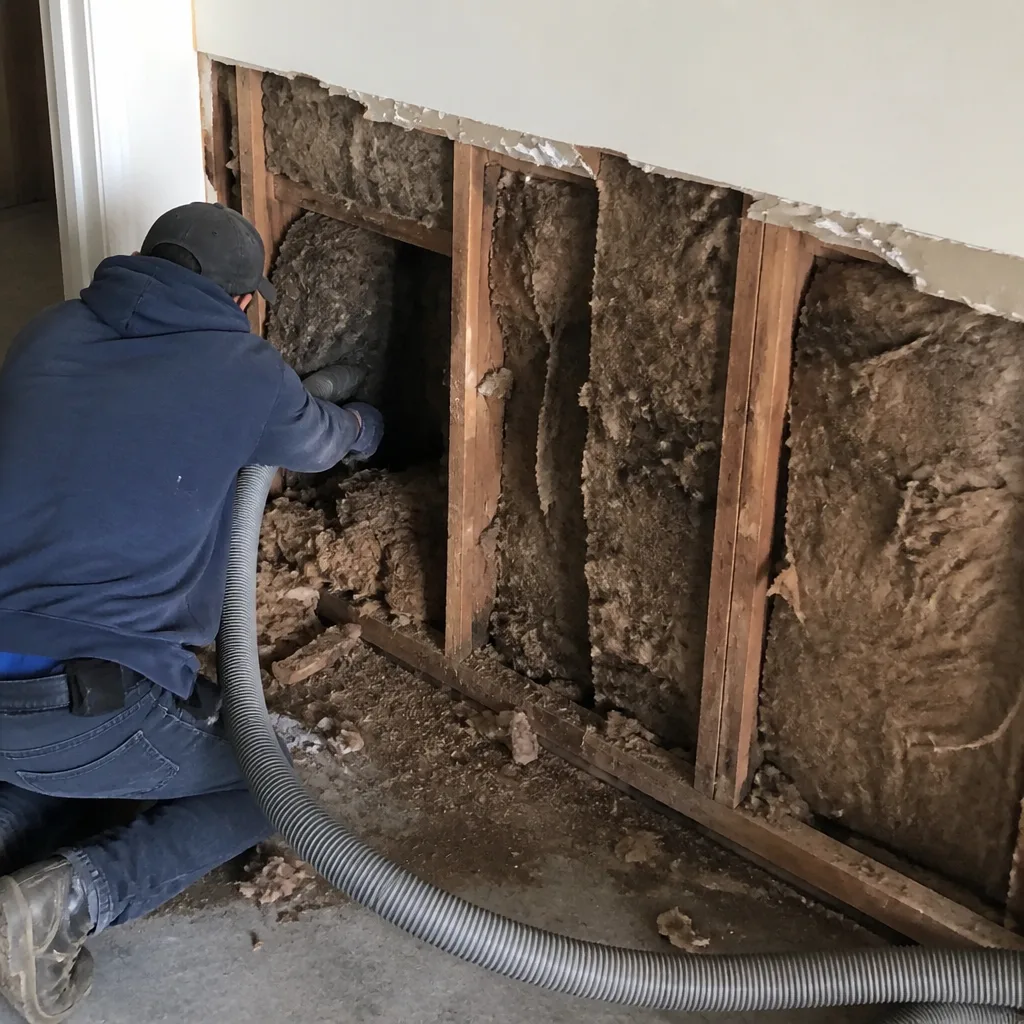 Before
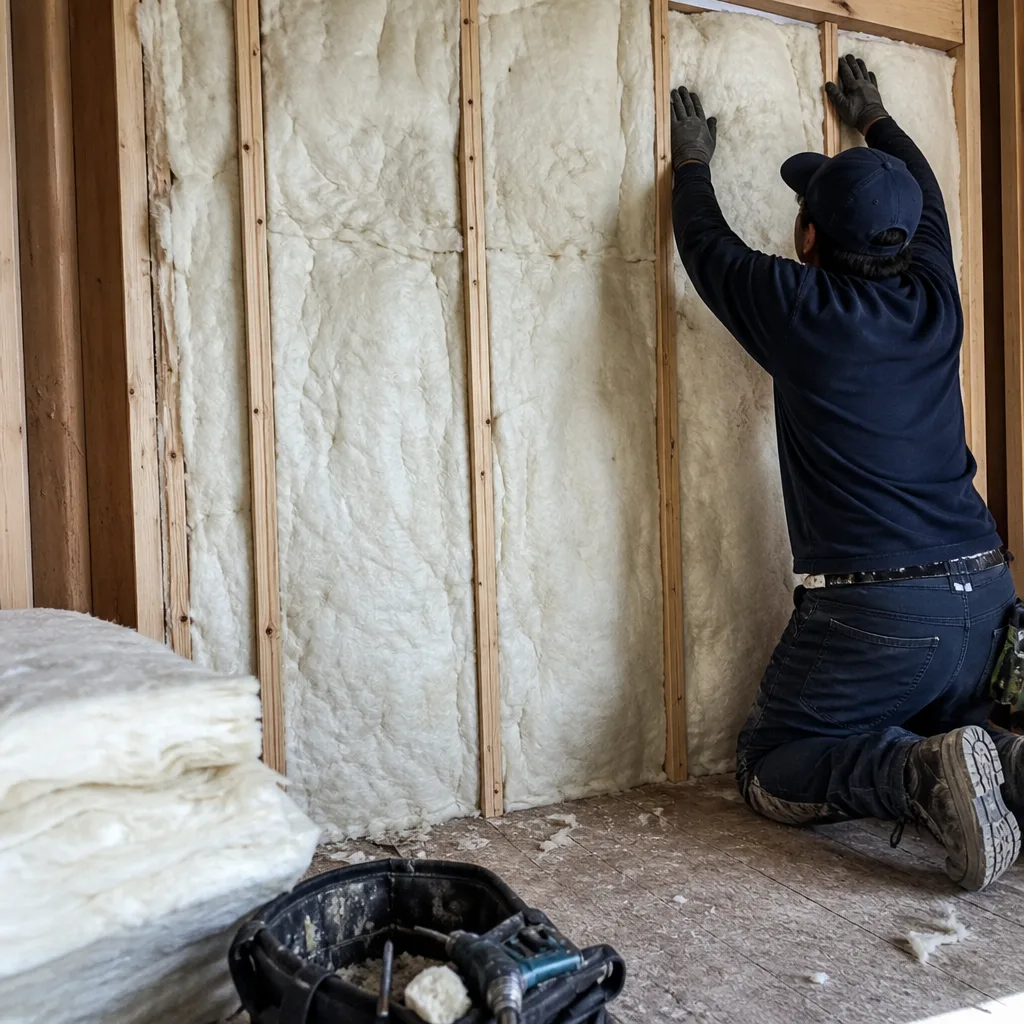 After
AfterReplacement Cost & What’s Included
Most complete GreenFiber-compatible attic air sealing jobs in Cupertino run between $1,800 and $3,400, with the final price driven by three factors: attic square footage, accessibility (truss spacing and whether there’s decking to remove), and how many penetrations need individual treatment - can lights, flues, wiring holes, and top-plate gaps. A straightforward 1,400-square-foot attic with standard 24-inch truss spacing and twelve can lights sits at the lower end. Homes with 16-inch spacing, engineered I-joists that complicate top-plate access, or twenty-plus penetrations push toward the higher range.
That price includes all sealant materials, labor, and our before-and-after blower-door test - a pressurization reading that shows, in one number, how much air your building envelope was losing. We publish both readings on every job: the pre-seal CFM50 and the post-seal result, typically a 35-50% reduction in Cupertino homes of this era. The work is covered by our 365-Day Done Right Promise, and you get a written scope, written warranty, and Documented Photo Record before anyone lifts a tool. Haven Standard Clause 1: flat price, written scope, written warranty before anyone starts.
DIY or Call Us?
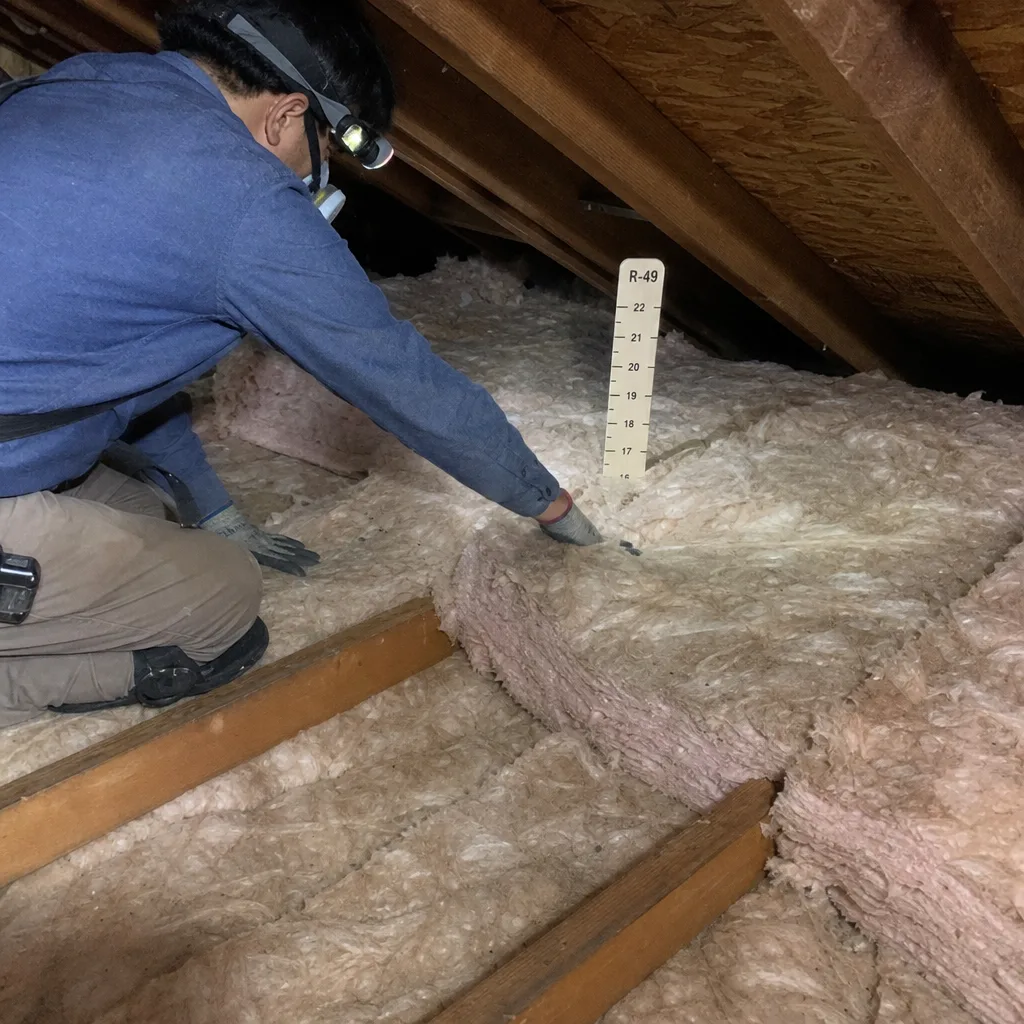
There’s a short list of checks any Cupertino homeowner can safely make. Verify your attic hatch has weatherstripping and closes flat against the frame. Look for visible gaps around flues, chimneys, and any obvious holes in the attic floor. But here’s where DIY ends: sealing top plates requires moving existing GreenFiber cellulose without compressing it, working around energized wiring in tight quarters, and using fire-rated materials at every penetration. California Title 24 requires intumescent sealant within three inches of recessed can lights - get that wrong and you’ve created a fire code violation that an inspector will flag on resale.
More importantly, you can’t verify your own work without a blower door. We seal the leaks first. Insulation covers problems; it does not fix them. Then we test to prove the fix. If you want to know what you’re actually dealing with, call (831) 217-8521 - estimates are free, and we bring the blower door to every appointment.
FAQs
Properly installed acrylic-latex and intumescent sealants last 20-25 years in Cupertino’s climate, though the Santa Clara Valley’s thermal cycling - attic temperatures swinging from 40°F to 140°F seasonally - can stress lesser materials in 8-12 years. We warranty our sealant work for one year under the 365-Day Done Right Promise, and the materials we source from GreenFiber-compatible suppliers are rated for direct contact with borate-treated cellulose for the full lifespan. Call (831) 217-8521 for an exact assessment of your existing sealant condition - estimates are free.
Patch repairs work if the original sealant is still flexible and the gap is isolated to one or two penetrations. But in most Cupertino homes we inspect, the original “sealing” was never complete - painter’s caulk at best, nothing at worst - so a patch leaves the majority of leaks active. We quote both options when the repairable area is under 15% of the attic floor. For anything more extensive, full replacement pays for itself in comfort and verified blower-door reduction. Call (831) 217-8521 and we’ll show you the photo documentation from a similar home.
A typical Cupertino attic air sealing job takes one full day for a crew of two technicians, or two days if the attic requires partial decking removal to access top plates. We arrive with all GreenFiber-compatible materials on the truck - no supply runs mid-job. The blower-door test adds about 45 minutes at setup and 30 minutes at close. You’ll have the written results, with before-and-after CFM50 numbers, before we pack up. Call (831) 217-8521 to check next-day availability.
Yes - we carry acrylic-latex sealant, intumescent fire-rated caulk, expandable foam backer rod, and rigid foam board for damming at flues, all rated for direct contact with GreenFiber’s borate-treated cellulose. We also stock Reflectix radiant barrier tape for homes where the air sealing job includes ductwork in the attic. Topside Attic Insulation Cupertino is an independent service provider, not affiliated with GreenFiber or Reflectix, and we source materials from multiple suppliers to match what your home actually needs rather than what a single brand sells.
Written by Wes Okafor, Owner, Topside Attic Insulation Cupertino at Topside Attic Insulation Cupertino, serving Cupertino and nearby areas.