
Demilec Radiant Barrier Installation: The Cupertino Owner’s Guide
We stock and install Demilec-compatible radiant barrier systems in Cupertino, with most residential attic jobs running between $2,800 and $4,600 installed. Same-day starts are available when the attic is accessible and the air-sealing prep is straightforward. Most Cupertino homeowners realize their radiant barrier is underperforming when upstairs rooms stay hot past 7 p.m. despite the AC running, or when they compare summer electric bills to neighbors with similar-sized homes near Rancho Rinconada and see a 20-30% gap.
Which Demilec Models This Applies To
Demilec’s radiant barrier line falls under their broader spray-foam and building-envelope catalog, specifically the Heatlok HFO and Sealection 500 series systems that integrate reflective components. The key identifier is the yellow-and-black Demilec spec label on the existing substrate, usually found on the attic-side of the roof deck or stapled to rafter bays. Model numbers beginning with HLRB (Heatlok Radiant Barrier) or the older SEB prefix (Sealection Energy Barrier) are the units we match most often in Cupertino.
OEM Demilec barrier material is a woven aluminum substrate laminated to a kraft-paper or poly-scrim backing, rated at 0.03 emissivity and 97% reflectivity. We also install a Johns Manville equivalent with identical spec numbers when Demilec lead times stretch past two weeks, which they sometimes do on specialty foil-faced rolls. The aftermarket performs the same thermally; the difference is warranty registration through Demilec versus the installer. We document which material went in, with lot numbers, so there’s no ambiguity later.
One compatibility gotcha: Demilec’s 2018-2021 production run used a narrower 48-inch roll width, while current stock is 51 inches. If your original install left exposed gaps at the rafter edges, that’s likely why. We measure before ordering.
Signs Your Demilec Radiant Barrier Installation Is Failing
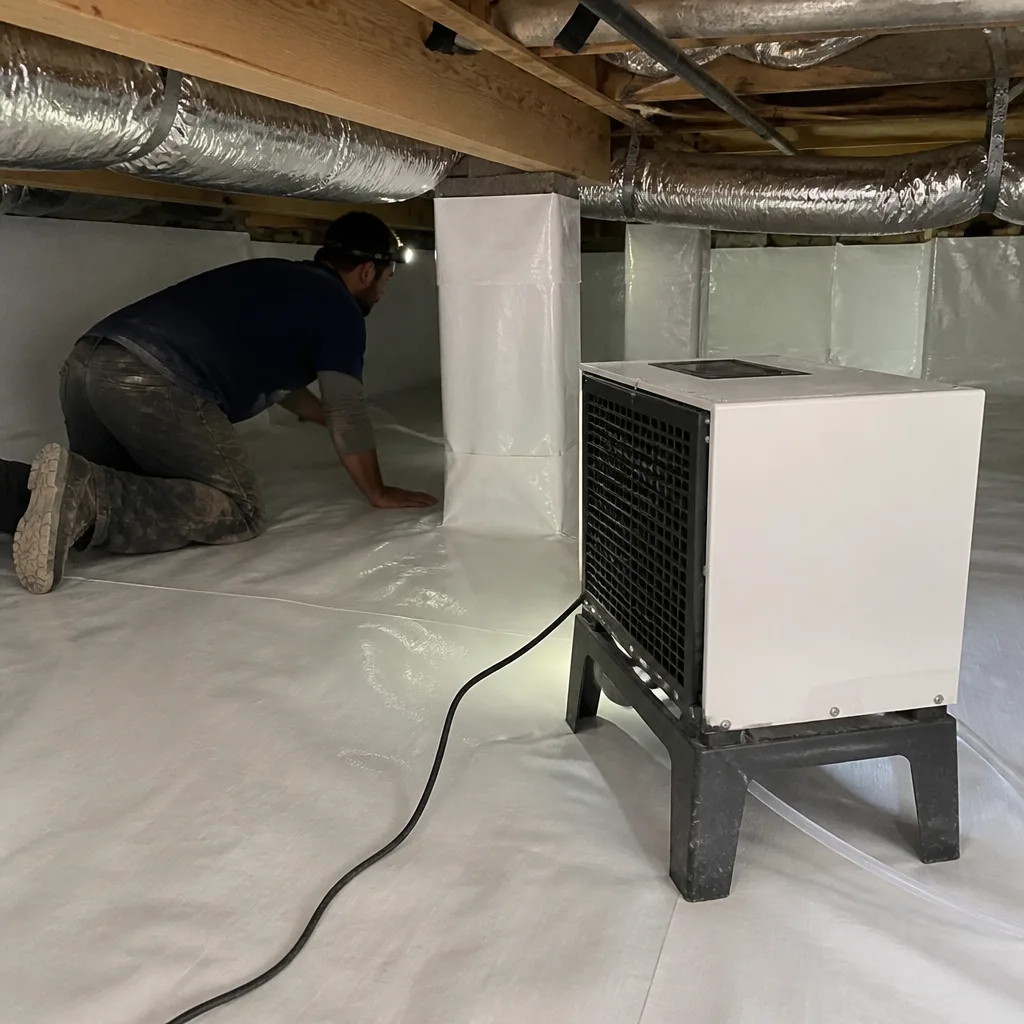
- Hot ceiling patches at mid-day. The barrier has pulled away from fasteners or torn at seams, creating uninsulated gaps where roof deck heat radiates straight through. In Cupertino’s south-facing attics, this shows up as warm stripes on the ceiling below every missing section.
- Dust-caked, dull foil surface. A radiant barrier only works when the reflective face stays clean. After five to eight years in a vented Cupertino attic, construction dust and pollen reduce reflectivity below 80%, at which point it’s doing almost nothing. The material looks fine but performs like cardboard.
- Condensation on the attic side of the barrier. This means warm, moist interior air is reaching the cold surface, usually because the attic floor wasn’t sealed before the barrier went up. The Demilec product isn’t failing; the assembly is. This is where we see the most unnecessary replacements in older Cupertino split-levels.
- Sagging or delaminated sections near the ridge. Attic temperatures above 150°F degrade the adhesive bond between the aluminum layer and its backing. Cupertino attics hit that regularly in August. Once delamination starts, the reflective surface wrinkles and traps heat instead of rejecting it.
- Energy bills climbing year-over-year with no rate change. When the barrier degrades gradually, homeowners don’t notice the comfort shift until the PG&E bill forces the issue. We pull the last three years of usage data on every estimate to separate weather variation from envelope failure.
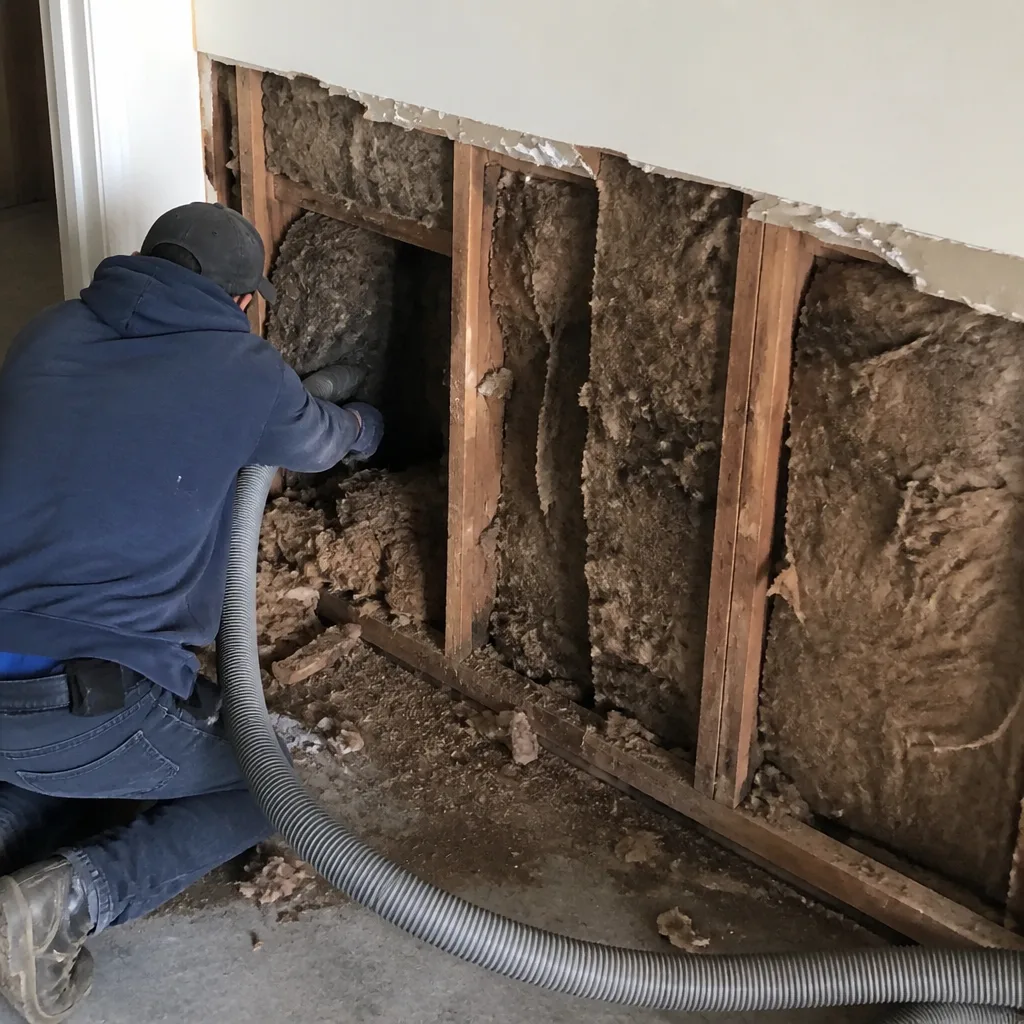 Before
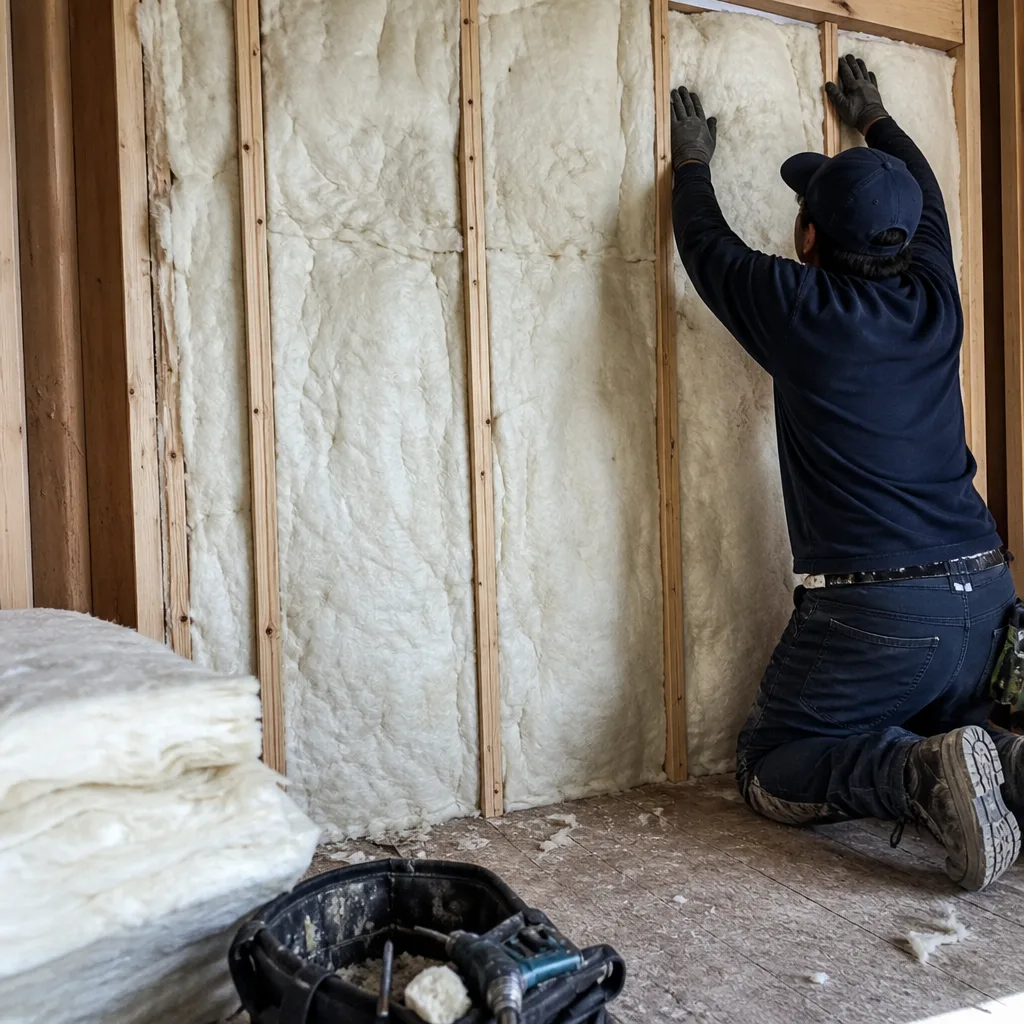 After
AfterReplacement Cost & What’s Included
Demilec radiant barrier replacement in Cupertino runs $2,800-$4,600 for most single-story homes under 2,500 square feet, and $4,200-$6,800 for two-story or complex rooflines with dormers or multiple attic zones. That range includes removal of degraded material, air-sealing of top plates and penetrations (we don’t cover unsealed gaps), installation of new barrier with proper fastener spacing, and a post-job blower-door test with documented readings.
What moves the number: attic accessibility (truss spacing, existing decking), whether we need to relocate stored items, and the condition of the existing air seal. A home with 4,200 CFM50 on the blower door takes more prep than one already at 2,800. We give a flat written price before anyone enters the attic, under Haven Standard Clause 1. No change orders unless you add scope.
The 365-Day Done Right Promise covers labor and material defects. The documented photo record shows every bay, every seam, and every blower-door reading. You leave with a folder, not a handshake.
DIY or Call Us?
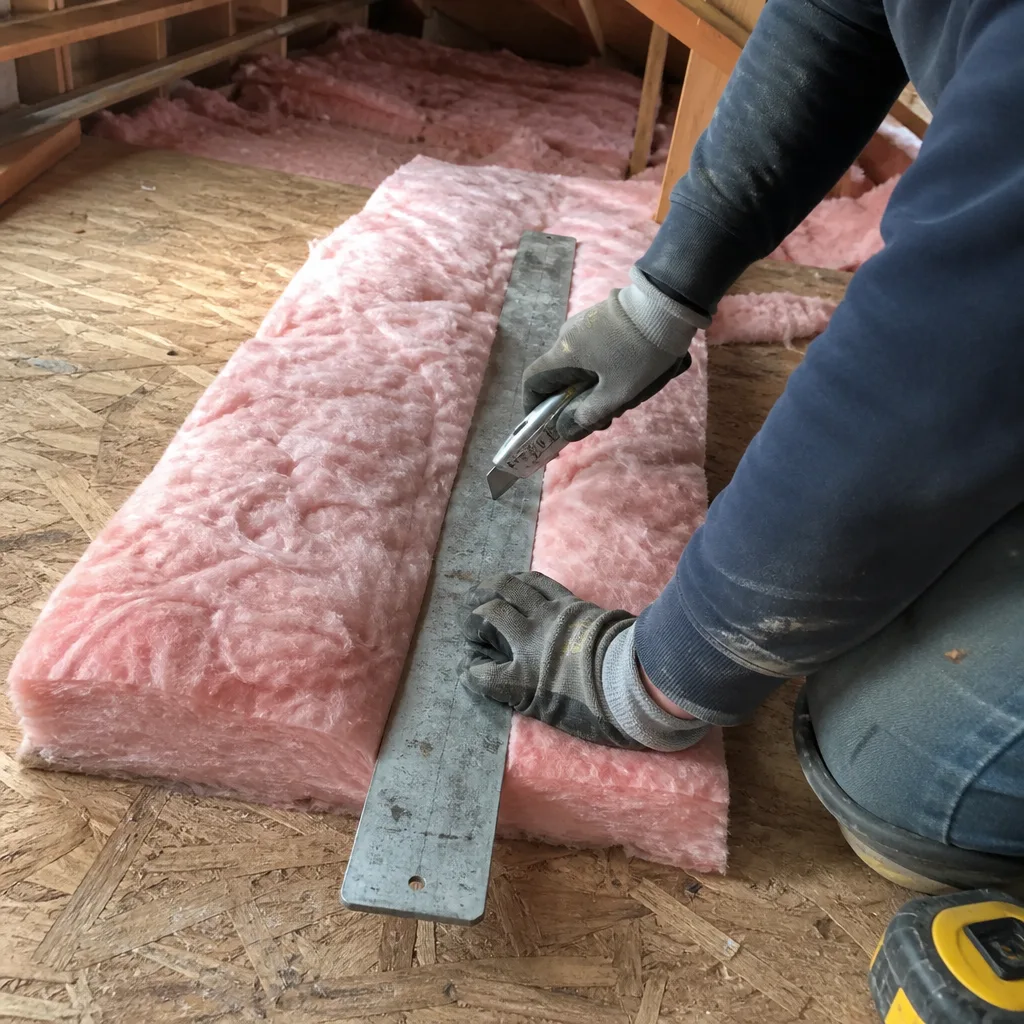
There’s no high-tension danger in radiant barrier work, but there are two honest limits to doing it yourself. First, you can’t air-seal what you can’t see; the bypasses at interior wall top plates, electrical penetrations, and chimney chases are invisible from the attic hatch but leak conditioned air continuously. Second, without a blower door, you’re guessing at whether the fix worked. We’ve been called to Cupertino homes where the homeowner installed barrier beautifully, left the attic floor leaking 3,000 CFM50, and saw no bill reduction.
What you can safely check: look for torn or sagging sections, note any dull or dusty foil, and measure attic temperature at 3 p.m. on a sunny day. If it’s within 15°F of outside ambient, the barrier is probably compromised. For everything else, including whether the assembly was sealed properly in the first place, call (831) 217-8521. Estimates are free, and we bring the blower door to every appointment.
FAQs
In Cupertino’s climate, a properly installed Demilec radiant barrier maintains effective reflectivity for 10 to 15 years in a vented attic, or 15 to 20 years if the attic is sealed and conditioned. Dust accumulation and summer heat cycles are the main degraders. After year 8, we recommend a reflectivity check during any other attic service. Call (831) 217-8521 and we’ll measure it while we’re up there.
Small tears or detached seams can be patched with matching foil tape if the surrounding material is still clean and reflective. If the surface is oxidized, dust-embedded, or delaminated, patching is a short-term fix that doesn’t restore performance. We photograph the damage and show you both options before quoting either. Call (831) 217-8521 for an exact assessment.
Most Cupertino residential jobs finish in one day, with crews on site 6 to 8 hours for a single attic zone. Two-story homes or those with multiple attic compartments may need a second day. We don’t rush the air-sealing prep; that’s where the actual performance comes from. You’ll get a written schedule with your price.
We stock Johns Manville and Reflectix equivalents on every truck, with Demilec-branded rolls available on 48-hour order when the job spec requires it. For warranty-continuation purposes, some homeowners prefer OEM; for thermal performance, the spec-matched aftermarket is identical. We carry both and document which goes in. Call (831) 217-8521 to confirm current stock for your model.
Topside Attic Insulation Cupertino is an independent service provider, not affiliated with Demilec. We source materials from Owens Corning, Johns Manville, Knauf, Rockwool, CertainTeed, Icynene, Demilec, and GreenFiber.
Wes Okafor, our owner, learned the trade at Olive-Harvey College’s building science program, where blower-door diagnostics were standard curriculum before most South Bay contractors had heard of them. His crew has worked attics from Rancho Rinconada tract homes to foothill split-levels where the original 1960s bypasses were never sealed. Seal the leaks first. Insulation covers problems; it does not fix them.
Written by Wes Okafor, Owner, Topside Attic Insulation Cupertino at Topside Attic Insulation Cupertino, serving Cupertino and nearby areas.