
Demilec Crawl Space Encapsulation: The Cupertino Owner’s Guide
We stock and install Demilec-compatible crawl space encapsulation systems in Cupertino, with most full encapsulations running between $4,200 and $7,800 installed depending on square footage, existing moisture damage, and whether the foundation walls need sealing before the vapor barrier goes down. Same-day assessments are available, and we carry Demilec-approved poly sheeting, seam tape, and closed-cell spray foam on our trucks for jobs up to 1,500 square feet. Most Cupertino homeowners discover their encapsulation has failed when they notice a musty smell returning after months of dryness, or when they spot condensation beading on the underside of the poly during our humid winter weeks - the barrier is no longer doing its one job, which is keeping soil moisture on the soil side.
Which Demilec Models This Applies To
Demilec produces crawl space products under two main lines relevant to Cupertino homes: the Heatlok HFO High Lift series (used for rim joist and foundation wall sealing) and the Demilec SEALECTION 500 spray foam system, which bonds to poly vapor barriers in conditioned crawl applications. The critical compatibility check is the foam-to-membrane interface: Demilec’s closed-cell foams require a specific surface energy match with reinforced polyethylene sheeting rated 12-mil or thicker, or delamination occurs within 18-36 months in our clay-heavy Cupertino soil conditions.
To identify your system, look for the Demilec batch label on any exposed foam, usually found on the rim joist in the crawl space access corner. The label shows the product series, install date, and applicator code. If your vapor barrier is white or clear poly with no reinforcement grid visible when held to light, it’s likely aftermarket 6-mil material that was never OEM-compatible. We stock both Demilec-spec 12-mil reinforced poly and the Heatlok HFO canisters for touch-in repairs, plus we carry Reflectix radiant barrier for homeowners who want to add thermal reflection to their existing encapsulation without tearing out what’s there.
Topside Attic Insulation Cupertino is an independent service provider with no affiliation to Demilec. We source through authorized distributors and match spec for spec.
Signs Your Demilec Crawl Space Encapsulation Is Failing
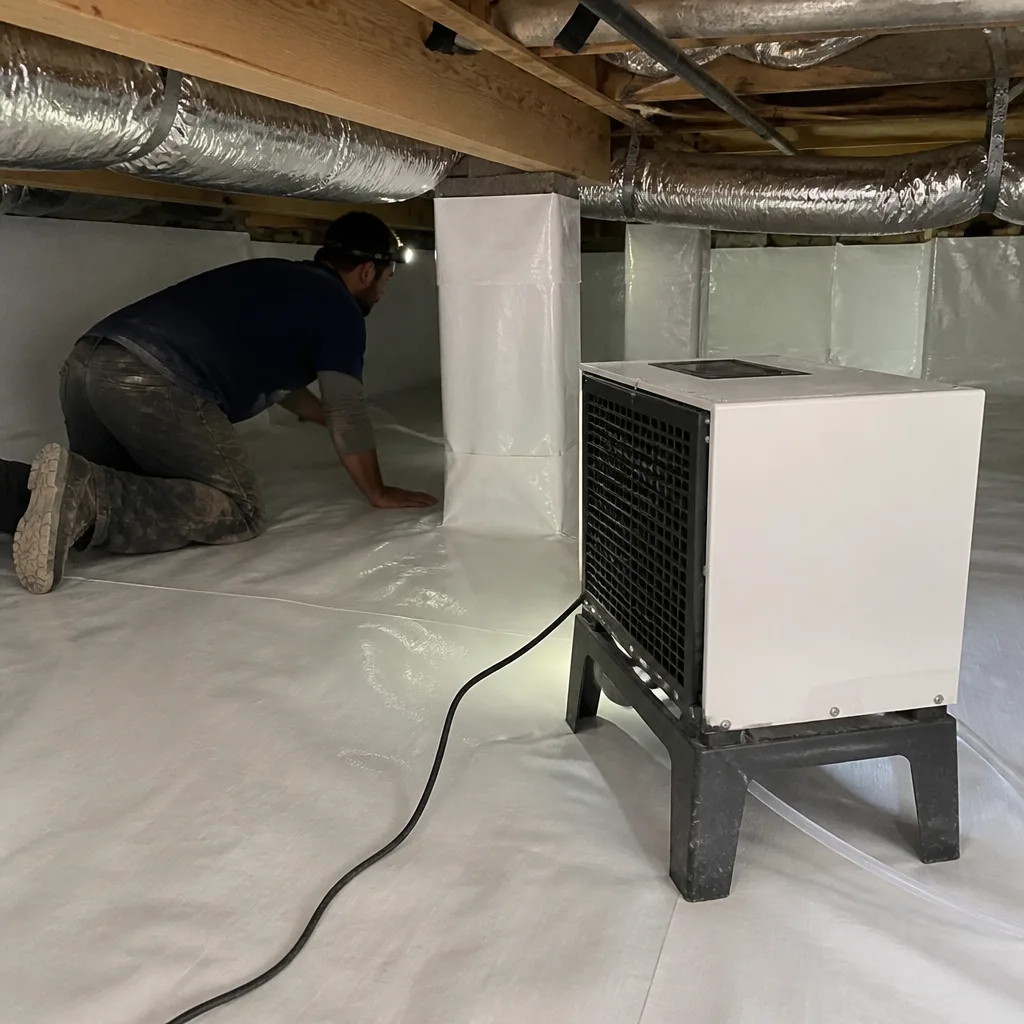
- Musty odor returning in previously dry spaces. This means your vapor barrier has torn at seams or piers, or the perimeter seal has pulled away from the foundation wall. Soil gases and moisture are bypassing the poly exactly where the seal failed.
- Condensation on the underside of the vapor barrier. When warm, humid crawl space air hits the cooler poly surface, beads form. In Cupertino, this happens most in January through March when ground temperatures lag behind air temperatures by 6-8 weeks. It indicates the barrier is no longer maintaining a thermal break.
- Sagging or pooling on the vapor barrier surface. Standing water above the poly means either a plumbing leak or, more commonly, that the drainage matting beneath the poly has compressed or the grade was never properly sloped toward a sump point. The system is holding water instead of directing it out.
- White, chalky residue on foam-sealed rim joists. This is UV degradation or chemical breakdown of the Demilec foam surface, accelerated in Cupertino’s older Ranch-style homes where foundation vents were never fully sealed and morning sun hits the east-facing rim joist through corroded vent screens.
- Increased humidity readings upstairs. A crawl space RH above 65% will drive moisture upward through floor assemblies. If your main-floor hardwood is cupping or your HVAC runtime has increased without a thermostat change, the encapsulation envelope has a breach you cannot see from the access hatch.
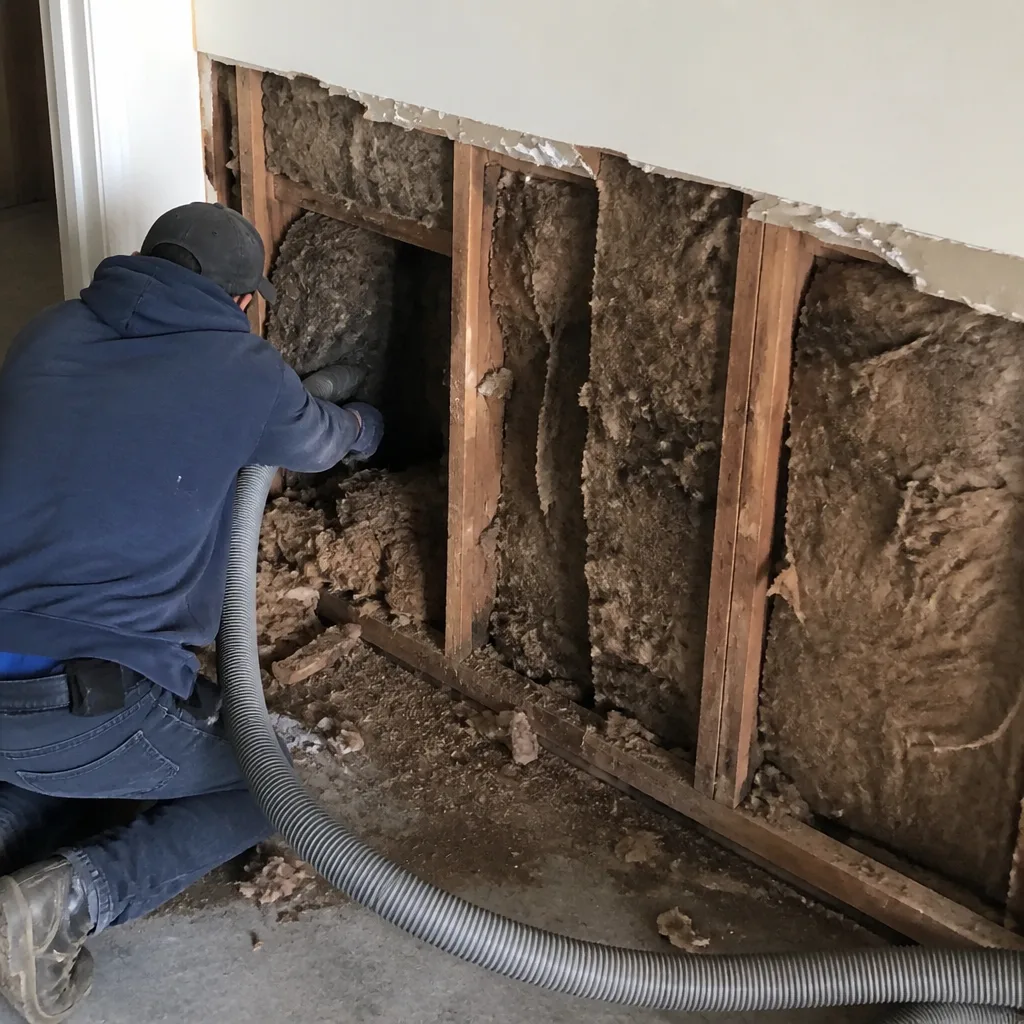 Before
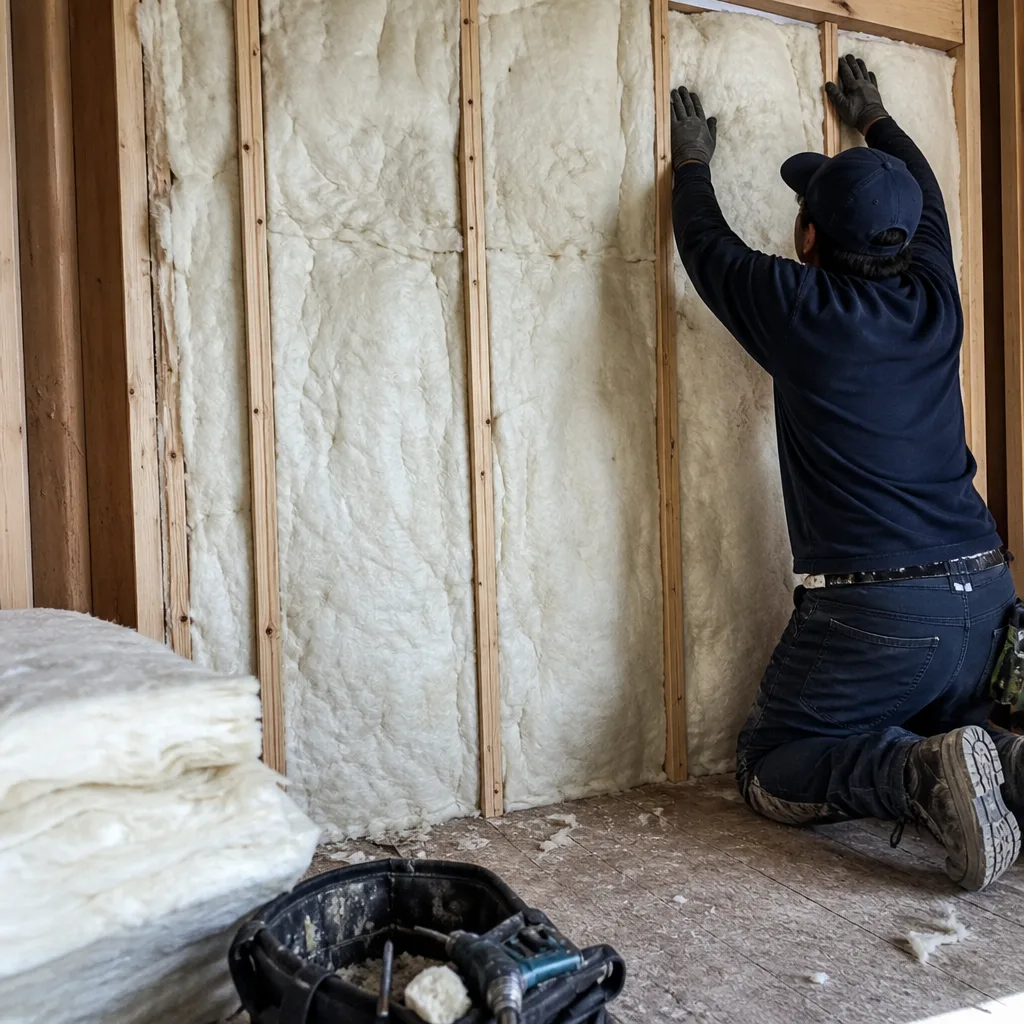 After
AfterReplacement Cost & What’s Included
Full Demilec-compatible crawl space encapsulation in Cupertino typically runs $4,200-$7,800 for homes between 1,000 and 2,500 square feet of crawl area. The lower end assumes intact drainage, no mold remediation, and straight rectangular geometry. The upper end includes: removal of failed poly and tape, treatment of damp or mold-affected joist bays, installation of new 12-mil reinforced vapor barrier with sealed seams and mechanical fastening at piers, Demilec Heatlok HFO closed-cell foam at rim joists and penetrations, and a battery-backed sump pump if gravity drainage isn’t achievable.
Partial repairs - seam re-taping, localized foam touch-in, or poly patching - run $850-$2,400. We don’t quote these without a crawl space inspection, because we’ve opened too many hatches in Cupertino’s Rancho Rinconada tract homes to find that the visible tear is the smallest problem down there.
Every encapsulation job carries our 365-Day Done Right Promise. You get a written scope, a written warranty, and a Documented Photo Record showing before-and-after conditions. On full encapsulations, we also provide a handheld humidity meter reading at the access hatch so you have a baseline number to check seasonally.
DIY or Call Us?
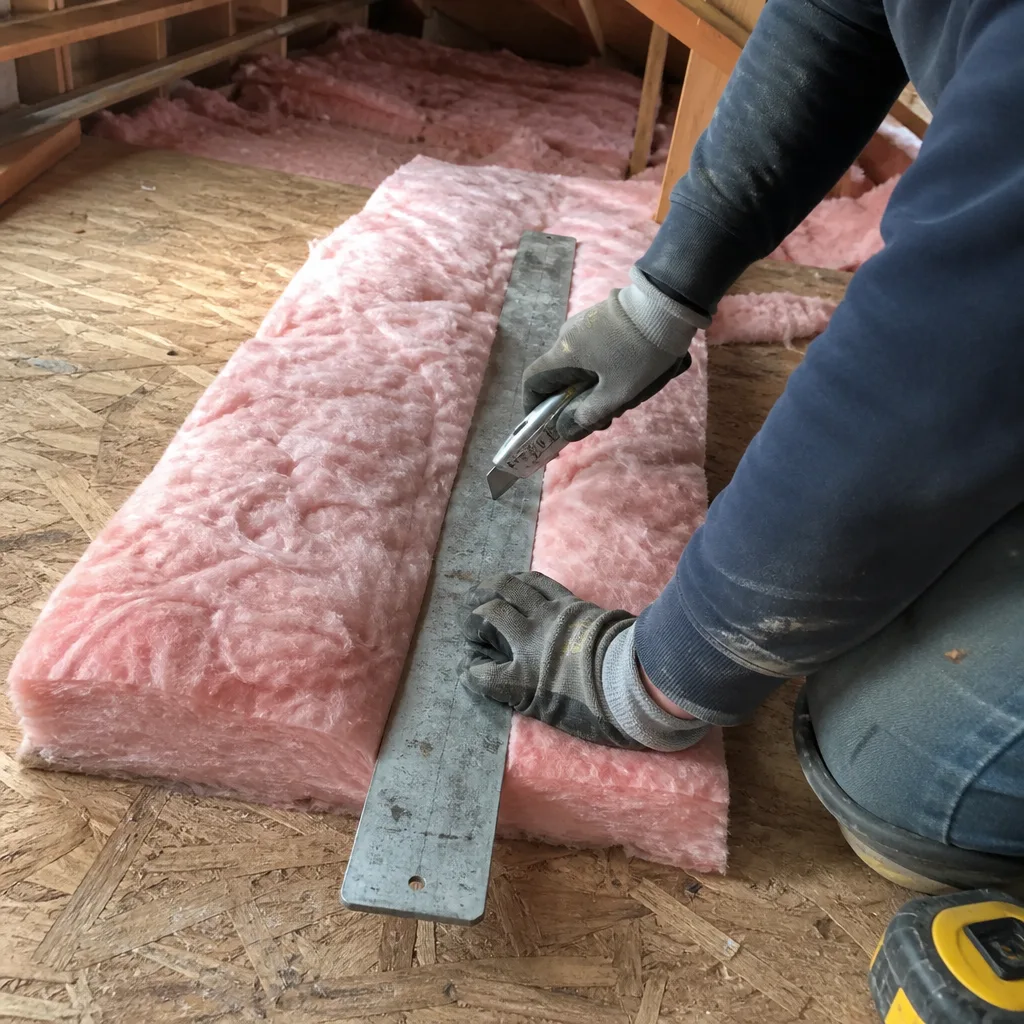
There’s a short list of what a Cupertino homeowner can safely check without entering the crawl space: verify that your sump pump runs when the float is lifted, confirm the access door seals tightly against weatherstripping, and note any new odors or humidity changes on your thermostat if it’s equipped with a remote sensor. That’s the boundary of safe, useful DIY.
What goes wrong below that boundary: tearing out old poly disturbs rodent nesting, fungal growth, and decades of settled particulate that should not be inhaled without P100 respirators and negative-air setup. Applying new vapor barrier without sealing the rim joist first - “Seal the leaks first. Insulation covers problems; it does not fix them.” - traps moisture in the floor assembly. And Demilec’s HFO spray foam requires professional proportioning equipment; off-ratio foam shrinks, cracks, and off-gasses for weeks.
If your crawl space is showing any of the five symptoms above, call (831) 217-8521. We’ll read your existing conditions with you, show you what we find, and give you a written price before any work starts.
FAQs
Properly installed Demilec encapsulation with 12-mil reinforced poly and closed-cell rim joist foam lasts 15-20 years in Cupertino’s climate, though homes near the foothills with expansive clay soils may see seam stress at piers within 10-12 years due to seasonal foundation movement. Call (831) 217-8521 for an assessment if you’re past the decade mark - estimates are free.
Small punctures or seam separations under 12 inches can be patched with compatible seam tape and reinforced patches, but widespread embrittlement, delamination from the foundation wall, or poly thinner than 12-mil requires full replacement. We’ve repaired too many “patched” barriers in Cupertino split-levels where the homeowner spent $400 on tape only to need full encapsulation 18 months later. Call (831) 217-8521 and we’ll tell you honestly which category you’re in.
Most Cupertino crawl spaces between 1,200 and 1,800 square feet take two to three days: one day for removal, surface prep, and any needed drainage correction; one day for poly installation, foam application, and seam sealing; and a partial third day for cure time, final inspection, and humidity baseline reading. Homes with limited access hatches or active plumbing work may add a day. Call (831) 217-8521 to schedule - we stock Demilec-compatible materials on our trucks for jobs up to 1,500 square feet.
We carry Demilec-spec 12-mil reinforced poly, Heatlok HFO closed-cell foam canisters, compatible seam tape, and drainage matting on every truck serving Cupertino and the South Bay. For full encapsulations exceeding 1,500 square feet, we may need one business day to pull additional poly rolls from our San Jose warehouse. Call (831) 217-8521 to confirm same-day availability for your square footage.
Written by Wes Okafor, Owner, Topside Attic Insulation Cupertino at Topside Attic Insulation Cupertino, serving Cupertino and nearby areas.