
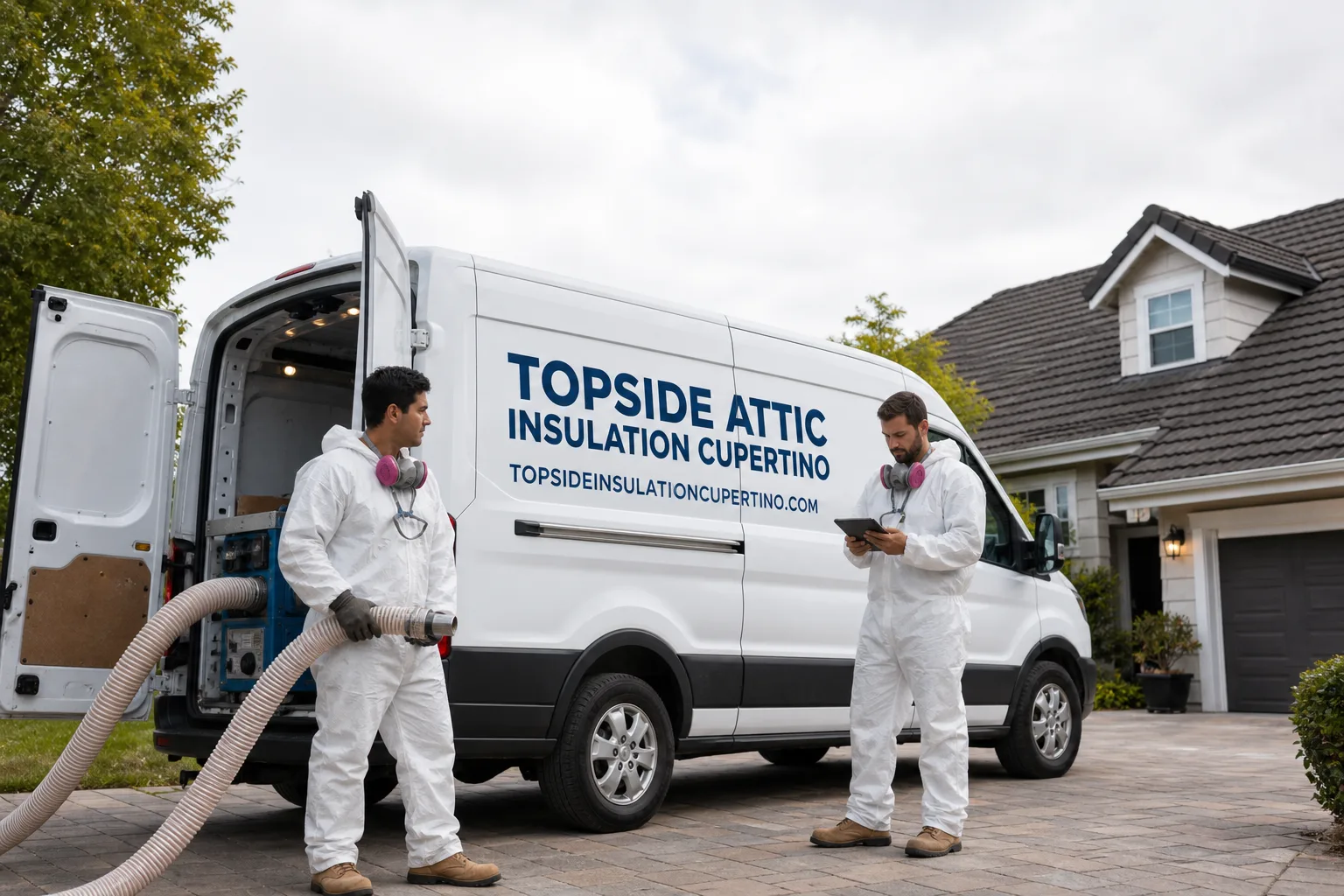
Fast, Reliable Blown-In Insulation Across Newark
Blown-in insulation in Newark typically runs $1,800-$4,200 for a full attic retrofit and $3.50-$6.50 per square foot for dense-pack wall work, with most jobs completed in a single day. Our crews serve Newark from our Bay Area dispatch office, and we carry enough material stock to size jobs for both the main house and any detached workshop or outbuilding in one trip. Call (831) 217-8521 for a written price before any work starts.
We’ve worked the flatland tracts from Mowry Avenue to the Central Avenue corridor long enough to know what the marine layer does to insulation here. Newark’s bay-edge position, pressed against Newark Slough and the Don Edwards San Francisco Bay National Wildlife Refuge, creates humidity conditions that are measurably different from Fremont’s foothills just a few miles east. That moisture signature changes how we spec every job.
Why Topside Attic Insulation Cupertino Is Newark’s Preferred Blown-In Insulation Company
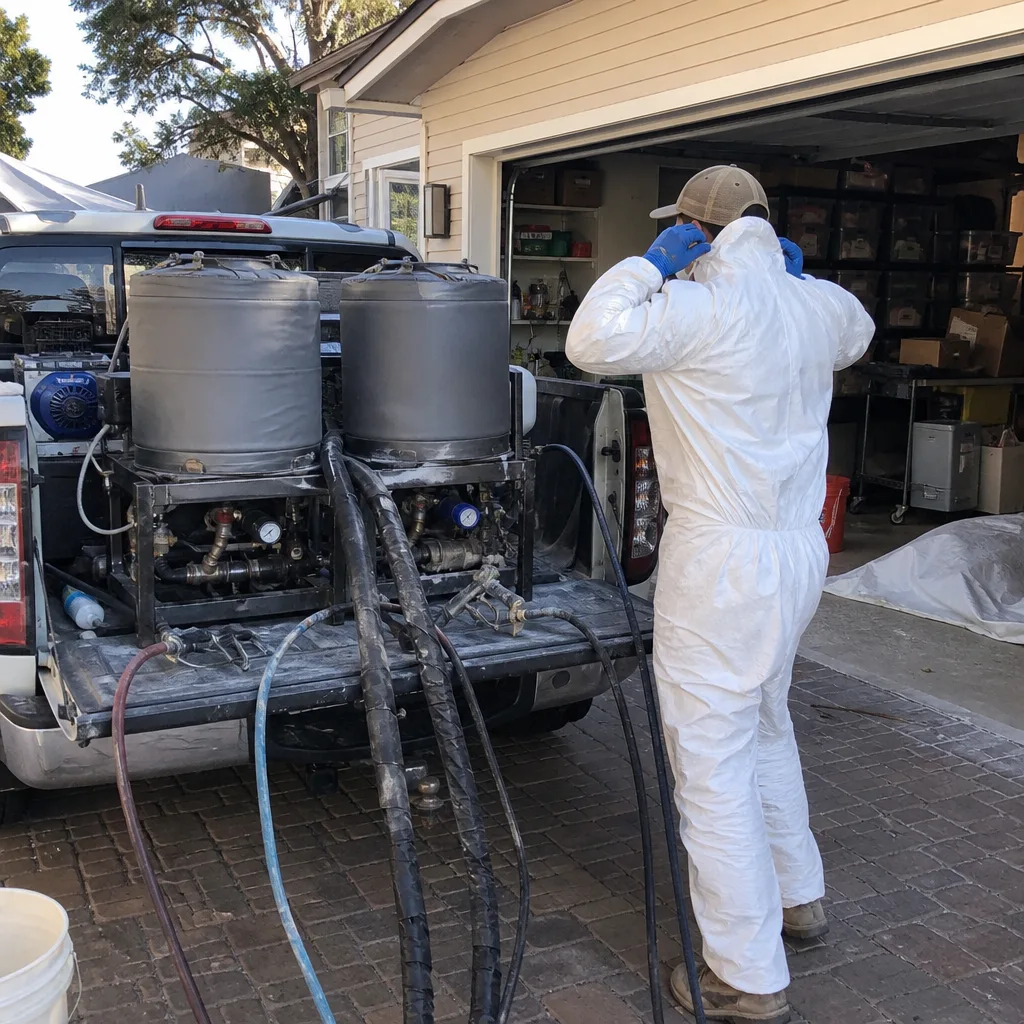
Our Blown-In Insulation team has treated Newark’s post-war housing stock as a specialty since we started operating under The Haven Standard in 2016. The city is dominated by ranch-style and box-style tract homes built between roughly 1955 and 1978, many still carrying original thin fiberglass batts or bare uninsulated wall cavities. We’ve sealed and insulated over 9,000 homes since then, and the concentration of same-generation housing in Newark means we’ve developed specific protocols for the failure modes that show up here.
Newark customers receive the same documentation package as every other job: a written price before anyone lifts a tool, a written scope and warranty under Haven Standard Clause 1, and a Documented Photo Record showing what we found and what we did. On air-sealing jobs, we add before-and-after blower-door numbers so you can verify the performance change in a single pressurization figure. Our 365-Day Done Right Promise applies to all completed work, and a live person answers calls 24/7.
We don’t ask Newark homeowners to call for pricing. We deliver a flat, written price before work starts. That’s Haven Standard Clause 1, no exceptions.
Our Blown-In Insulation Services in Newark
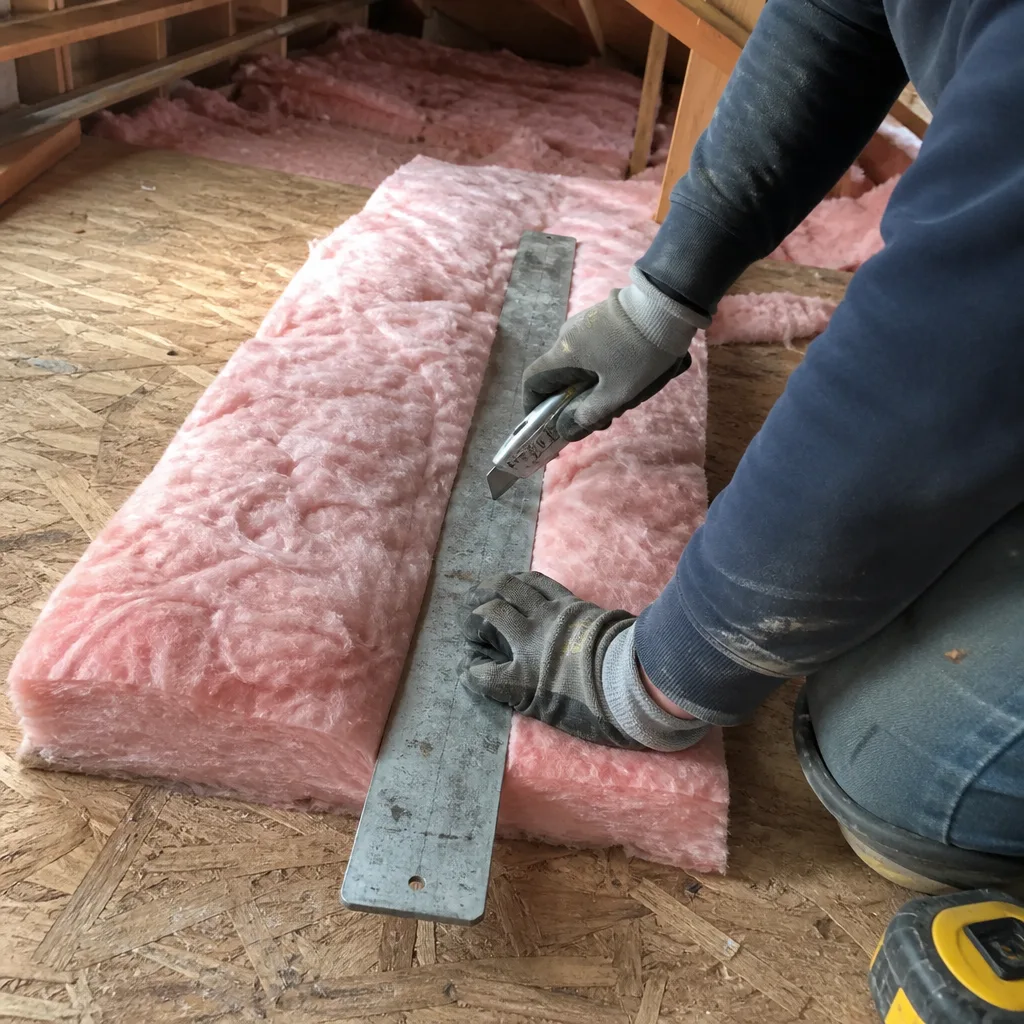
Blown-In Cellulose
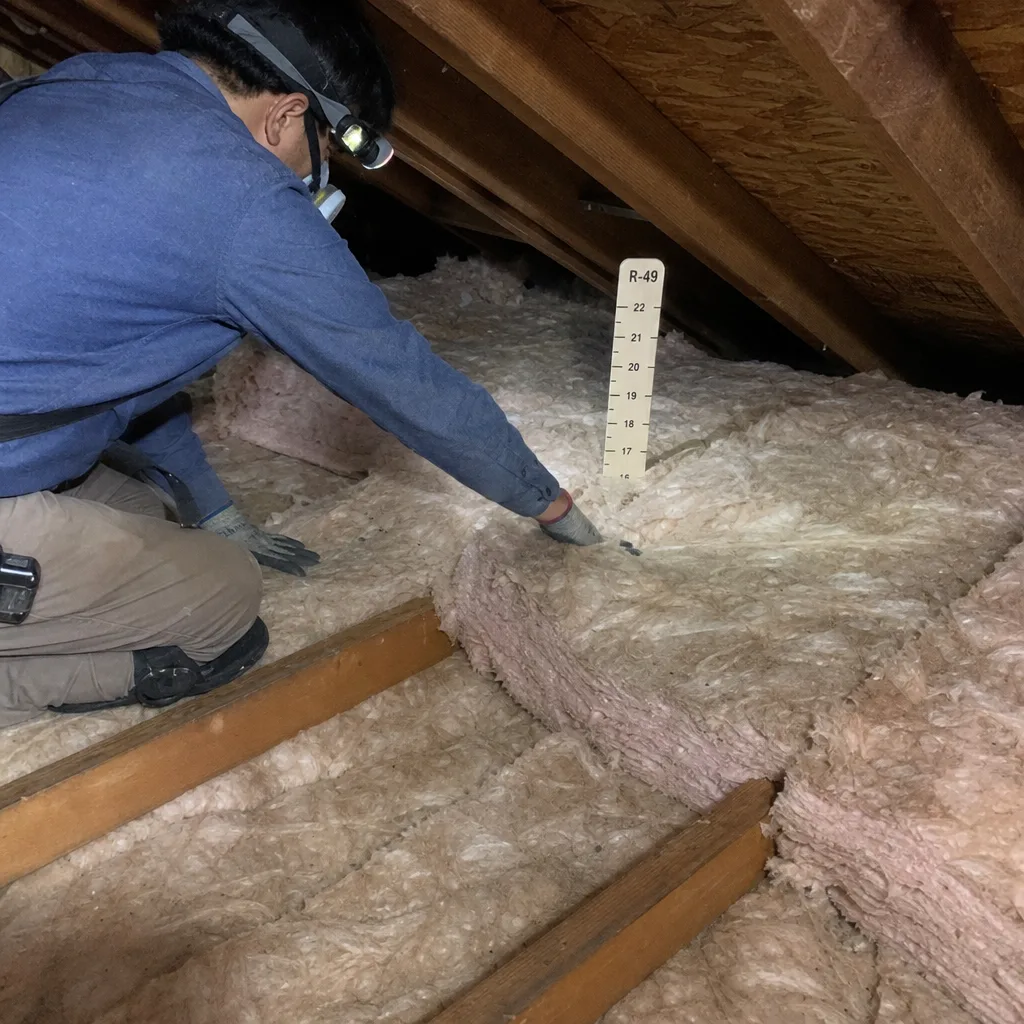
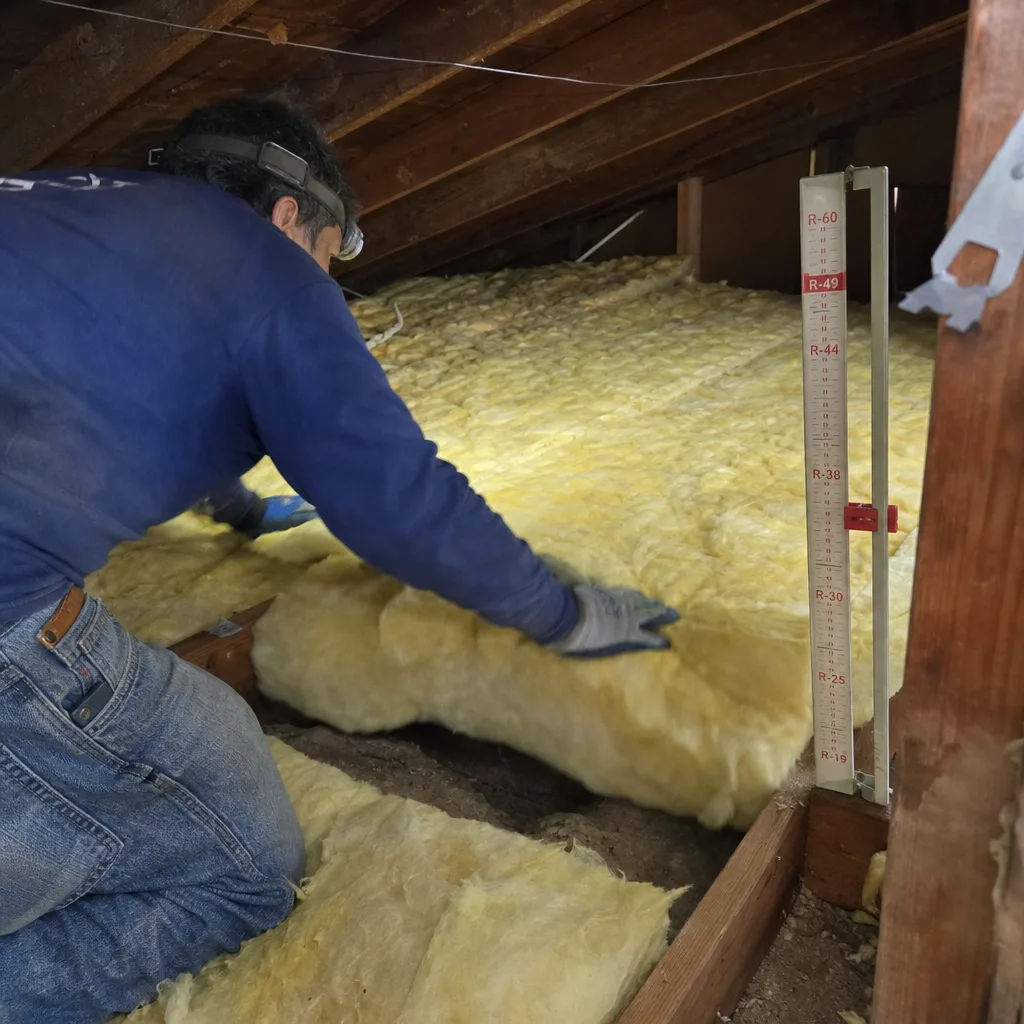
We blow GreenFiber cellulose in most Newark attics because it handles the city’s persistent humidity better than fiberglass when paired with proper air sealing. Cellulose is treated with borate fire retardant and manages moisture vapor through absorption and release rather than trapping it against the drywall. In Newark’s flatlands, where tidal wetland moisture pushes vapor migration year-round, that behavior matters. We typically spec cellulose at R-38 to R-60 for attic floors, depending on existing framing depth and whether we’re pulling failed original material first.
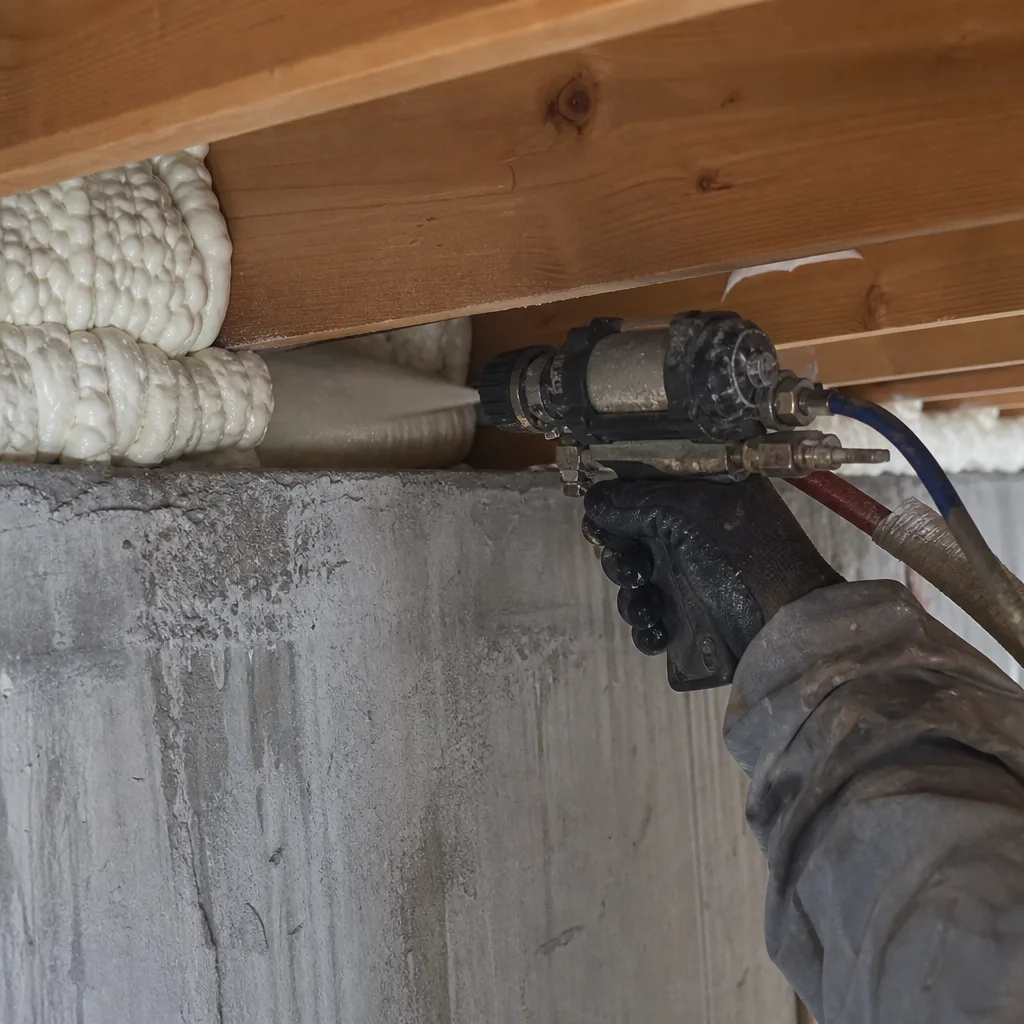
Blown-In Fiberglass
Fiberglass blown-in works well in Newark’s newer construction or in detached workshops where humidity control is already handled by proper venting. We source from Owens Corning and Johns Manville, and we size the density to avoid settling in the first five years. The key in Newark is never blowing fiberglass over unsealed top plates or can lights, where Bay moisture can migrate through the gap and condense on the cold side of the insulation.
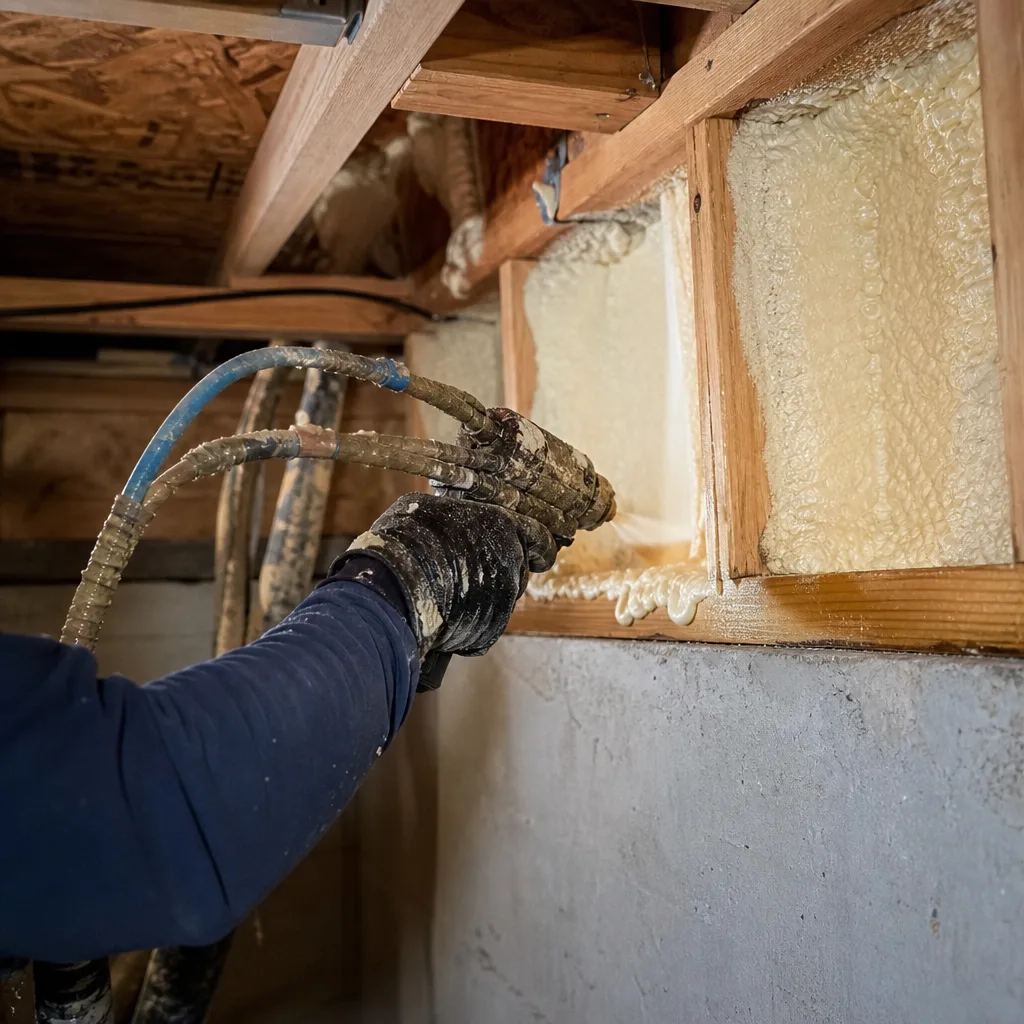
Dense-Pack Wall Insulation
Dense-pack is our answer for Newark’s 1960s and 1970s tract homes with empty stud bays or failed original batts. We drill and fill at 3.5 pounds per cubic foot for cellulose or 1.5-1.8 pounds for fiberglass, creating an air-impermeable cavity that slows both heat flow and vapor drive. In Newark, this work demands a vapor retarder strategy, because the city’s elevated ambient humidity can push moisture into wall cavities that lack proper drying potential. We assess each home’s existing paint, sheathing, and interior finish before specifying the assembly.
Blown-In Top-Up
Top-ups are common in Newark, but they’re not always advisable. We were called to a 1962 ranch house off Mowry Avenue where the homeowner found soggy, collapsed batts over the living room - original 1950s fiberglass that had been drinking Bay moisture for sixty years. Our crew pulled the ruined batts, air-sealed the top plates and can lights, and blew GreenFiber cellulose to a uniform depth, then verified the attic vents were balanced so the new insulation stayed dry. The house finally held its temperature across a warm Newark afternoon instead of bleeding heat through a damp, empty cavity. If your existing insulation is compressed, mold-stained, or moisture-damaged, we’ll tell you before we quote a top-up.
What happens when you call
- 1
A real person answersNo phone trees - you reach a local pro.
- 2
You get an upfront price rangeHonest numbers before anyone is dispatched.
- 3
A background-checked tech heads outLicensed & insured, dispatched right away.
- 4
You approve before work beginsNothing starts until you say go.
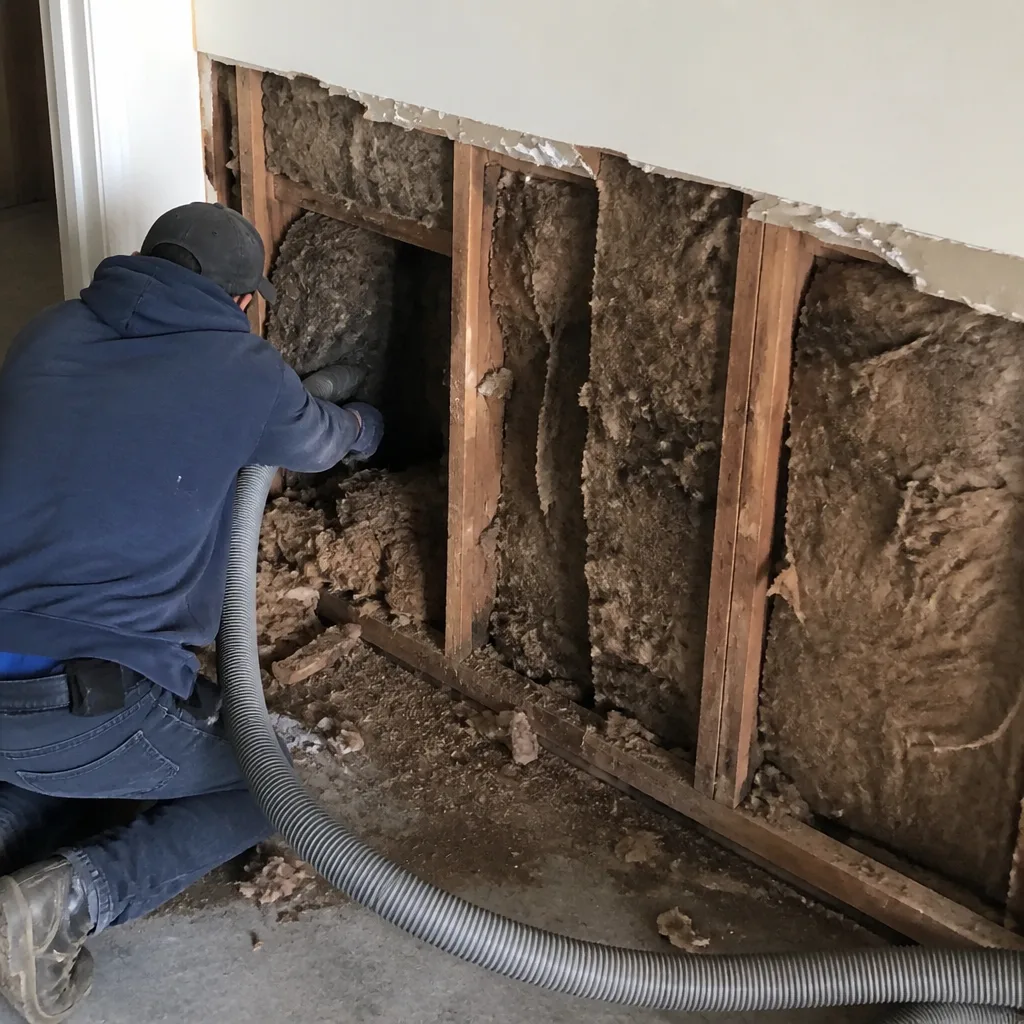 Before
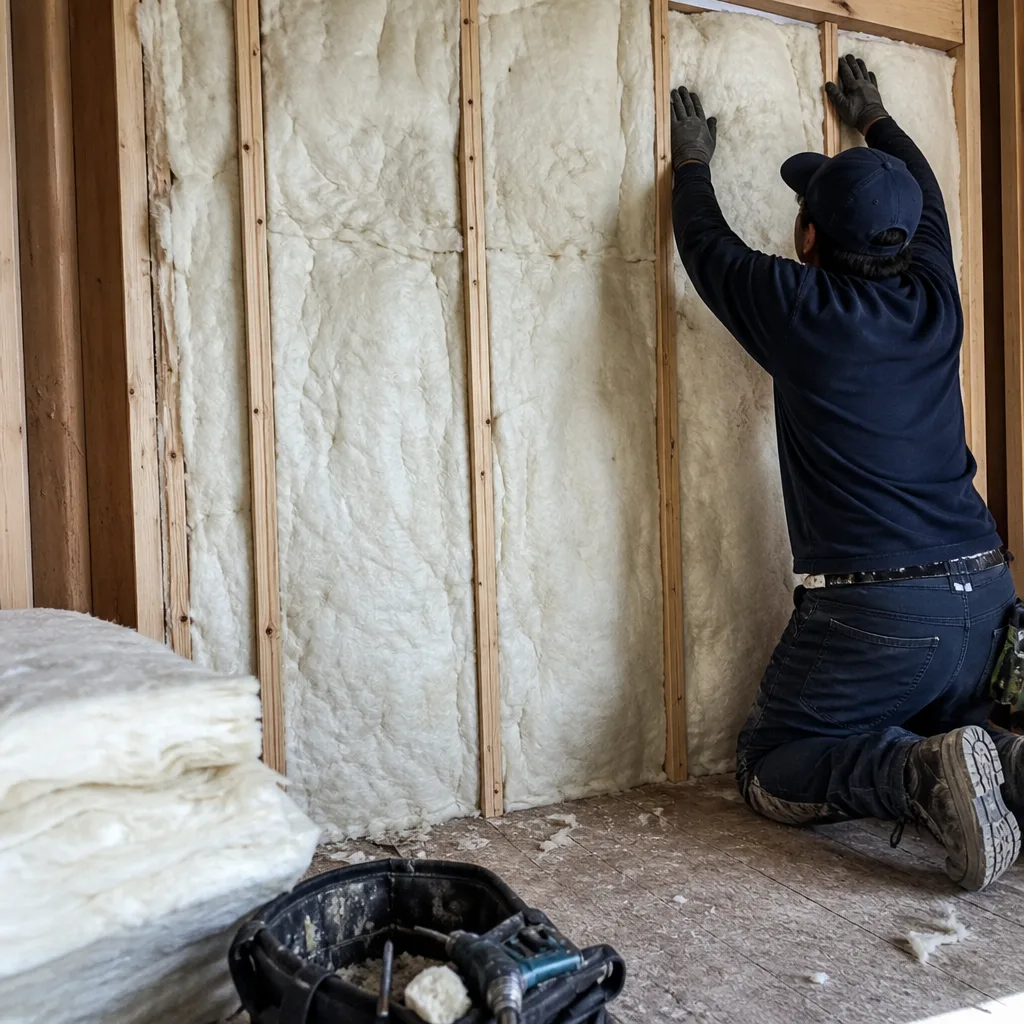 After
AfterTrusted Brands We Service in Newark
We stock blown-in material from CertainTeed, Icynene, and GreenFiber for Newark jobs, with no proprietary lock-in that forces one product where another fits better. Our crews carry enough cellulose and fiberglass on the truck to complete most Newark attic jobs without a supply run, which matters when we’re sizing a single trip for both the main house and a detached workshop. We also source from Owens Corning, Johns Manville, Knauf, Rockwool, and Demilec for specialized applications. Every bag is documented in your job record.
Common Blown-In Insulation Problems We See in Newark Homes
- Original 1955-1978 fiberglass batts near the Slough have absorbed so much marine moisture they compress and lose R-value. A “top-up” over them traps damp rather than improving performance. We see this systemic failure across the older Newark flatlands, not something you’d find as consistently in Fremont’s hillside tracts.
- Newark’s tidal-wetland humidity drives vapor migration into wall cavities. Dense-pack work without a proper vapor retarder can leave the blown material wet and settled into the bottom of the stud bay. We test existing conditions before drilling.
- Acreage properties with detached workshops and oversized heavy doors get single-trip blown jobs sized for the house only. That leaves the shop’s uninsulated walls and ceiling to fight the main structure’s thermal envelope. We scope the full property before writing the price.
- Attic vent imbalance is common in Newark’s low-profile ranch roofs. Insufficient exhaust at the ridge or blocked soffit intake creates a moisture trap under new blown insulation. We verify venting as part of every attic job.
Pricing for Blown-In Insulation in Newark, CA
A typical blown-in cellulose attic retrofit in Newark runs $1,800-$3,800 for a 1,200-1,800 square foot home with accessible attic space and no removal required. Add $800-$1,400 if we’re pulling failed original batts first. Dense-pack wall insulation in Newark tract homes runs $3.50-$6.50 per square foot of wall area, depending on cavity depth, exterior finish, and whether we need to repair drywall after drilling. Blown-in top-ups, where existing material is viable, typically fall between $1,200-$2,400.
What moves the number: attic accessibility, presence of active rodent damage, can-light count requiring sealing, and whether the job includes a detached workshop. Every quote is a flat written price delivered before work starts, with a Free Second Opinion available on any competing written estimate. Call (831) 217-8521 for an exact figure on your Newark home.
We Also Serve Cities Near Newark
Our crews work Newark and the surrounding corridor regularly, including Fremont to the east, Palo Alto to the southwest, Sunnyvale to the south, and Mountain View to the southeast. Dispatch and scheduling are coordinated from our San Francisco Bay Area office, with local crews serving each city without the delay of cross-metro routing.
Serving Newark, CA - Our Local Coverage Area
We’re based in the Newark area and know this community well. Use the map below to see our service coverage - if you’re nearby, we can almost certainly help.
FAQs - Blown-In Insulation in Newark
Newark’s direct adjacency to Newark Slough and the Don Edwards refuge keeps ambient humidity persistently higher than Fremont’s foothills, so insulation here must manage vapor migration rather than just adding R-value. The marine layer and tidal wetland moisture create condensation risk in attics and walls that wouldn’t occur in drier inland microclimates. We always pair blown insulation with air sealing and vapor-control assessment in Newark. Call (831) 217-8521 for a written price on your home’s specific conditions.
Only if the existing material is dry, uncompressed, and free of mold or rodent contamination. In Newark’s flatlands, we routinely find original fiberglass batts that have absorbed decades of Bay moisture and are effectively R-zero. Blowing new material over wet, compressed batts traps moisture against the drywall and can accelerate mold growth. We’ll inspect and photograph existing conditions before quoting. Call (831) 217-8521 for a free assessment.
Yes, if you tell us when we scope the job. We stock enough material to size for both structures in one trip, but we need to measure the workshop’s wall and ceiling area and assess whether it’s within the thermal envelope you want to condition. Leaving a large uninsulated outbuilding attached to the same HVAC zone creates thermal drag on the main house. We’ll include both in the written price. Call (831) 217-8521 to schedule a full-property walkthrough.
It can, if the insulation is the wrong type or installed without air sealing. Wet cellulose above 25% moisture content loses insulating value and can support mold. Wet fiberglass compresses and creates gaps. The solution isn’t avoiding blown-in insulation in Newark; it’s matching the material to the moisture conditions, sealing air leaks first, and verifying attic venting. We document moisture readings before and after on applicable jobs. Call (831) 217-8521 for a written scope.
We typically spec GreenFiber cellulose for Newark attics because the borate treatment resists mold and the material manages vapor cycles better than fiberglass in humid conditions. For wall cavities, we may use CertainTeed fiberglass dense-pack in homes with robust exterior water management, or Icynene open-cell spray foam where vapor retarder integration is critical. We don’t lock you into one brand. The material choice is documented in your written scope before work starts. Call (831) 217-8521 to discuss what fits your home.
Written by Wes Okafor, Owner at Topside Attic Insulation Cupertino, serving Newark since 2016 under The Haven Standard.