
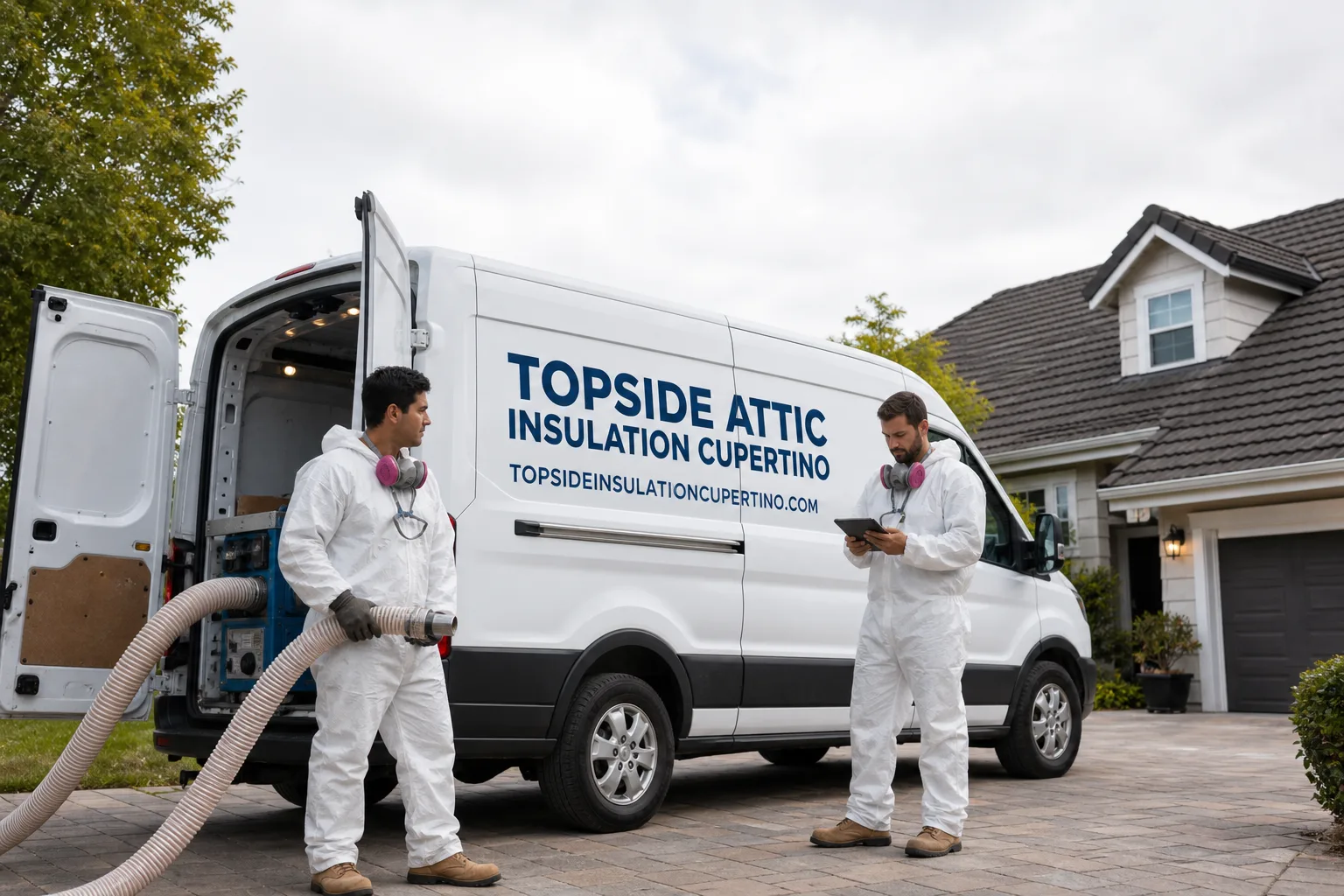
How Much Does Attic Cleaning & Rodent Proofing Cost in Cupertino?
Attic cleaning and rodent proofing in Cupertino typically runs between $1,200 and $4,800 for a single-family home, with most jobs landing around $2,000 to $3,200 when insulation removal and full exclusion work are included. The wide spread comes down to three things: how badly the attic has been contaminated, how large the space is, and whether the rodent entry points are straightforward or buried in a 1960s framing system with half a dozen hidden gaps. We price every job in writing before a crew touches anything – no exceptions.
Attic Cleaning & Rodent Proofing Cost Breakdown (2026)
Most homeowners in Cupertino contact us after finding evidence – droppings, chewed wiring, a smell they can’t locate – and want to know what the total bill looks like before committing. Here’s how the work breaks down by task, priced for the Cupertino market as of 2026.
| Service Component | Typical Cost Range (Cupertino, 2026) | Notes |
|---|---|---|
| Attic inspection and assessment | $0 – $150 | Free with full-service booking at Topside; some contractors charge a diagnostic fee |
| Contaminated insulation removal (per 1,000 sq ft) | $600 – $1,400 | Blown-in is faster to extract; batts take longer and drive labor costs up |
| Attic sanitizing and deodorizing | $300 – $700 | Includes enzymatic treatment of droppings and urine-soaked sheathing |
| Rodent exclusion (sealing entry points) | $400 – $1,200 | Homes in Monta Vista and older Rancho Rinconada neighborhoods often have more penetrations to seal |
| Insulation replacement after removal (per 1,000 sq ft) | $900 – $2,200 | Blown-in fiberglass or cellulose most common; air sealing of top plates included at Topside before new insulation goes in |
| Attic air sealing (top plates, can lights, penetrations) | $350 – $950 | Billed separately by most contractors; included as a prerequisite at Topside under Envelope Insulation Co.’s sealed-first protocol |
| Dead rodent removal and trap clearing | $150 – $400 | Sometimes bundled; ask for an itemized scope in writing |
| Full-service job (inspection + removal + sanitize + exclusion + replacement) | $2,200 – $4,800 | Most common scope for a 1,500-2,000 sq ft Cupertino home with moderate contamination |
A few numbers worth knowing before you call anyone: the median single-family home in Cupertino sits at around 1,800 square feet of living space, which typically means 1,400 to 1,700 square feet of attic floor. A job that scope costs between $2,400 and $3,800 when all phases are included – inspection, removal, sanitizing, exclusion, and blown-in replacement with proper air sealing underneath. If your attic is over a crawl space section or has a finished room above it that narrows the working height below 24 inches, expect labor to run 20 to 30 percent higher because the crew is working on their backs with equipment they can barely swing.
Partial-service jobs – where a homeowner wants exclusion only, without insulation removal – run $600 to $1,600 depending on the number of entry points. That’s a legitimate option if the contamination is light and the insulation is less than three years old. But if the insulation has absorbed rodent urine, sealing the outside without removing what’s inside leaves a long-term odor and air quality problem. We’ll document what we find with photos and give you the scope in writing so you can make that call with real information, not a sales pitch.
What Affects Attic Cleaning & Rodent Proofing Pricing in Cupertino
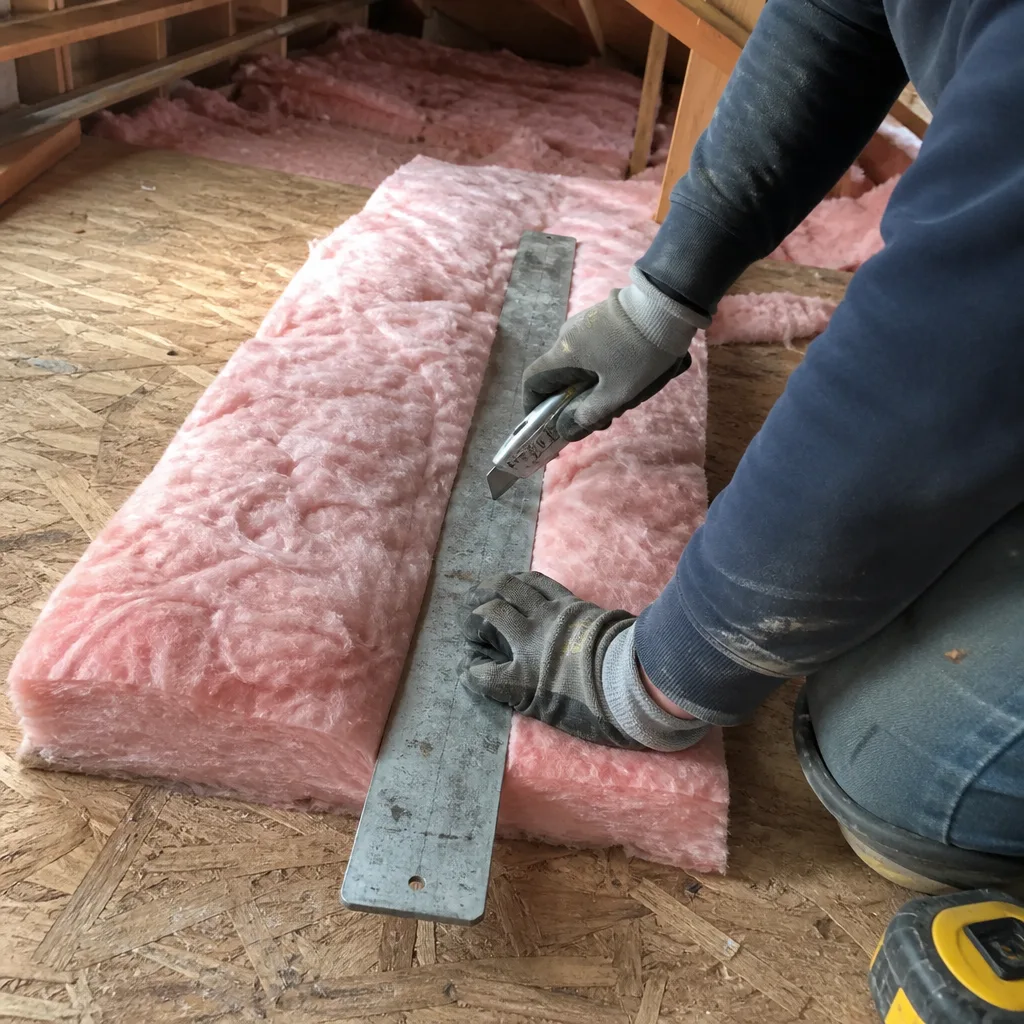
Cupertino sits in a geography that creates specific pressures on attic work. The western edge of the city runs into the lower foothills of the Santa Cruz Mountains, and the older neighborhoods east of De Anza Boulevard were largely built in the 1950s through 1970s with construction methods that leave gaps rodents don’t need a second invitation to use. Here’s what actually moves the number up or down:
- Attic size and accessible square footage. A 1,000 sq ft attic in a single-story Cupertino ranch costs less to clean than a 2,000 sq ft split-level where half the space has an access hatch the size of a laptop. Every square foot that requires a technician to work in a confined position adds time, and time is the biggest driver of labor cost.
- Severity and age of contamination. A recent infestation with a few seasons of droppings clears in a day. An attic that has been hosting roof rats for four or five years – common in the older Monta Vista homes we service – will have nesting material packed into rafter bays, urine-saturated OSB decking, and possibly chewed vapor barrier under the existing insulation. Remediation in those cases can take two days and adds $500 to $1,500 in labor.
- Existing insulation type and depth. Blown-in fiberglass or cellulose gets vacuumed out efficiently with a truck-mounted extraction system. Fiberglass batts stapled between joists take longer because they have to be pulled by hand and bagged. If the existing insulation is R-19 batts laid over R-11 batts – a configuration we regularly find in homes on the De Anza College corridor – plan for the longer removal timeline.
- Number and complexity of entry points. The average Cupertino home built before 1985 has 8 to 14 entry points a technician needs to assess: gable vents, fascia gaps, roof-to-wall junctions, HVAC penetrations through the top plate, and open plumbing chases. Homes along the Regnart Creek corridor sometimes show rodent tunneling through older crawl-space access panels that connect directly to the attic cavity. Each sealed point takes time and materials; steel mesh, hardware cloth, and expanding foam each have different costs.
- Air sealing required before insulation goes back in. This is where a lot of contractors leave money on the table and homeowners end up with an attic that smells cleaner but still leaks conditioned air. Sealing top plates, recessed light penetrations, and plumbing stacks before new insulation is placed adds $350 to $950 to the job – but a blower-door test – a pressurization reading that shows, in one number, how much air your building envelope is losing – will document the before-and-after result so you can see what you actually paid for. We publish those numbers on every applicable job.
- Access difficulty and house geometry. Townhomes and two-story homes in the newer South Cupertino developments sometimes have attic access only through a secondary bedroom closet with a 22-by-30-inch hatch. Moving equipment through a finished home requires protection for floors and walls – that’s covered in the job price, but it adds setup time. Homes where the attic is segmented by HVAC equipment or structural knee walls take longer to work through completely.
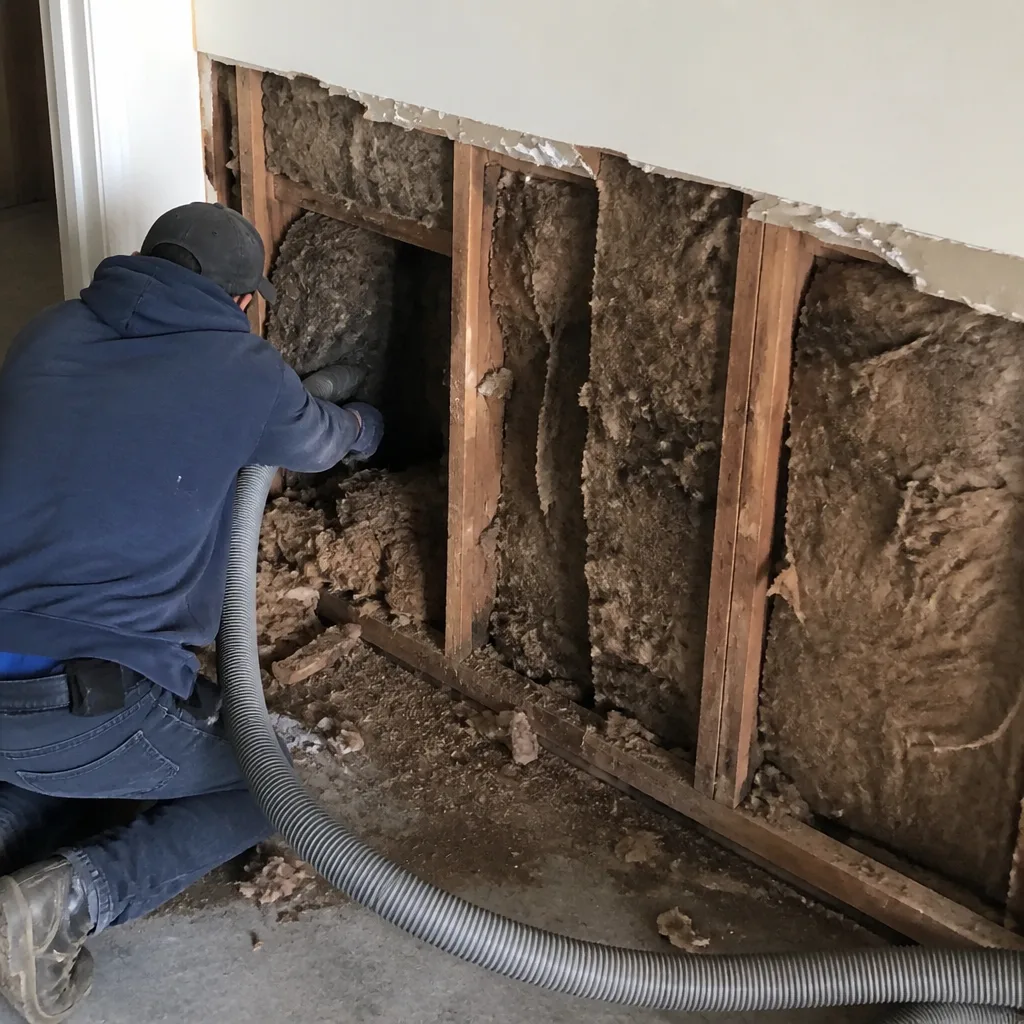 Before
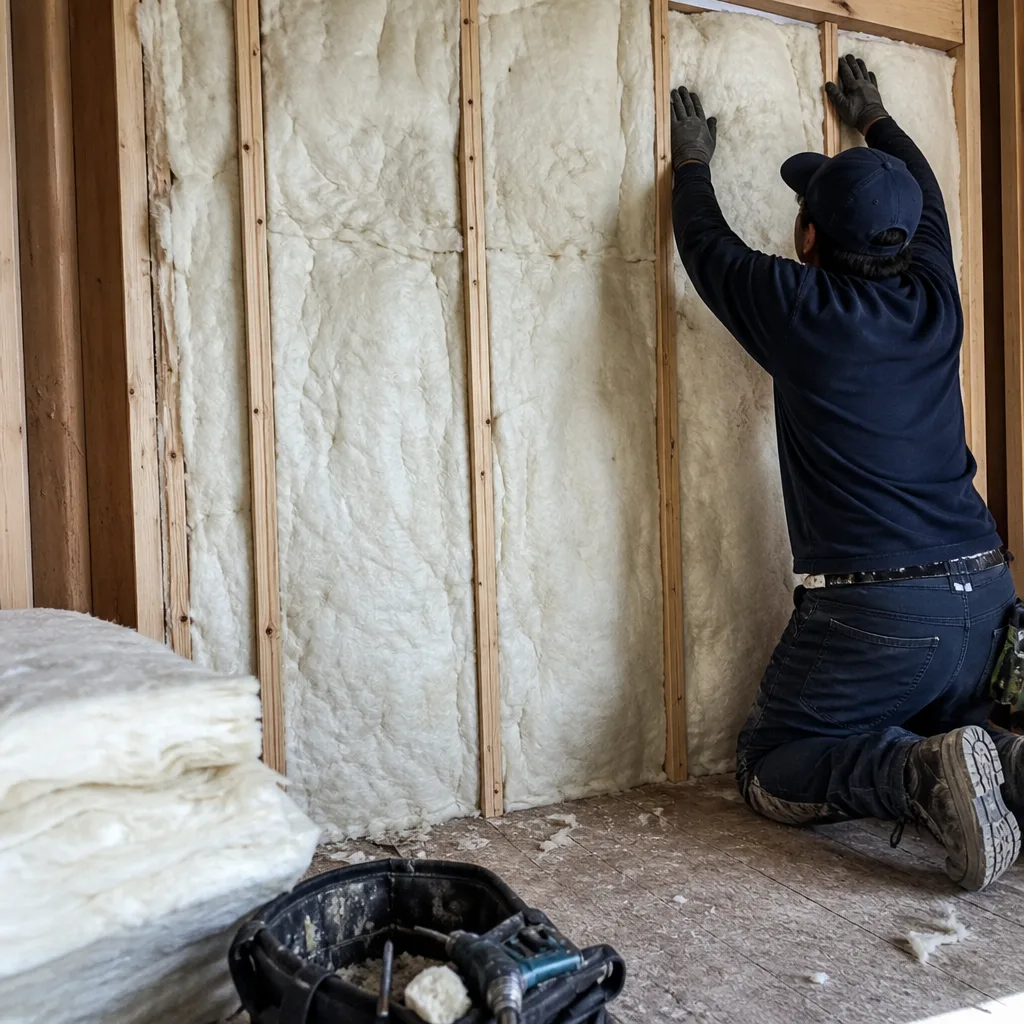 After
AfterWhy Cupertino Homes Are Particularly Vulnerable to Rodent Attic Damage
Roof rats – Rattus rattus, the climbing species – thrive in Santa Clara County. Cupertino’s mature tree canopy, particularly the coastal oaks and fruit trees that are common in the Monta Vista area, creates an aerial highway right to rooflines. The city sits at a transition zone between developed flatland and foothill scrub, and when seasonal rains drive rodents toward shelter in October and November, attics are the first warm, dry space they find.
Homes built between 1955 and 1980 in Cupertino were constructed before modern weather-tight building science was common practice. Fascia boards were often left with small gaps at rafter tails. Gable vents were screened with mesh that corrodes within 15 years. Continuous ridge vents – which became standard in the 1990s – didn’t exist on those roofs, so attic ventilation was achieved through circular aluminum vents that are straightforward for a rat to chew around. A rat needs an opening roughly 3/4 of an inch. Most older Cupertino homes offer dozens of them without modification.
Once inside, roof rats don’t stay near the entry point. They travel the full attic space, nesting in the insulation, chewing through wiring – the CPUC has linked rodent chewing to a portion of residential electrical fires – and leaving behind contamination that doesn’t neutralize itself over time. Hantavirus is rare in Santa Clara County, but the presence of rodent droppings in an attic is a documented air quality issue: when insulation is disturbed during HVAC operation, particulate moves into living space through gaps at the top plate.
That connection between rodent contamination and air quality is exactly why we don’t clean an attic and blow new insulation back in without sealing the floor first. Unsealed top plates, can light housings, and plumbing penetrations let air – and whatever is in the attic – migrate into the conditioned space below. Sealed first, then insulated. That’s the order of operations on every job we run.
How the Work Actually Gets Done – What to Expect
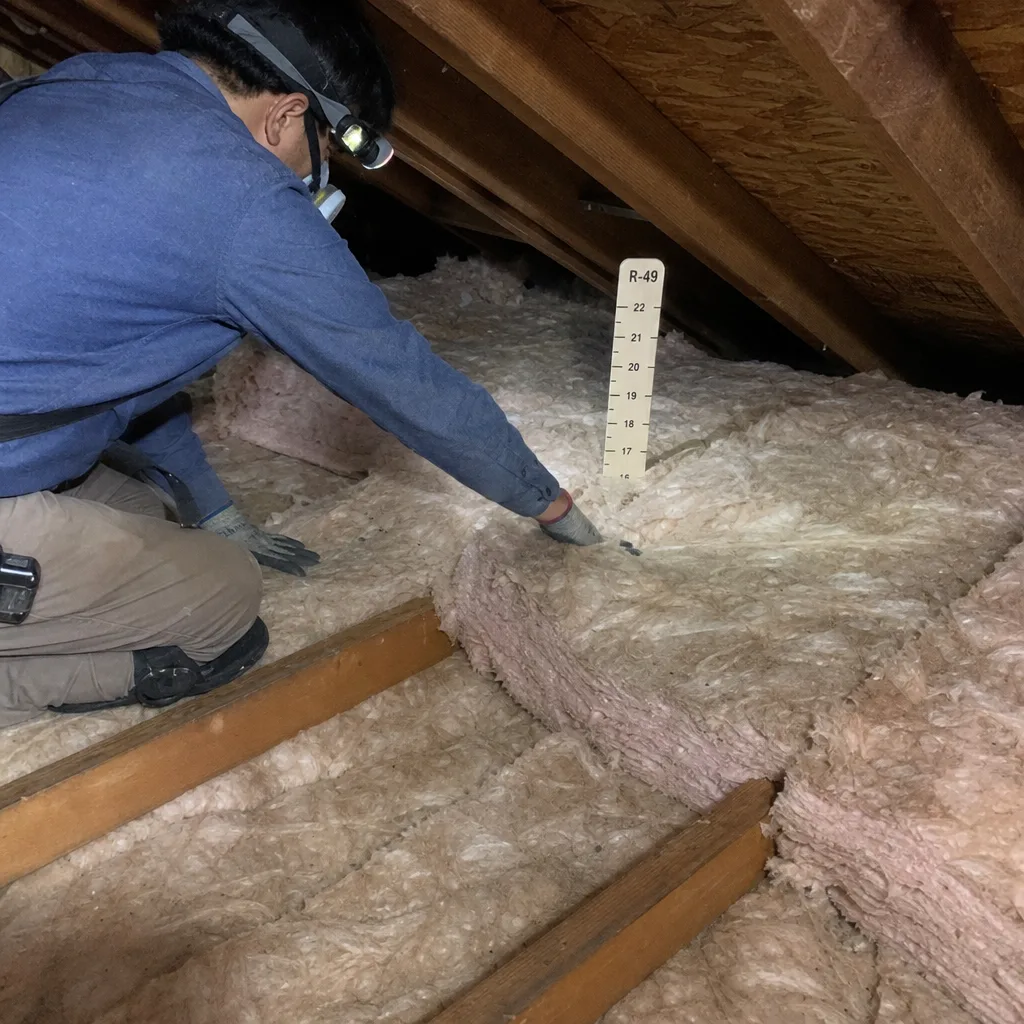
Homeowners sometimes get a quote that lists Attic Cleaning & Rodent Proofing as a single line item with a single number. That makes it hard to know what you’re actually getting. Here’s the sequence we follow, and why each step exists:
- Written assessment before any work starts. A technician accesses the attic, photographs the existing conditions, identifies entry points, measures the space, and documents the contamination level. You receive a written price – flat, not hourly – covering every phase of the work. No work starts without your signature on that scope. Under Haven Standard Clause 1, the written price is a prerequisite, not a formality.
- Contaminated insulation removal. We use a truck-mounted vacuum with a long flex hose threaded through the attic hatch. Debris is bagged and sealed at the truck. Nothing moves through your living space without containment.
- Sanitizing and enzymatic treatment. Once the insulation is out and the attic floor is exposed, droppings, urine staining, and nesting material are treated with an enzymatic solution that breaks down organic compounds rather than just masking them. This is the step that determines whether the smell returns in six months.
- Structural inspection and documentation. With the insulation out, we can see the attic floor – top plates, penetrations, duct connections, and electrical runs – clearly. We photograph everything before the next phase begins.
- Air sealing. Top plates, recessed light housings, plumbing and electrical penetrations are sealed with the appropriate material: two-part spray foam for larger gaps, fire-rated caulk around fixtures, rigid blocking where a gap exceeds what foam can bridge. This is done before insulation goes back in. A blower-door test – when the job scope calls for it – gives a before-and-after CFM50 reading that documents what the sealing accomplished.
- Rodent exclusion. Every identified entry point on the exterior – gable vents, fascia gaps, roof penetrations – gets sealed with steel mesh, hardware cloth, or galvanized sheet metal as appropriate for the opening type. Foam alone is not sufficient for exclusion; rats chew through it. We document each point sealed with a photo.
- Insulation replacement. New blown-in insulation is installed to the depth specified in the written scope, which meets or exceeds current California Title 24 requirements for the Cupertino climate zone. Materials come from manufacturers including Owens Corning, Johns Manville, and GreenFiber – no proprietary product lock-in.
- Documented photo record delivered. Before we pack up, you receive a complete photo record of the job: before and after images for every phase. The 365-Day Done Right Promise covers the completed work – if anything isn’t right within the first year, we make it right.
How to Save on Attic Cleaning & Rodent Proofing in Cupertino
The most direct way to keep the cost down is to address a rodent situation before it becomes a multi-season problem. An attic that’s been contaminated for one season typically costs $1,200 to $2,200 to fully remediate. The same attic after three years of unchecked activity is a $3,500 to $5,000 job. Early detection saves real money, not a vague amount – real money, with a specific spread you can plan around.
A few other approaches that actually work:
- Bundle removal with insulation replacement. Contractors price mobilization separately from labor. If you’re going to need new insulation within two years anyway – and most Cupertino homes built before 1990 are running R-11 to R-19 when current Title 24 recommendations for Climate Zone 4 are R-38 to R-60 – doing both at once saves one mobilization cost and one round of access setup. Combined jobs typically run 10 to 20 percent less than separate service calls.
- Get a second opinion on any written estimate. We offer a free second opinion on any written estimate from another contractor. Bring us their scope and we’ll read it with you – line by line – and tell you what’s in it, what’s missing, and how our price compares. That offer is open to every Cupertino homeowner, regardless of whether we end up doing the work.
- Check for California HERO or local utility rebates. If the job includes air sealing and insulation upgrade, you may qualify for rebates through PG&E’s energy efficiency programs. The amounts change year to year, but $200 to $600 in rebates for qualifying insulation work in Santa Clara County is realistic. Ask for the documentation you’ll need to file – we provide it as part of the Documented Photo Record.
- Don’t pay for an hourly estimate when a written flat price is available. Some contractors in the Cupertino market quote attic cleaning on a time-and-materials basis. That’s a legitimate billing model for unpredictable work, but it makes it impossible to compare quotes. A written flat price – which is how we bill every job – lets you compare apples to apples.
- Address tree and landscaping contact points before the job, not after. If a branch is touching your roofline, trim it before the exclusion work is done. It costs nothing extra and removes the route rodents use to get back to the spots you just sealed. Cupertino’s urban forest ordinances do restrict some tree trimming, so check with the city’s Public Works department if the tree is in the right-of-way.
For a free written estimate – a flat price, not a range that triples at the invoice – call (831) 217-8521. A live person answers; no voicemail queue, no callback window measured in business days.
Attic Cleaning vs. Full Rodent Proofing: What’s the Difference in Cost?
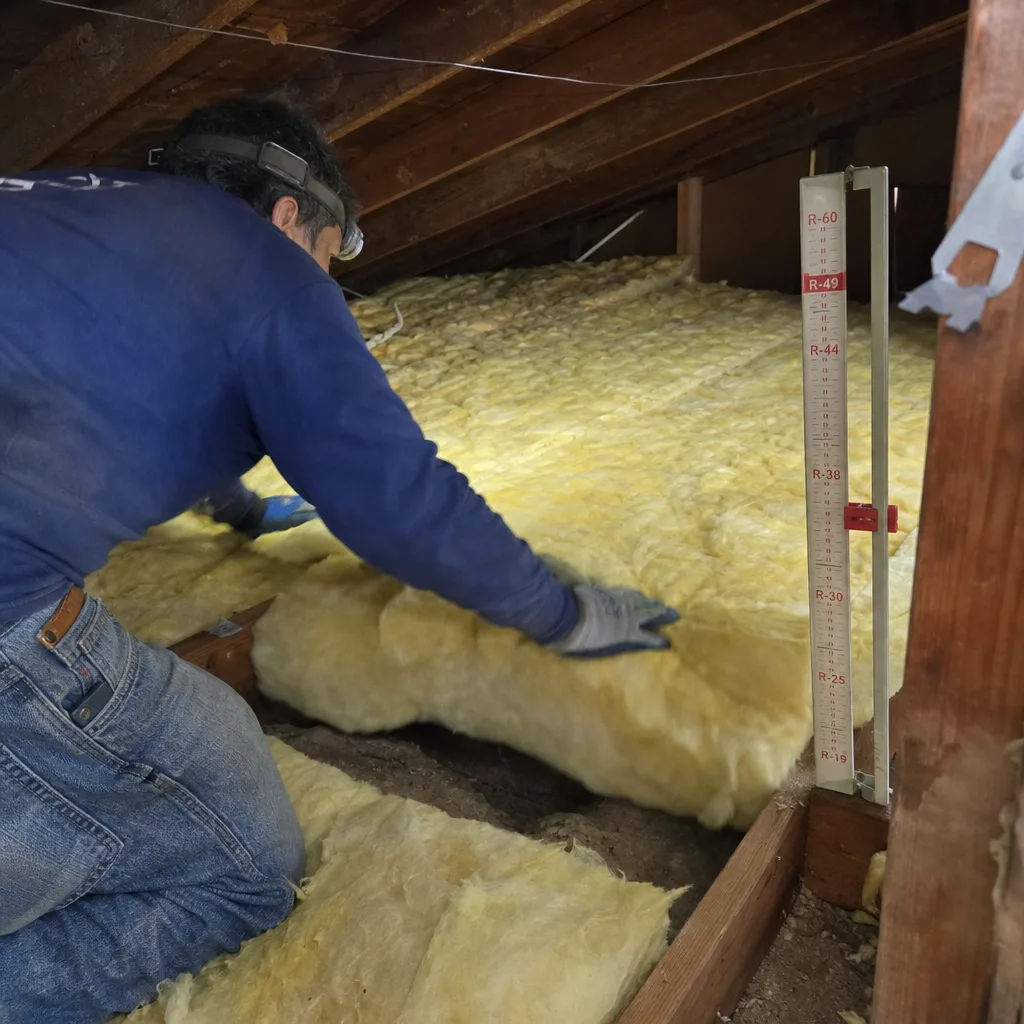
These two services are often quoted together, but they address different problems, and it’s worth knowing what you’re paying for in each.
Attic cleaning covers the remediation side: removing contaminated insulation, sanitizing the attic floor and surfaces, removing nesting material and debris, and restoring the space to a condition where new insulation can be safely installed. Attic cleaning without exclusion work does not prevent re-entry. Rodents will find their way back in through the same entry points, often within one season.
Rodent proofing – exclusion work – addresses the source. A technician surveys the exterior of the home, identifies every opening a rodent can use, and seals each one with materials the animal can’t chew or push through. This includes gable vents (restoring or replacing corroded screening), fascia board gaps at rafter tails, roof-to-wall junctions, and any plumbing or electrical penetration that enters the building envelope near the roofline.
Full Attic Cleaning & Rodent Proofing in Cupertino combines both scopes. Most homeowners who’ve had an active infestation need both – cleaning without proofing is a temporary fix, and proofing without cleaning leaves contamination in place. The combined scope is what we price by default, though we’ll write a partial scope if that’s what your situation calls for and your budget requires.
FAQs – Attic Cleaning & Rodent Proofing Cost in Cupertino
How much does attic cleaning cost in Cupertino for an average-size home?
For a Cupertino home with roughly 1,500 to 2,000 square feet of attic floor, attic cleaning alone – removal of contaminated insulation, sanitizing, and debris removal – runs between $1,100 and $2,600, depending on contamination severity and insulation type. Add rodent exclusion and insulation replacement, and the full-service scope lands between $2,400 and $4,800 for that same size home. These are flat-price ranges, not hourly estimates; your written quote will name a specific number before any work starts. Call (831) 217-8521 for a free on-site estimate.
Is rodent proofing worth the cost, or can I just re-insulate?
Re-insulating without exclusion work typically means you’re back to square one within 12 to 24 months. Roof rats return to familiar entry points because they use pheromone trails – and those trails persist even after cleaning if the entry points are still open. Exclusion work runs $400 to $1,200 as a standalone service in Cupertino; added to a full remediation job, the incremental cost is lower because the technician is already on-site and already has the attic mapped. The exclusion work carries a documented scope with photos of every sealed point, so you have a record of what was done. Call (831) 217-8521 to get a written price that breaks down each phase.
How long does attic cleaning and rodent proofing take in Cupertino?
Most single-story Cupertino homes with moderate contamination are completed in one day – typically six to eight hours for a crew of two. Two-story homes, heavily contaminated attics, or jobs that include full insulation replacement may run into a second day. The written scope you receive before work starts will name the expected timeline. If a job runs longer than projected due to conditions not visible at inspection, that doesn’t change your flat price – the written scope is what you pay.
Does homeowner’s insurance cover rodent damage in Cupertino?
Most standard homeowner’s insurance policies in California classify rodent damage as a pest problem and exclude it from coverage – the same way they treat termite damage. A small number of policies cover secondary damage (such as a fire caused by chewed wiring), but not the remediation work itself. Check your policy’s exclusions under “vermin” or “infestation.” If you’re filing a claim for related electrical damage, the Documented Photo Record we provide can serve as supporting documentation for the claim. Call (831) 217-8521 if you need a written scope formatted for an insurance review.
Can rodent proofing be done without removing the existing insulation?
Yes, if the contamination is light and the insulation is recent. Exclusion-only work – sealing entry points without removing insulation – runs $600 to $1,600 for most Cupertino homes and can be completed in a few hours. The condition is that the existing insulation is dry, structurally sound, and not heavily saturated with rodent urine. If the insulation has been contaminated for more than one season, the organic material in it continues to off-gas even after the rodents are gone. We’ll assess that in writing during the inspection and give you the recommendation with photos, not just a verbal opinion. Call (831) 217-8521 for a free estimate that separates the exclusion scope from the remediation scope so you can make an informed decision.
Key Takeaways
- Full attic cleaning and rodent proofing in Cupertino runs $1,200 to $4,800 for a typical single-family home, with most jobs between $2,400 and $3,800 when all phases are included.
- Contamination severity and attic size are the two biggest cost drivers; early detection can save $1,500 or more compared to a multi-season infestation.
- Exclusion work without insulation removal is a legitimate option for light contamination; full remediation is the right scope when insulation has been saturated.
- Air sealing before insulation replacement is not an upsell – it’s what prevents conditioned air (and attic air quality issues) from migrating into living space through unsealed top plates and penetrations.
- Every job comes with a written price before work starts, a Documented Photo Record, and coverage under the 365-Day Done Right Promise.
- PG&E rebates for qualifying insulation work in Santa Clara County can offset $200 to $600 of the cost on jobs that include air sealing and insulation upgrade.
Get a Written Price Before Anyone Touches Your Attic
Topside Attic Insulation Cupertino runs every job under Envelope Insulation Co.’s Haven Standard: a flat written price and complete scope before work starts, a Documented Photo Record when the crew leaves, and a 365-Day Done Right Promise on every completed job. We’ve sealed and insulated more than 9,000 homes since 2016, and the protocol is the same on every one of them – written price first, no exceptions.
If you’ve already received a written estimate from another contractor, we’ll review it with you at no charge. Bring the scope; we’ll read it line by line and tell you what’s in it and what’s not.
To schedule a free on-site estimate for attic cleaning and rodent proofing in Cupertino, call (831) 217-8521. A live person answers – no voicemail, no callback queue. You can also learn more about the full range of building-envelope services on our home page.
Written by Wes Okafor, Owner at Topside Attic Insulation Cupertino, serving Cupertino, CA since 2016. Pricing reflects the Cupertino market as of 2026. Topside Attic Insulation Cupertino offers free estimates – call (831) 217-8521.
What Our Customers Say
"Crawl space encapsulation done properly. Photographs of the vapour barrier at every seam, and the damp smell in the hallway is gone."
- Ainsley P."Fixed price, clean work, and they hauled the old material away as agreed."
- Todd M."Turned up on time, protected the hallway, and the written scope matched what was actually done."
- Bruno S.