
GreenFiber Home Energy Audit in Cupertino: What to Know First
We provide independent GreenFiber home energy audit in Cupertino, typically scheduling within 48 hours and completing most audits same-day. A full diagnostic runs $280-$450 for a single-family home under 2,500 square feet, with written findings delivered before we leave the property. This page is for GreenFiber owners in Cupertino who need to know whether their insulation, air sealing, or duct system is performing as specified - and want the numbers to prove it, not a sales pitch wrapped in a clipboard. Call (831) 217-8521 to schedule or to get a free second opinion on any written estimate you’ve already received.
How GreenFiber Products Fail - and How We Fix Them
- GreenFiber All Borate Cellulose settling below labeled R-value in Rancho Rinconada attics. The loose-fill settles 10-15% in the first two years, but in Cupertino’s dry summers and occasional winter rains, we’ve measured 20% settlement in homes where the original installer skipped the intermediate depth markers. We pull core samples, measure actual depth against the bag count, and calculate the installed R-value against what was promised. If it’s short, we top off to true depth and mark the joist bays so the next inspector can verify.
- GreenFiber Sanctuary blown-in wall insulation creating thermal bypasses in older Cupertino split-levels. The dense-pack method requires 3.5 pounds per cubic foot to resist settling in vertical cavities. We’ve found homes near the foothills where the material was blown at standard attic density, leaving gaps at the top plate and around electrical boxes that show up as 15-degree surface temperature differences on our FLIR camera. We re-dense-pack to spec and seal the top plates with acoustic sealant before the repair is closed.
- GreenFiber Low Dust formula failing to bond around irregular framing in pre-1980 Cupertino construction. The low-dust binder can bridge across bay obstructions rather than filling behind them, creating voids we catch with boroscope inspection. We remove the bridged material, hand-pack the voids with standard-binder GreenFiber, then verify fill density with a wall-cavity pressure test.
- GreenFiber stabilized cellulose in vented attics absorbing moisture from Cupertino’s marine air layer. The borate treatment resists mold, but when attic ventilation is compromised by painted-over soffit vents or bathroom fans dumping into the space, we’ve recorded moisture content above 25% - the threshold where even treated cellulose begins to degrade. We fix the ventilation first, replace saturated material, and install continuous ridge venting where the original design is inadequate.
- GreenFiber subflooring insulation in crawl spaces losing contact with the floor above. The friction-fit batts sag when crawl space humidity cycles above 70%, which happens regularly in Cupertino’s spring when the marine layer pushes inland. We find detached batts hanging an inch or more below the subfloor, creating a convection loop that nullifies the R-value. We re-secure with mechanical fasteners and add a vapor barrier to the crawl floor to stabilize conditions.
Our GreenFiber Home Energy Audit Process
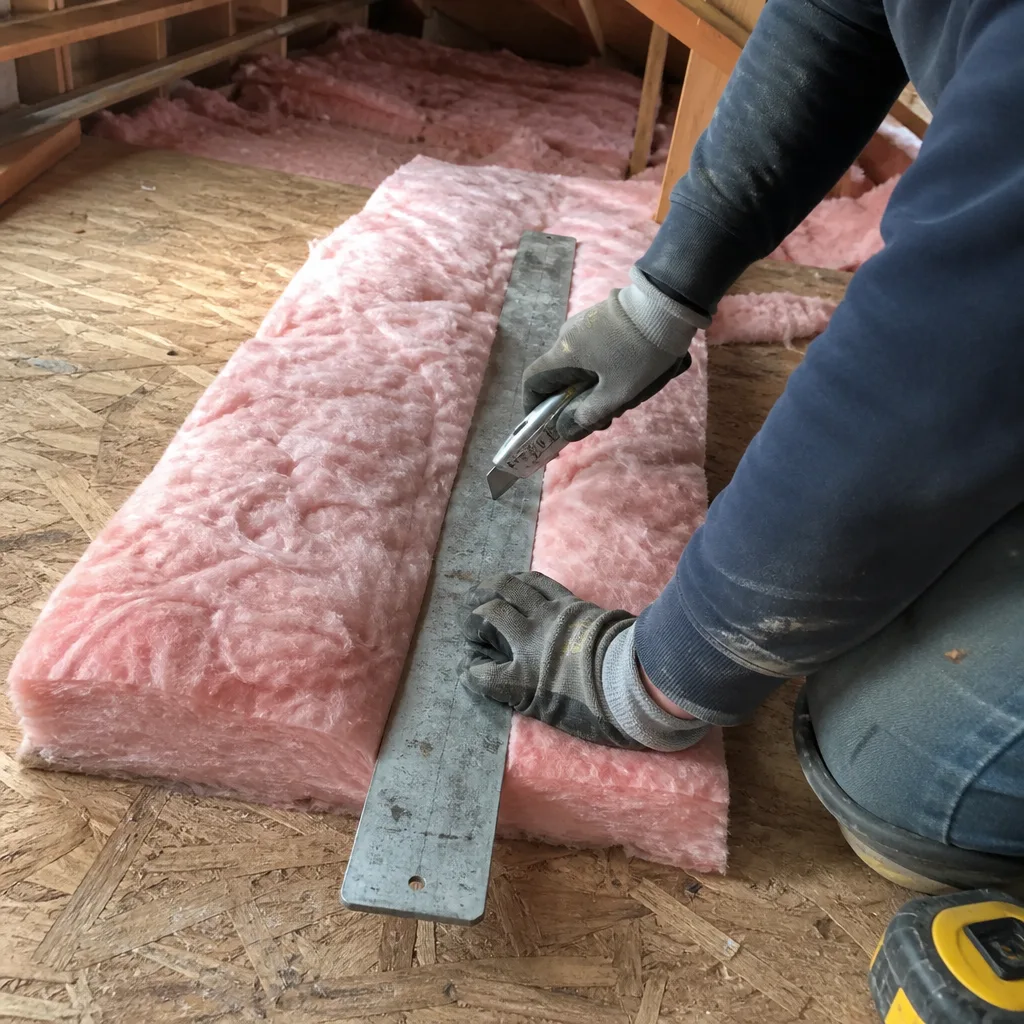
- 1
Call intake with a live person. We ask the year built, the last insulation work date, and any comfort complaints - hot rooms, high bills, musty attic smell. We schedule the audit and text you the technician’s name and photo the morning of.
- 2
Blower-door test on arrival. We pressurize the house to 50 pascals and record the CFM50 - the baseline air leakage in cubic feet per minute. In Cupertino homes built 1960-1990, we typically see 3,500-5,500 CFM50 before any work.
- 3
Thermal imaging and physical inspection. We scan with FLIR, then verify anomalies with a boroscope in wall cavities and a core sampler in attic cellulose. We photograph every finding; these go in your report.
- 4
GreenFiber-specific assessment. We check installation density, depth markers, settlement patterns, and whether the product line matches the application - Low Dust where it shouldn’t be, standard fill where dense-pack was specified. We note any warranty-voiding conditions like water staining or rodent damage.
- 5
Written findings and pricing before we leave. You get the blower-door number, the thermal images with temperature readings, the core sample depths, and a flat price for any recommended work. No work starts without a signed scope and written price - Haven Standard Clause 1.
- 6
Post-repair verification. If we do the work, we run the blower door again and publish the before-and-after numbers. You walk away with a documented record: photos, readings, scope, and warranty.
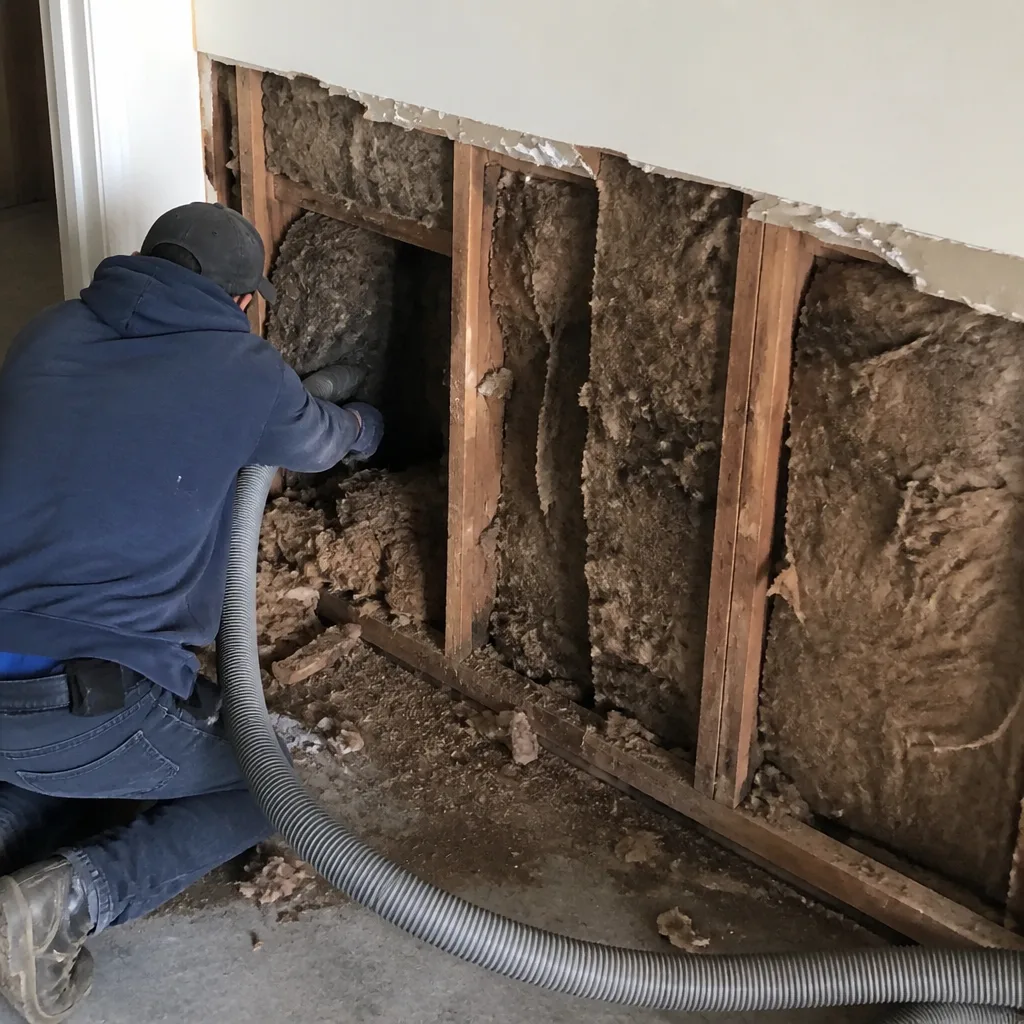 Before
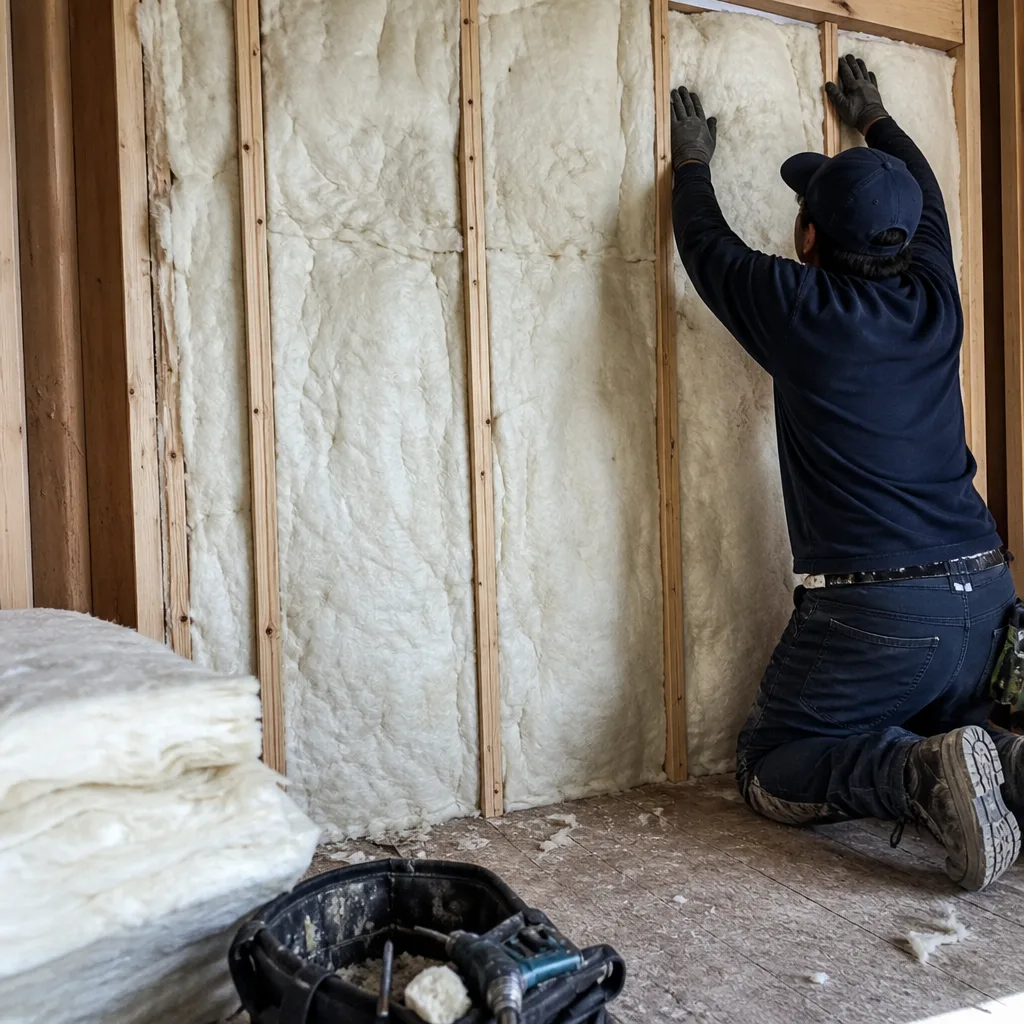 After
AfterWhat GreenFiber Home Energy Audit Costs in Cupertino
| Service | Typical Range | What Moves the Price |
|---|---|---|
| Standard home energy audit (under 2,500 sq ft) | $280-$450 | Number of HVAC zones, accessibility of attic/crawl |
| Large home or multi-zone audit (2,500-4,000 sq ft) | $450-$680 | Duct leakage testing adds $120-$180 |
| GreenFiber-specific failure investigation | $180-$320 | Core sampling, boroscope work, moisture content testing |
| Written repair estimate (included with audit) | No charge | - |
Homes in the Cupertino foothills often cost 10-15% more due to crawl space access constraints and the multi-level construction common in that area. We also service Reflectix radiant barrier systems if your audit reveals that’s part of your envelope. Call (831) 217-8521 for an exact quote - estimates are free, and we provide free second opinions on any written estimate you’ve already received.
Why Cupertino Homeowners Call Topside Attic Insulation Cupertino for GreenFiber Work
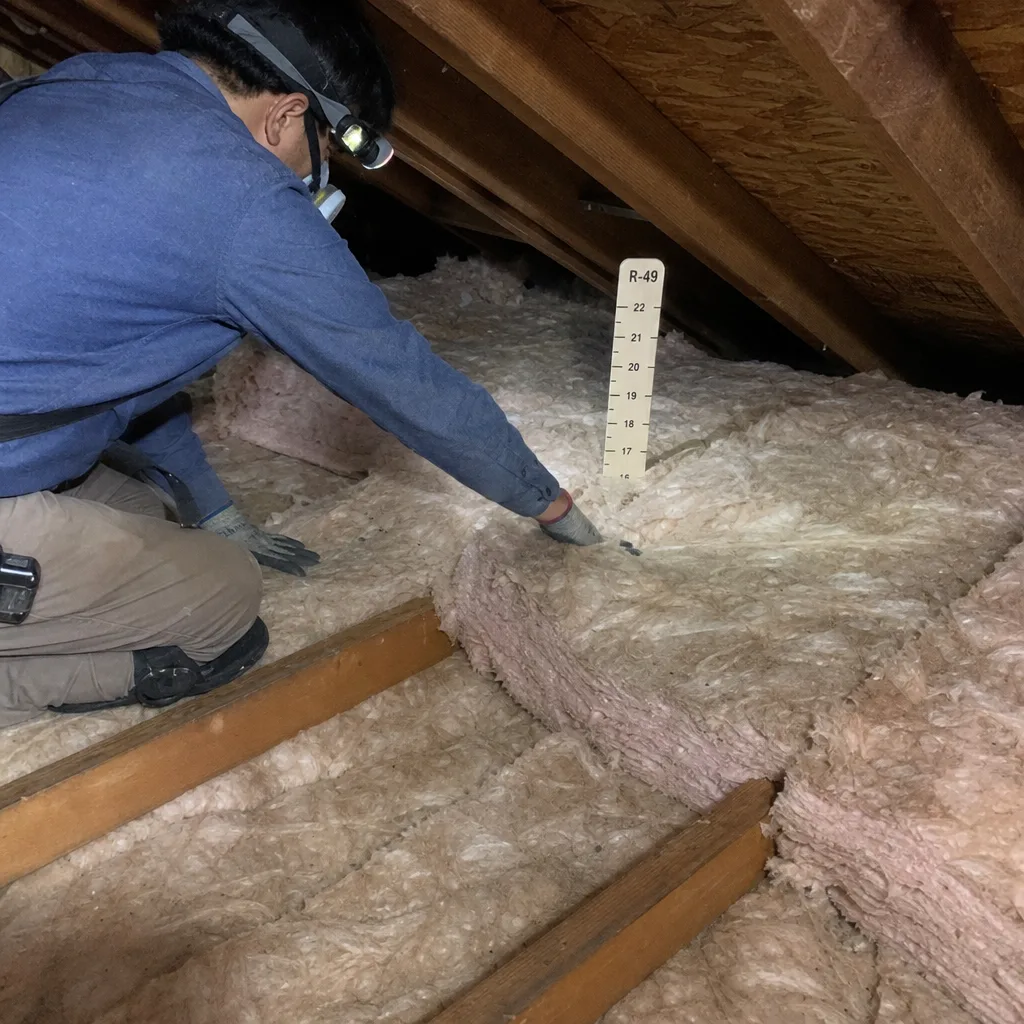
We’ve completed jobs from tract homes near Rancho Rinconada to the split-levels backing up to the Cupertino foothills, and we’ve documented every one. The 365-Day Done Right Promise applies to all work, backed by a written scope and warranty delivered before anyone starts. Our technicians are background-checked, uniformed, and trained on GreenFiber’s full product line - All Borate, Sanctuary, Low Dust, and stabilized formulations - plus the Reflectix systems we encounter in the same attics. We source materials from Owens Corning, Johns Manville, Knauf, Rockwool, CertainTeed, Icynene, Demilec, and GreenFiber with no proprietary lock-in, so we specify what’s right for the condition, not what we’re incented to move. Calls are answered by a live person, 24/7.
Seal the leaks first. Insulation covers problems; it does not fix them.
FAQs
No - an independent inspection by a qualified contractor does not void GreenFiber’s limited warranty, though damage from water, rodents, or improper installation (like the wrong density for the application) is excluded regardless of who finds it. We document conditions photographically so any warranty claim you pursue with GreenFiber has supporting evidence. If you’re unsure whether your issue qualifies, call (831) 217-8521 and we’ll review what we found.
We typically schedule within 48 hours, and most audits are completed same-day in 2-3 hours. Emergency scheduling for comfort or health concerns - a newborn in a home with suspected moldy insulation, for example - can often be accommodated next-day. Call (831) 217-8521 to check current availability.
Repair is viable when the material is dry, uncontaminated, and simply under-installed - settled below spec, or blown at the wrong density. We top off or re-dense-pack and verify. Removal and replacement is necessary when moisture content exceeds 25%, rodent activity is documented, or the wrong product line was used for the application (Low Dust in a wall cavity, for instance). We give you both options in writing with the price for each.
We carry standard GreenFiber formulations and can source specialty lines within 3-5 business days. For most Cupertino repairs, we complete the air-sealing work first and return to install insulation once material is on-site - which also lets us verify the seal with a second blower-door test before the attic is closed. Call (831) 217-8521 to confirm current stock for your specific product line.
You receive a Documented Photo Record of all findings, the blower-door test results in CFM50 and ACH50 (air changes per hour at 50 pascals), thermal images with temperature annotations, core sample depths or boroscope video, and a written scope with flat pricing for any recommended work. This is standard on every visit, not available on request. Wes Okafor reviews every report before it leaves our office.
Written by Wes Okafor, Owner, Topside Attic Insulation Cupertino at Topside Attic Insulation Cupertino, serving Cupertino and nearby areas.