
GreenFiber Radiant Barrier Installation: The Cupertino Owner’s Guide
We stock and install GreenFiber-compatible radiant barrier systems in Cupertino, with most residential attic jobs running between $2,400 and $4,800 depending on attic square footage and whether the existing blown-in cellulose needs repositioning first. Same-day installation is available when we have your attic dimensions and photos ahead of the visit. Most Cupertino homeowners discover their radiant barrier is failing when upstairs rooms won’t cool below 78°F even with the AC running flat out, or when they notice the original foil-facing has gone matte and brittle after a decade of Santa Clara Valley heat cycling.
Which GreenFiber Models This Applies To
GreenFiber does not manufacture a dedicated radiant barrier product line; instead, their radiant barrier applications use Loose-Fill Sanctuary cellulose paired with aftermarket foil-faced systems or Stabilized Spray-Applied configurations with reflective coatings. The critical match is between the existing cellulose depth and the barrier type. Foil-faced radiant barriers require a minimum 3/4-inch air gap to function, which means if your Cupertino attic was dense-packed to R-38 or above, a perforated radiant barrier sheet may have been compressed against the joists and lost effectiveness.
To identify what you have: check the attic for stapled kraft-faced foil sheets (typically 4-foot widths, often branded Fi-Foil or Reflectix if not GreenFiber-labeled), or a spray-applied low-emissivity coating on the roof deck underside. We carry both GreenFiber-compatible foil systems and Reflectix equivalents on our trucks. The aftermarket equivalents we use meet ASTM C1313 for emissivity and won’t void any existing GreenFiber warranty, though Topside Attic Insulation Cupertino is an independent service provider with no affiliation to GreenFiber.
One compatibility gotcha in Cupertino’s 1960s-1980s ranch and split-level stock: the original attic framing is often 2×6 or 2×8, not the modern 2×10 or trussed design. That shallower cavity means a radiant barrier installed without first addressing compression points will underperform by 30-40% according to field measurements we’ve taken near Rancho Rinconada.
Signs Your GreenFiber Radiant Barrier Installation Is Failing
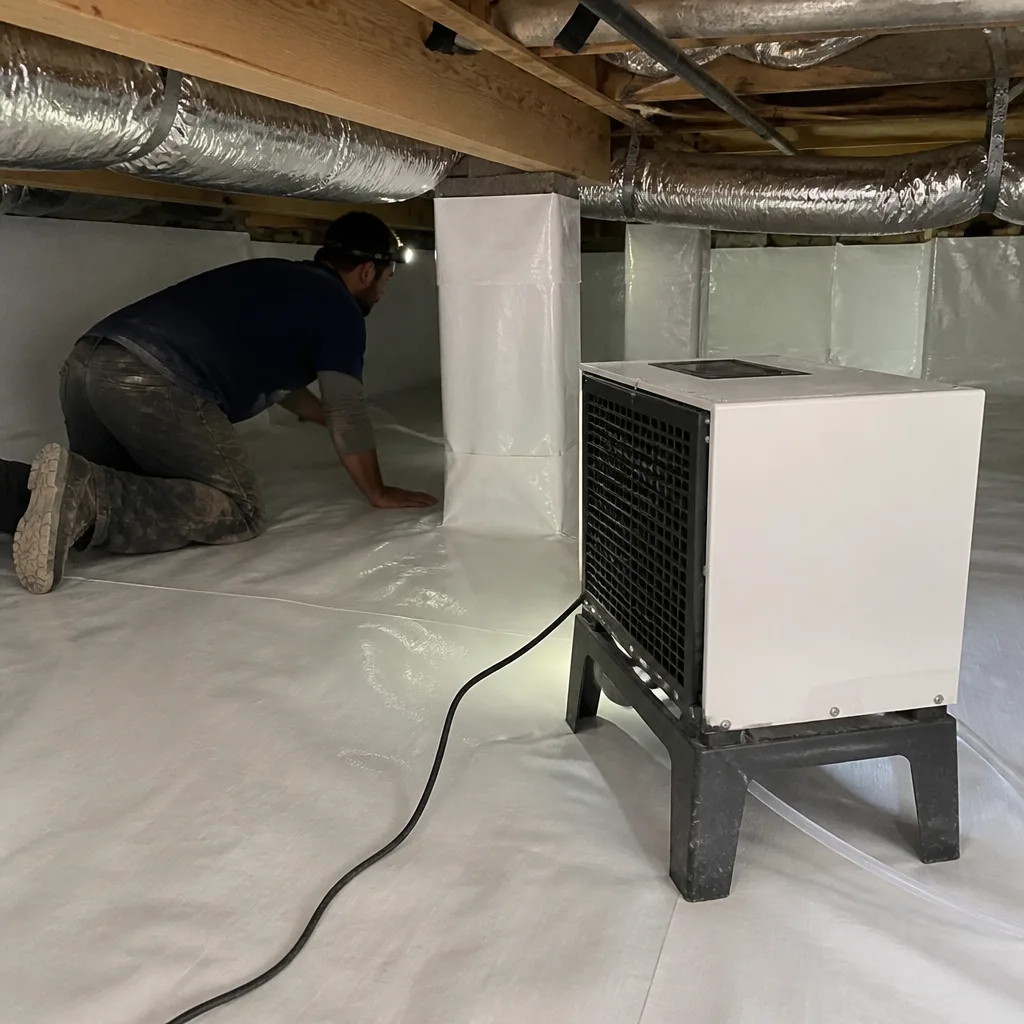
- Upstairs rooms stay hot past 9 PM. A functioning radiant barrier blocks 95% of radiant heat transfer from the roof deck. When the foil oxidizes, delaminates, or gets coated with dust from disturbed cellulose, that figure drops to 60% or below. The thermal mass of your roof keeps dumping heat into living space long after sunset.
- Your PG&E summer bill jumped 20%+ year-over-year with no rate change. We see this pattern in Cupertino homes near the foothills where attic temperatures hit 140°F regularly. The radiant barrier was doing enough work that its failure shows immediately in cooling load.
- Visible dust on the foil surface or foil that tears like tissue paper. GreenFiber cellulose generates fine particulate during settling. Without proper air sealing at the attic floor, that dust migrates upward and coats the reflective surface, turning it into a gray absorber. Brittle foil indicates UV degradation from gable vent exposure or age past 12-15 years.
- Cellulose has shifted or settled, exposing bare drywall ceiling. This is the “polite hole in your ceiling” problem. Wes Okafor has documented this on jobs from older split-levels near Monta Vista High to tract homes off Stevens Creek Boulevard. Unsealed top plates and wire penetrations let conditioned air escape, disturbing the cellulose and creating thermal bypasses the radiant barrier cannot bridge.
- Moisture staining on the roof deck or rafters. A non-perforated radiant barrier installed without proper venting traps humidity against wood. In Cupertino’s mild climate this is less common than in fog-zone cities, but we still find it in homes with blocked soffit vents or bathroom fans vented into attic space.
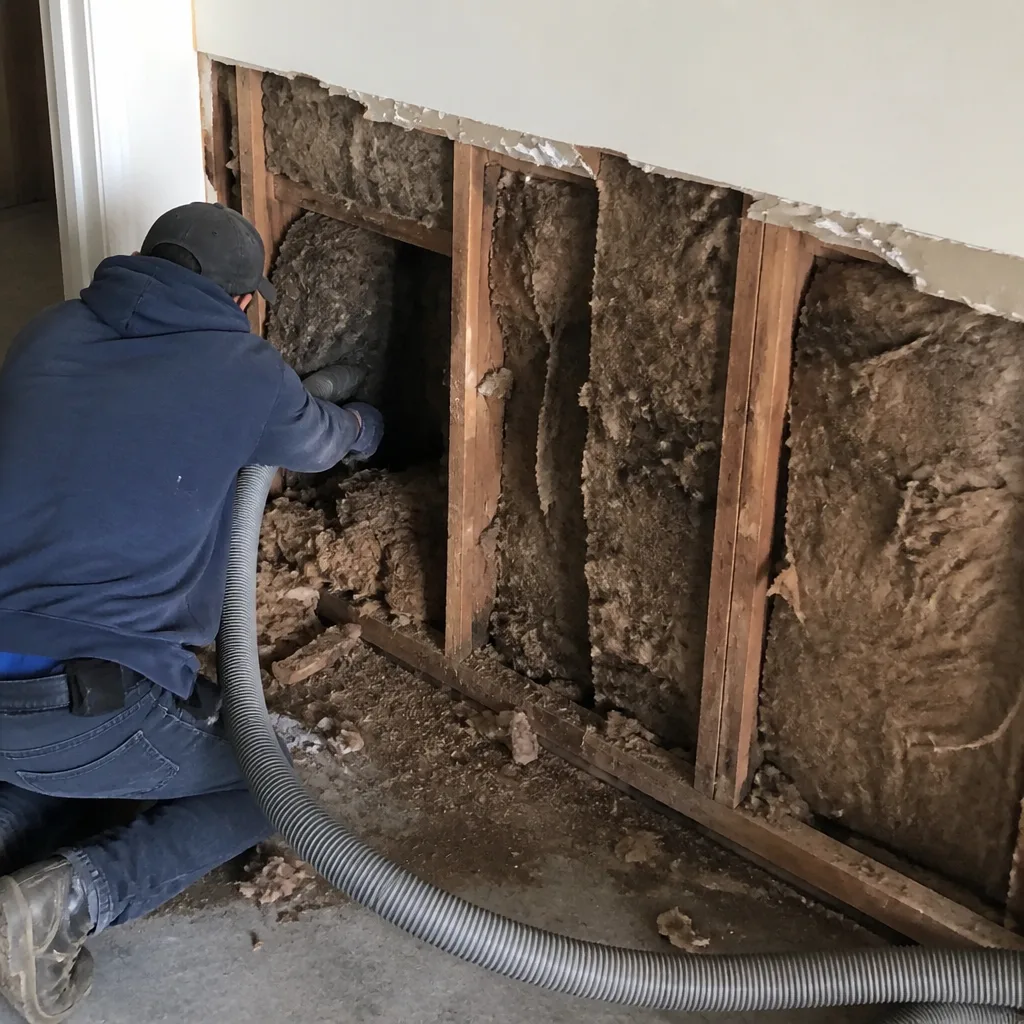 Before
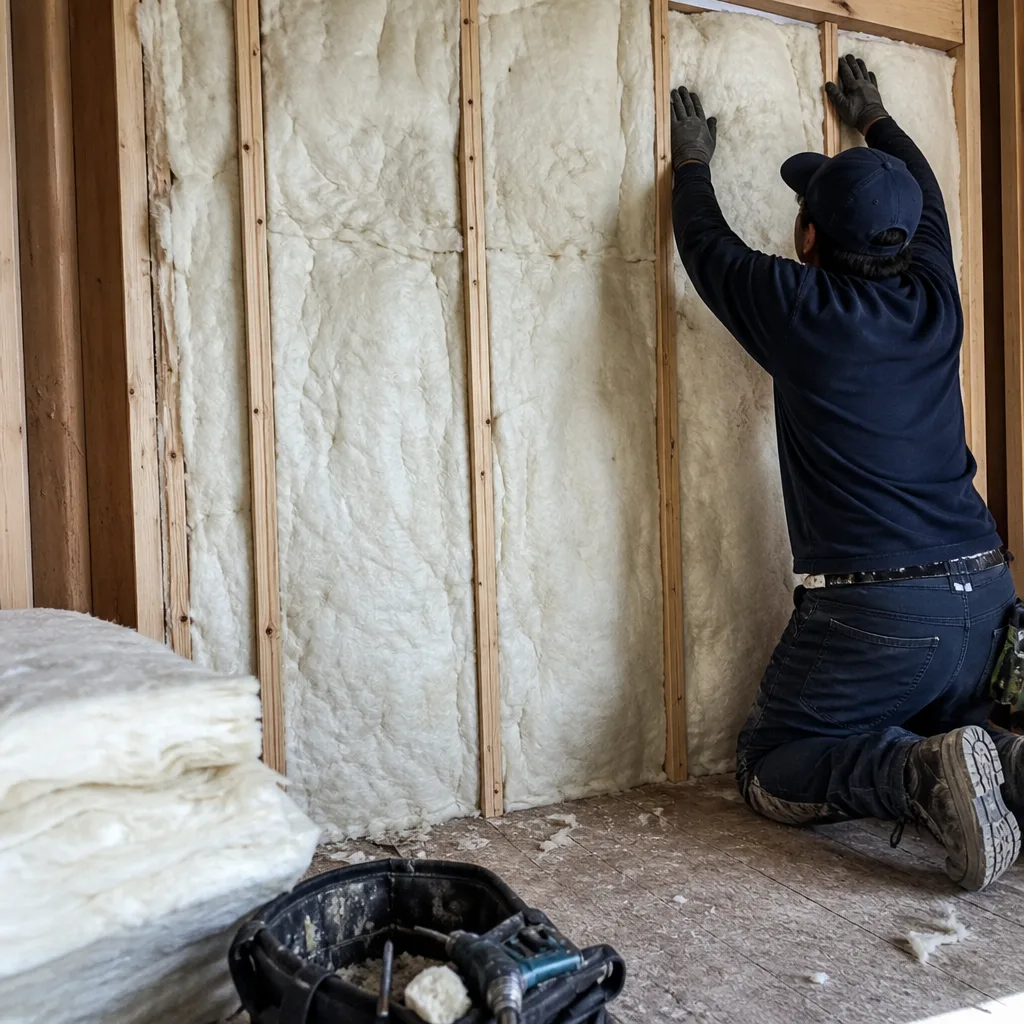 After
AfterReplacement Cost & What’s Included
| Component | Typical Range (Cupertino) |
|---|---|
| Foil-faced radiant barrier sheet (per 1,000 sq ft attic) | $1,800 - $2,800 |
| Spray-applied low-e coating (per 1,000 sq ft roof deck) | $2,600 - $4,200 |
| Attic air sealing (Haven Standard prerequisite) | $600 - $1,200 |
| Cellulose repositioning or top-off | $400 - $800 |
Most Cupertino homes in the 1,200-2,200 square foot range with accessible attics fall in the $2,400-$4,800 total installed. The range moves with attic pitch (steeper = slower work), whether we need to install baffles for soffit vent continuity, and if the existing barrier removal is labor-intensive. Every job gets a Written Price Before Any Work Starts under Haven Standard Clause 1. The 365-Day Done Right Promise covers installation workmanship; materials carry manufacturer warranty.
DIY or Call Us?
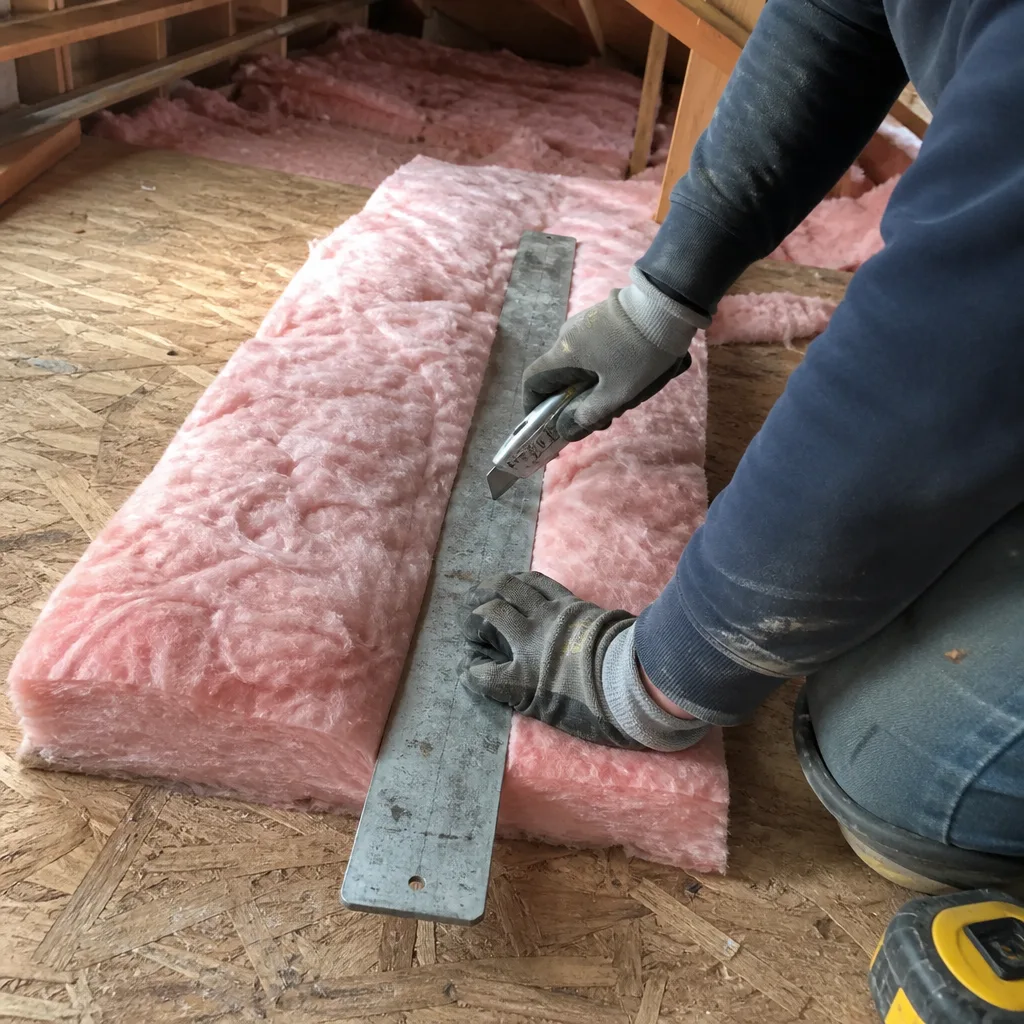
What you can safely check: confirm your attic ventilation is clear (soffit vents unblocked, ridge vent intact), photograph the existing barrier condition from the hatch, and note any brand markings. Do not enter the attic during peak heat hours; surface temperatures exceed 140°F and heat exhaustion arrives fast.
Where DIY goes wrong: radiant barrier performance depends on installation detail most homeowners miss. Foil must maintain that 3/4-inch air gap, must not contact electrical wiring, and must be perforated in certain climate zones to avoid moisture trapping. Spray-applied coatings require respiratory protection and controlled thickness. More critically, installing barrier over an unsealed attic floor is sealing the leaks first. Insulation covers problems; it does not fix them. We’ve pulled down too many “fresh” radiant barriers in Cupertino to recommend that sequence.
Call (831) 217-8521 for a free estimate. We’ll bring a blower-door if the scope warrants it, so you see the actual air leakage number before we spec any work.
FAQs
Foil-faced barriers typically last 12-15 years in Santa Clara Valley before oxidation and dust accumulation degrade performance; spray-applied coatings last 10-12 years if the roof deck remains sound. Cupertino’s lower humidity versus coastal cities helps, but summer attic temperatures above 140°F accelerate aging. Call (831) 217-8521 if you’re past year 10 and seeing heat issues - estimates are free.
Localized tears or detached seams can be patched with matching foil tape, but this is usually a short-term fix. Once the reflective surface is oxidized or dust-coated, cleaning restores perhaps 60% of original performance and risks further damage. Full replacement with current-spec material is the only way to return to rated emissivity. Call (831) 217-8521 and we’ll show you photos from a recent Cupertino job with the difference documented.
Most residential replacements in Cupertino run one to two days: half day for air sealing and prep, half day for barrier installation, plus any cellulose repositioning. Larger attics or steep pitches add time. We stock GreenFiber-compatible and Reflectix materials on our trucks, so material delays don’t happen. Call (831) 217-8521 to schedule - live person answers 24/7.
We stock perforated foil radiant barrier rolls, spray-applied low-e coating kits, and compatible fasteners and tapes on every Cupertino-area truck. We do not stock GreenFiber-branded cellulose itself for radiant barrier jobs, as the existing material is typically reused or topped off with matching loose-fill. Call (831) 217-8521 with your attic dimensions and we’ll confirm material availability for your install date.
Written by Wes Okafor, Owner, Topside Attic Insulation Cupertino at Topside Attic Insulation Cupertino, serving Cupertino and nearby areas.