
Demilec Attic Air Sealing: The Cupertino Owner’s Guide
We stock and install Demilec-compatible attic air sealing components for Cupertino homes, with most jobs running between $1,800 and $3,400 installed depending on attic square footage and bypass complexity. Same-day service is available when we have your model specs by 10 a.m. Most Cupertino homeowners discover their Demilec air sealing has failed when rooms stay cold despite new insulation, or when a recent energy audit flags attic bypasses the original crew never sealed.
We see this pattern often in Cupertino’s 1960s-1980s ranch and split-level stock: Demilec spray foam or sealant was applied to top plates and penetrations, but thermal cycling in our Santa Clara Valley climate eventually cracks the bead, or the original installation missed chase ways and dropped soffits entirely. The insulation looks fine from below. The leaks are invisible until you pressurize the house.
Which Demilec Models This Applies To
Demilec does not use a single “attic air sealing kit” part number. Instead, we match the sealant type and application method to what was originally installed. The most common Demilec products we encounter in Cupertino attics are the Heatlok HFO Pro series (closed-cell spray foam, typically 2-3 inches on top plates) and the Demilec Sealection 500 (open-cell, often used for irregular penetrations and around masonry chimneys). Check the cured foam itself: Heatlok HFO Pro cures to a rigid, yellow-tan color with a density around 2.0 lbs/ft³, while Sealection 500 stays softer, with a cream-white appearance and roughly 0.5 lbs/ft³ density.
We also find Demilec’s water-based acrylic sealant (bucket-applied, not foamed) on older Cupertino jobs from the early 2010s, particularly in Rancho Rinconada and Monta Vista tract homes where crews caulked top plates before blowing cellulose. This product shrinks over a decade of dry summers and occasional winter moisture, creating hairline gaps at the wall-to-ceiling junction.
OEM Demilec replacement is rarely necessary for air sealing repairs. We stock compatible closed-cell foams from Icynene and Johns Manville that bond to cured Demilec substrate, plus Knauf and Owens Corning acrylic sealants for the bucket-applied jobs. The critical match is not brand loyalty; it’s matching the original product’s expansion rate and R-value contribution so the repair integrates thermally. We do not claim exclusive or preferred status with Demilec.
Signs Your Demilec Attic Air Sealing Is Failing
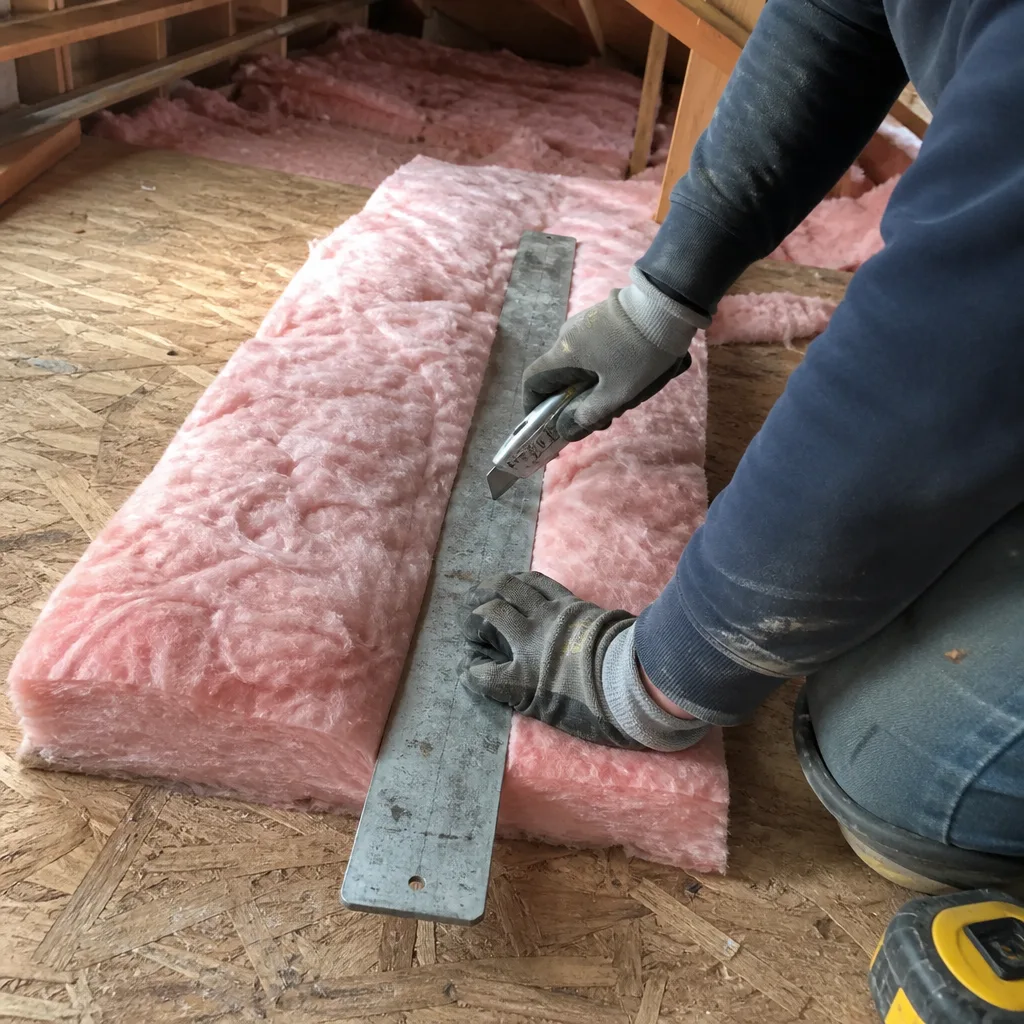
- Dust streaks on insulation. Air moving through a failed Demilec seal carries attic dust into the insulation blanket, leaving dark trails. In Cupertino, we see this most often above interior walls where the original top-plate foam cracked from seasonal expansion.
- Cold rooms on the north side of the house. Stack effect pulls conditioned air out through upper-level bypasses. When the Demilec seal at the top plate has degraded, north-facing rooms in Cupertino’s older split-levels feel persistently drafty even with the heat running.
- Ice damming or moisture staining at the eaves. Warm attic air escaping through failed sealing melts roof snow unevenly. Cupertino rarely sees snow, but the same mechanism drives winter condensation in unvented attic assemblies where Demilec open-cell foam has pulled away from rafters.
- Energy bills climbing year-over-year with no rate change. A blower-door test we ran last month on a Calabazas South home showed 3,800 CFM50; after resealing failed Demilec beads and missed bypasses, it dropped to 2,200. The homeowner’s PG&E bill had risen 18% over three years despite no lifestyle changes.
- Insulation contractors refusing to add more without “fixing the air sealing first.” Reputable crews in the South Bay will not blow new product over a leaky attic floor. If you’ve been told this, your Demilec work likely has gaps or was incomplete from the start.
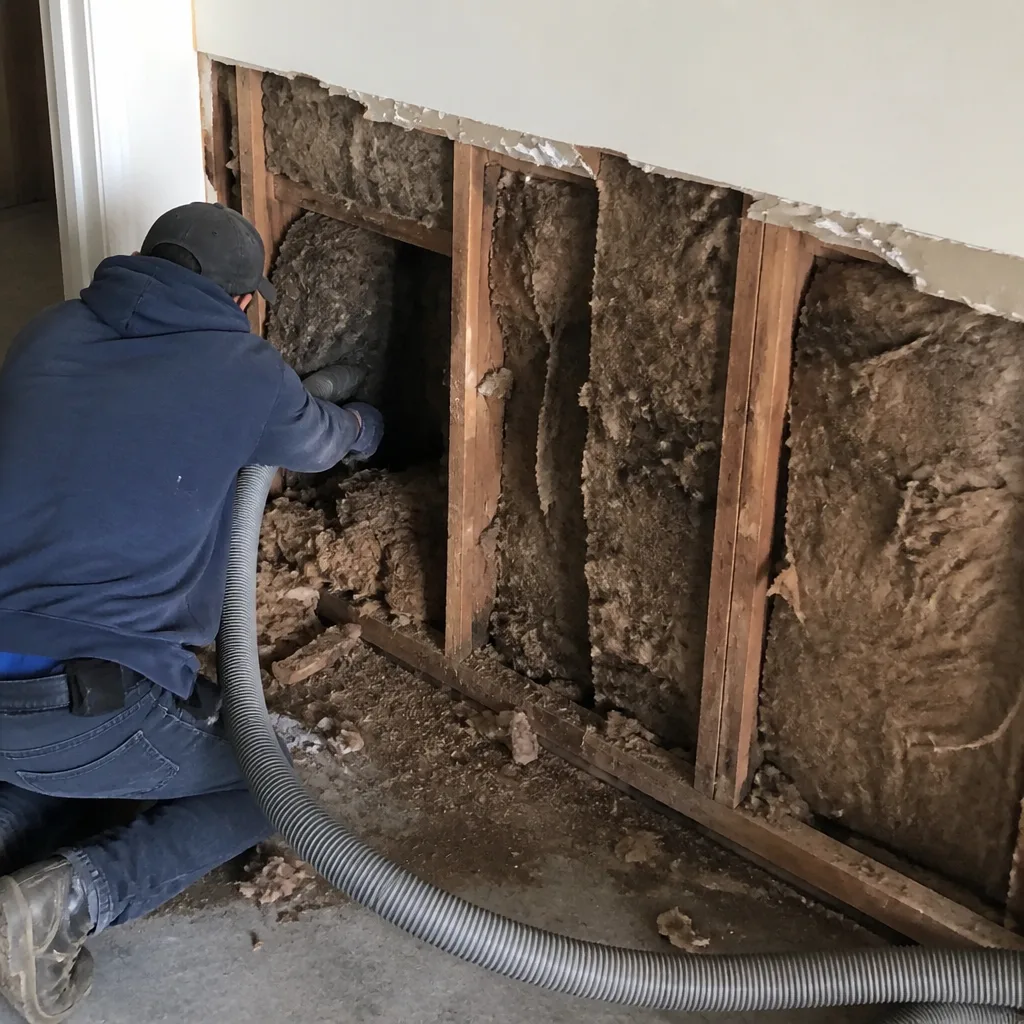 Before
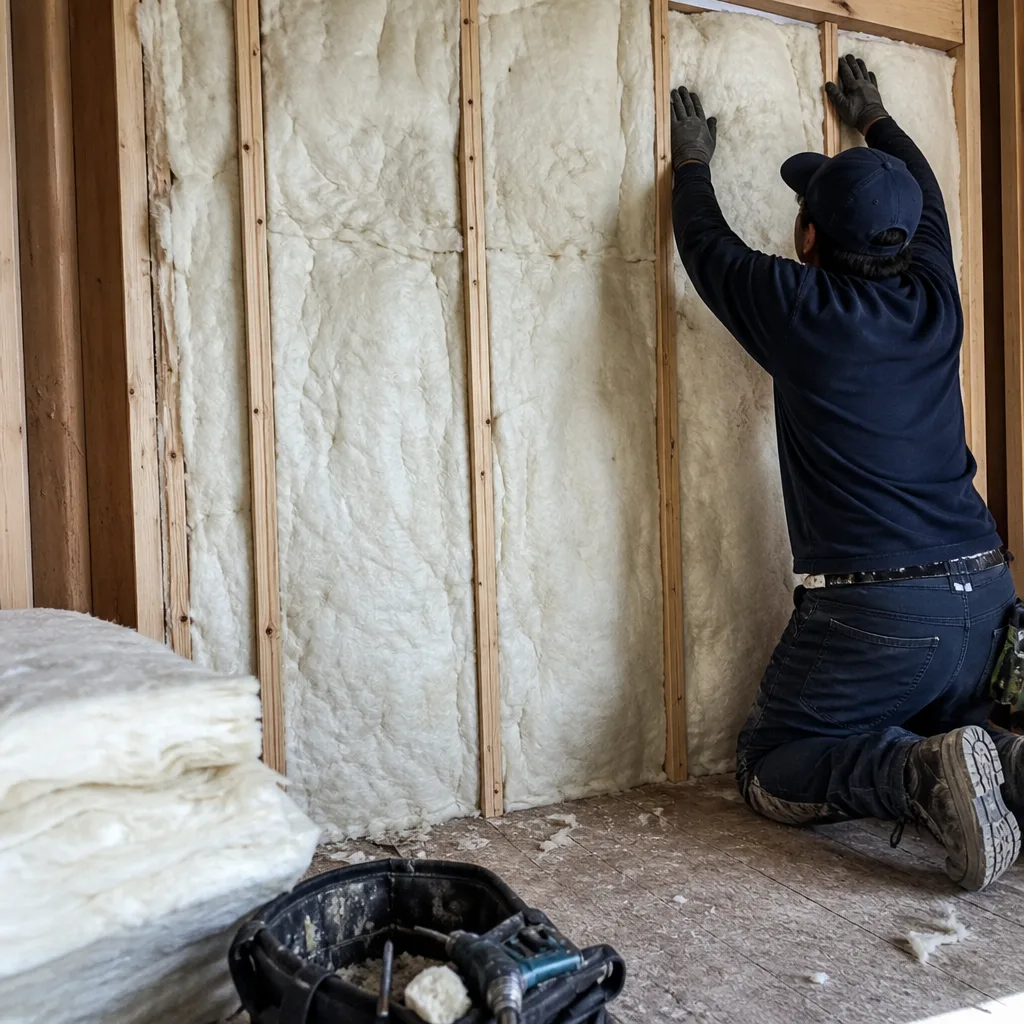 After
AfterReplacement Cost & What’s Included
Most Demilec attic air sealing repairs in Cupertino run $1,800-$3,400 installed. The lower end covers single-story ranches under 1,200 square feet with accessible attics and straightforward top-plate resealing. The upper end applies to two-story homes with complex chase ways, dropped soffits, or original Demilec foam that must be mechanically removed before reapplication.
Every quote is itemized: labor hours at a flat rate, material by the board-foot or tube, and any access improvements (plywood walkways, temporary lighting) needed to do the work safely. Under Haven Standard Clause 1, you get that price in writing before anyone enters the attic. The work carries our 365-Day Done Right Promise, and on applicable jobs we provide before-and-after blower-door numbers so you can verify the improvement. A Documented Photo Record is included, not available on request.
DIY or Call Us?
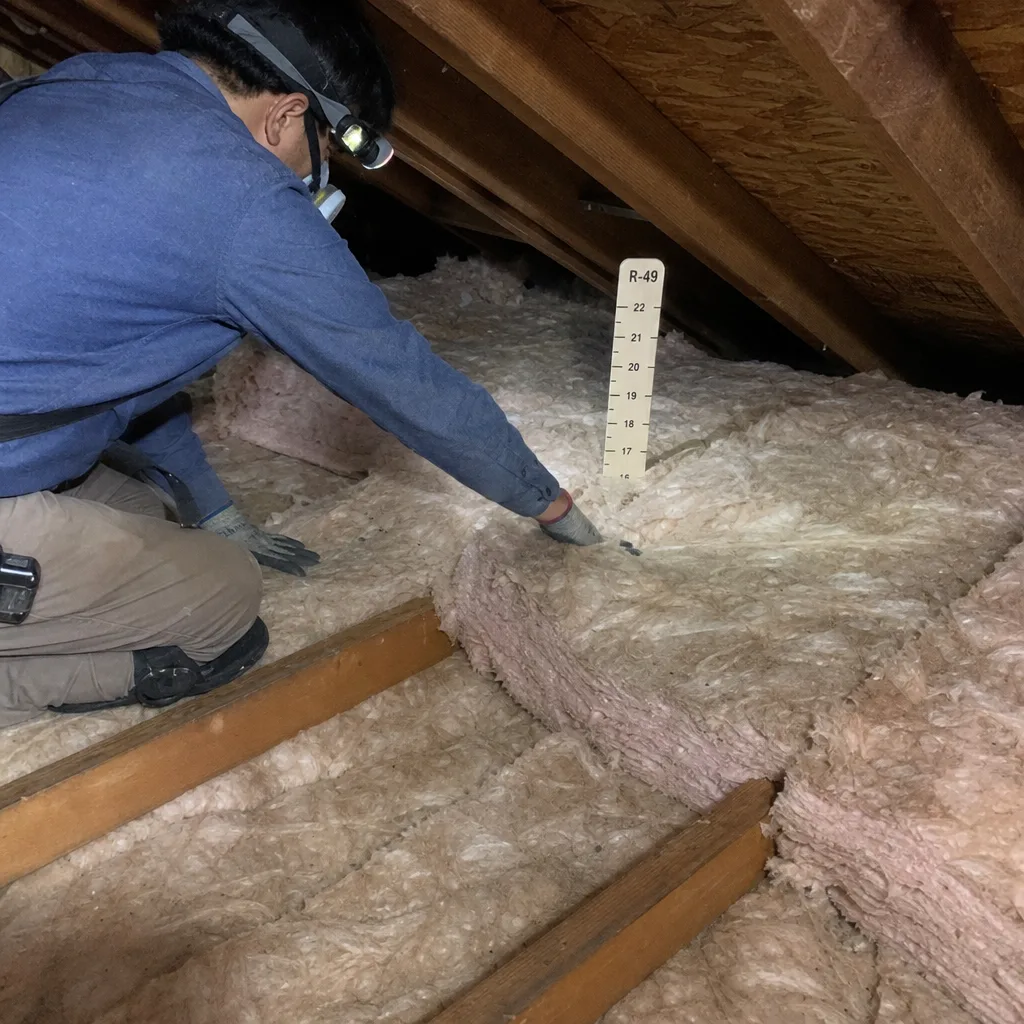
There’s a safe middle ground here. A homeowner can check the attic hatch condition, look for visible gaps around chimneys or vent stacks, and note any dust streaking on insulation. What you cannot safely or effectively do: apply spray foam in a confined, unventilated attic space (respiratory hazard, fire risk from ignition sources), or diagnose whether the original Demilec application was thick enough to achieve its labeled R-value. We’ve found 1-inch Demilec beads labeled as 2-inch in Cupertino attics where the original crew rushed the job.
Seal the leaks first. Insulation covers problems; it does not fix them. If your Demilec air sealing is compromised, adding more insulation on top wastes money and can trap moisture. Call (831) 217-8521 and we’ll read your situation with you. Estimates are free, and we offer a Free Second Opinion on any written estimate you’ve already received.
FAQs
Properly applied Demilec closed-cell foam lasts 20-30 years, but our dry Santa Clara Valley summers cause thermal cycling that accelerates cracking at wall-to-ceiling junctions. We’ve seen Heatlok HFO Pro degrade in 12-15 years on south-facing Cupertino roofs where attic temperatures exceed 140°F. Call (831) 217-8521 and we can assess your specific installation’s condition.
Localized repair is often sufficient. We remove the failed bead mechanically, verify the substrate is clean and dry, then apply compatible foam or sealant to the specific bypass. Full replacement is only needed when the original application was systematically thin or the wrong product was used for the assembly type. We stock repair materials on every truck.
Most repairs take 4-6 hours for a crew of two, with the home briefly depressurized for our mid-job blower-door test to catch anything we missed. Larger Cupertino homes with complex attic geometry may require a full day. You’ll get a written schedule with your written price before work starts.
We stock compatible sealants and foams on every truck, including products that bond to cured Demilec substrate. We do not stock OEM Demilec exclusively; we are an independent service provider, not affiliated with Demilec. For standard repairs in Cupertino, there is no material wait. Call (831) 217-8521 to confirm compatibility with your specific installation.
Ready to stop losing conditioned air through your attic? Call (831) 217-8521 for a free estimate. A live person answers 24/7, and you’ll get a written price before any work starts. We also provide a Free Second Opinion on any written estimate you’ve received, and every job closes with a Documented Photo Record and, where applicable, before-and-after blower-door readings.
Written by Wes Okafor, Owner, Topside Attic Insulation Cupertino at Topside Attic Insulation Cupertino, serving Cupertino and nearby areas.