
Demilec Crawl Space Encapsulation & Vapor Barrier in Cupertino: What to Know First
We provide independent Demilec crawl space encapsulation and vapor barrier service in Cupertino, typically completing most jobs in one to two days after our initial inspection. Most encapsulation projects for homes in this area run between $4,200 and $8,500 depending on crawl space square footage, existing moisture damage, and whether the Demilec foam requires partial removal before we can seal the envelope properly. This page is for Cupertino homeowners who have Demilec open-cell or closed-cell spray foam in their crawl space and are seeing moisture retention, musty odors, or deteriorating vapor barrier performance. Call (831) 217-8521 to schedule a free inspection with written pricing before any work starts.
How Demilec Products Fail - and How We Fix Them
- Demilec SEALECTION 500 open-cell hydrophilic breakdown. SEALECTION 500 can absorb and hold moisture when the crawl space vapor barrier beneath it fails or was never fully sealed at the perimeter. In Cupertino, where winter rains saturate the clay-heavy soils around Rancho Rinconada and the foothill zones, we’ve pulled back Demilec open-cell that had reached 15% moisture content by weight. We remove the compromised foam, install a new 6-mil or 10-mil reinforced polyethylene vapor barrier with sealed seams and perimeter attachment, then reapply only after the wood substrate reads below 19% on a pinless moisture meter.
- Demilec Heatlok XT closed-cell delamination from temperature cycling. Heatlok XT’s higher R-value per inch is an advantage in tight crawl spaces, but when installed directly against foundation walls without proper thermal break, the Bay Area’s diurnal temperature swings cause differential expansion. We’ve seen this in older Cupertino split-levels where the original contractor skipped the mechanical fastening schedule. We cut back delaminated sections, install proper fastening anchors at 16-inch centers per Demilec’s updated technical bulletin, and reapply with substrate primers specified for below-grade concrete.
- Demilec Heatlok Soya HFO shrinkage at rim joist interfaces. The plant-based blowing agent in Heatlok Soya HFO can exhibit slight shrinkage during cure in high-humidity crawl spaces, creating gaps at the critical rim joist where the sill plate meets the foundation. This is the leak path that matters most. We diagnose this with a smoke pencil during our blower-door test, then remove and reapply with a two-pass technique: first a thin flash coat for adhesion, then the full lift to specified thickness.
- Vapor barrier puncture from Demilec overspray during original installation. Demilec applicators working in tight crawl spaces sometimes overspray onto the polyethylene ground cover, creating brittle points that crack under foot traffic during subsequent HVAC or plumbing service. We find this on nearly every crawl space cleanout in Cupertino’s 1960s-1980s stock. Our fix: remove the contaminated barrier section, inspect the soil beneath for pooling, regrade if needed, and install a new 10-mil cross-laminated barrier with overlapping seams taped via 4-inch waterproof seam tape.
- Demilec AgriThane agricultural-grade misapplication in residential crawl spaces. AgriThane’s higher density and VOC profile during cure make it unsuitable for vented crawl spaces in occupied homes, yet we’ve encountered it in two Cupertino properties where the original contractor substituted it for cost reasons. The off-gassing lingers, and the foam is too rigid for the flexural demands of a crawl space with active plumbing. We remove it fully, ventilate per Cal-OSHA guidelines, and reinstall with Heatlok XT or an alternative closed-cell product appropriate for residential envelope application.
Our Demilec Crawl Space Encapsulation & Vapor Barrier Process
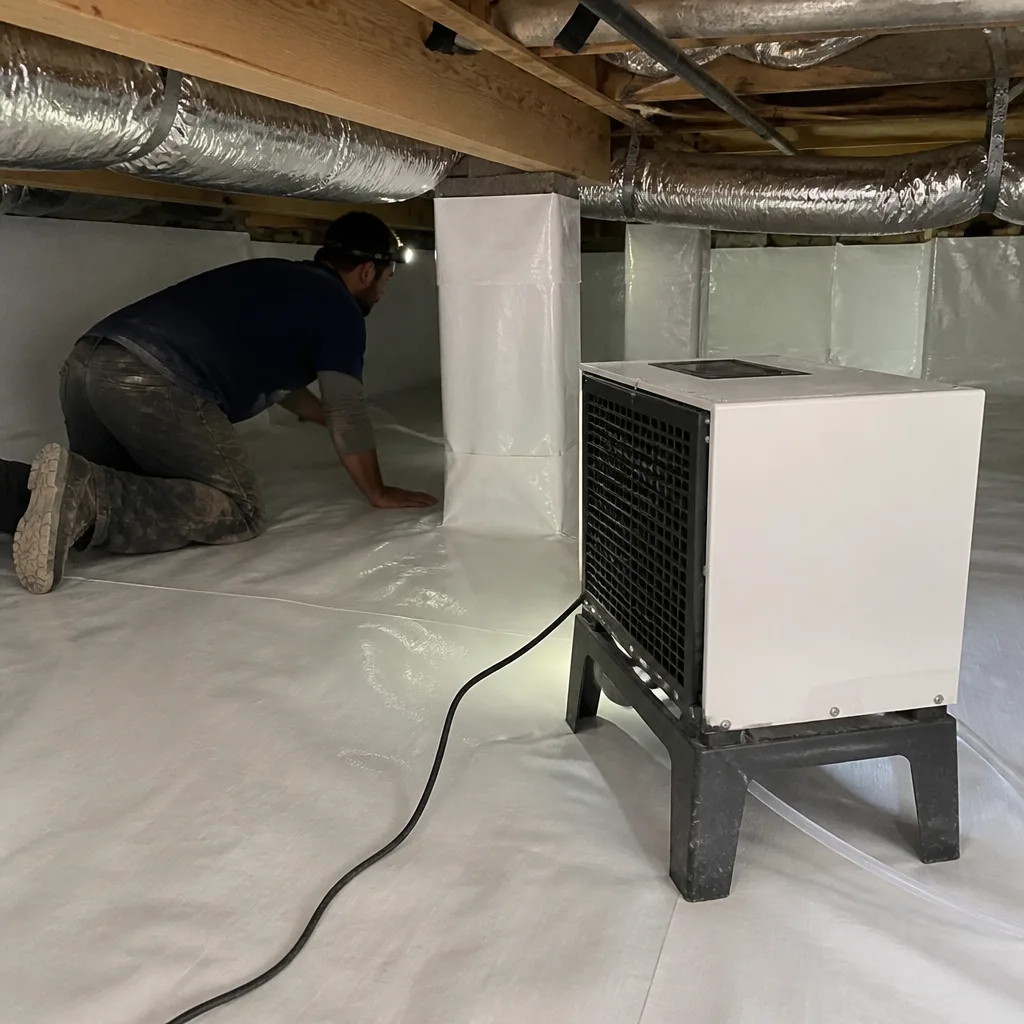
- 1
Inspection and moisture mapping. We enter the crawl space with a pinless moisture meter, thermal imaging camera, and documentation tablet. We record wood moisture content at sill plates, rim joists, and subfloor decking; photograph all Demilec foam conditions; and identify active plumbing leaks or foundation cracks that must be resolved before encapsulation begins.
- 2
Blower-door test and air-leak identification. We pressurize the house and use a smoke pencil in the crawl space to find the bypasses: where conditioned air escapes into the crawl space, or where crawl space air infiltrates the living space. This number becomes our baseline.
- 3
Written scope and pricing. Before any work starts, you receive a written price, a written scope of work, and a written warranty. This is Haven Standard Clause 1. No exceptions.
- 4
Demilec foam remediation (if needed) and substrate preparation. We remove only what’s compromised, using cold-knife or hot-wire techniques appropriate to the Demilec product line. We clean the substrate, apply primer where specified, and verify moisture levels are within Demilec’s published installation parameters.
- 5
Vapor barrier installation and sealing. We install reinforced polyethylene with sealed seams, mechanical attachment at perimeter walls, and proper overlap at piers and columns. In Cupertino’s expansive clay soil zones, we often install a dimpled drainage mat beneath the barrier to allow soil gases and incidental water to migrate to a perimeter drain or sump location.
- 6
Reapplication, testing, and documentation. We reapply Demilec or alternative foam to specification, run a post-work blower-door test, and deliver your Documented Photo Record with before-and-after CFM50 readings. Under our 365-Day Done Right Promise, if the crawl space shows moisture recurrence, we return and make it right.
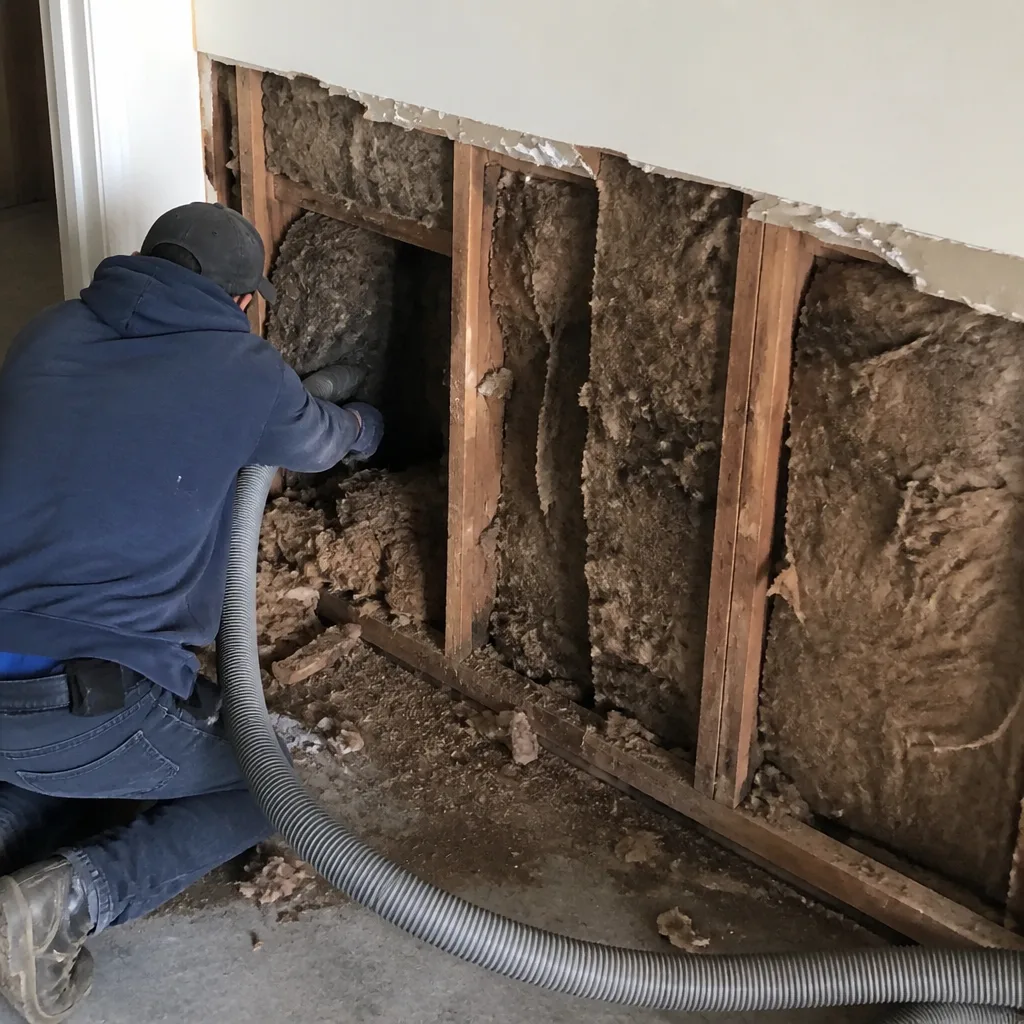 Before
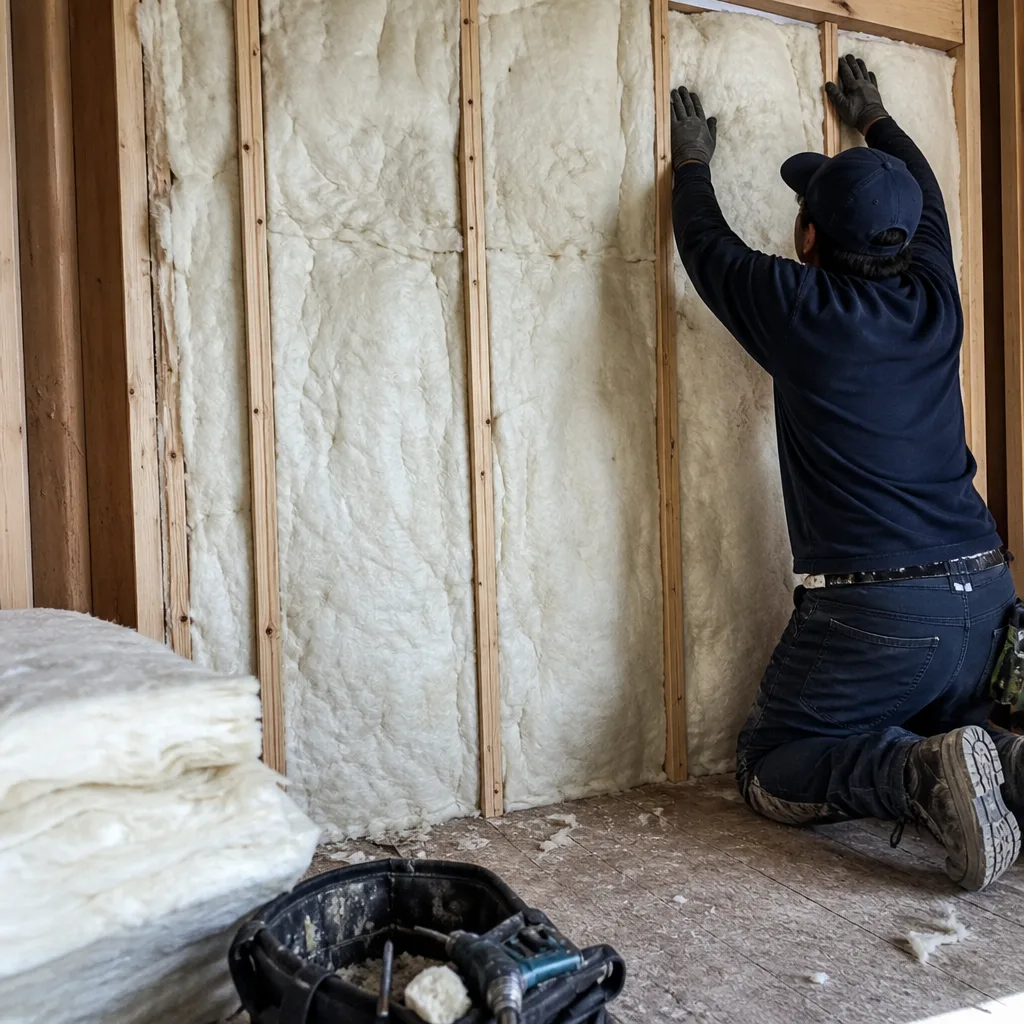 After
AfterWhat Demilec Crawl Space Encapsulation & Vapor Barrier Costs in Cupertino
Most Demilec crawl space encapsulation and vapor barrier jobs in Cupertino fall between these ranges:
- Vapor barrier replacement only (no foam work): $2,800-$4,500 for crawl spaces under 1,200 square feet with accessible clearance
- Partial Demilec removal + vapor barrier + reapplication: $5,200-$7,800, typical for SEALECTION 500 or Heatlok XT remediation in standard Ranch or Eichler-style footprints
- Full encapsulation with drainage mat, sump integration, and new closed-cell: $8,000-$12,500, common in hillside homes near Monta Vista or the Cupertino foothills with active groundwater management needs
What moves the price: crawl space clearance height (less than 18 inches requires specialized equipment), extent of Demilec removal, presence of active mold requiring remediation before encapsulation, and whether the home needs a dedicated dehumidifier or ventilation system integrated into the envelope. We also service Reflectix radiant barrier systems when they’re part of the same envelope upgrade.
Call (831) 217-8521 for a free inspection and written estimate. Estimates are free, and we provide a Free Second Opinion on any competing written quote you bring us.
Why Cupertino Homeowners Call Topside Attic Insulation Cupertino for Demilec Work
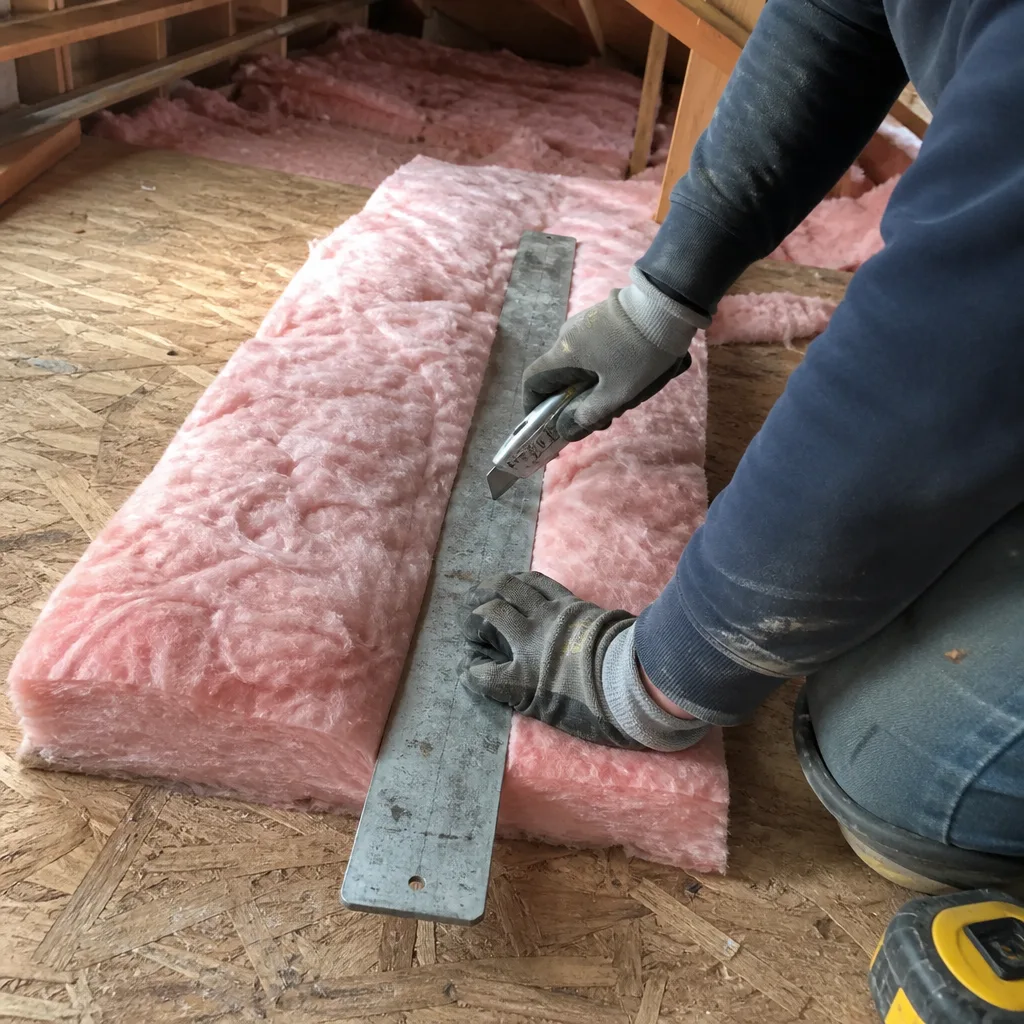
We’ve completed jobs from tract homes near Rancho Rinconada to the older split-levels backing up to the Cupertino foothills, the kind of houses where the original attic bypasses were never sealed before the blown-in cellulose went down. Wes Okafor learned the trade at Olive-Harvey College, where the building science program ran blower-door diagnostics before most contractors in the region knew what one was. That training shows up in how we document every job: pre-installation moisture readings, post-installation R-value verification, and the ACH50 number so you can see the envelope improvement in a single figure.
Our technicians are background-checked and uniformed. A live person answers calls 24/7. Every job carries the 365-Day Done Right Promise, and we publish before-and-after blower-door numbers on every applicable project. We source materials from Owens Corning, Johns Manville, Knauf, Rockwool, CertainTeed, Icynene, Demilec, and GreenFiber, so we’re never locked into a single product line that doesn’t fit your specific condition. Seal the leaks first. Insulation covers problems; it does not fix them.
FAQs
No, proper encapsulation does not void Demilec’s product warranty, but the warranty covers material defect only, not installation error or moisture damage from a failed building envelope. As an independent Demilec service provider, we document our installation conditions and substrate preparation so that if a material defect arises, the chain of documentation supports your claim. Call (831) 217-8521 if you need help interpreting your original warranty documents.
We source Demilec products through authorized distribution channels when the job specification calls for them, and we also install quality alternatives from Icynene, CertainTeed, and other manufacturers when the building science indicates a better fit. We never substitute without documenting the engineering rationale in your written scope. Our materials list includes Owens Corning, Johns Manville, Knauf, Rockwool, CertainTeed, Icynene, Demilec, and GreenFiber.
Repair is sufficient when the vapor barrier is intact, the Demilec foam shows no delamination or moisture absorption, and a blower-door test confirms the crawl space is not a significant air-leak path. Full encapsulation becomes necessary when moisture readings exceed 19% in wood substrates, when the existing vapor barrier is punctured or improperly sealed, or when the crawl space contributes more than 10% of total envelope leakage. We make this determination during our free inspection and put the rationale in writing before any work starts.
Most inspections are scheduled within 48 hours of your call, and work typically begins within one week of written estimate approval. Emergency situations, active water intrusion or mold conditions that threaten structural integrity, can be expedited. A live person answers (831) 217-8521 24/7 to schedule.
Yes. Every job closes with a Documented Photo Record showing before, during, and after conditions, plus written test results including moisture content readings and blower-door performance where applicable. This package has been used by Cupertino homeowners for disclosure documentation, insurance substantiation, and energy-efficiency rebate applications. It is included on every job, not available on request.
Ready to fix your Demilec crawl space the right way? Call (831) 217-8521 today for a free inspection with written pricing before any work starts. We’ll read any competing estimate with you through our Free Second Opinion program, and every job is backed by our 365-Day Done Right Promise.
Written by Wes Okafor, Owner, Topside Attic Insulation Cupertino at Topside Attic Insulation Cupertino, serving Cupertino and nearby areas.