
Icynene Vapor Barrier Installation: The Cupertino Owner’s Guide
Most Icynene vapor barrier installations in Cupertino run between $2,800 and $4,600 for a typical single-family crawl space or attic floor, and we stock the 6-mil and 10-mil reinforced polyethylene sheeting plus the butyl tape and termination bars on our truck for same-day starts when the scope is straightforward. The job includes full surface prep, seam sealing at 6-inch overlaps, and mechanical fastening to CMU or framed walls per California Title 24 vapor retarder requirements. Homeowners usually figure out something’s wrong when they notice musty odors returning after a dry winter, efflorescence blooming on the foundation walls, or the crawl space humidity reading climbing back above 60% on a cheap sensor they stuck down there after the last rain.
Which Icynene Models This Applies To
Icynene does not manufacture vapor barrier material itself. The brand is a spray foam insulation system, and the vapor barrier is a companion component installed beneath or adjacent to it - typically a reinforced polyethylene sheeting or a fluid-applied vapor retarder specified in the same assembly. What matters for Cupertino homeowners is whether your Icynene system was installed as an open-cell or closed-cell application, because that determines where the vapor barrier sits and what permeance rating it needs to hit.
Open-cell Icynene, common in the vented attics of the Rancho Rinconada tract homes built in the late 1990s, requires a Class I or Class II vapor retarder on the warm-in-winter side of the assembly. Closed-cell Icynene, which we see more often in the hillside custom builds west of Stevens Creek Boulevard, acts as its own vapor retarder above a certain thickness but still needs ground-cover protection in crawl spaces. Check your original installation paperwork for the spec sheet, or look for a label on any existing poly sheeting showing mil thickness and ASTM E1745 compliance. We carry 6-mil, 8-mil, and 10-mil reinforced poly, plus the Stego Wrap 15-mil for problem sites with rocky or abrasive substrate. Topside Attic Insulation Cupertino is an independent service provider, not affiliated with Icynene.
The OEM-versus-aftermarket question here is simpler than with mechanical parts. There is no Icynene-branded vapor barrier. What fails is either the material itself, torn by trades or rodents, or the seam tape losing adhesion in the crawl space humidity cycle. We use Nashua 357 butyl tape or 3M 8067 flashing tape for seams, depending on substrate temperature at installation time. The cheaper PVC tapes turn brittle in 18 to 24 months in Cupertino’s crawl spaces; we’ve pulled up miles of the stuff.
Signs Your Icynene Vapor Barrier Installation Is Failing
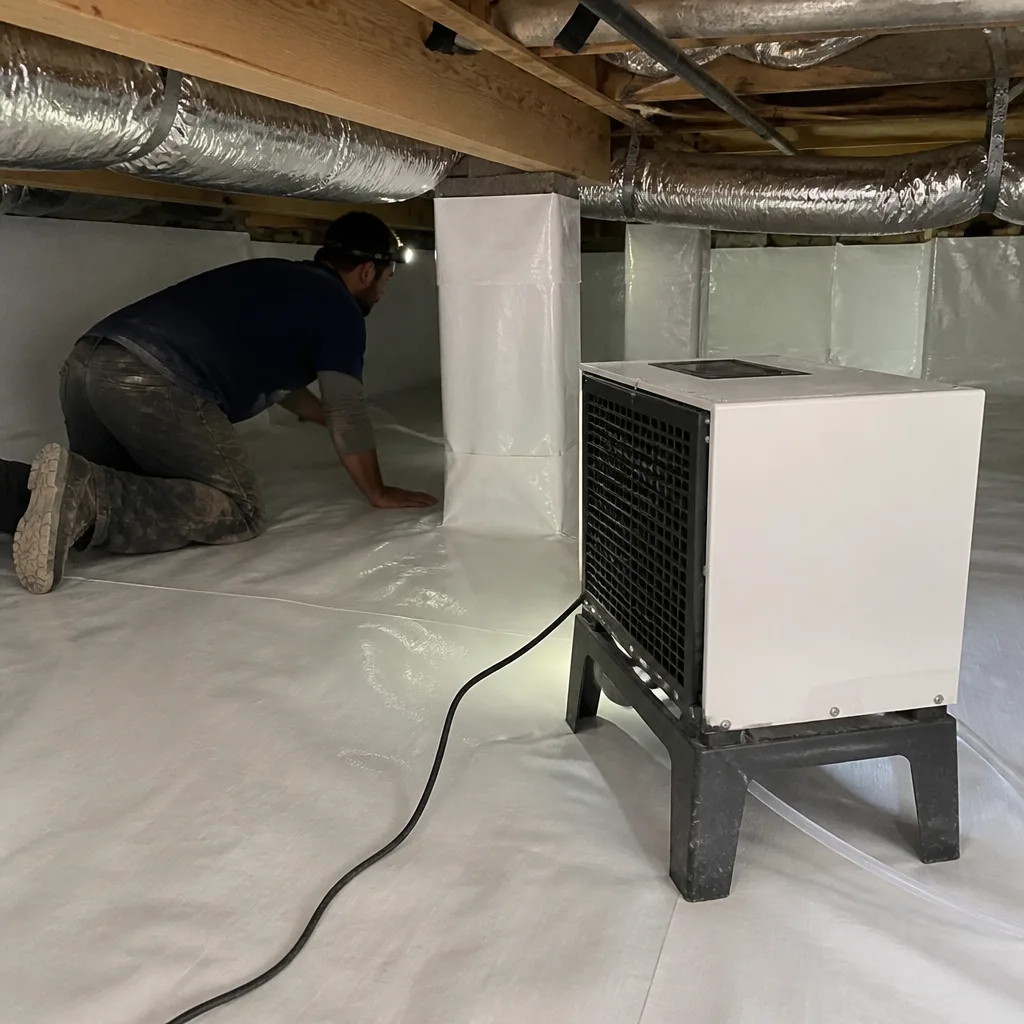
- Humidity readings climbing above 60% in summer. A properly sealed vapor barrier keeps crawl space relative humidity within 10 points of the conditioned space above. When the poly tears at a seam or pulls away from the wall, soil moisture evaporates straight into the cavity. We see this most often in the older homes near McClellan Ranch, where the original 6-mil poly was stapled to mud sills without termination bars.
- Musty odors reaching the first floor through floor gaps. The nose knows before the hygrometer does. What you’re smelling is microbial volatile organic compounds, and they travel through the same bypasses the vapor barrier was supposed to isolate. In split-levels backing up to the Cupertino foothills, the pressure stack effect pulls crawl space air upward through unsealed top plates.
- Efflorescence, that white powder on foundation walls. This is soluble salts left behind when moisture moves through concrete, evaporates, and deposits minerals. It means water vapor is reaching the wall surface, which happens when the vapor barrier no longer contacts the wall continuously or when the grade outside is directing water toward the foundation.
- Insulation batts sagging or falling from floor joists. Wet insulation is heavy insulation. When vapor drives upward unchecked, fiberglass batts absorb moisture, compress, and drop. We’ve found batts on the ground in Cupertino crawl spaces where the vapor barrier had been shredded by a single cable installer’s knee pads.
- Wood rot at rim joists or sill plates. This is the expensive one. Sustained moisture content above 20% in wood triggers decay fungi. The repair shifts from vapor barrier replacement to structural repair, and we’ve had to sister rim joists in homes near Monta Vista where the problem went unaddressed through two wet seasons.
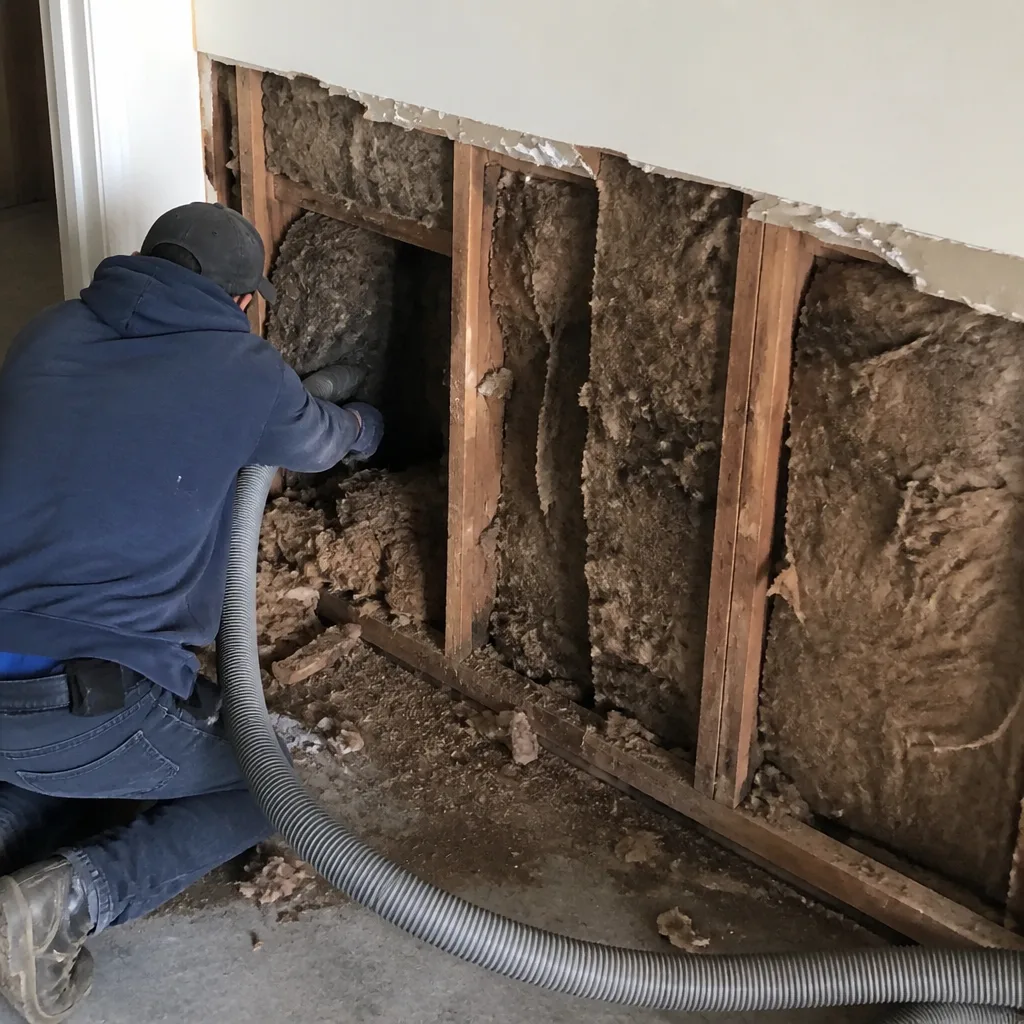 Before
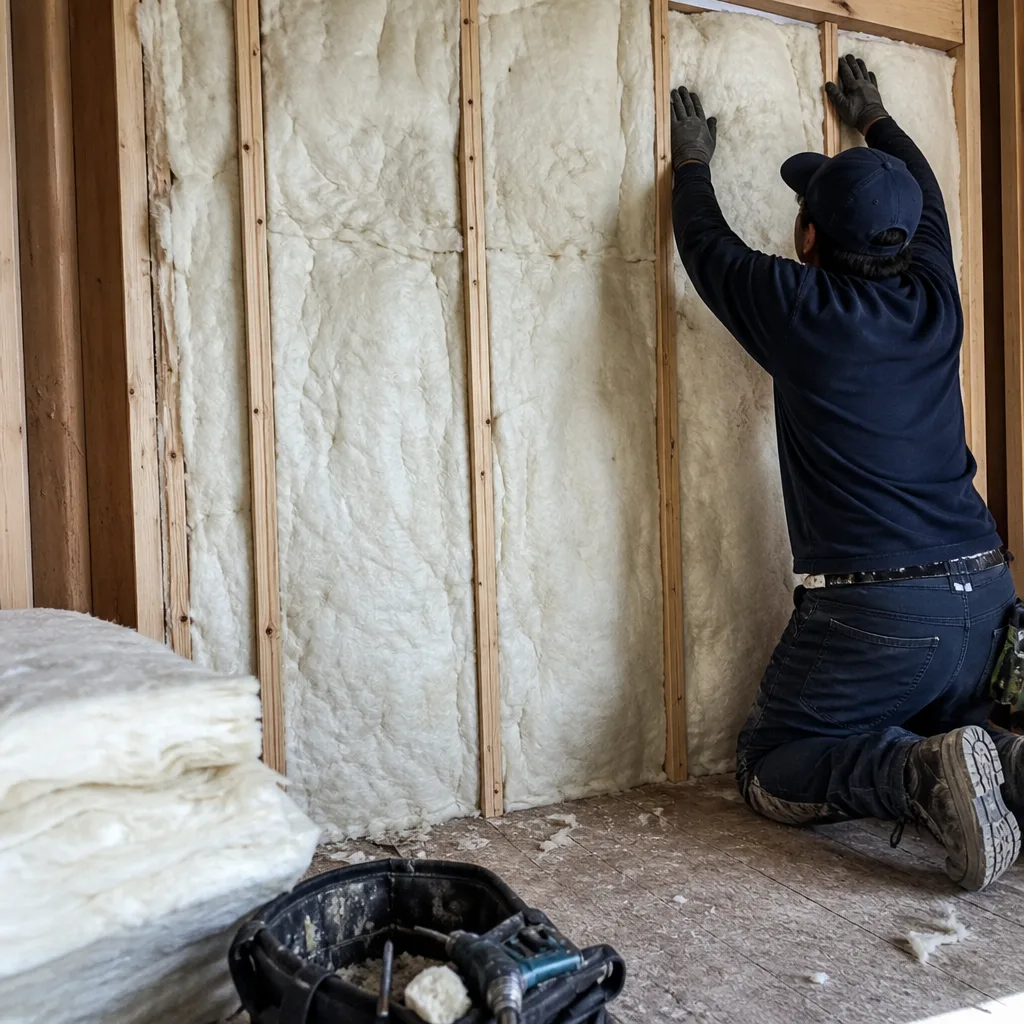 After
AfterReplacement Cost & What’s Included
Here’s how pricing breaks down for a typical Cupertino crawl space, roughly 1,200 to 1,800 square feet:
| Component | Price Range |
|---|---|
| 6-mil reinforced poly, installed | $2,800 - $3,400 |
| 10-mil reinforced poly, installed | $3,200 - $3,900 |
| Stego Wrap 15-mil, installed | $3,800 - $4,600 |
| Seam tape and termination bars | Included |
| Surface prep and debris removal | Included |
| Post-install photo documentation | Included |
What drives the range: accessibility (how much of the crawl space a technician can stand in versus belly-crawl), existing damage requiring subfloor drying time, and whether we need to coordinate with a pest control operator first. Every job gets a written price before any work starts, per Haven Standard Clause 1. The 365-Day Done Right Promise covers workmanship and material defects. We also stock Reflectix radiant barrier if your attic needs companion work.
DIY or Call Us?
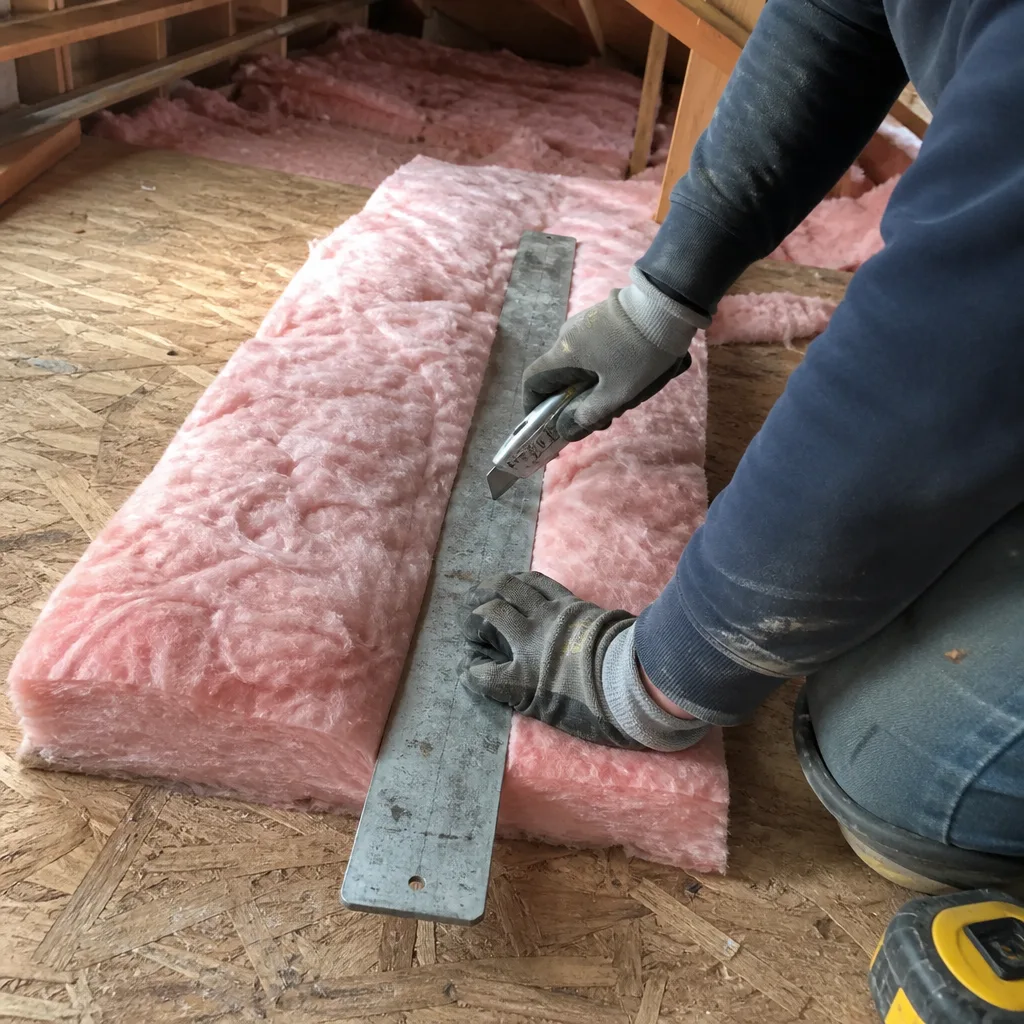
Here’s what you can safely check yourself: confirm the vapor barrier is still physically present, look for obvious tears or pooling water, and snap photos of any labels you find on existing material. A $20 humidity sensor from the hardware store left in the crawl space for 48 hours will tell you if the environment is still controlled.
Here’s where DIY goes wrong. Proper vapor barrier installation requires continuous coverage, sealed seams, and mechanical termination at walls and piers. Gaps as small as a quarter inch defeat the purpose. More critically, working in a crawl space involves confined space hazards, sharp substrate edges, and the real possibility of disturbing asbestos-containing material or old rodent droppings without respiratory protection. We carry HEPA filtration and proper PPE; most homeowners don’t. Seal the leaks first. Insulation covers problems; it does not fix them. If your vapor barrier is failing, the air sealing and pressure boundary likely need attention too. Call (831) 217-8521 and we’ll walk through what we found on similar homes in your neighborhood.
FAQs
A properly installed 10-mil reinforced poly vapor barrier should last 15 to 20 years in Cupertino’s mild, dry-summer climate, though we’ve replaced 6-mil installations after 8 years due to rodent damage or trades disruption. The material itself degrades from UV exposure if light reaches the crawl space, and the seam adhesive fails faster in the humidity cycle of winter wet seasons. Call (831) 217-8521 for an exact assessment of your existing barrier’s condition - estimates are free.
Small punctures, under 6 inches, can be patched with compatible tape and an overlay patch of matching material. We do this only when the surrounding poly is still supple and the tear is not at a high-stress seam. Anything larger, or any tear within 12 inches of a wall termination, means the barrier’s continuity is compromised and replacement is the right call. Call (831) 217-8521 and we’ll show you the photo documentation from a similar repair we did near Rancho Rinconada.
Most residential crawl spaces in Cupertino take one full day for a two-person crew. Tight access, debris removal, or coordination with other trades can stretch it to a second day. We schedule a morning arrival, text when we’re on the way, and leave you with a Documented Photo Record and the written warranty before we pack up. Call (831) 217-8521 to check next available start date.
Yes. We carry 6-mil, 8-mil, and 10-mil reinforced polyethylene on the truck, plus Nashua 357 butyl tape, termination bars, and the Stego Wrap 15-mil for abrasive substrates. For attic applications requiring a Class II vapor retarder over open-cell foam, we stock CertainTeed MemBrain smart vapor retarder. We can start same-day on most Cupertino jobs where the scope is confirmed by phone or photo. Call (831) 217-8521 to confirm stock for your specific assembly.
Written by Wes Okafor, Owner, Topside Attic Insulation Cupertino at Topside Attic Insulation Cupertino, serving Cupertino and nearby areas.