
Rockwool Vapor Barrier Installation: The Cupertino Owner’s Guide
Rockwool vapor barrier installation in Cupertino typically runs $1,800-$3,400 for a full attic job, depending on square footage and whether we’re retrofitting over existing insulation or starting fresh after removal. We stock Rockwool Comfortboard, Comfortbatt, and AFB-compatible vapor barrier membranes on every truck, and most Cupertino jobs can be scheduled within 48 hours. Homeowners usually discover a problem when they spot damp insulation, smell mustiness after rain, or notice their energy bills climbing despite the thermostat staying put - all signs that the vapor barrier isn’t blocking moisture migration from the conditioned space below.
Which Rockwool Models This Applies To
Rockwool’s stone wool insulation requires specific vapor barrier pairing because the material itself is hydrophobic - it repels liquid water - but it won’t stop water vapor from passing through. The wrong membrane or a poorly sealed seam turns that vapor into condensation on the cold side of the assembly.
We match vapor barriers to three main Rockwool product lines used in Cupertino homes. Comfortbatt (wood-framed walls and attics, 3.5″ to 5.5″ thicknesses) pairs with reinforced polyethylene or smart vapor retarders like CertainTeed MemBrain, depending on whether the attic is vented or conditioned. Comfortboard 80/110 (exterior continuous insulation, common in Monta Vista and Rancho Rinconada remodels chasing Title 24 compliance) needs a fluid-applied or self-adhered membrane at seams, not just a sheet good. AFB evo (interior partition assemblies, rarely attic but we see it in Cupertino ADU conversions) uses a separate air barrier assembly; the vapor control layer is specified by the architect.
To identify what you have, check the batts for the black-and-red Rockwool label stapled to the end, or measure density - Comfortboard is rigid at 8 pounds per cubic foot, Comfortbatt compresses slightly between fingers. The OEM approach is Rockwool-recommended membrane spec by assembly type. We also install quality aftermarket equivalents from Johns Manville and CertainTeed where the spec allows, usually at lower material cost with identical permeance ratings. One Cupertino-specific gotcha: homes built 1965-1985 near the foothills often have original kraft-faced fiberglass with no vapor barrier at all; slapping Rockwool on top without addressing the missing retarder traps moisture in the sandwich.
Topside Attic Insulation Cupertino is an independent service provider, not affiliated with Rockwool.
Signs Your Rockwool Vapor Barrier Installation Is Failing
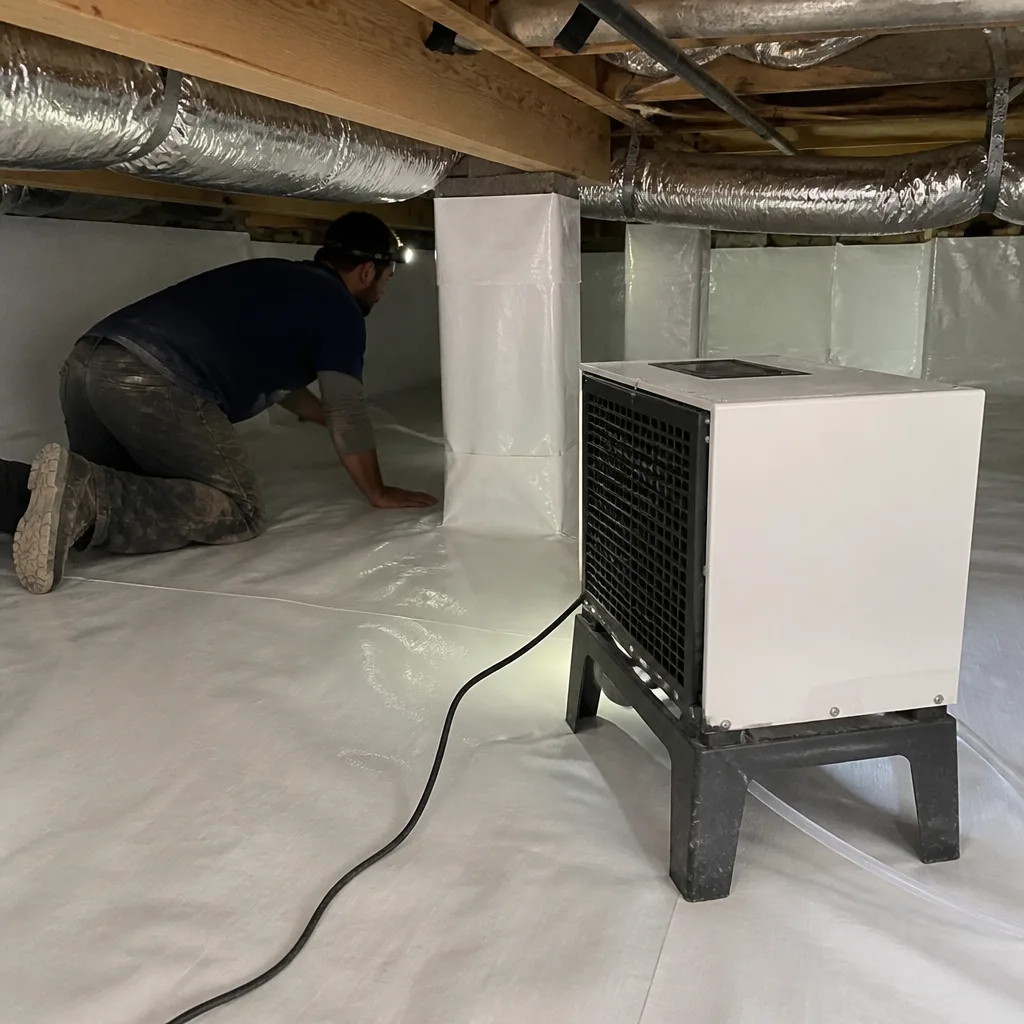
- Insulation appears dark or stained. When the vapor barrier tears at a seam or around a penetration, warm moist air hits the cold underside of the roof deck. The moisture condenses, and over months the stone wool wicks it outward, leaving gray-to-brown discoloration. We see this most often above bathrooms in Cupertino’s older Rancho Rinconada split-levels where vent fans were never ducted outside.
- Musty smell after rain or fog. Cupertino’s marine layer pushes humidity inland for weeks at a time. A compromised barrier lets that vapor reach wood framing; mold follows in 48-72 hours of sustained surface moisture. The smell means the problem is active, not historical.
- Ice damming or sheathing damage in winter. Even mild Santa Clara County winters produce enough temperature differential. Wet insulation loses R-value - Rockwool drops from R-23 to near R-10 when saturated - and the heat escaping melts roof snow from below, refreezing at the eaves. We documented this on a 1978 home near McClellan Ranch; the homeowner’s “small leak” was 14 linear feet of delaminated sheathing.
- Peeling tape or visible gaps at seams. Vapor barrier tape fails from thermal cycling and UV exposure if the attic has any light penetration. Gaps as small as 1/8 inch at a top plate bypass let more moisture than you’d expect; the stack effect pulls conditioned air upward through every crack.
- Energy bills climbing without rate changes. Wet or displaced insulation performs like no insulation. If your PG&E bill jumped 20-30% year-over-year and the HVAC system checks out, the envelope is the suspect. We verify with a blower-door test - a pressurization reading that shows, in one number, how much air your building envelope is losing - before quoting any work.
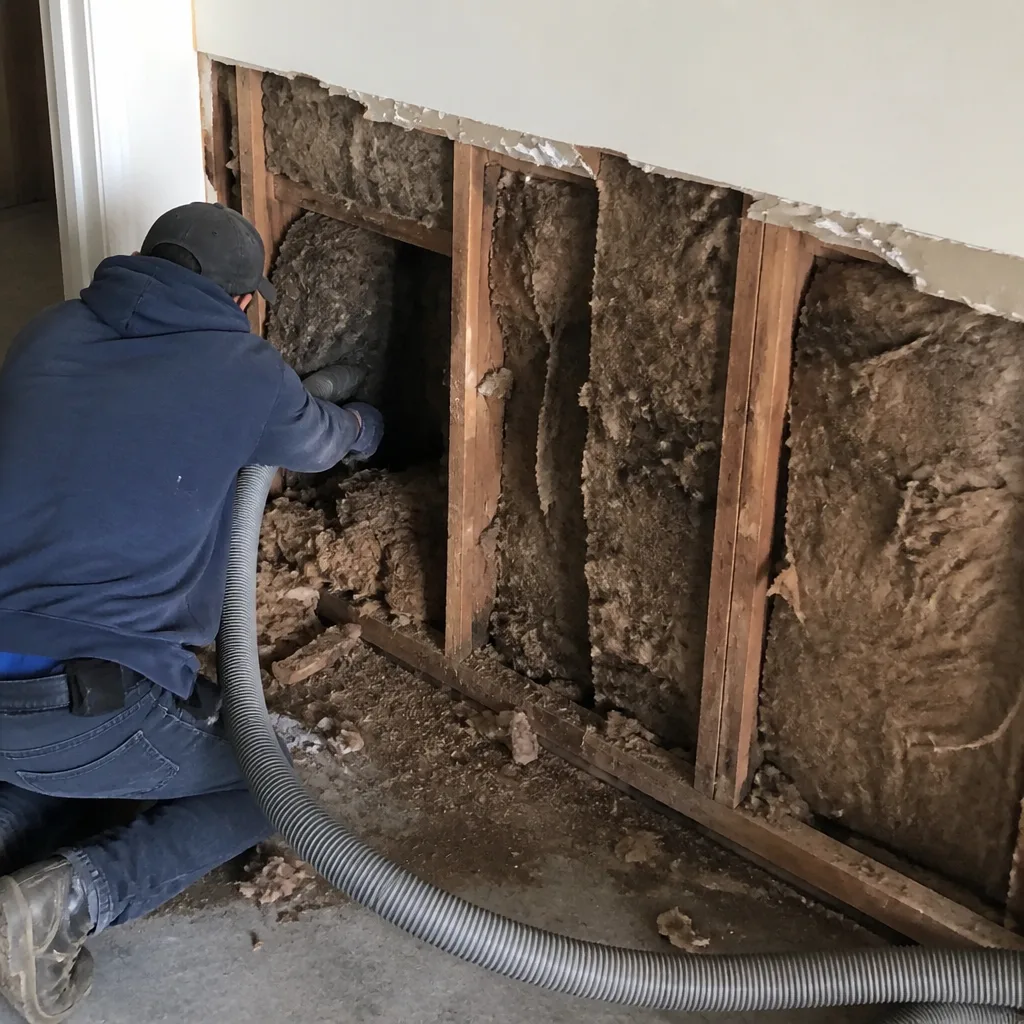 Before
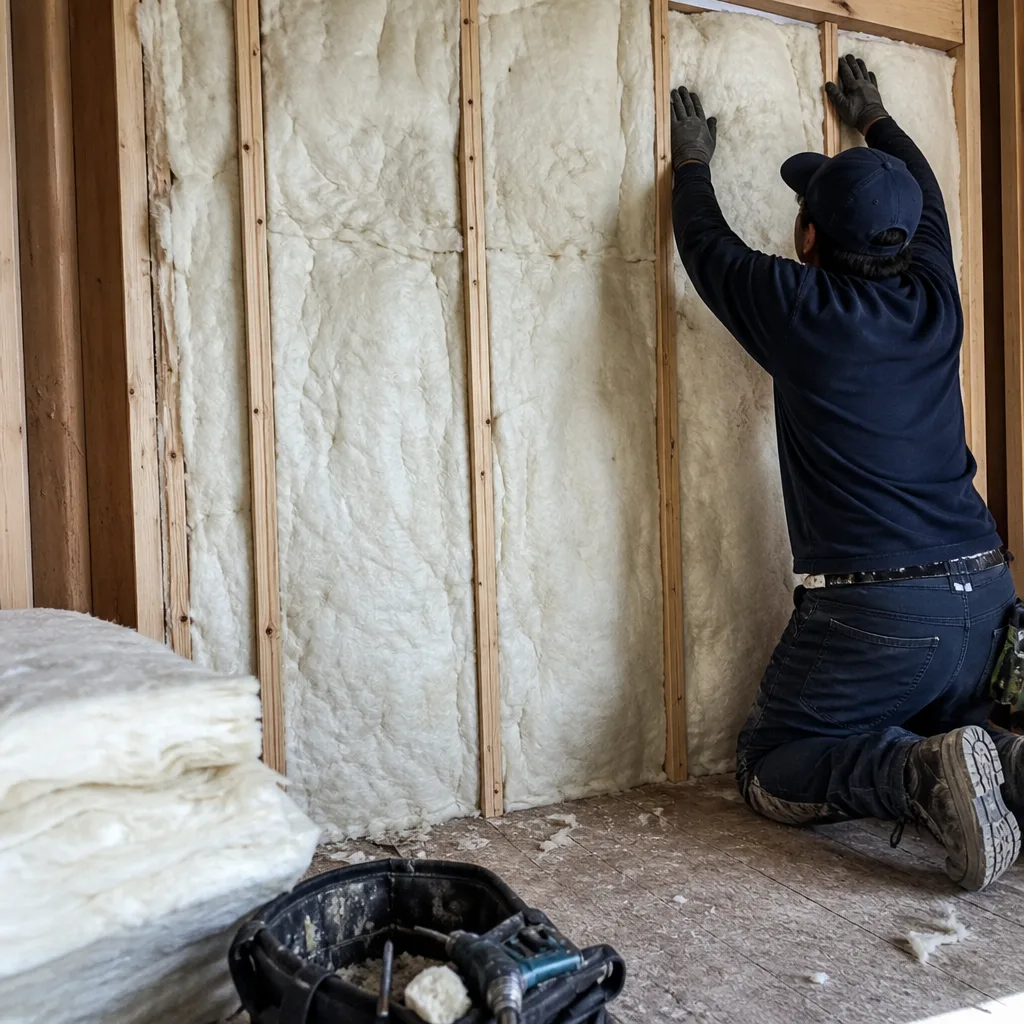 After
AfterReplacement Cost & What’s Included
Most Rockwool vapor barrier installations in Cupertino fall between $1,800 and $3,400. The low end covers a straightforward retrofit in a 1,200-square-foot attic with clear access, existing insulation left in place, and standard 6-mil poly sealed at seams and penetrations. The high end reflects full removal of contaminated insulation, remediation of mold-affected sheathing, installation of a smart vapor retarder like MemBrain in a conditioned attic, and air sealing of all top plates and can lights beforehand.
What drives the range: attic square footage, headroom for crew movement (steep pitches cost more), whether we’re working around stored items, and whether the existing barrier is failing due to material defect or installation error - the latter requires more labor to correct. Every quote is itemized: material type, linear feet of sealing, blower-door test included, and labor hours. Under Haven Standard Clause 1, you get that written price before anyone lifts a tool. Our 365-Day Done Right Promise covers the installation; material warranties run 10 years from the manufacturer. We also publish before-and-after blower-door numbers on every job so you can verify the air-sealing result in CFM50, not just take our word.
DIY or Call Us?
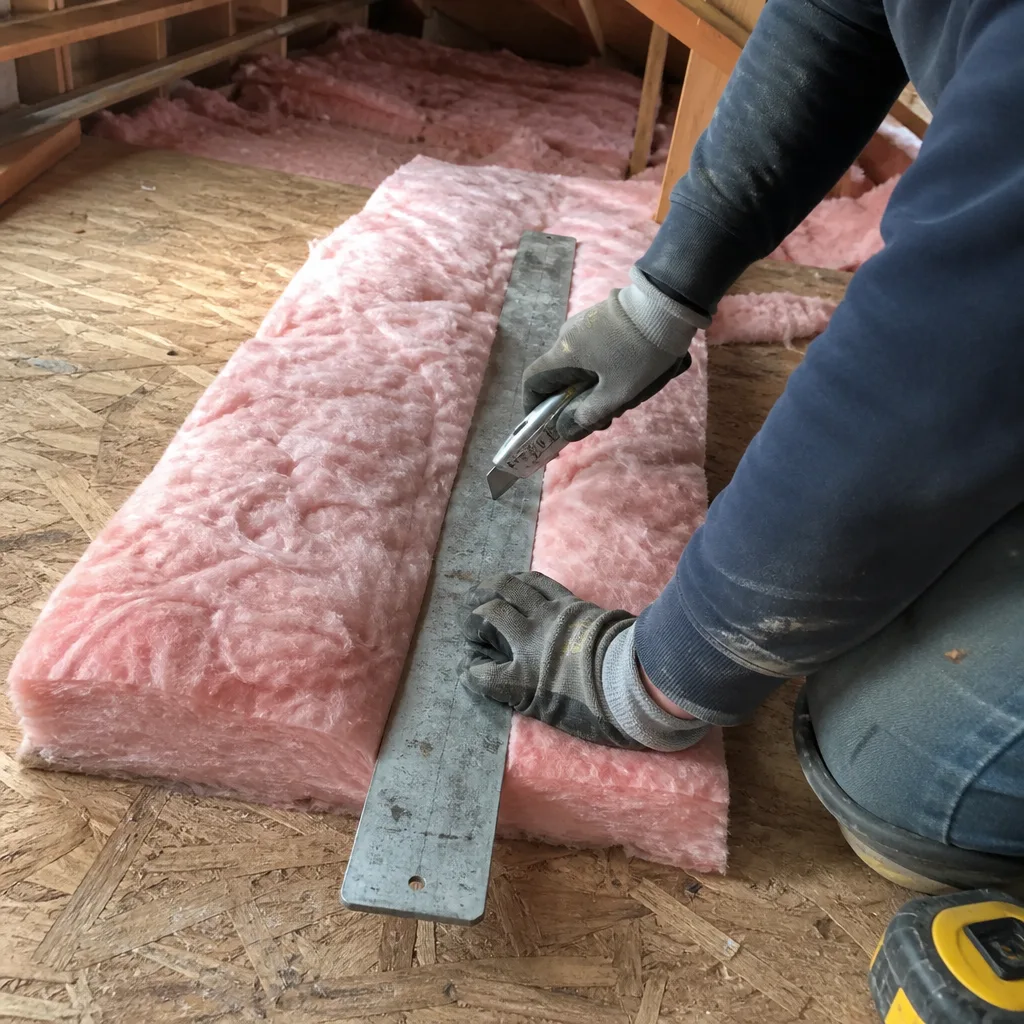
There’s a safe middle ground here, and a hard stop. What you can check: look for the symptoms above, photograph any stained insulation or failed tape, and verify your bathroom and kitchen vents actually terminate outside - not into the attic, which we find in maybe one of three Cupertino homes built before 1990. What you should not attempt: crawling through trusses over a ceiling, handling disturbed insulation of unknown age, or trying to seal a vapor barrier to code without understanding whether your attic is designed as vented or conditioned. Misapplied vapor retarders in vented attics trap moisture; omitted retarders in conditioned attics violate Title 24. Seal the leaks first. Insulation covers problems; it does not fix them. For a free second opinion on any written estimate, or to have us assess what you’re seeing, call (831) 217-8521.
FAQs
Properly installed polyethylene barriers last 20-30 years, but tape seams and penetration seals often fail in 8-12 years due to thermal cycling. Smart vapor retarders like MemBrain have longer service lives because they adapt to seasonal humidity. Call (831) 217-8521 if you’re past the 10-year mark on your current installation - estimates are free.
Small punctures or single seam failures can be patched with compatible tape if the surrounding material is still flexible and the insulation beneath is dry. Widespead embrittlement, staining, or mold means full replacement; patching over wet insulation guarantees rot. We document the condition with photos before recommending either path - call (831) 217-8521 for an assessment.
A typical Cupertino attic runs one day for a crew of two, or two days if we remove existing insulation and air seal first. We never blow new insulation over an unsealed attic floor; that sequence adds time but prevents callbacks. You’ll get a specific schedule with your written price.
We stock reinforced poly, smart retarders, and all seam tapes on every truck. Rockwool-specific accessories like Comfortboard seam tape are pulled from our San Jose warehouse same-day if needed. For standard Cupertino jobs, no material delay - we schedule when you need it.
Written by Wes Okafor, Owner, Topside Attic Insulation Cupertino at Topside Attic Insulation Cupertino, serving Cupertino and nearby areas.