
Rockwool Attic Air Sealing: The Cupertino Owner’s Guide
Rockwool attic air sealing in Cupertino typically runs $340-$680 installed for a standard single-family attic, and we stock Rockwool-compatible sealant systems and rigid board on our trucks for same-day replacement. Most Cupertino homeowners discover the problem when they notice hot second-floor rooms in summer despite new insulation, or when an energy audit reveals attic bypasses pulling conditioned air through gaps the original installer missed. We see this constantly in Rancho Rinconada and Monta Vista homes built during the 1970s insulation boom - Rockwool batts laid directly over unsealed top plates and can-light housings, doing half the job they were bought for.
Which Rockwool Models This Applies To
Rockwool’s attic air sealing ecosystem breaks into three product families, and knowing which you have determines whether we match OEM or move to a compatible aftermarket system. The Comfortbatt line uses semi-rigid batts that need companion sealing - typically Rockwool AFB (Acoustical Fire Batts) or a fire-rated caulk at penetrations. The AFB evo line, common in California multi-family retrofits, requires intumescent sealant at all membrane transitions. The rigid Comfortboard 80 or 110, used in conditioned attic assemblies, demands gasketed or taped seams to maintain the assembly rating.
Identification starts at the attic hatch. Look for the foil-faced label on batt ends, or the stamped density mark on rigid boards - “80” or “110” for Comfortboard, “3.5 PCF” for standard batts. The critical compatibility gotcha: early 2010s Comfortbatt installed in Cupertino before the 2013 Title 24 update often lacks the fire-rated sealant now required at vertical wall intersections. We carry both OEM Rockwool SAFE’n’SOUND sealant and 3M Fire Block Foam as aftermarket equivalents, and we match based on your existing assembly rating, not brand loyalty. Topside Attic Insulation Cupertino is an independent service provider - not affiliated with Rockwool - and we source from eight manufacturers including Rockwool, Owens Corning, and Johns Manville so we’re never locked into one product line when a better fit exists.
Signs Your Rockwool Attic Air Sealing Is Failing
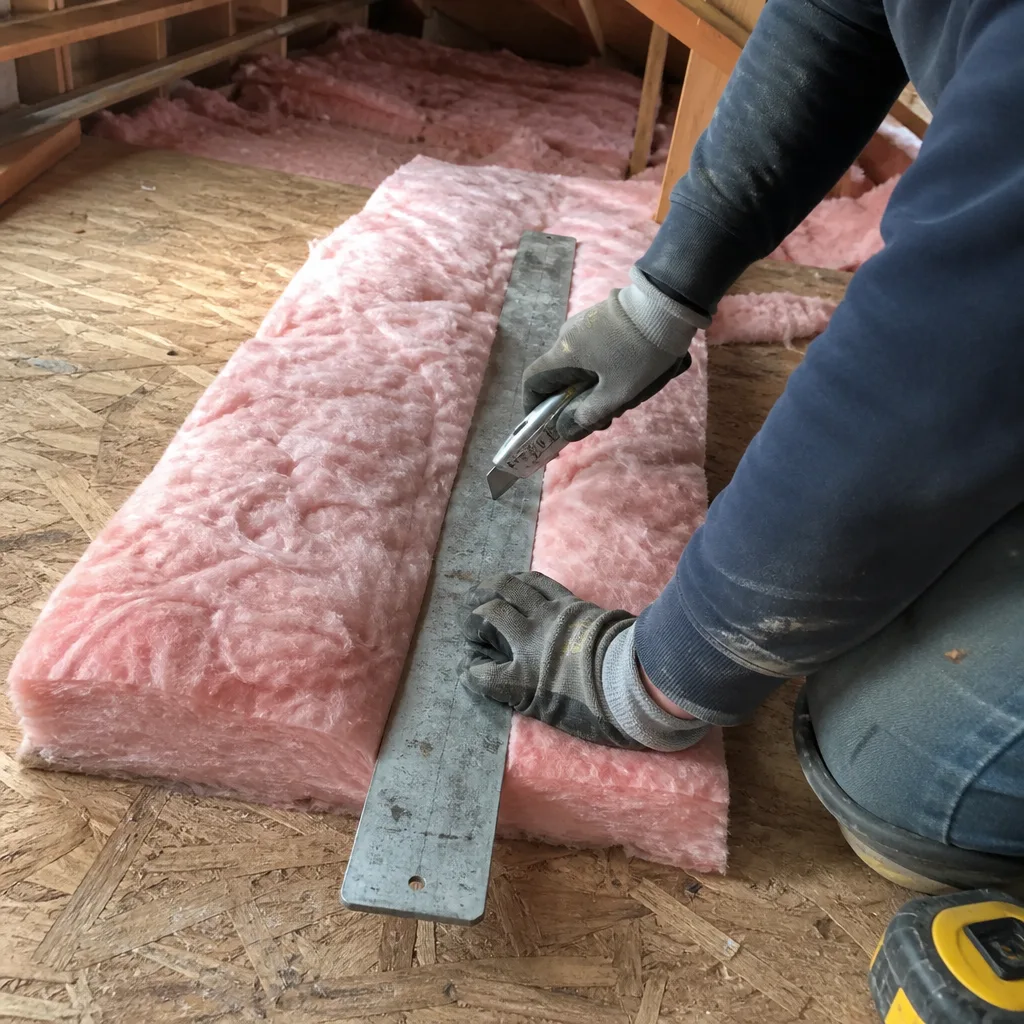
- Dust streaks on batt edges. Air moving through gaps carries attic dust; when you see dark lines where Rockwool meets framing, you’ve got a bypass pulling unconditioned air past the insulation. In Cupertino’s dry summers, this dust cakes hard and becomes permanent evidence of the leak path.
- Hot ceiling spots in afternoon sun. The Rockwool itself is fine - probably R-30 or better - but air is looping around it through unsealed electrical penetrations or the chimney chase. We map these with an infrared camera; the pattern is unmistakable once you’ve seen it.
- Ice damming or moisture staining on rafters. Even in Cupertino’s mild climate, winter temperature swings can drive condensation where warm interior air hits cold sheathing. Failed air sealing at the attic floor is the culprit nine times out of ten, and Rockwool’s hydrophobic fibers won’t save you from bulk water.
- Blower-door test shows minimal improvement after insulation upgrade. We ran a job last year near Stevens Creek Boulevard: new Rockwool batts, same 3,800 CFM50 reading as before. The original crew never touched the top plates or the bath fan housing. Sealed properly, that house dropped to 2,100 CFM50 - a 45% reduction.
- Rodent disturbance in batts. Gaps around plumbing stacks and wire chases are highways. Once Rockwool gets compressed or displaced by nesting, the air sealing function is compromised even where the material still looks intact.
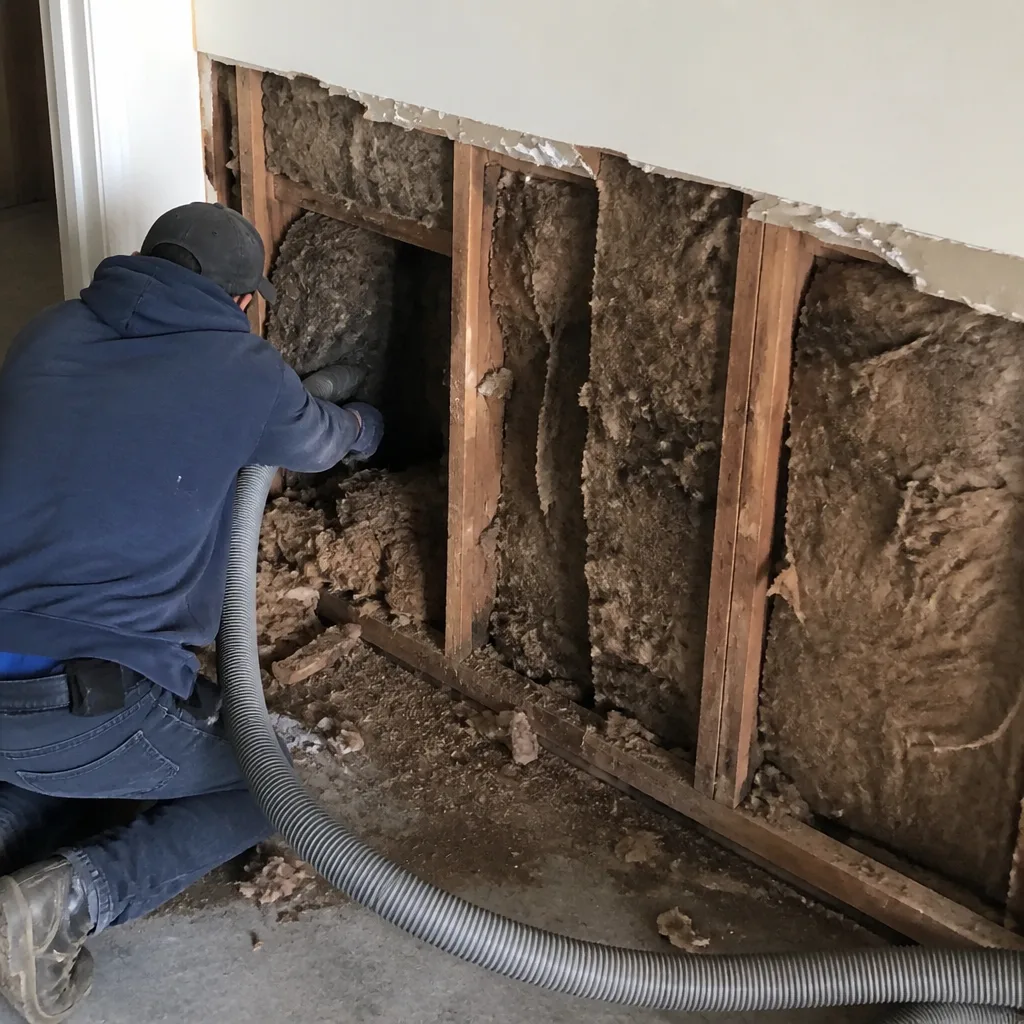 Before
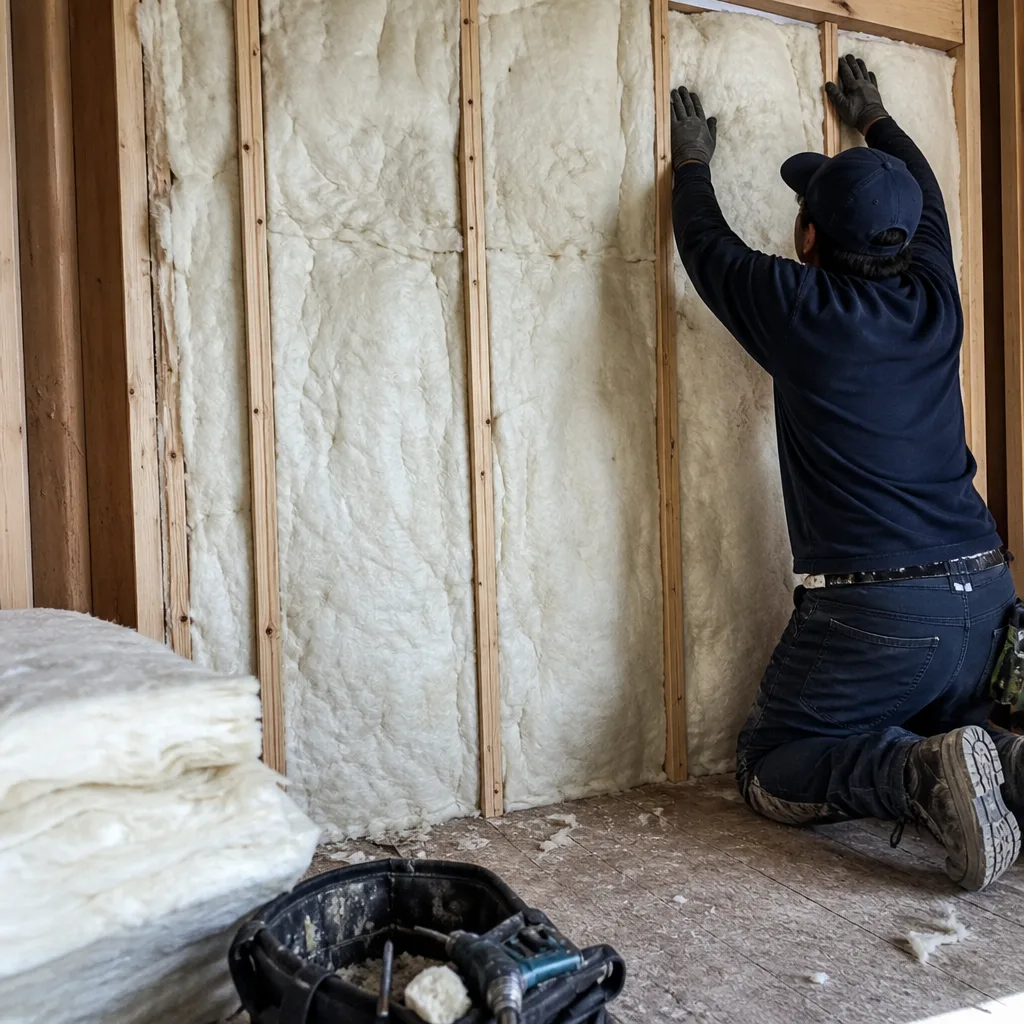 After
AfterReplacement Cost & What’s Included
| Scope | Price Range (Cupertino) |
|---|---|
| Attic floor sealing, single-story, standard penetrations | $340-$480 |
| Attic floor + vertical wall intersections, two-story | $480-$680 |
| Conditioned attic assembly (Comfortboard, taped seams) | $680-$920 |
| Re-insulation of disturbed Rockwool batts (add-on) | $180-$290 |
What drives the range: accessibility (truss spacing, existing decking), quantity of penetrations to seal, and whether we’re working around stored belongings. Every quote is flat - Written Price Before Any Work Starts, Haven Standard Clause 1 - and includes the Documented Photo Record showing before condition, sealed penetrations, and final blower-door reading where applicable. The 365-Day Done Right Promise covers labor and materials; if a seal fails or we missed a bypass, we return and fix it.
DIY or Call Us?
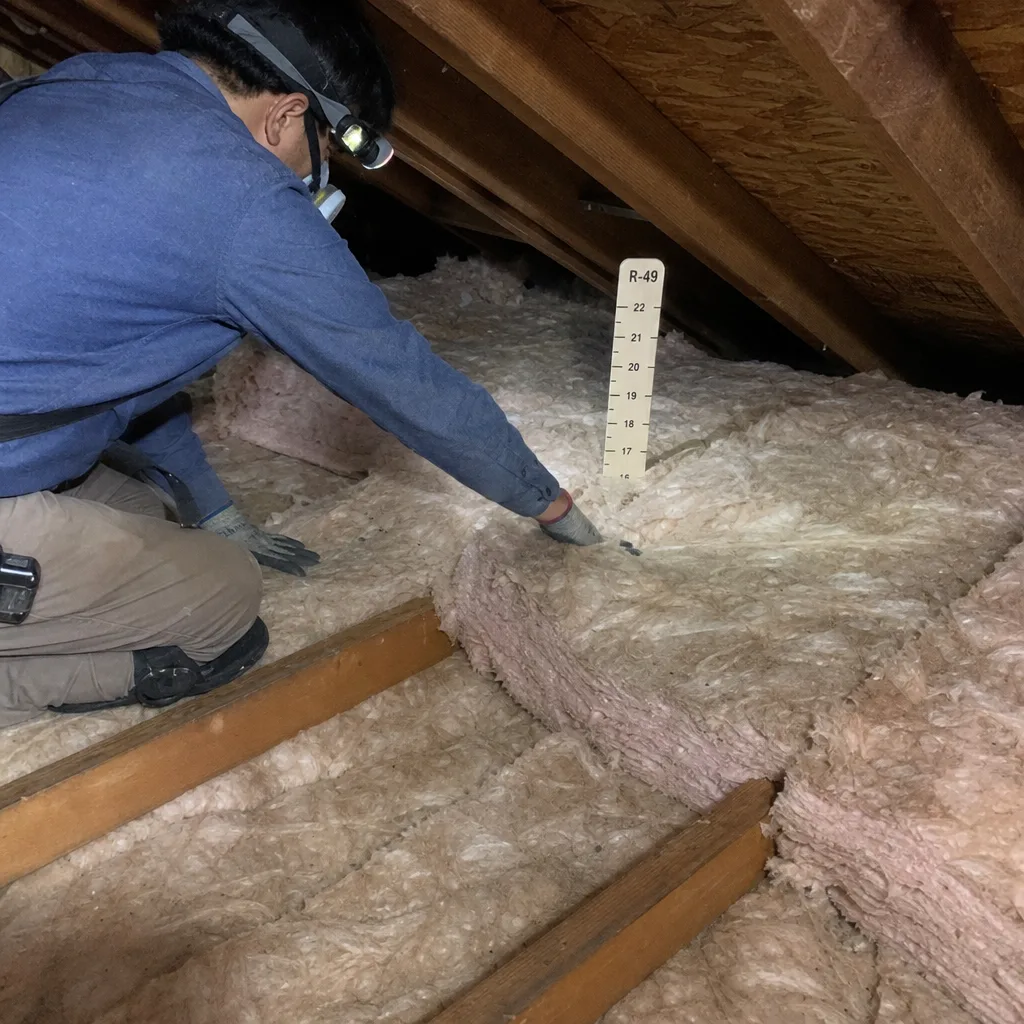
Here’s what you can safely check yourself: look for visible gaps around light housings, plumbing vents, and where interior walls meet the ceiling. A flashlight and a weekend morning will tell you if your attic was sealed at all. But the actual work involves working at height, in confined spaces, with fire-rated materials that must be applied to manufacturer spec to maintain assembly ratings. In Cupertino, Title 24 compliance documentation matters for resale; a DIY seal job without photos and a written scope won’t pass a buyer’s inspection.
More importantly, the leaks you can’t see - the ones inside wall cavities, at partition top plates hidden under existing insulation - are where the real losses live. We find them with a blower-door and a smoke pencil. Seal the leaks first. Insulation covers problems; it does not fix them. For a written price and a documented result, call (831) 217-8521.
FAQs
Properly installed fire-rated caulk and foam sealants last 20-30 years, but the seal integrity depends on subsequent trades - electricians, HVAC crews - not disturbing the work. In Cupertino’s active renovation market, we recommend a visual inspection every 5-7 years, or after any attic penetration work. Call (831) 217-8521 and we’ll check it against your original photo record at no charge.
Partial repair is common and often the right call - spot-seal disturbed areas, re-caulk around new penetrations, compress displaced batts back to spec. Full replacement only makes sense when the original sealant has degraded or when you’re upgrading the insulation layer anyway. We quote both paths so you can decide.
Most single-story attic floor sealing jobs finish in 4-6 hours; two-story homes with complex partition walls run a full day. We arrive with Rockwool-compatible materials on the truck, so there’s no supplier delay. You’ll get a text when the technician is en route, and the Documented Photo Record by evening.
Yes - Rockwool SAFE’n’SOUND acoustic sealant, intumescent caulk for AFB evo assemblies, and foil tape for Comfortboard seams are on every truck, plus aftermarket equivalents from 3M and Tremco. If your assembly requires a specific rating we don’t have, we’ll source it and schedule within 48 hours, never starting work without the right material in hand.
Written by Wes Okafor, Owner, Topside Attic Insulation Cupertino at Topside Attic Insulation Cupertino, serving Cupertino and nearby areas.