
Knauf Blown-In Insulation in Cupertino: What to Know First
We provide independent Knauf blown-in insulation service in Cupertino, with most attic jobs completed in one day and pricing put in writing before any work starts. Typical turnaround from call to crew on-site is 48-72 hours for standard jobs, 24 hours for homes without working insulation during heating or cooling season. We are not affiliated with or authorized by Knauf; we are an independent service provider who sources Knauf materials alongside Owens Corning, Johns Manville, and other lines when they fit the job better. If you own a Cupertino home built between 1965 and 1995 with original blown-in fiberglass or cellulose, you’re likely looking at Knauf Jet Stream Ultra, Ecobatt, or Heritage Glass products that have settled, degraded, or were installed over unsealed attic bypasses. Call (831) 217-8521 for a free estimate with a written price before any work starts.
How Knauf Products Fail - and How We Fix Them
- Jet Stream Ultra settling in Cupertino’s wide temperature swings. This blown-in fiberglass was marketed for its coverage calculator precision, but in attics across Cupertino - especially near Rancho Rinconada and the older Monta Vista subdivisions - we’ve measured 30-50% depth loss after 10-15 years. The glass fibers don’t biodegrade; they compact. Our fix: remove the settled mat, seal top plates and can-light penetrations with fire-rated caulk and rigid baffles, then reinstall to labeled depth with fresh material or a denser alternative if the roof pitch allows.
- Ecobatt binder breakdown in high-humidity pockets. Knauf’s brown binder, made from plant starches, can reactivate and clump when attic ventilation is poor - common in Cupertino foothill homes where morning marine layer moisture gets trapped behind original turtle vents. We’ve pulled Ecobatt that turned into dense, airflow-blocking cakes near the ridgeline. Our fix: diagnose the moisture source first (usually blocked soffits or missing baffles), remediate, then replace with material matched to the actual attic climate.
- Heritage Glass N fiberglass settling around irregular framing. This loose-fill product was common in South Bay tract builds; its larger fiber diameter resists compression but doesn’t bridge gaps well. In split-levels near Seven Springs and the older Cupertino Village area, we find Heritage Glass has migrated away from top plates and wire penetrations, leaving thermal bypasses exactly where air leaks. Our fix: dense-pack those cavities with compatible material after sealing, or switch to a more stable blown-in cellulose if the homeowner prefers.
- Knauf insulation installed directly over unsealed recessed can lights. This isn’t a product failure; it’s an installation failure we see repeatedly on Knauf jobs in Cupertino. Pre-2010 IC-rated cans still leak, and non-IC cans covered with any blown-in material create a fire hazard and a direct chase for conditioned air into the attic. Our fix: replace with airtight LED housings or install Tenmat covers, seal with fire-rated foam, then insulate - never the reverse order.
- Original Knauf batts used as attic floor insulation in 1970s builds, then topped with loose-fill. We’ve found this “sandwich” in homes near the Cupertino-Sunnyvale border: compressed fiberglass batts creating a vapor barrier where none was intended, trapping moisture against the drywall. The blown-in layer on top looks fine from the hatch. Our fix: remove everything, inspect the ceiling plane for staining or mold, dry and seal, then install a single, uniform system with documented R-value.
Our Knauf Blown-In Insulation Process
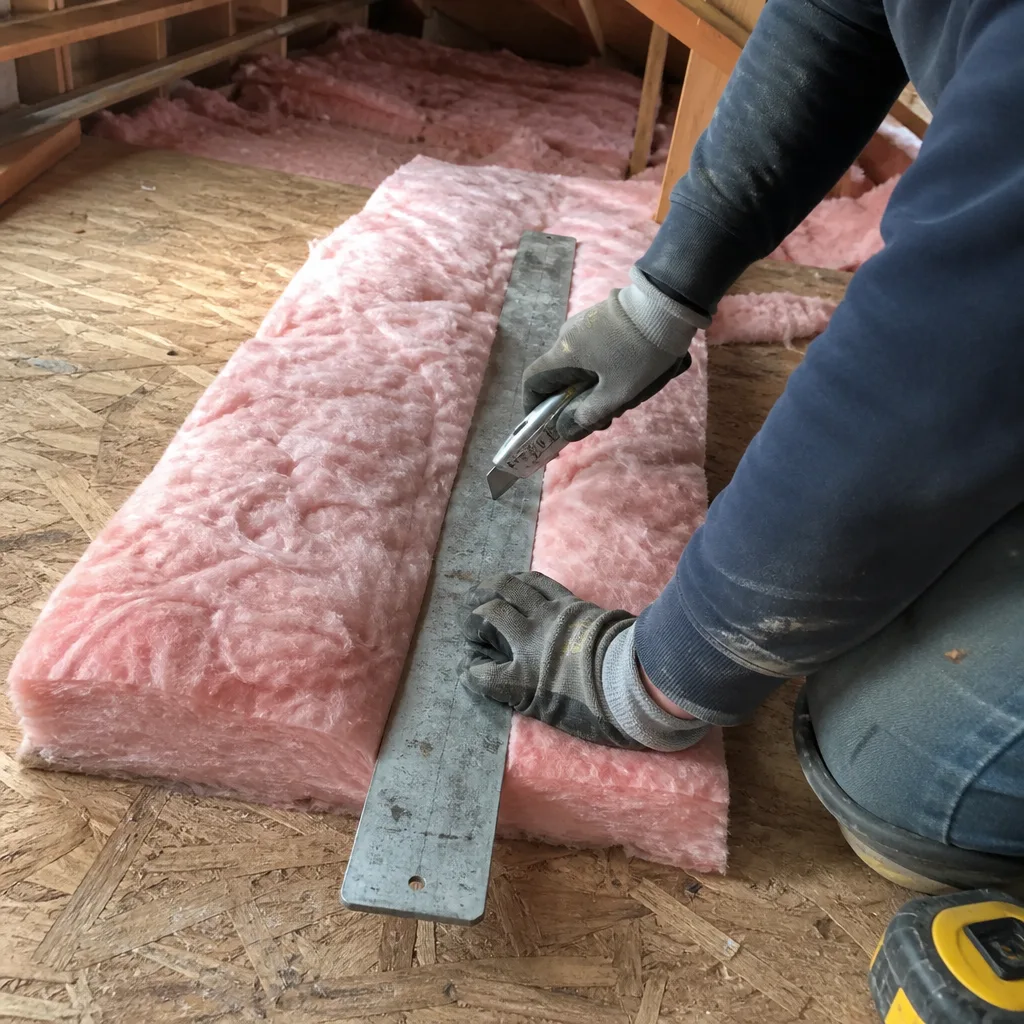
- 1
Call and scheduling. A live person answers, 24/7. We book a site visit, not a sales presentation. You’ll get a text when the technician is en route.
- 2
Attic inspection and blower-door test. We run a blower-door test - a pressurization reading that shows, in one number, how much air your building envelope is losing. We document existing Knauf product type, depth, condition, and every penetration that needs sealing first.
- 3
Written scope and price. You get a flat price, written scope, and written warranty before anyone lifts a tool. Haven Standard Clause 1. No exceptions.
- 4
Air sealing before insulation. Seal the leaks first. Insulation covers problems; it does not fix them. We seal top plates, wire and plumbing penetrations, can lights, and the attic hatch with appropriate materials.
- 5
Material selection and installation. We match fresh Knauf product or recommend an alternative from our multi-brand inventory - Owens Corning, Johns Manville, Rockwool, or others - based on your attic’s actual conditions, not a brand preference.
- 6
Post-work testing and documentation. We rerun the blower-door test, photograph the completed work, and deliver your Documented Photo Record with before-and-after CFM50 or ACH50 numbers - air changes per hour at 50 pascals of pressure - so the improvement is documented, not just described.
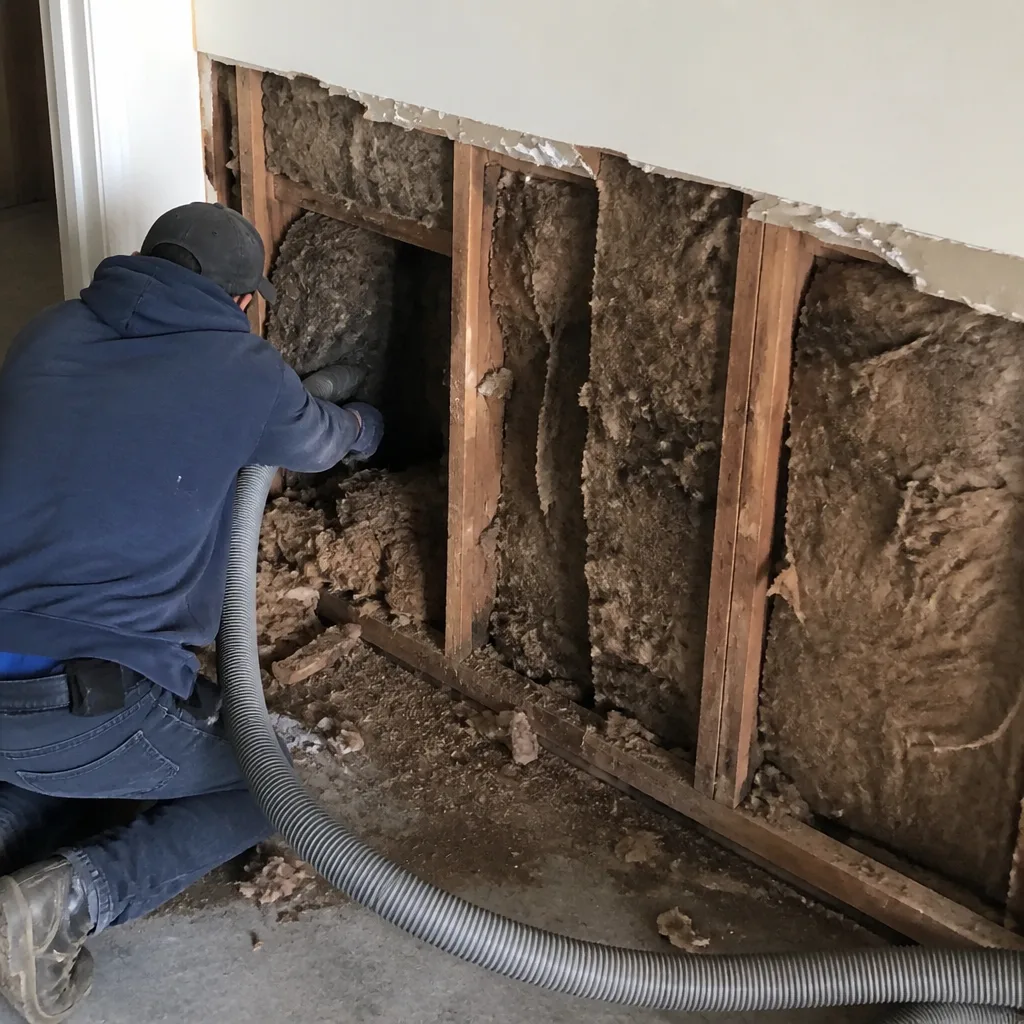 Before
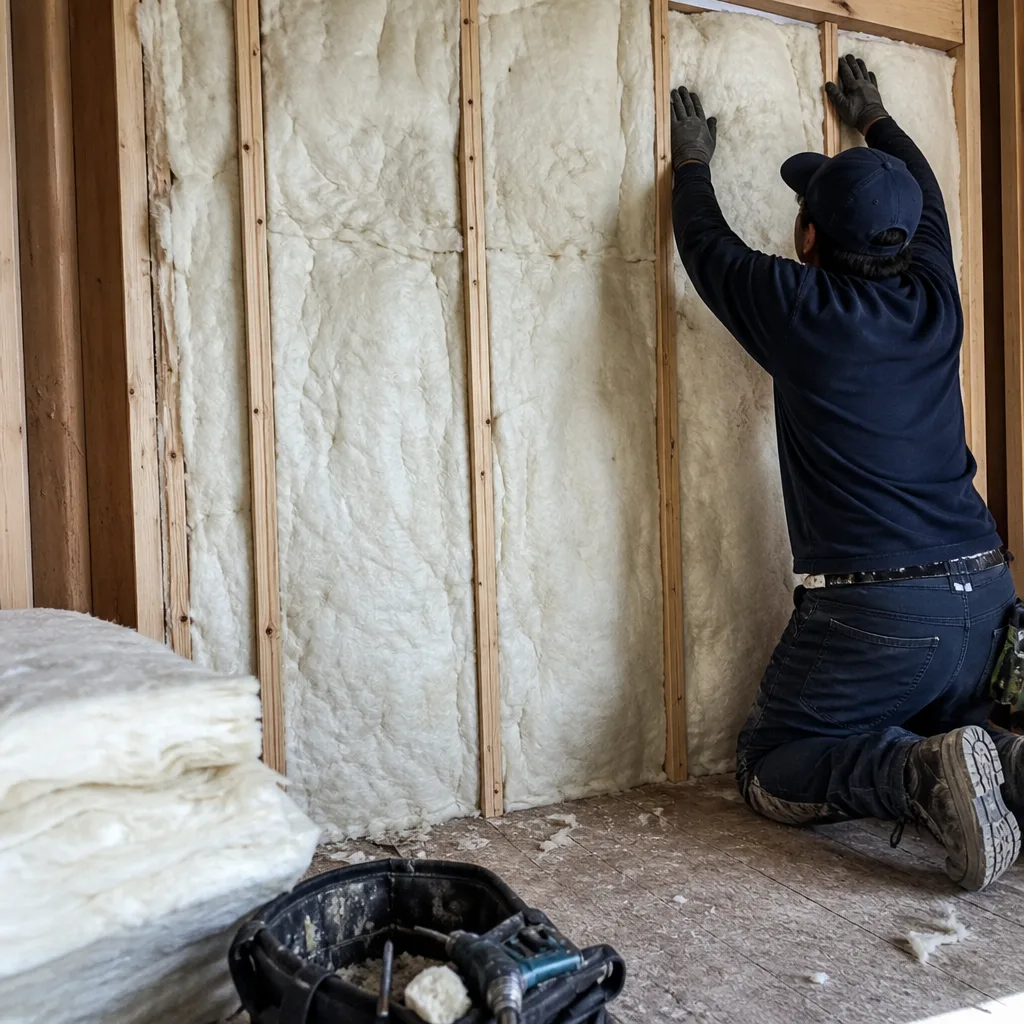 After
AfterWhat Knauf Blown-In Insulation Costs in Cupertino
Most attic insulation jobs in a Cupertino home of 1,200-2,400 square feet run between $2,800 and $5,400 for removal, air sealing, and reinstall with fresh blown-in material. What moves the price:
- Accessibility: tight scuttle hatches or long hose pulls from street parking add labor
- Existing condition: removal of degraded or rodent-contaminated material costs more than top-up over clean, settled product
- Air sealing extent: homes with original recessed lighting or complex top-plate geometry take longer to seal properly
- Material choice: Knauf Jet Stream Ultra, Owens Corning AttiCat, or dense-pack cellulose each price differently per square foot at target R-value
We also offer a Free Second Opinion on any written estimate - bring us a competing quote and we’ll read it with you. Call (831) 217-8521 for an exact quote; estimates are free and the price is written before any work starts.
Why Cupertino Homeowners Call Topside Attic Insulation Cupertino for Knauf Work
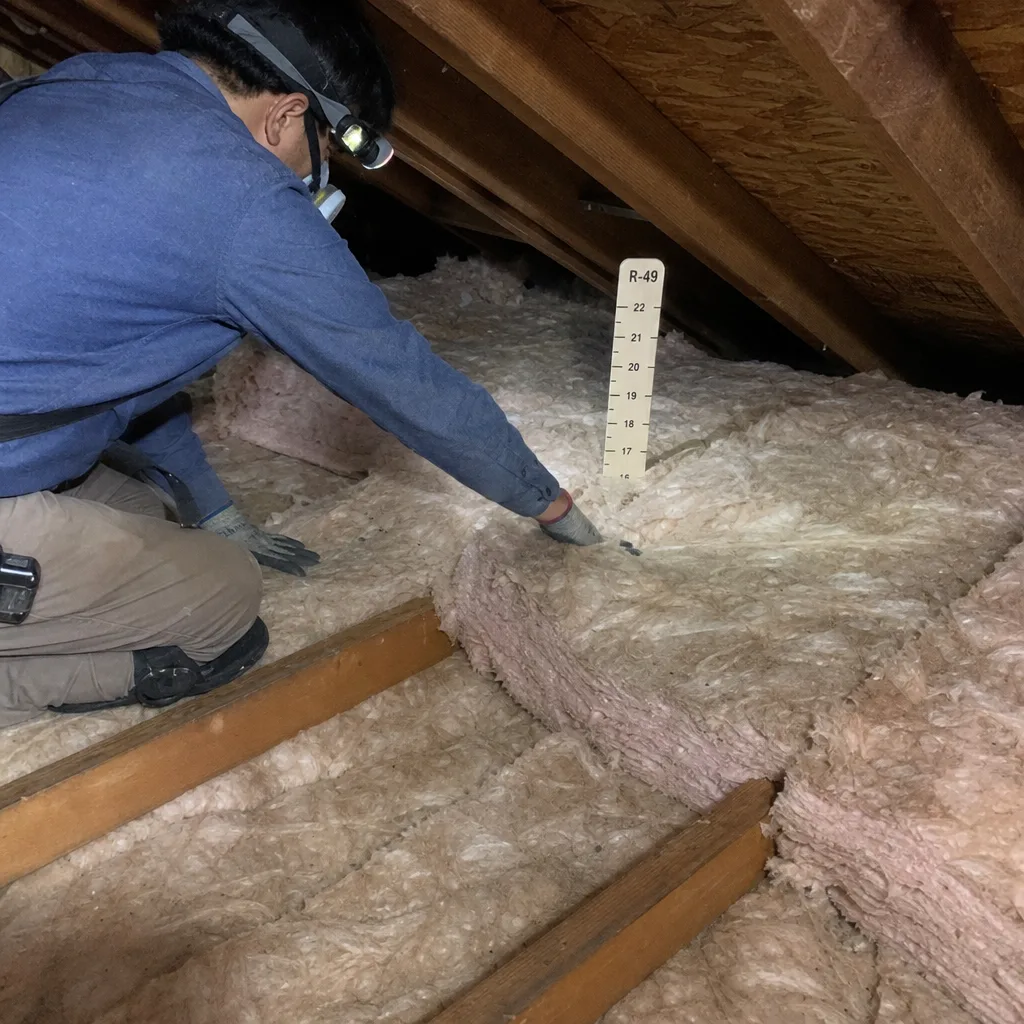
Wes Okafor learned the trade at Olive-Harvey College, where the building science program ran blower-door diagnostics before most contractors in the region knew what one was. His crew has completed jobs from tract homes near Rancho Rinconada to older split-levels backing up to the Cupertino foothills - the kind of houses where the original attic bypasses were never sealed before the blown-in cellulose went down. We publish before-and-after blower-door numbers on every applicable job, back everything with our 365-Day Done Right Promise, and source materials from Knauf, Owens Corning, Johns Manville, Rockwool, CertainTeed, and others so we’re never locked into a product that doesn’t fit your house. Background-checked, uniformed technicians. Calls answered by a live person, 24/7. No voicemail loops.
FAQs
Knauf’s product warranties cover material defects, not installation, so independent service does not affect material coverage. Installation workmanship is covered by our 365-Day Done Right Promise and written warranty, delivered before work starts. Call (831) 217-8521 if you have a specific product concern.
We can source current Knauf lines including Jet Stream Ultra and Ecobatt when they’re the right choice for your attic conditions. We also stock compatible alternatives from Owens Corning, Johns Manville, and others - no proprietary lock-in. The match depends on your target R-value, available depth, and whether the original product failed due to installation error or material limitation.
We test for three conditions: settled depth below labeled coverage, moisture damage or pest contamination, and compression from storage or foot traffic. If the existing material is clean and simply settled, a sealed top-up may work. If we find degraded binder, mold, or evidence of prior roof leaks, removal is the only honest recommendation. The inspection is free.
Standard attic jobs are one day. If removal, air sealing, and reinstall are all required, most Cupertino homes are two days. Emergency situations - no working insulation during a heat wave or cold snap - we prioritize for next-day start. Call (831) 217-8521 to check current scheduling.
Repair or top-up is cheaper upfront when the existing material is clean and the air sealing was done correctly originally. In our Cupertino experience, homes built before 1990 rarely meet both conditions; the labor to seal around existing insulation often approaches the cost of removal and fresh install, with better final performance. We put both options in writing so you can compare real numbers.
Ready to get your Cupertino home’s Knauf insulation assessed? Call (831) 217-8521 for a free estimate. A live person will answer, we’ll schedule a site visit, and you’ll receive a written price before any work starts - Haven Standard, no exceptions.
Written by Wes Okafor, Owner, Topside Attic Insulation Cupertino at Topside Attic Insulation Cupertino, serving Cupertino and nearby areas.