
Owens Corning Vapor Barrier Installation: The Cupertino Owner’s Guide
Owens Corning vapor barrier installation in Cupertino typically runs $1,800-$3,400 for a standard crawl space or attic application, and we stock the membrane rolls, seam tape, and mechanical fasteners on every truck for same-day starts. Most homeowners discover the barrier has failed when they notice musty odors returning after a dry winter, or when a home inspector flags polyethylene sheeting that’s gone brittle and translucent around the Rancho Rinconada area’s older post-tension slabs. We carry 6-mil and 10-mil reinforced polyethylene in widths from 12 to 20 feet, cut to the actual dimensions of your joist bays rather than pieced from narrower stock.
Which Owens Corning Models This Applies To
Owens Corning does not manufacture a proprietary vapor barrier membrane under its own brand label. Instead, the “Owens Corning system” refers to the complete attic or crawl space assembly where their FOAMULAR rigid foam board, ProPink blown-in insulation, or AttiCat expanding blown-in system is paired with a compatible Class I vapor retarder. The critical match is between the permeability of the barrier and the R-value of the adjacent insulation. FOAMULAR XPS at R-5 per inch demands a 6-mil polyethylene barrier on the warm-in-winter side in Cupertino’s climate zone 3C, or you’ll trap moisture against the foam face and degrade the adhesive bond within three to five years.
Identification is straightforward: look for the Owens Corning pink panther logo on adjacent insulation batts or the FOAMULAR board stamp, then check whether your existing barrier has printed mil thickness markings along the edge. Unmarked, cloudy sheeting is almost always 3-mil builder-grade stock that was never meant to last. We source our 10-mil reinforced polyethylene from the same industrial suppliers that feed Owens Corning distribution centers, with no proprietary lock-in. Topside Attic Insulation Cupertino is an independent service provider, not affiliated with Owens Corning.
One compatibility gotcha specific to Cupertino: homes built 1965-1985 near the foothills, especially the split-levels along McClellan Road, often have 24-inch on-center floor joists with irregular bay widths. Standard 12-foot rolls leave seams mid-bay where they shouldn’t be. We field-measure and order 20-foot widths for those jobs, which adds roughly $180-$260 in material but eliminates the seam failure points that show up in every reinspection.
Signs Your Owens Corning Vapor Barrier Installation Is Failing
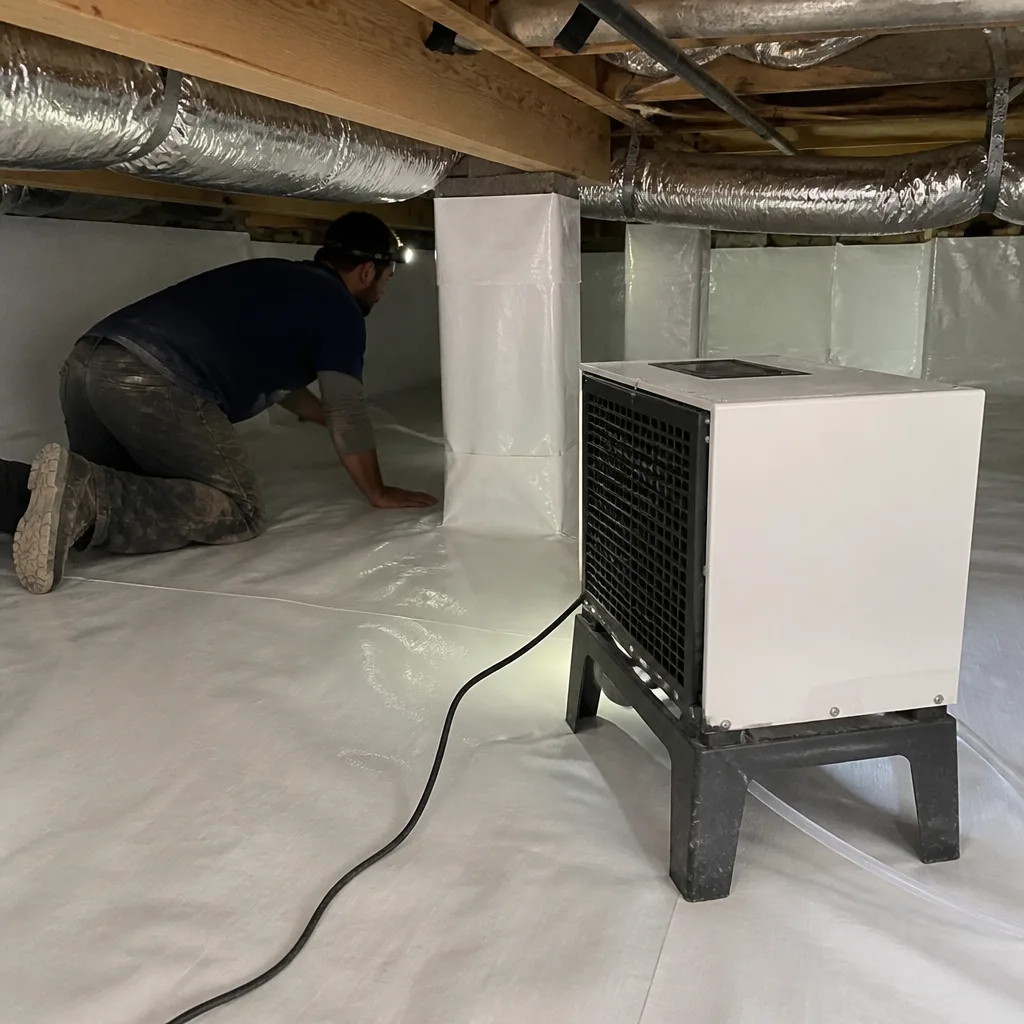
- Condensation pooling on the soil or concrete - The barrier’s permeance has exceeded its rating, or seams have separated, letting soil moisture evaporate directly into the crawl space air. In Cupertino’s clay-heavy soils near Stevens Creek, this shows up as darkening of the poly where it contacts the ground, not just surface droplets.
- Musty odor returning after rain, even with functional ventilation - A intact barrier should block soil gas and moisture; when the poly tears at penetrations or shrinks away from perimeter walls, the source is re-exposed. We see this most often where the original installer used staples alone instead of pressure-treated wood fastening strips.
- Insulation sagging or dropping from floor joists above - Moisture passing a failed barrier wets fiberglass batts, adding weight and degrading the binder. Owens Corning ProPink loses loft permanently once it’s carried more than 20% moisture by weight; it doesn’t dry to original R-value.
- White or gray powder on the barrier surface - This is mold colonization on the biofilm that accumulates where condensation cycles occur. It means the barrier is no longer maintaining a dew point below the condensation threshold, usually because the mil thickness has degraded or UV exposure from work lights has embrittled the polyethylene.
- Visible gaps at perimeter walls or around piers - Polyethylene shrinks 1-2% annually under thermal cycling. In Cupertino’s 40-degree winter lows and 85-degree summer crawl space peaks, a barrier installed without adequate overlap and mechanical fastening will pull back from boundaries within seven to ten years. We’ve measured 4-inch gaps on fifteen-year-old installations.
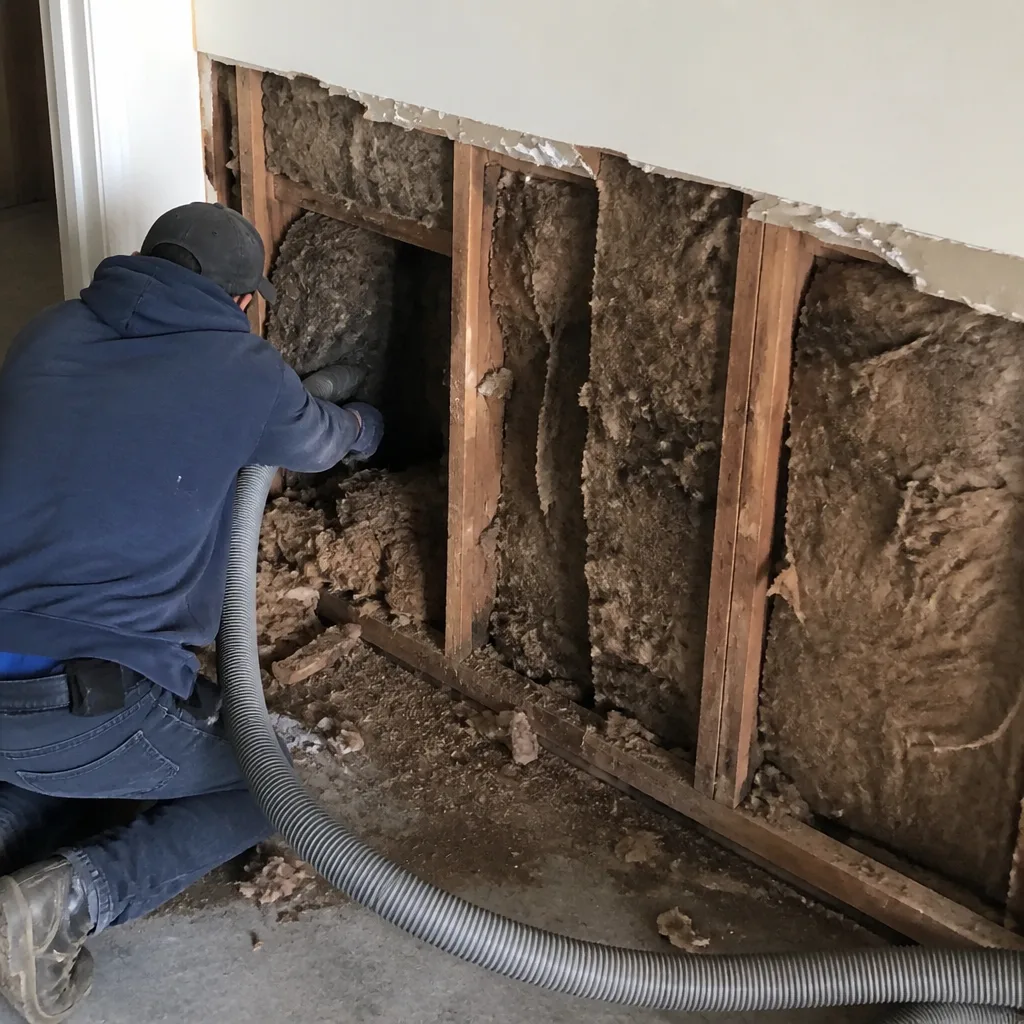 Before
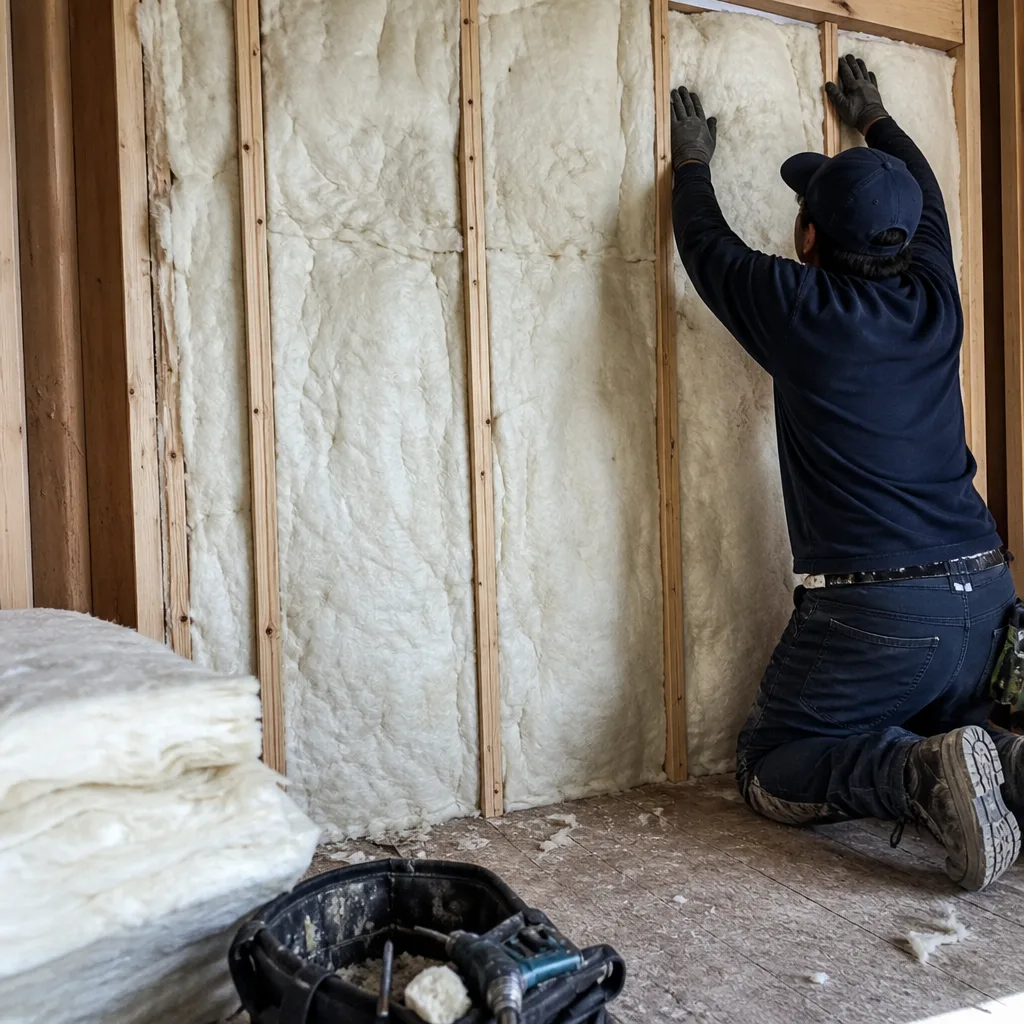 After
AfterReplacement Cost & What’s Included
| Component | Typical Range (Cupertino) |
|---|---|
| 6-mil polyethylene, standard crawl space (1,000-1,400 sq ft) | $1,800-$2,400 |
| 10-mil reinforced polyethylene, same footprint | $2,200-$2,900 |
| Attic floor vapor retarder with air sealing prep | $2,600-$3,400 |
| Additional: sump pit or drainage mat integration | $400-$800 |
The range depends on three factors: access clearance (less than 18 inches requires specialized crews), whether we need to remove and dispose of failed insulation above the barrier, and the condition of the substrate. Every job includes seam overlap heat-welding or tape-sealing to manufacturer spec, pressure-treated fastening strips at all perimeters, and a Documented Photo Record showing before condition, during installation, and completed coverage. We also publish blower-door numbers on applicable jobs, the ACH50 reading that documents how much your envelope was leaking before and after our air sealing work.
Under Haven Standard Clause 1, you get a written price before any work starts, a written scope, and a written warranty. Our 365-Day Done Right Promise applies to all completed vapor barrier work.
DIY or Call Us?
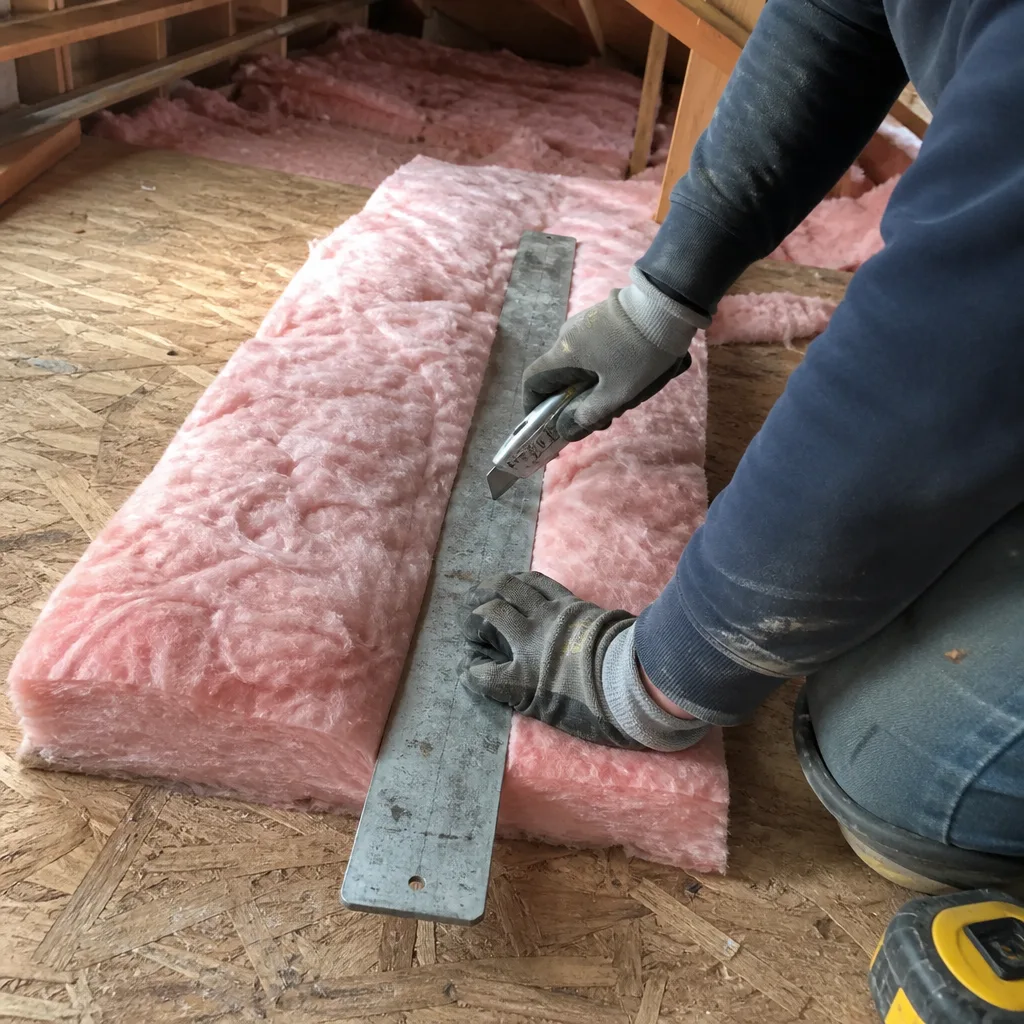
What you can safely check: walk your crawl space with a headlamp and note where the poly has torn, pulled back, or pooled water. Measure a few bay widths. That’s the extent of useful homeowner diagnosis.
Where DIY goes wrong: vapor barrier installation looks like rolling out plastic sheeting, but the failure points are invisible until they aren’t. Seams must be overlapped 12 inches minimum and sealed with compatible tape rated for damp substrates, not duct tape or packing tape that delaminates in months. Perimeters must be mechanically fastened to sealed surfaces, not just tucked. And in Cupertino’s older homes, the original construction often left interior wall bottom plates unsealed to the slab, a bypass that no surface membrane can address. We air seal those bypasses first. Seal the leaks first. Insulation covers problems; it does not fix them.
Call (831) 217-8521 for a free estimate. We’ll bring the correct mil thickness and width for your actual joist spacing, measured on site, not guessed from a satellite photo.
FAQs
Properly installed 10-mil reinforced polyethylene lasts 15-20 years in Cupertino’s climate zone 3C; 6-mil stock lasts 10-14 years before embrittlement. The killer is UV exposure during construction or maintenance work, which can halve that lifespan if the poly was left uncovered for more than a few days. Call (831) 217-8521 and we’ll assess your current barrier’s condition - estimates are free.
Small punctures under 4 inches can be patched with compatible polyethylene tape if the surrounding material is still supple. If the poly is cloudy, stiff, or shrinking away from fasteners, patching is false economy; the degradation is systemic and new tears will propagate within a season. We don’t sell patches for failing systems - we document the condition and quote replacement. Call (831) 217-8521 for an exact quote - estimates are free.
A standard 1,200-square-foot crawl space with good access takes one day; tight clearances, debris removal, or integration with a drainage mat adds a second day. Attic floor applications take longer because we air seal all top plates, can lights, and penetrations before laying the retarder. We don’t start the clock until the written scope is signed. Call (831) 217-8521 to schedule.
We stock 6-mil and 10-mil reinforced polyethylene rolls, vapor-resistant seam tape, and pressure-treated fastening strips on every vehicle. For odd bay widths or integrated drainage systems, we pull from next-day local supply. We also stock Reflectix radiant barrier products for jobs where the owner wants a combined vapor-retarder and reflective assembly. Call (831) 217-8521 - most Cupertino jobs start within 48 hours of estimate approval.
Written by Wes Okafor, Owner, Topside Attic Insulation Cupertino at Topside Attic Insulation Cupertino, serving Cupertino and nearby areas.