
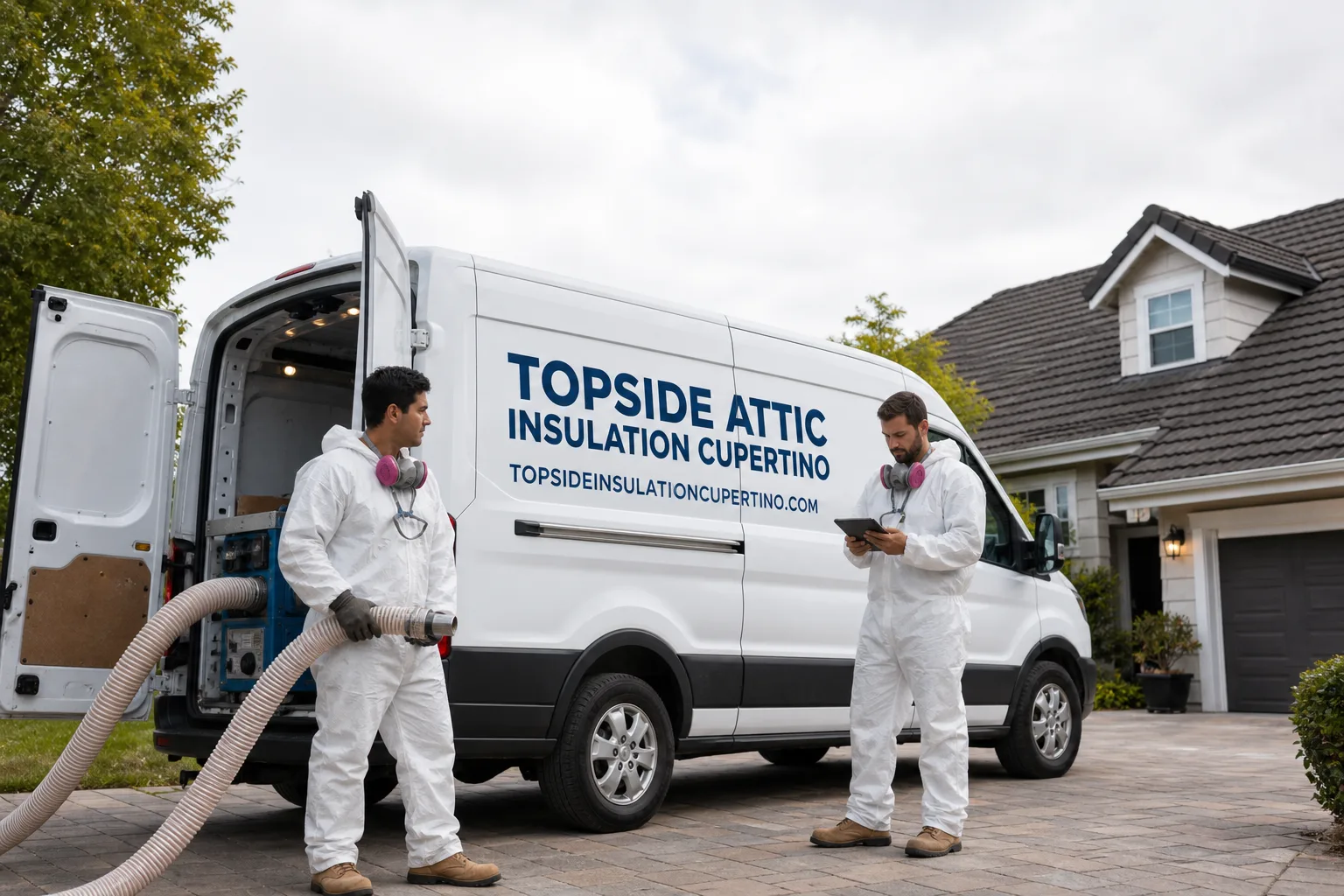
How Much Does a Home Energy Audit Cost in Cupertino?
A Home Energy Audit in Cupertino typically costs between $300 and $700 for a professional assessment that includes a blower-door test – a pressurization reading that shows, in one number, how much conditioned air your building envelope is losing. Most Cupertino homeowners in a 1,800-to-2,800-square-foot single-family home land between $350 and $550, depending on scope and whether the auditor provides combustion safety testing and a written remediation report. Utility-subsidized audits through PG&E’s programs can reduce or eliminate that cost entirely, though availability changes from quarter to quarter.
Home Energy Audit Cost Breakdown (2026)
The numbers below reflect current Cupertino-market pricing based on what homeowners here pay in 2026. Santa Clara County’s labor costs and the relatively tight scheduling window in the South Bay push prices slightly above the national average, which runs $200 to $600.
| Audit Type | Typical Cupertino Range | What’s Included |
|---|---|---|
| Basic walk-through audit (no testing) | $150 – $250 | Visual inspection, thermal comfort notes, verbal recommendations |
| Standard diagnostic audit | $300 – $450 | Blower-door test, duct leakage test (CFM25), written report |
| Full building-performance audit | $475 – $700 | Blower-door, duct blaster, combustion safety, infrared camera scan, prioritized scope of work |
| HERS-rated audit (for permits or Title 24) | $550 – $900 | Certified HERS rater, compliance documentation for building department |
| PG&E Home Energy Checkup (utility-subsidized) | $0 – $100 out of pocket | Scope varies by program cycle; typically includes basic testing |
A few line items that can shift your final number:
- Crawl space inspection: Many Cupertino homes built before 1980 – especially in the Monta Vista and Rancho Rinconada neighborhoods – have vented crawl spaces that add 30 to 60 minutes of inspection time. Expect $50 to $100 added to the base price if the auditor physically enters and documents the space.
- Infrared thermography: Not every auditor includes an IR camera scan by default. When it’s a separate line item, it typically runs $75 to $150 for a Cupertino-sized home. The camera makes hidden air leaks at top plates, recessed can lights, and attic hatches visible in a way that a visual inspection alone cannot.
- Written remediation report: Some auditors charge a flat fee that includes a prioritized punch list; others bill for report preparation separately at $50 to $125. Confirm upfront what the deliverable looks like before the appointment is scheduled.
- Same-day follow-up estimate from a contractor: If the auditing company also does the insulation and air-sealing work, some will credit the audit fee toward the project. At Envelope Insulation Co., any audit we conduct comes with a written price before any work starts – Haven Standard Clause 1 – so there’s no ambiguity about what the follow-on work would cost.
The single biggest variable in Cupertino: whether the auditor owns and operates a calibrated blower-door rig versus relying on a third-party rater. Auditors who own their equipment tend to schedule faster and keep costs tighter. Always ask which instrument they’ll use and whether they’ll give you the CFM50 reading before and after any work is done – that number is the only objective way to verify that air sealing actually performed.
What Affects Home Energy Audit Pricing in Cupertino
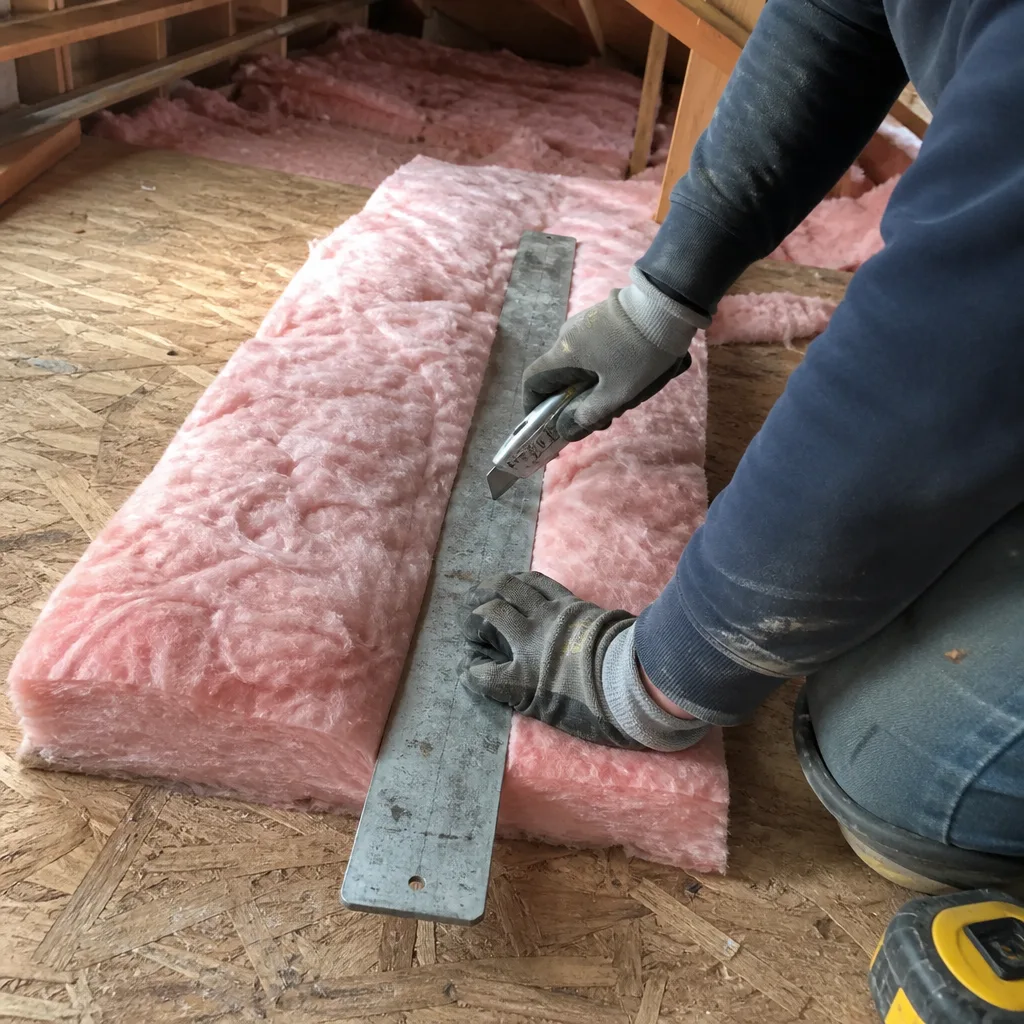
Cupertino has some quirks that don’t apply in most California markets. Knowing what drives the price helps you evaluate competing quotes on a level footing.
- Home size and year built: A 1,400-square-foot condo near Vallco or Apple Park will cost less to audit than a 3,200-square-foot two-story in the Linfield Oaks area. Larger homes take longer, require more diagnostic passes with the blower door, and typically have more duct runs to test. Homes built before 1978 – which cover a significant portion of the Cupertino stock near De Anza Boulevard – often have older HVAC systems and more complex attic geometries, which extend the inspection time.
- Number of HVAC systems: Cupertino homes upgraded during the 2018-2023 solar-and-heat-pump boom often have two-zone systems – one for the main floor, one for the upper level. Each air handler adds a duct leakage test and an inspection of the air handler closet. Budget an extra $75 to $150 per system beyond the first.
- Attic configuration: Cathedral ceilings and complex roof lines – common in the newer developments off Stelling Road – restrict auditor access and require more time with the infrared camera. A simple open attic that can be walked takes roughly half the time of a fragmented attic with multiple levels and knee walls.
- Crawl space vs. slab foundation: Homes with vented crawl spaces need vapor barrier and rim joist inspection as part of a complete envelope audit. Slab homes skip this step entirely, which can shave $50 to $100 off the total.
- Local climate and seasonal demand: Cupertino sits at roughly 200 feet elevation in the Santa Clara Valley, with more diurnal temperature swings than coastal cities. Homeowners typically schedule audits in spring (March through May) before summer cooling bills arrive. Audit pricing can creep up 5 to 10 percent during peak scheduling periods simply because qualified auditors are booked solid and can hold their rate.
- Certification level of the auditor: A BPI-certified building analyst or a HERS-rated auditor carries more documented training than an uncertified inspector and typically charges more. For most Cupertino homeowners, a full diagnostic audit by a BPI-certified analyst is the right level. A HERS rating is worth the extra cost only if you’re pulling a permit or applying for specific rebate programs that require Title 24 compliance documentation.
- Report depth and turnaround: A one-page summary handed over at the door is not the same as a 12-page prioritized remediation report with photos, CFM50 readings, and itemized recommendations delivered within 48 hours. The more detailed deliverable almost always costs more – and is almost always worth it. At Envelope Insulation Co., every visit includes a Documented Photo Record as standard; it’s not a premium add-on.
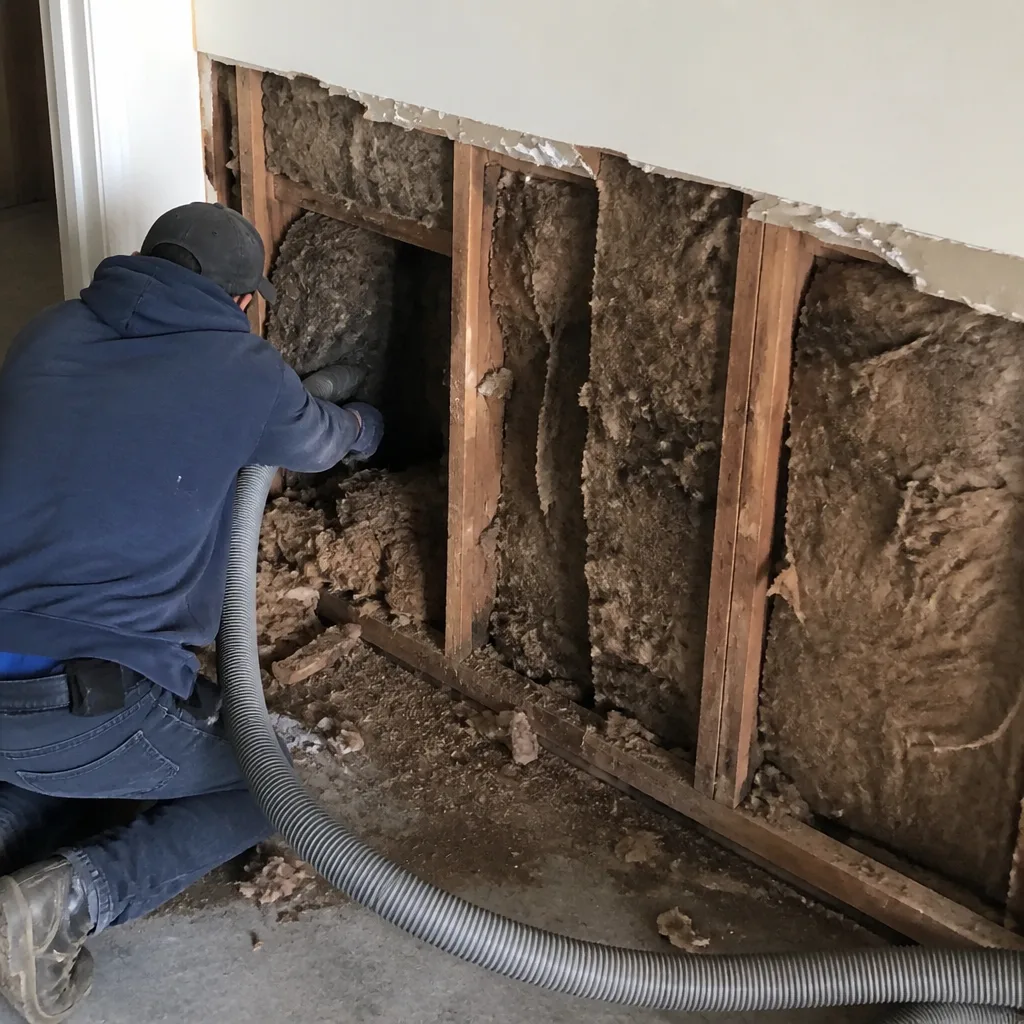 Before
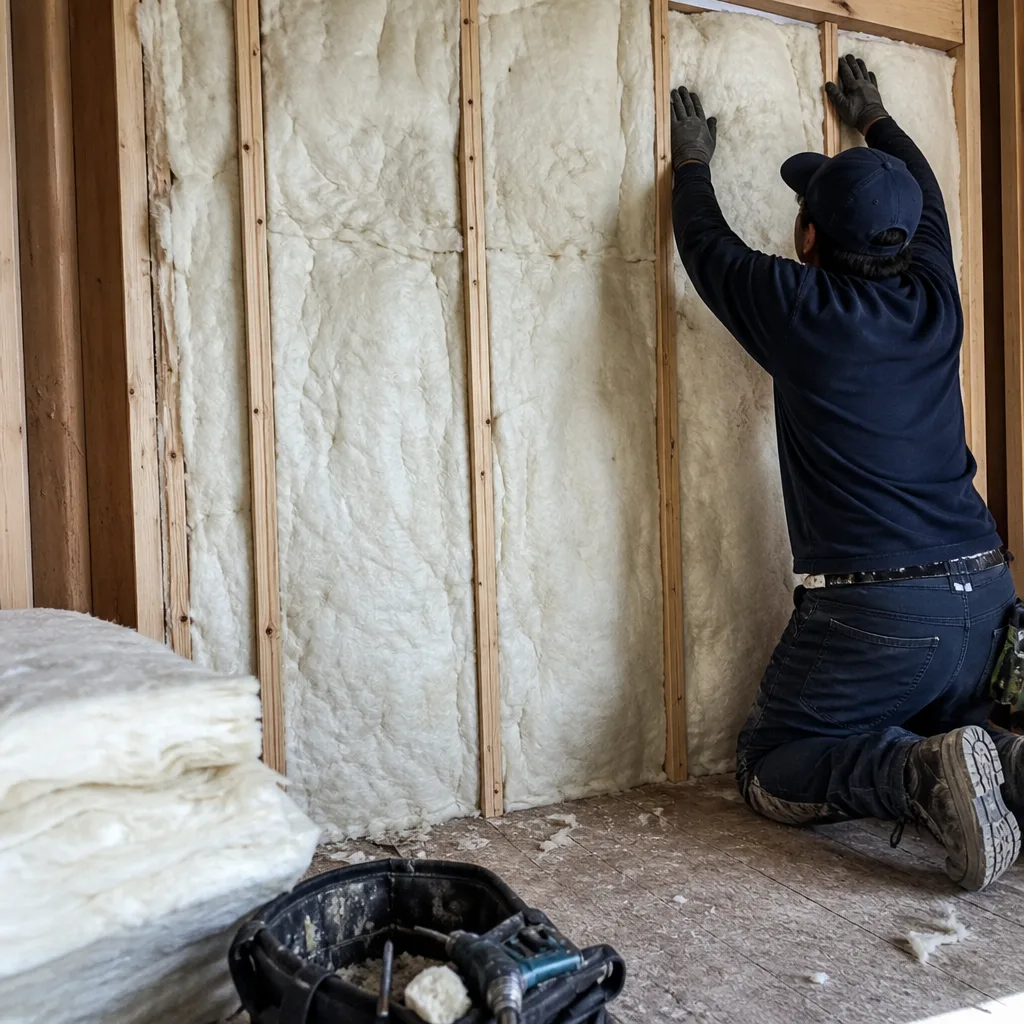 After
AfterWhat a Good Audit Actually Produces – and Why It Matters Before Insulation
This is worth spending a moment on, because many Cupertino homeowners arrive at the audit conversation after already getting an insulation quote. The framing matters: an audit is not a prerequisite your contractor invented to charge you twice. It’s the diagnostic that tells you where to spend your money first.
Here’s what a full building-performance audit in Cupertino should produce before you leave that day:
- A CFM50 reading from the blower-door test – the raw number that tells you how leaky the building envelope is, expressed in cubic feet per minute at 50 pascals of pressure. A well-sealed Cupertino home built after 2000 might read 1,200 to 1,800 CFM50. Older homes in the Monta Vista neighborhood routinely read 3,500 to 5,500 CFM50 before any work is done. That gap is measurable, addressable, and verifiable.
- A duct leakage reading (CFM25) if the home has forced-air HVAC. Leaky ducts in an unconditioned attic are one of the most common energy waste sources we find in Cupertino homes – particularly in houses where the original ducts were never replaced after a furnace swap.
- An infrared scan that shows temperature differentials at common leak points: recessed can lights (still prevalent in Cupertino homes built 1990-2010), top-plate penetrations, attic access hatches, and knee walls.
- A written, prioritized list of recommended work – not a vague “consider adding insulation” note, but specific: “seal 14 can lights in the master bedroom ceiling before adding blown-in insulation to the attic floor.”
- Photos of every finding, so you have a documented record of what the auditor saw and where.
The reason Envelope Insulation Co. treats air sealing as a hard prerequisite – not an upsell – is documented in every before-and-after blower-door reading we publish. Blowing insulation over an unsealed attic floor adds R-value on paper while conditioned air continues to escape through top plates and penetrations at the same rate. The insulation looks right. The energy bill doesn’t change. The audit is what tells you which problem to solve first.
If you’re weighing what a full Home Energy Audit in Cupertino covers from Envelope’s perspective, that page walks through our specific process, what we measure, and what the written deliverable includes.
How to Save on a Home Energy Audit in Cupertino
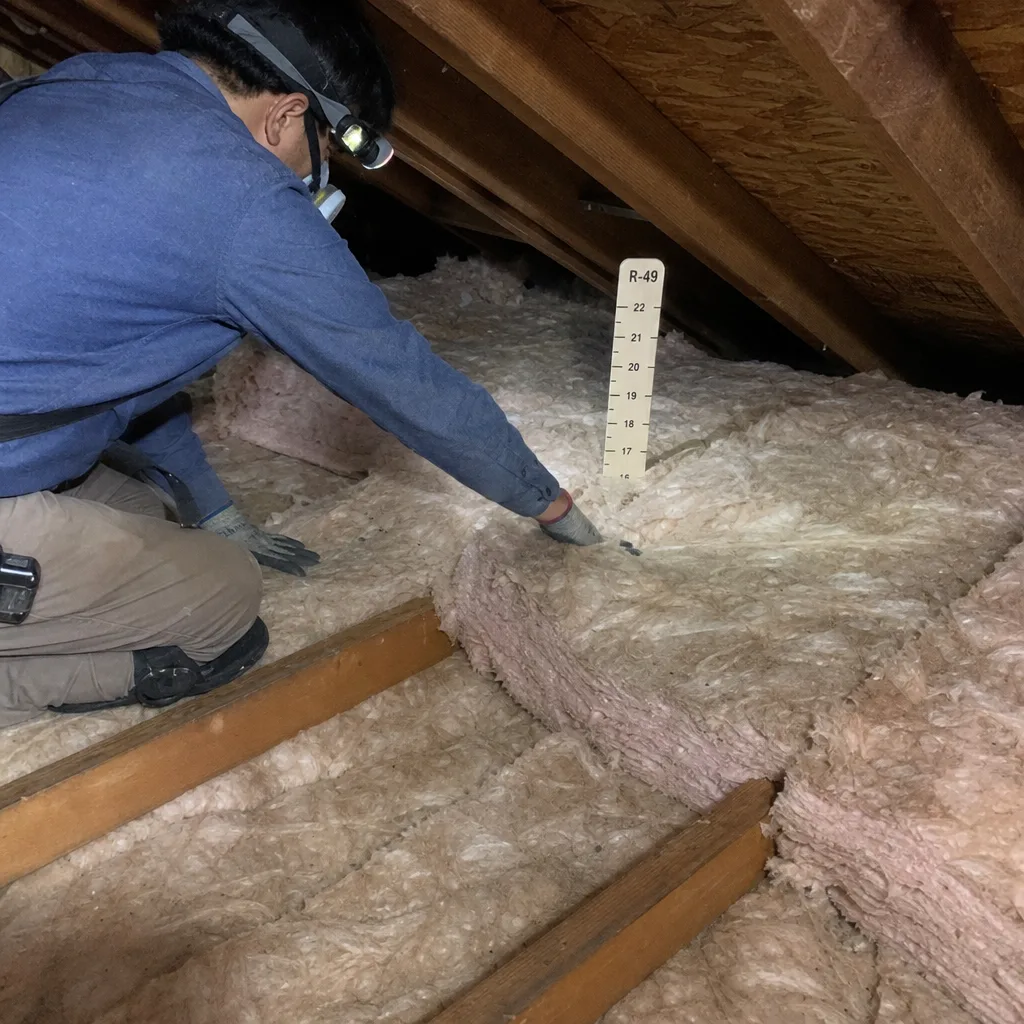
There are legitimate ways to reduce or offset the cost of an audit in Cupertino without sacrificing the quality of the diagnostic. Here’s what actually works in this market.
Use PG&E’s Home Energy Checkup Program
PG&E offers subsidized audits to residential customers in Santa Clara County through their Home Energy Checkup program. Availability fluctuates by quarter, but in 2025 and into 2026, many Cupertino homeowners have qualified for a no-cost or low-cost (under $100) audit through this channel. The scope is typically narrower than a full BPI-level diagnostic – you may get a walk-through and a blower-door test without duct testing or an IR scan – but for many homes it’s a useful starting point. Call PG&E directly or check their current program page to confirm eligibility before assuming it’s available.
Bundle the Audit with the Remediation Work
Several Cupertino contractors, including Envelope Insulation Co., will apply the audit fee toward the insulation or air-sealing project if you move forward with that same company. This only makes sense if the contractor is genuinely qualified to do both – audit quality drops when the person running the blower door has a financial incentive to find problems. Ask upfront whether the audit is fully independent or tied to a sales process.
Get a Second Opinion Before Spending on Remediation
If an auditor hands you a $6,000 remediation estimate on the same day as the audit, slow down. Under Haven Standard, we offer a Free Second Opinion on any written estimate – bring us a competing quote from any contractor and we’ll read it with you line by line. This costs you nothing and is one of the more useful tools for a Cupertino homeowner who’s done enough research to know what questions to ask but isn’t sure whether the numbers add up.
Ask What’s Included in the Base Price
Some auditors advertise a low entry price ($199 or $225) and then charge separately for the blower-door test, the duct test, and the written report. When you add it up, the “affordable” audit often runs more than a transparent flat-rate quote. Ask for an itemized list of what the stated price covers before booking. A written price before any work starts isn’t just our standard – it’s the clearest way to compare two quotes fairly.
Time the Appointment Outside Peak Season
March through May and September through October are the busiest scheduling periods for auditors in Cupertino. If your situation allows, booking in November or February can sometimes get you a faster slot and, with some providers, a slightly lower rate. This won’t move the needle dramatically, but in a market where good auditors book two to three weeks out, it’s worth knowing.
Take Advantage of Federal Tax Credits
The Inflation Reduction Act extended a tax credit for home energy audits completed by a qualified home energy auditor. For 2026, the credit covers 30 percent of the audit cost, up to $150. That’s not nothing – on a $500 audit, you’re getting $150 back at tax time. Confirm with your tax preparer that the auditor meets IRS qualification standards before relying on this. Save the invoice and any credential documentation from the auditor.
For a free estimate on your Cupertino home, call (831) 217-8521. A live person answers – no voicemail loops, no callback windows measured in business days.
What Happens After the Audit: Typical Follow-On Costs in Cupertino
An audit is a diagnostic tool, not an end in itself. Most Cupertino homeowners who complete a full building-performance audit find they have one or more of the following conditions that the audit surfaces:
- Attic air sealing at top plates, can lights, and penetrations: In Cupertino homes built between 1985 and 2005, this is the single most common finding. Air sealing an attic floor in a 2,000-square-foot home typically costs $600 to $1,400 depending on the number of penetrations and the accessibility of the attic. At Envelope Insulation Co., air sealing is always completed before any insulation is added – that’s not a policy we negotiated; it’s how building science works.
- Blown-in attic insulation: After the attic floor is sealed, adding blown-in insulation to R-38 or R-60 runs $1,200 to $2,800 for a typical Cupertino home, depending on current depth, square footage, and access.
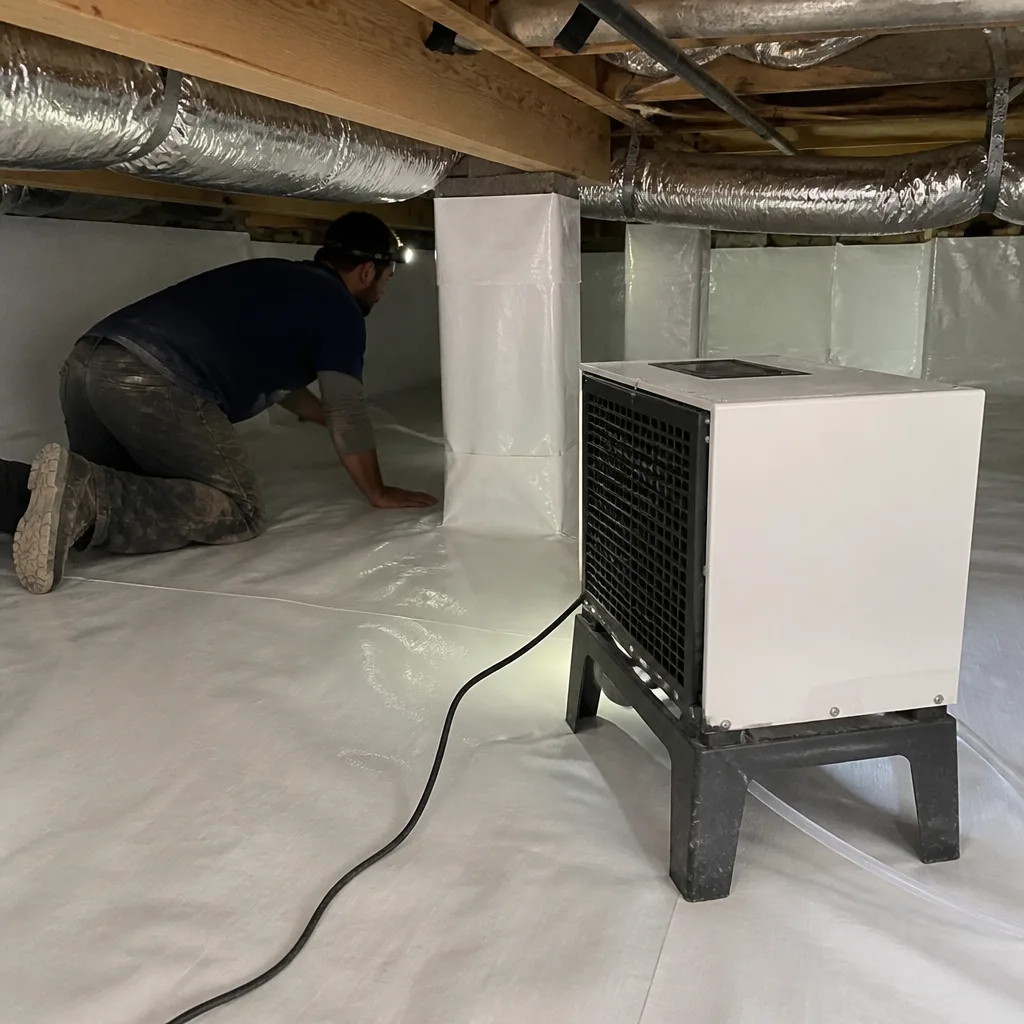
- Crawl space encapsulation: Vented crawl spaces are a significant source of moisture and air infiltration in older Cupertino homes. A full encapsulation – vapor barrier, rim joist insulation, sealed vents – typically runs $3,000 to $6,500 in this market.
- Duct sealing and repair: If the duct leakage test comes back high, duct sealing typically costs $800 to $2,000 depending on the number of joints and the accessibility of the duct runs.
- Radiant barrier installation: For Cupertino homes that face east or west – common on the grid streets around Portal Avenue and Homestead Road – a radiant barrier in the attic can reduce summer cooling loads measurably. Installation typically runs $700 to $1,500 for a standard attic configuration.
None of these numbers are presented to pressure a decision. They’re here because a pricing page that stops at the audit cost and doesn’t tell you what you’re likely to find afterward is only half the information you need.
Why Cupertino Is a Particularly Good Market for Energy Auditing
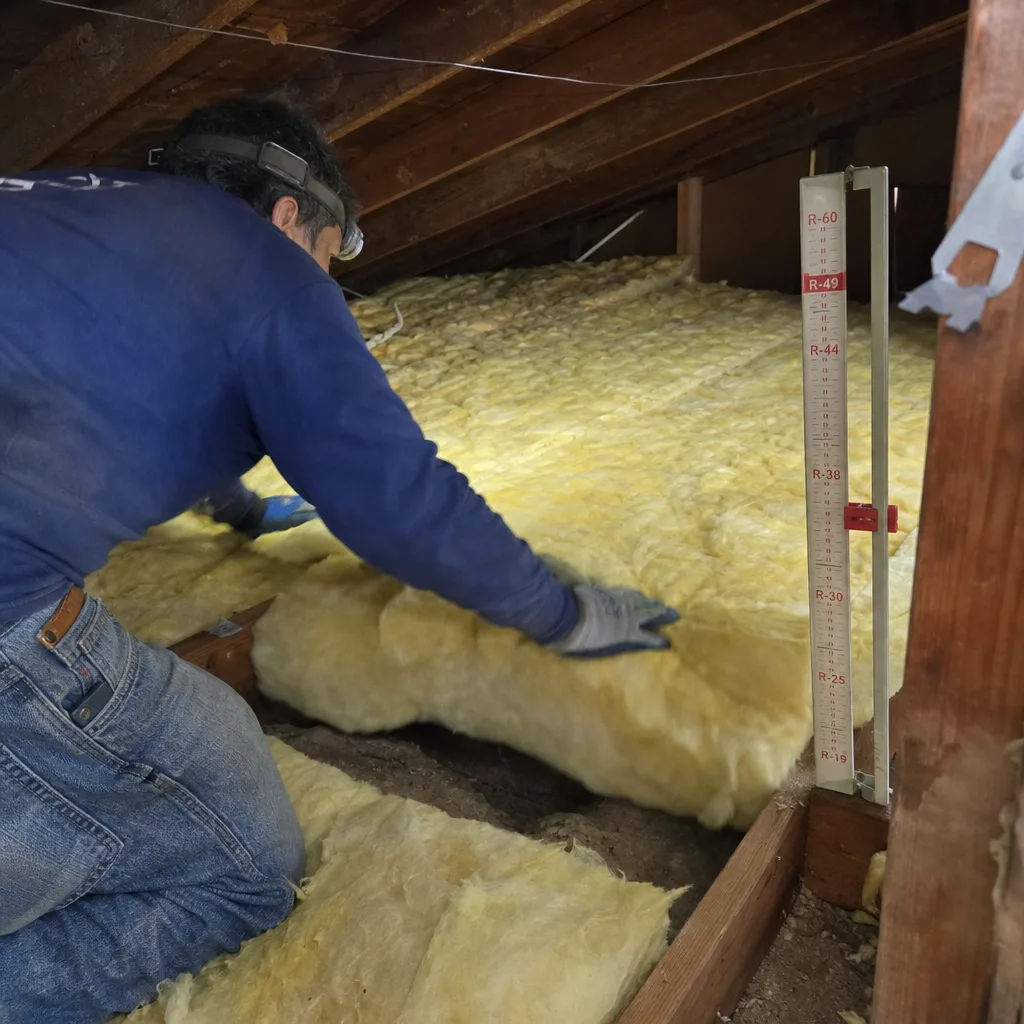
Cupertino has a few characteristics that make a building-performance audit a stronger return on investment than in many other Bay Area cities.
First, the housing stock is predominantly single-family homes built between 1955 and 1990 – a construction era with minimal insulation requirements and no air-sealing standards to speak of. A significant share of the homes in established neighborhoods like Garden Gate, Monta Vista, and Seven Springs were built with fiberglass batt insulation in exterior walls and essentially no air barrier. Those homes have been accumulating energy waste for 40 to 60 years.
Second, Cupertino’s climate is more demanding than many residents expect. The Santa Clara Valley’s inland position means summer highs regularly push 90 to 100 degrees Fahrenheit – materially hotter than Palo Alto or Mountain View, which benefit from marine layer cooling. Attic temperatures in unshaded Cupertino homes can exceed 150 degrees on peak summer days, and a leaky attic floor means that heat finds its way into the living space no matter what the thermostat is set to.
Third, Cupertino’s home values – among the highest in Santa Clara County – mean that the payback math on energy improvements tends to work faster. A $1,500 air-sealing and insulation job that reduces monthly energy costs by $80 to $140 pays back in 11 to 19 months. In a lower-value market, the same work might take three years to pencil out.
We’ve seen this pattern repeatedly across Cupertino homes since 2016, including in neighborhoods where the homes look well-maintained but the blower-door readings tell a different story. A house that’s been re-roofed, re-painted, and re-landscaped can still read 4,800 CFM50 at the blower door because none of that work touched the building envelope. Across 9,000+ homes sealed and insulated since 2016, the pattern holds: the homes that get the audit first, then do the air sealing, then add insulation – in that order – show the best measurable improvement.
You can start from our home page to see the full range of building-envelope services available in Cupertino and the surrounding South Bay.
Cupertino Energy Audit: What Wes Okafor Recommends Checking Before You Book
Wes Okafor leads the work at Envelope Insulation Co. and has been running blower-door tests on Cupertino homes since the company’s founding in 2016. Before you book an audit with anyone, Wes recommends asking three specific questions:
- Will you give me the CFM50 reading before and after any work is done? If the answer is no – or if the auditor doesn’t use a blower-door rig – you have no objective way to verify that air sealing worked. Every applicable job at Envelope includes published before-and-after blower-door numbers. That’s not marketing language; it’s the only way to know the work performed.
- Is the audit independent of any sales process? An auditor who also writes your remediation estimate on the same visit has a conflict of interest. That doesn’t make the audit wrong, but it’s a dynamic worth understanding. If you have any doubt about the remediation scope you receive, request a second opinion before signing anything.
- What is the written deliverable, and when will I receive it? A verbal walk-through is not an audit. You should leave with – or receive within 48 hours – a written report that includes CFM50 readings, duct leakage numbers if tested, infrared photos if applicable, and a prioritized list of recommended work with rough cost ranges. Under Haven Standard, we document every visit with photos as standard, no exceptions.
Wes’s view, shaped by a decade of work in Cupertino and the surrounding South Bay, is that the audit’s value lies entirely in the quality of the diagnostic – not the brand on the van. A $250 audit that gives you CFM50 readings, IR photos, and a written punch list will serve you better than a $600 audit that produces a one-page PDF with four bullet points.
FAQs: Home Energy Audit Cost in Cupertino
How much does a home energy audit cost in Cupertino in 2026?
A standard diagnostic audit in Cupertino costs $300 to $500 for most single-family homes in the 1,500-to-2,800-square-foot range. A full building-performance audit with blower-door testing, duct leakage measurement, infrared scanning, and a written remediation report runs $475 to $700. Larger homes, complex attic configurations, and HERS-rated audits for permit compliance push toward $700 to $900. PG&E’s subsidized program can bring the out-of-pocket cost to $0 to $100 for eligible customers, though the scope is narrower. Call (831) 217-8521 for a free estimate specific to your home’s square footage and configuration.
Is a home energy audit worth it in Cupertino?
For most Cupertino homeowners, yes – and the math is specific enough to be worth stating. Homes built before 1990 in neighborhoods like Monta Vista, Garden Gate, and Rancho Rinconada routinely test at 3,500 to 5,500 CFM50 on the blower door before any work is done. After attic air sealing, those same homes typically drop to 1,800 to 2,800 CFM50 – a reduction that translates to $80 to $140 per month in lower cooling and heating costs depending on the home and the utility rate. A $400 audit that tells you exactly where to spend $1,500 to get a two-year payback is a reasonable investment. An audit that tells you your home doesn’t need significant work is also valuable – you’ve ruled it out with data rather than guessing. Call (831) 217-8521 to discuss your home’s specific profile before booking.
Does PG&E offer free energy audits in Cupertino?
PG&E’s Home Energy Checkup program has provided subsidized audits – including some at no cost – to residential customers in Cupertino and Santa Clara County in recent program cycles. The scope varies: most subsidized audits include a walk-through and basic blower-door test but may not include duct leakage testing, infrared scanning, or a detailed written report. Availability changes by quarter and is not guaranteed year-round. Check PG&E’s current program offerings directly or ask your auditor whether they participate in the program. If the subsidized scope is insufficient for your situation, a standard diagnostic audit from a private auditor is typically $300 to $450.
Can I get an energy audit and have the work done the same day?
Generally, no – and that’s actually the right answer. A thorough audit for a Cupertino home takes two to three hours to complete, followed by report preparation. Rushing from diagnostic to remediation on the same day compresses the analysis and increases the risk of skipping steps. At Envelope Insulation Co., the audit produces a written scope and written price before any work starts – Haven Standard Clause 1 – which means the remediation is typically scheduled as a separate appointment after you’ve had time to review the findings. Same-day audits-plus-work can happen for simple, clearly scoped situations, but for attic air sealing and insulation projects the correct sequence is: audit, review the written scope, confirm the written price, then schedule the work.
What’s the difference between a home energy audit and a blower-door test?
A blower-door test is one tool used during an audit – not the audit itself. The blower door is a calibrated fan and pressure gauge mounted in an exterior door frame that depressurizes the home to 50 pascals, then measures how many cubic feet of air per minute are escaping through the building envelope. The reading (CFM50) gives you a single, objective number for envelope airtightness. A full home energy audit uses the blower-door reading as one data point alongside duct leakage testing, HVAC inspection, infrared scanning, and visual assessment of insulation, ventilation, and moisture conditions. An audit without a blower-door test is a walk-through. A blower-door test without a full audit tells you how leaky the home is but not where the leaks are or what to do about them first. For Cupertino homeowners deciding how much to spend, a standard diagnostic audit at $300 to $500 that includes both the blower-door test and a written report is the minimum scope worth paying for.
Does Envelope Insulation Co. offer home energy audits in Cupertino?
Yes. Envelope Insulation Co. has provided home energy audits and building-envelope services in Cupertino since 2016. Every audit includes a written price before any work starts and closes with a Documented Photo Record. On applicable jobs, we provide before-and-after blower-door readings so you can verify the air-sealing result with a number rather than a promise. The 365-Day Done Right Promise applies to all completed work. Call (831) 217-8521 – a live person answers – for a free estimate on your Cupertino home.
Key Takeaways
- Most Cupertino homeowners pay $300 to $700 for a professional home energy audit in 2026; the sweet spot for a full diagnostic audit is $350 to $550.
- A blower-door test – the pressurization reading that gives you a CFM50 number – should be included in any audit worth paying for. Without it, you have a walk-through, not a diagnostic.
- PG&E’s subsidized program can reduce costs to near zero for eligible Cupertino customers, but the scope is typically narrower than a full BPI-level audit.
- Federal tax credits (30%, up to $150) apply to qualified home energy audits in 2026 – save your invoice.
- The audit’s value depends on what you do with it: air sealing should be completed before insulation is added. That sequence is non-negotiable from a building-science standpoint.
- Before-and-after CFM50 readings are the only objective way to verify that air sealing worked. Ask for them in writing before the project closes.
- Wes Okafor and the Envelope Insulation Co. team have been documenting before-and-after blower-door numbers on Cupertino homes since 2016. Every job includes a written price before work starts and a Documented Photo Record when the crew leaves.
Ready to find out what your Cupertino home is actually doing at the building envelope? Call (831) 217-8521 for a free estimate. A live person will answer. No voicemail, no callback window.
Written by Wes Okafor, Owner at Envelope Insulation Co. (operating as Topside Attic Insulation Cupertino), serving Cupertino since 2016.
Pricing reflects the Cupertino market as of 2026. Topside Attic Insulation Cupertino offers free estimates – call (831) 217-8521.
What Our Customers Say
"They photographed rodent damage in the old insulation that we had no idea about, and priced the exclusion work separately so we could decide."
- Harriet N."Two other companies quoted to blow more insulation on top of what was there. These were the only ones who said the existing material had to come out first, and explained why."
- Clifford E."Crawl space encapsulation done properly. Photographs of the vapour barrier at every seam, and the damp smell in the hallway is gone."
- Ainsley P.