
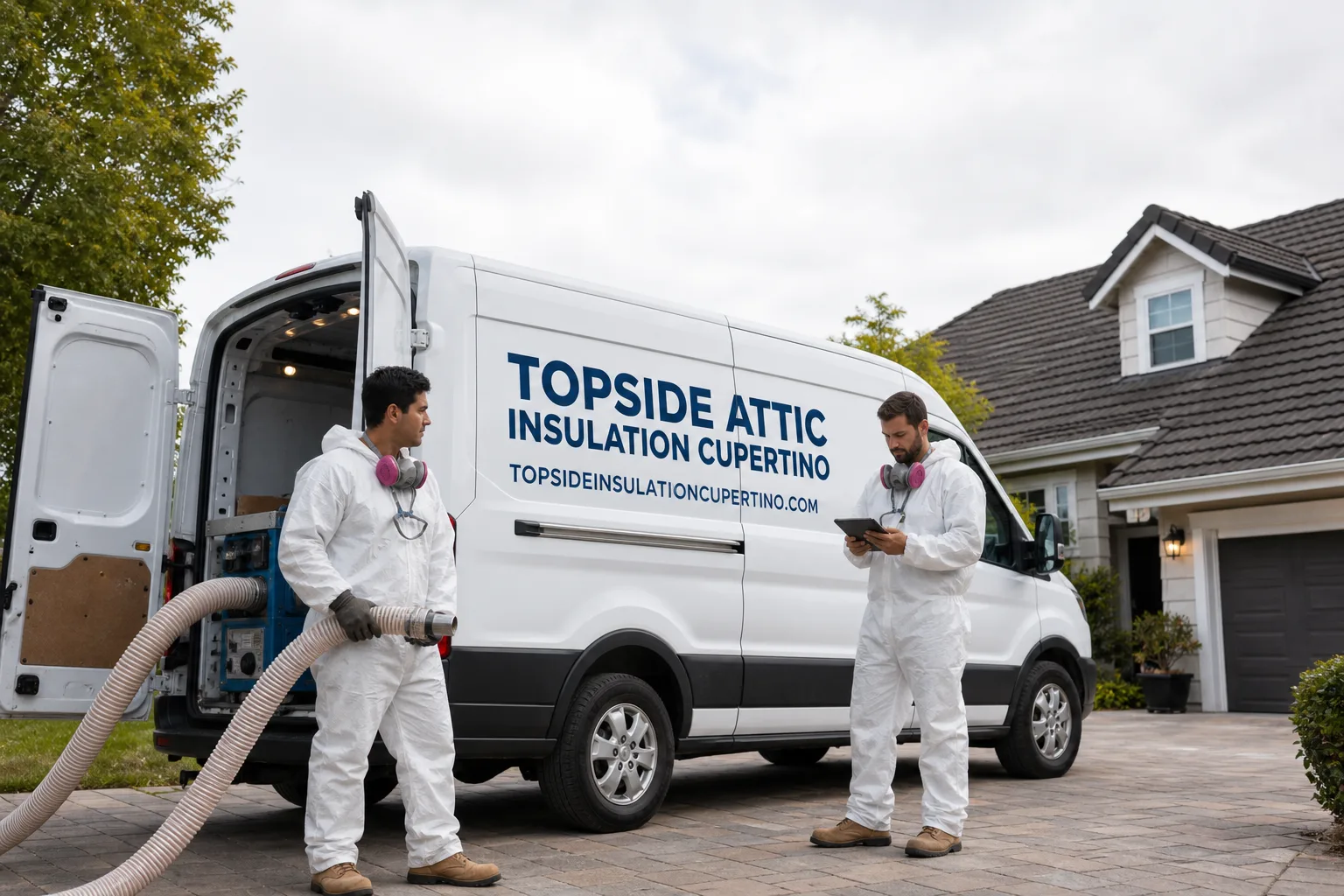
Fast, Reliable Blown-In Insulation Across Sunnyvale
Blown-in insulation in Sunnyvale typically costs $2,800-$6,500 for a full attic, $1,800-$3,400 for a blown-in top-up over existing material, and $3,500-$7,200 for dense-pack wall insulation in a single-story ranch. Most jobs are completed in one day, and our crews are dispatched from our San Francisco Bay Area office with same-day or next-day availability to Sunnyvale addresses.
We know the housing stock here. The post-war ranches off El Camino Real, the Eichler-influenced tracts near the Lawrence Expressway corridor, the garage conversions popping up around the Ponderosa neighborhood - we’ve worked in all of them. Sunnyvale’s 1950s-to-1970s homes were built before California had any residential insulation standard, and that fact shapes every job we price. Call (831) 217-8521 for a written estimate before any work starts.
Why Topside Attic Insulation Cupertino Is Sunnyvale’s Preferred Blown-In Insulation Company
We’ve sealed and insulated over 9,000 homes since 2016, and a significant share of them sit in Sunnyvale’s 94086, 94087, and 94089 ZIP codes. Our reviews from Sunnyvale customers consistently mention the same thing: we show the blower-door numbers. Not “feels tighter.” Not “noticeably better.” The actual CFM50 reading, printed, before and after.
Response time to Sunnyvale averages same-day or next-day scheduling, with crews carrying Owens Corning, GreenFiber, and Rockwool materials on the truck so we’re not waiting on a distributor run. Our technicians are background-checked and uniformed, and calls are answered by a live person 24/7 - no callback windows measured in business days.
What separates us from the typical Blown-In Insulation contractor is the sequencing. We air-seal first, then insulate. Top plates, can lights, electrical penetrations, slab edges - sealed before any material goes in. We’ve seen too many Sunnyvale attics where blown-in cellulose was installed over an unsealed attic floor, and the homeowner paid for R-49 performance that delivered R-20 in practice because conditioned air was still escaping through the gaps.
Our Blown-In Insulation Services in Sunnyvale
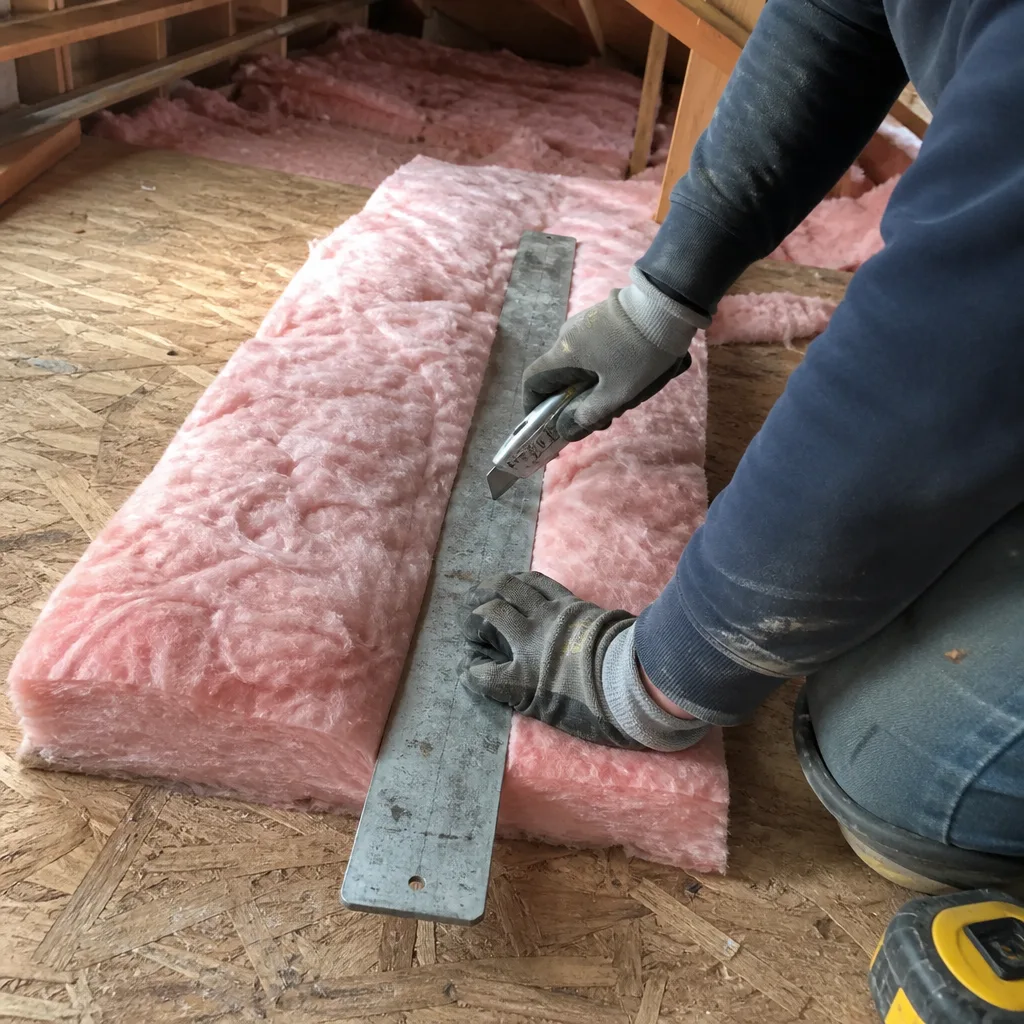
Blown-In Cellulose
We install GreenFiber cellulose - recycled paper treated with borate fire retardant - at densities that achieve R-3.8 per inch in Sunnyvale attics. Cellulose performs well in our climate because it manages the delta between 140°F attic peaks and 38°F winter lows better than fiberglass in irregular cavities. For the 1960s ranches off Fair Oaks Avenue and the older tracts near Sunnyvale’s historic downtown, cellulose is often the right choice when we’re blowing over existing degraded batts rather than stripping to bare ceiling.
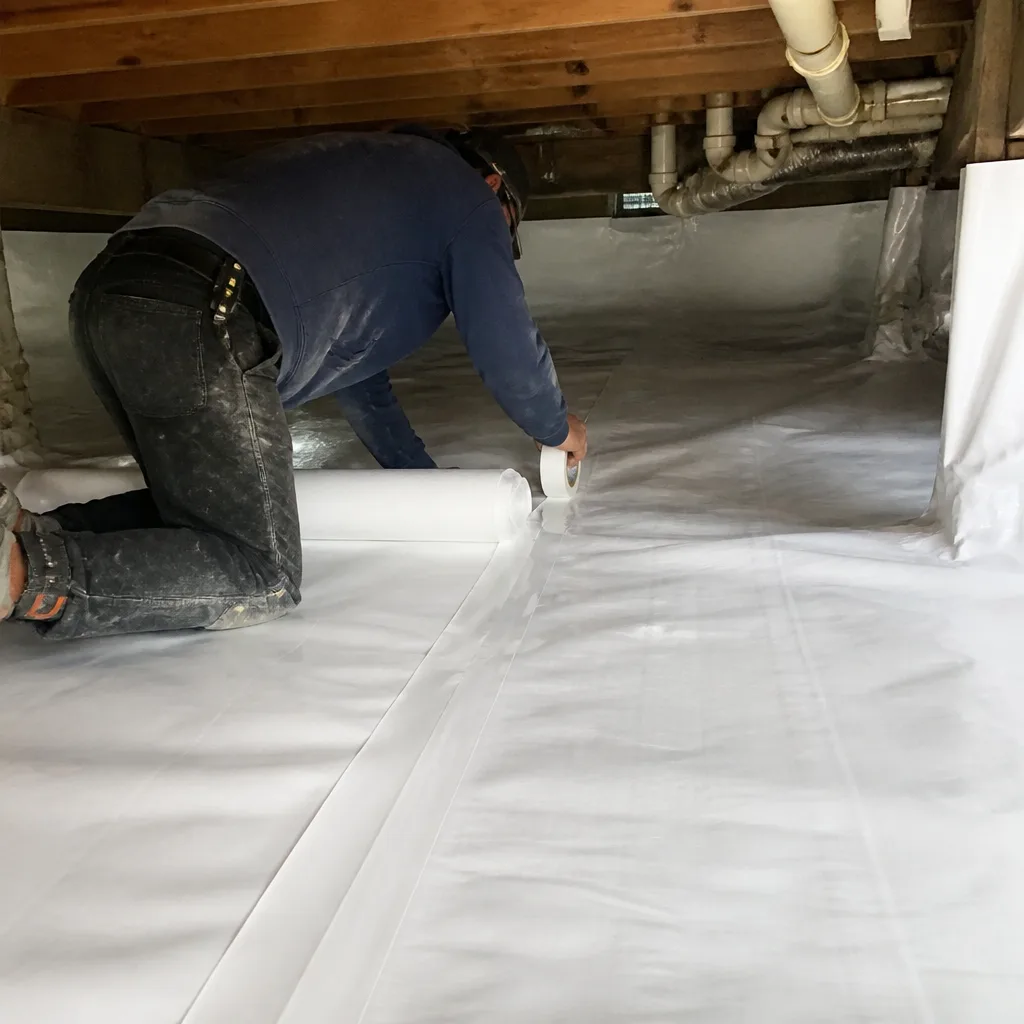
Blown-In Fiberglass
Owens Corning fiberglass blown at R-49 depth - roughly 14 inches - is what we specify for Sunnyvale attics that have been cleared to bare joists or for new construction and ADU garage conversions where there’s no existing material to work around. Fiberglass doesn’t settle as aggressively as cellulose, which matters in attics where HVAC technicians have been walking around for decades compressing whatever was there. We see this constantly in the ranch homes south of El Camino Real near the Cupertino border.
Dense-Pack Wall Insulation
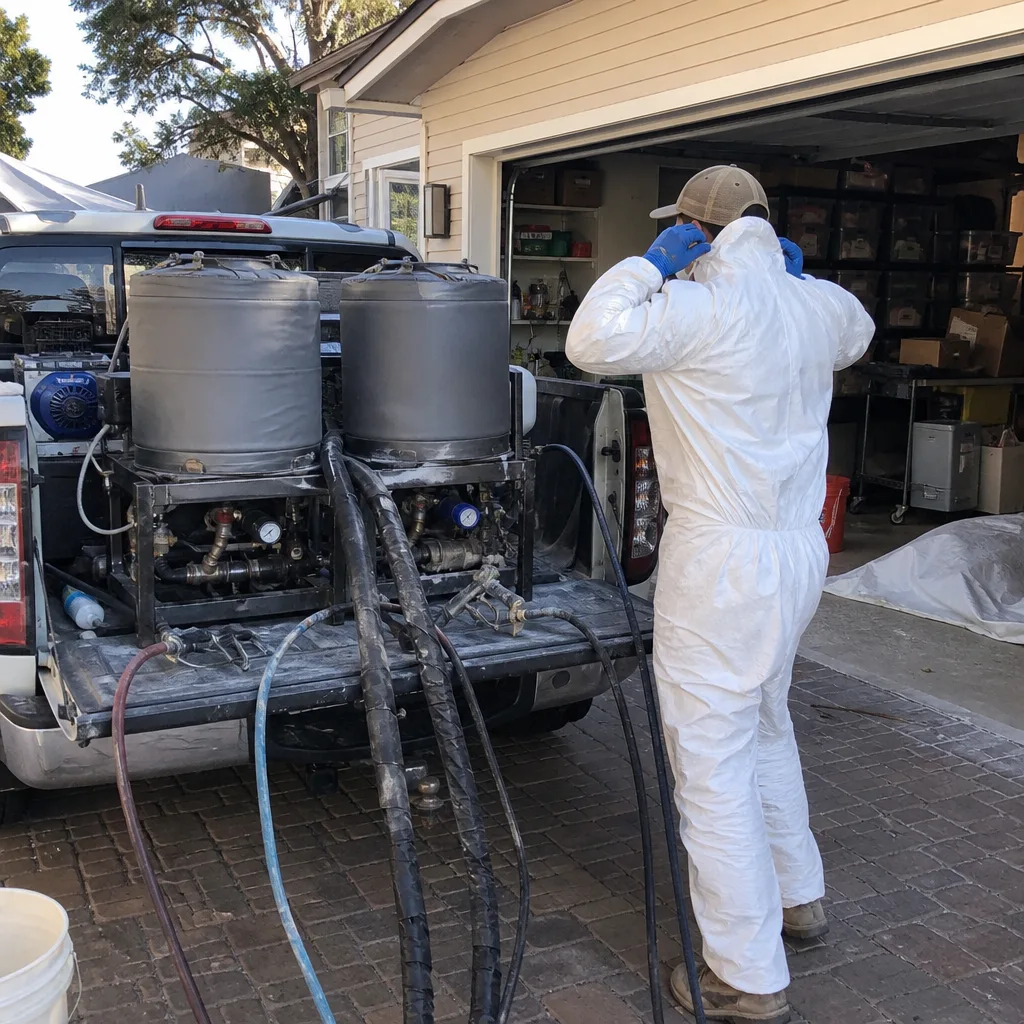
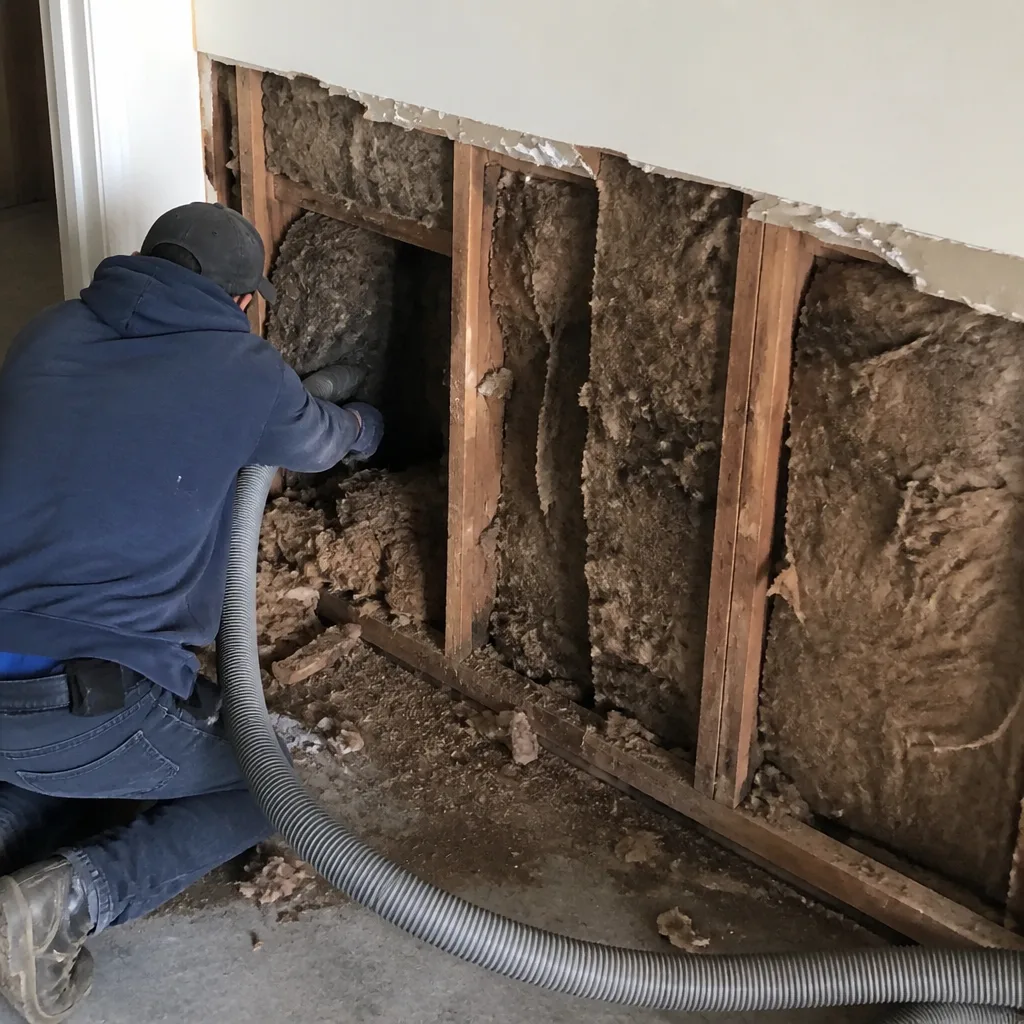
This is the service we perform most often in Sunnyvale that we don’t perform as frequently in other Bay Area cities. The reason is the housing stock: 2×4 walls with no insulation or collapsed R-4 batts, now owned by buyers who paid $1.5M-$2M+ for the lot and will fund a proper envelope retrofit as part of a remodel. Dense-pack cellulose - blown at 3.5 pounds per cubic foot - fills the cavity without settling and provides an effective R-13 in a 2×4 wall. We dense-packed a 1962 ranch off Fair Oaks Avenue near the old Sunnyvale Orchard area where the owner had pulled down original drywall and found compressed, dusty batts that had collapsed to R-4 in the 2×4 walls. Our crew dense-packed the wall cavities with GreenFiber cellulose and blew R-49 of Owens Corning fiberglass over the bare R-5 attic floor, then sealed the top plates and can lights before the new drywall went up. The blower-door number dropped enough that the owner later added an ADU garage conversion without upgrading the HVAC, because the envelope finally held.
Blown-In Top-Up
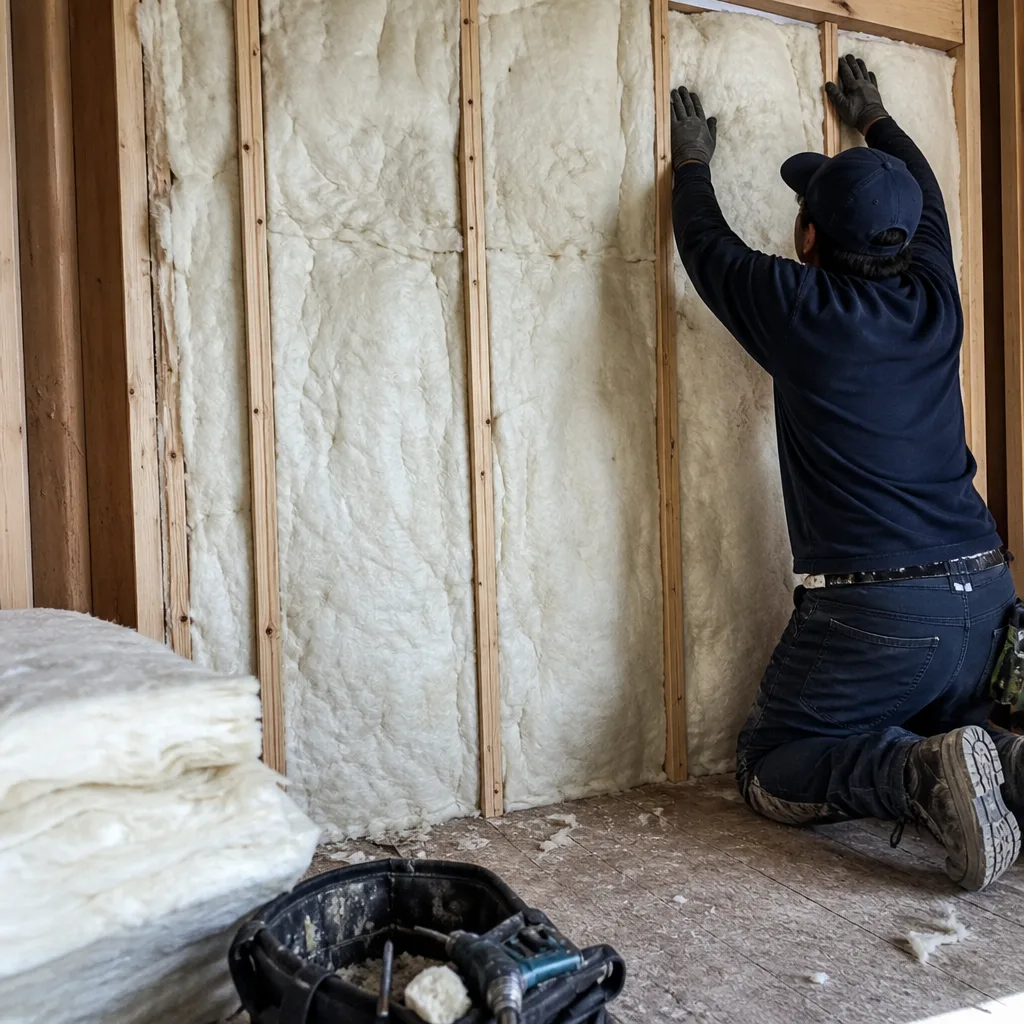
The most common call we get in Sunnyvale: “My attic has some insulation, but I don’t know how much.” We test depth and condition, then calculate whether a top-up - typically R-19 to R-30 of additional blown material - makes sense or whether the existing material is too disturbed to build on. Original R-5 attic insulation that has been mechanically disturbed by decades of HVAC, electrical, and cable work leaves bare patches where blown-in top-ups simply settle unevenly instead of sealing. We’ll tell you if that’s your situation. Under Haven Standard Clause 1, you get a written price for both scenarios before anyone lifts a tool.
What happens when you call
- 1
A real person answersNo phone trees - you reach a local pro.
- 2
You get an upfront price rangeHonest numbers before anyone is dispatched.
- 3
A background-checked tech heads outLicensed & insured, dispatched right away.
- 4
You approve before work beginsNothing starts until you say go.
 Before
 After
AfterTrusted Brands We Service in Sunnyvale
We source materials from Owens Corning, Johns Manville, Knauf, Rockwool, CertainTeed, Icynene, Demilec, and GreenFiber - no proprietary lock-in that limits what’s right for your job. For Sunnyvale’s climate and housing stock, we most often specify Owens Corning fiberglass for attic blow-ins, GreenFiber cellulose for dense-pack wall work and top-ups, and Rockwool or CertainTeed when fire resistance or moisture management is the priority in garage-ADU conversions. Our trucks carry the common densities and depths, so we’re not waiting on a special order to finish your job.
Common Blown-In Insulation Problems We See in Sunnyvale Homes
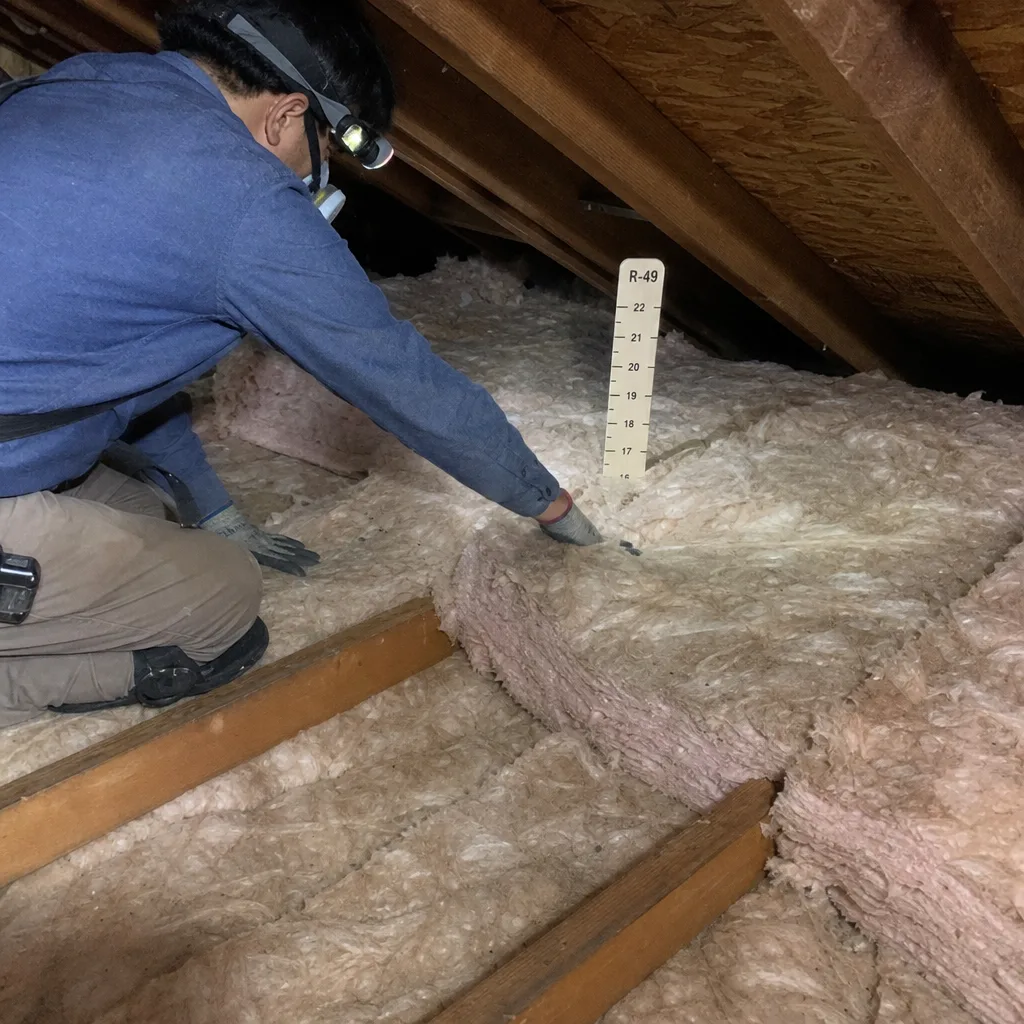
- Mechanically disturbed attic insulation with bare patches. Decades of HVAC service, electrical upgrades, and cable routing in Sunnyvale’s ranch attics have compressed or removed original material. A blown-in top-up over this substrate settles into the voids instead of forming a uniform thermal blanket, and the homeowner pays for R-38 that performs like R-15.
- Uninsulated garage-ADU walls with moisture trapping. Sunnyvale’s ADU ordinance has produced one of the highest garage-conversion rates in Santa Clara County. Single-layer drywall installed over uninsulated 2×4 walls traps moisture against bare framing until the first cold winter night causes condensation staining. Dense-pack cellulose or spray foam is the fix, not more drywall.
- Insulation installed without air sealing. Dense-pack cellulose or blown-in fiberglass installed before sealing the slab edge and top plates in slab-on-grade ranches means hot 140°F attic air and slab vapor both find the same unsealed path. The blown-in job underperforms within two seasons, and the homeowner calls us to redo it.
- Overconfidence in mild-climate construction. Sunnyvale’s reputation for mild weather caused original builders to underinsulate systematically. The energy-performance gap in these older homes is paradoxically larger than in cities where harsher conditions forced better standards from the start. A 1963 ranch here often needs more aggressive intervention than a same-year home in Sacramento or Fresno.
Pricing for Blown-In Insulation in Sunnyvale, CA
Most full attic blow-ins in a typical Sunnyvale ranch run $2,800-$6,500, depending on whether we’re working over existing material or starting from bare joists. Blown-in top-ups - adding R-19 to R-30 over what’s there - typically run $1,800-$3,400. Dense-pack wall insulation for a single-story home with accessible wall cavities runs $3,500-$7,200. Garage-ADU conversions, which often need combined wall, ceiling, and slab-edge work, start around $4,500 and scale with complexity.
What moves the number: attic accessibility (steep roof pitch or limited hatch size adds labor), whether existing material must be removed, the extent of air sealing required before blowing, and whether we’re coordinating with a remodel timeline. Every job gets a Written Price Before Any Work Starts - Haven Standard Clause 1 - and we offer a Free Second Opinion on any written estimate from another contractor. Call (831) 217-8521 for your exact scope.
We Also Serve Cities Near Sunnyvale
Our crews work throughout the South Bay, including Sunnyvale and the surrounding cities of Mountain View, Santa Clara, Cupertino, and Los Altos. Dispatch and scheduling are coordinated from our San Francisco Bay Area office, with local crews serving each area.
Serving Sunnyvale, CA - Our Local Coverage Area
We’re based in the Sunnyvale area and know this community well. Use the map below to see our service coverage - if you’re nearby, we can almost certainly help.
FAQs - Blown-In Insulation in Sunnyvale
Blown-in insulation alone is usually not enough if the existing material is compressed, water-stained, or mechanically disturbed. We test depth and condition first. If the old batts are intact and reasonably distributed, a blown-in top-up can work. If they’re degraded to R-4 or R-5 with bare patches showing ceiling drywall, removal and a fresh blow-in to R-49 is the right scope. Call (831) 217-8521 for a free assessment - estimates are free, and we bring a written price before any work starts.
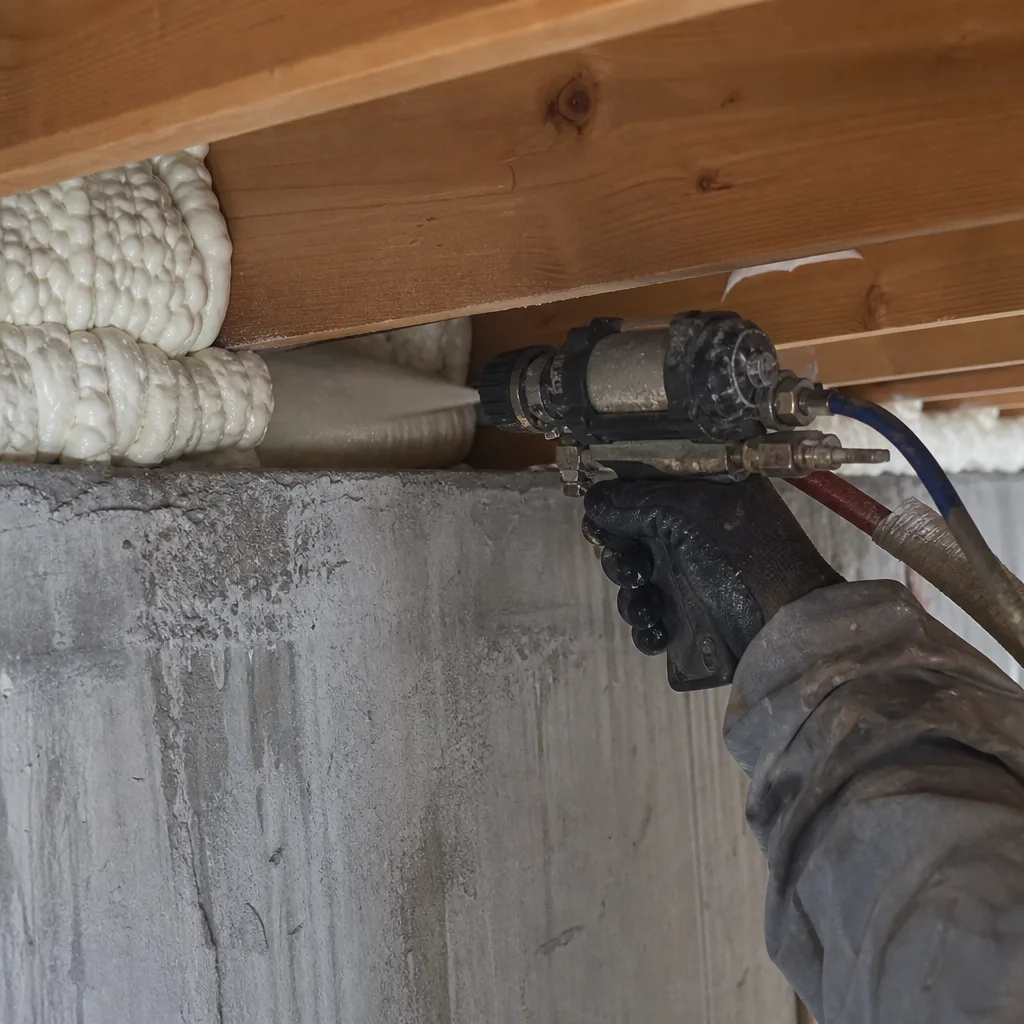
Blown-in insulation cannot handle a bare concrete slab - it has no structural substrate to adhere to and provides no thermal break against ground-coupled cooling. For the walls, dense-pack cellulose works if the cavities are accessible and air-sealed at top and bottom plates. For the ceiling and any rim-joist areas, spray foam or rigid foam board is typically the right specification. The garage-conversion jobs we see in Sunnyvale almost always present the same insulation trifecta: bare slab, uninsulated wood-frame walls, and zero attic cavity. We price spray foam or rigid foam board as the default for these conditions. Call (831) 217-8521 to review your specific conversion plans.
Properly installed blown-in insulation makes the house cooler, not hotter. The key is air sealing combined with adequate R-value. Without insulation, 140°F attic air radiates through the ceiling assembly into conditioned space. With R-49 blown-in fiberglass or cellulose and sealed top plates, that heat transfer drops dramatically. The HVAC runs less, and the ceiling surface temperature stays closer to room temperature. We’ve measured ceiling surface temperatures 15-20°F lower after proper attic insulation in Sunnyvale ranches. Call (831) 217-8521 for a blower-door test and thermal assessment.
We determine this with a combination of infrared imaging, blower-door testing, and selective wall probing. If your walls are 2×4 construction with no insulation or collapsed batts - which we find in roughly 70% of pre-1970 Sunnyvale ranches - the walls are a significant thermal bypass even with a perfect attic. If the walls are already insulated and the attic is the weak point, a top-up may suffice. We show you the images and the numbers, then quote both scenarios if you’re unsure. Call (831) 217-8521 to schedule diagnostic work.
Blown-in insulation in existing walls and attics typically does not require a permit in Sunnyvale if no structural modifications are made. Garage ADU conversions, however, trigger full building permit requirements including insulation inspection as part of the occupancy approval. We coordinate with your general contractor or permit expeditor on ADU jobs to ensure our documentation - written scope, photo record, and blower-door numbers - meets what the inspector needs to see. For standard retrofit work, we handle the job start-to-finish without permit delays. Call (831) 217-8521 to confirm what’s required for your specific project.
Written by Wes Okafor, Owner at Topside Attic Insulation Cupertino, serving Sunnyvale since 2016 under The Haven Standard.