
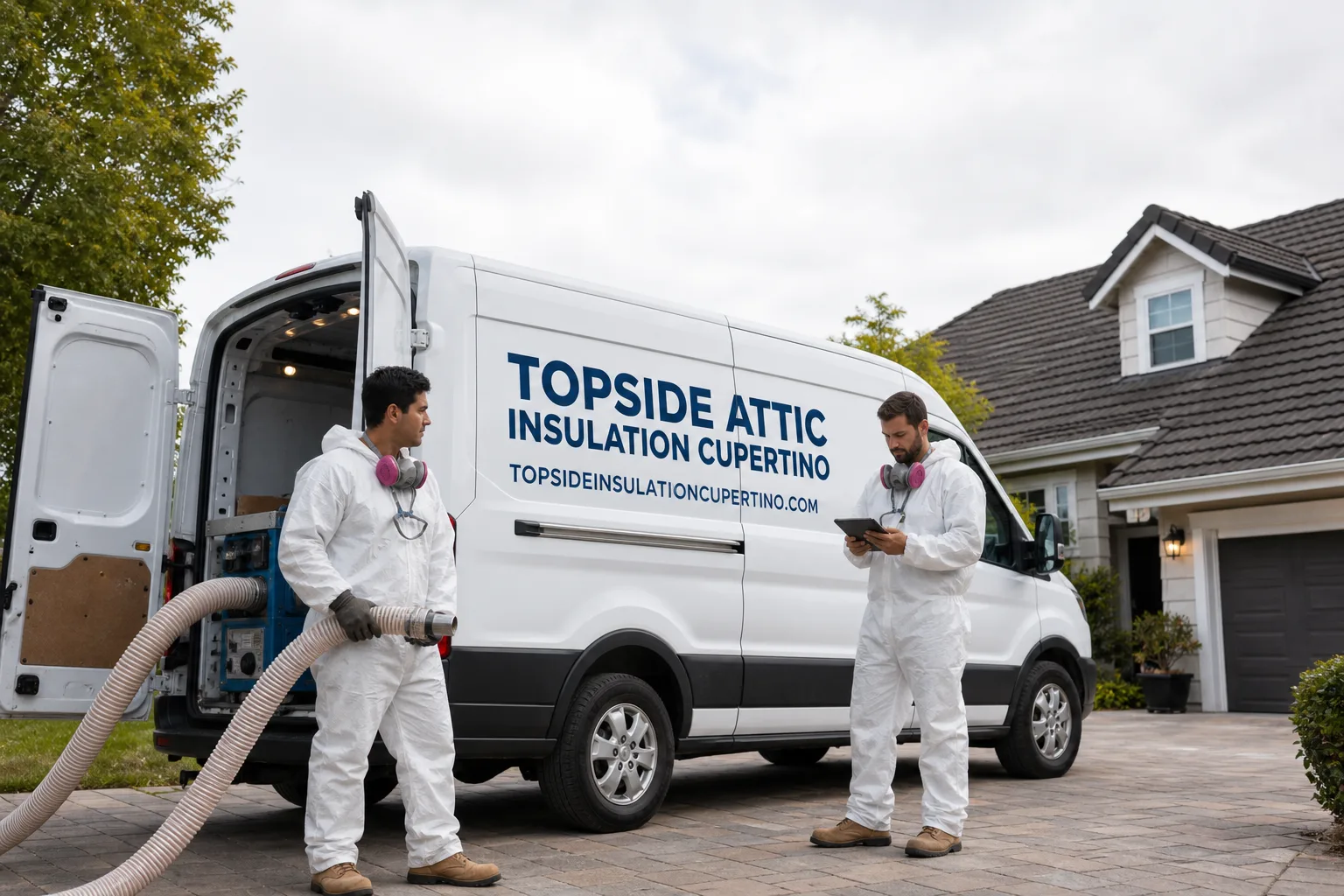
Fast, Reliable Blown-In Insulation Across Cupertino
Blown-in insulation in Cupertino typically runs $2.80-$5.40 per square foot of attic floor, with most ranch-home retrofits landing between $3,200 and $6,800 depending on whether air sealing and knee-wall work are included. Our crews serve Cupertino from the San Francisco Bay Area office, and we can usually inspect, price, and start within 48 hours of your call. Call (831) 217-8521 for a written estimate - no work starts without one.
We’ve worked the full cross-section of Cupertino housing: the 1960s ranch homes off Homestead Road with shallow attics and zero wall insulation, the hillside teardowns in Monta Vista where new custom builds go up next to surviving original structures, and the flatland streets near Lawrence Expressway where PG&E bills still sting despite the mild climate. That range matters. A crew that knows Cupertino knows when to dense-pack original 2×4 walls and when to blow fresh high-R material into new open framing - and when the same lot needs both.
Why Topside Attic Insulation Cupertino Is Cupertino’s Preferred Blown-In Insulation Company
Our reputation in Cupertino was built on documentation, not promises. Every job closes with a Documented Photo Record and, on applicable work, before-and-after blower-door numbers that show exactly how much conditioned air your home stopped losing. Homeowners here - many of them engineers and sustainability leads from Apple Park - ask for the data, and we deliver it in writing before anyone leaves.
Response time to Cupertino is typically same-day or next-day for inspections, with most blown-in jobs starting within 48 hours of written approval. We don’t do callback windows measured in business days; a live person answers our line 24/7, and you’ll get a text when your technician is en route.
We know the local conditions that break standard approaches. The western foothill neighborhoods run cooler and leak more air than the flat eastern corridors. PG&E’s tiered rates - among the highest in the country - mean even small insulation gaps cost real money over time. And the teardown-and-rebuild cycle means one lot can hold two completely different insulation problems. Our Blown-In Insulation team doesn’t apply a single template; we match the method to the structure and the micro-climate.
Our Blown-In Insulation Services in Cupertino
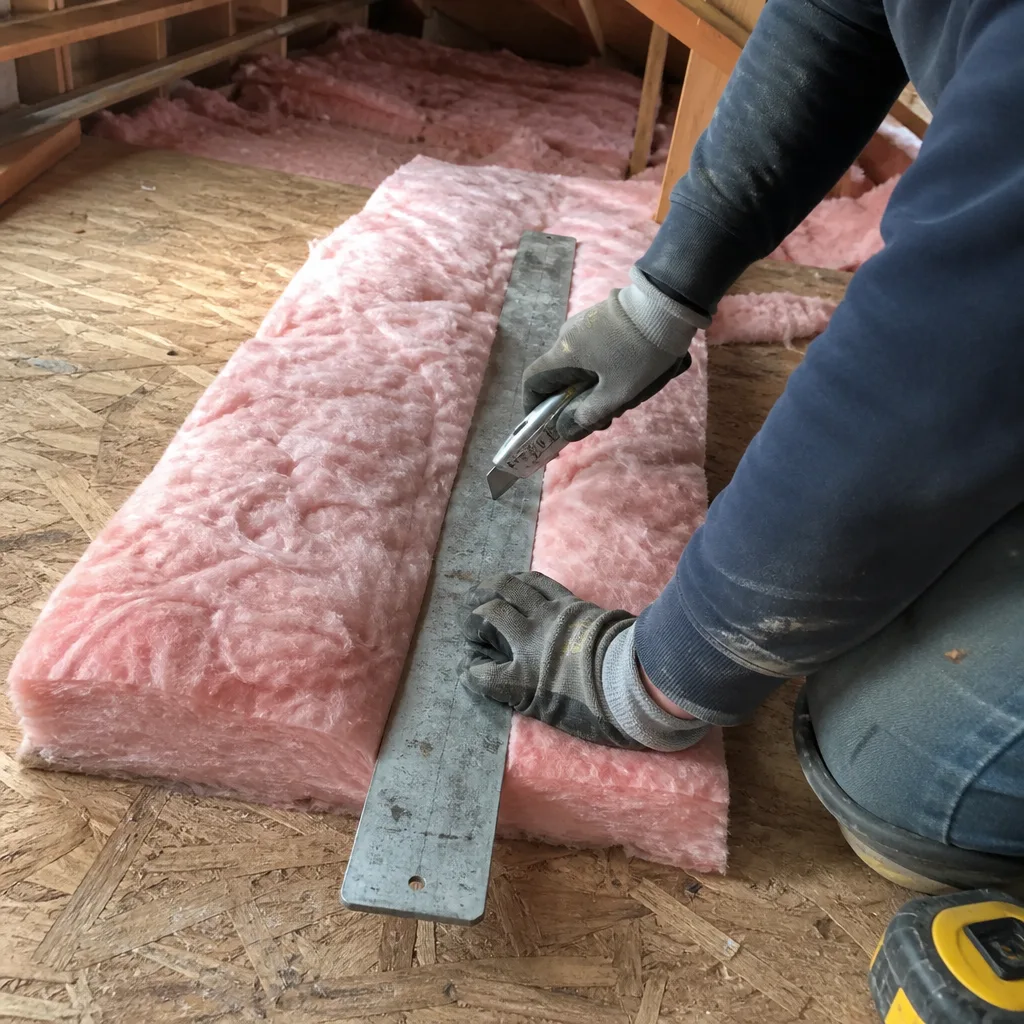
Blown-In Cellulose
We blow GreenFiber cellulose and other treated cellulose products into Cupertino attics and open wall cavities. Cellulose performs well in our climate - it handles the temperature swings between foothill mornings and warm afternoons without settling badly - and it packs tightly around the irregular framing common in 1955-1975 ranch construction. Most Cupertino attic top-ups with cellulose run $2.80-$4.20 per square foot when the floor is already sealed. If we’re sealing first - which we always are - the full job typically lands at $4,200-$6,200 for a 1,600-square-foot footprint.
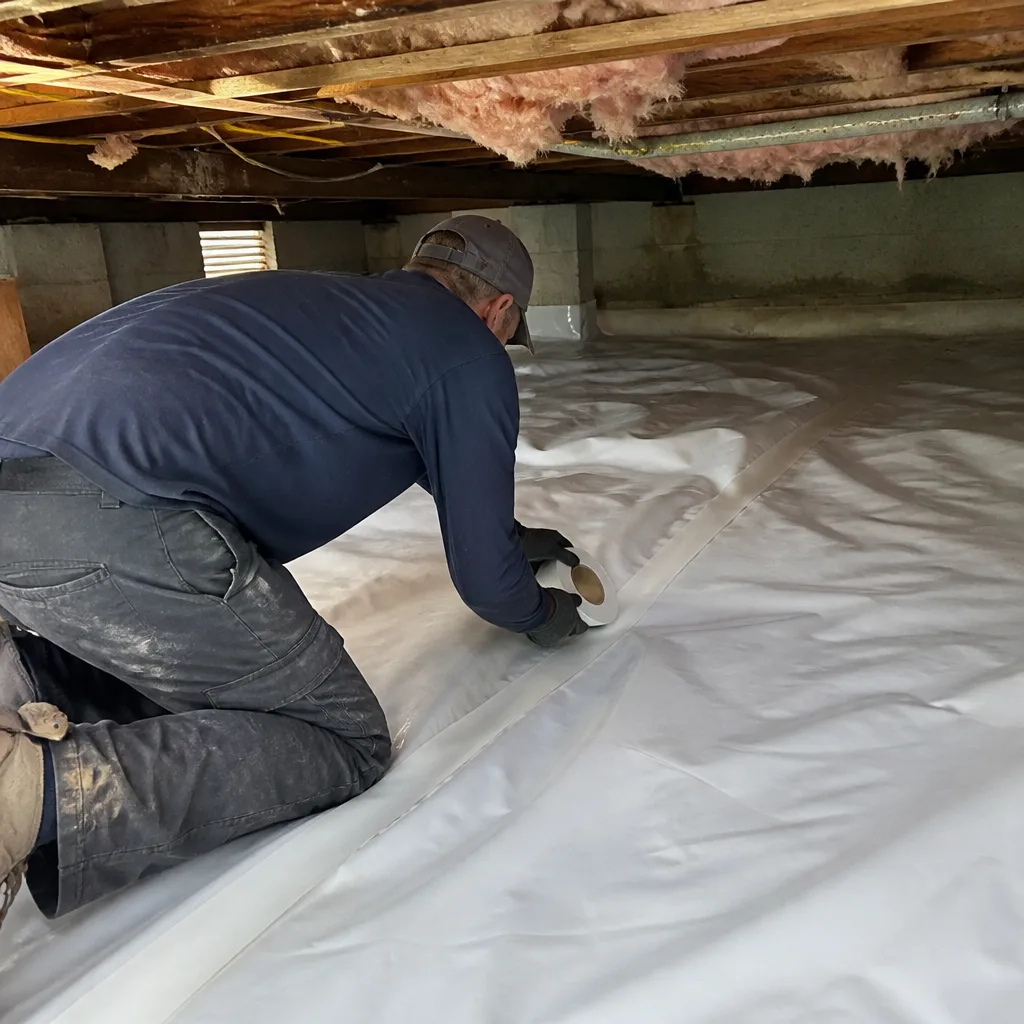
Blown-In Fiberglass
Fiberglass works better in some new-construction Cupertino builds where the architect has specified a particular R-value per inch and the framing is wide open. We stock Owens Corning and Johns Manville loose-fill fiberglass for these jobs. It’s less dense than cellulose, so it won’t bridge gaps or seal air leaks on its own - which is why we never blow it over an unsealed attic floor. In Cupertino’s custom builds near Apple Park, we often pair blown fiberglass with targeted spray-foam air sealing to hit the high R-values owners request for their solar-tied energy models.
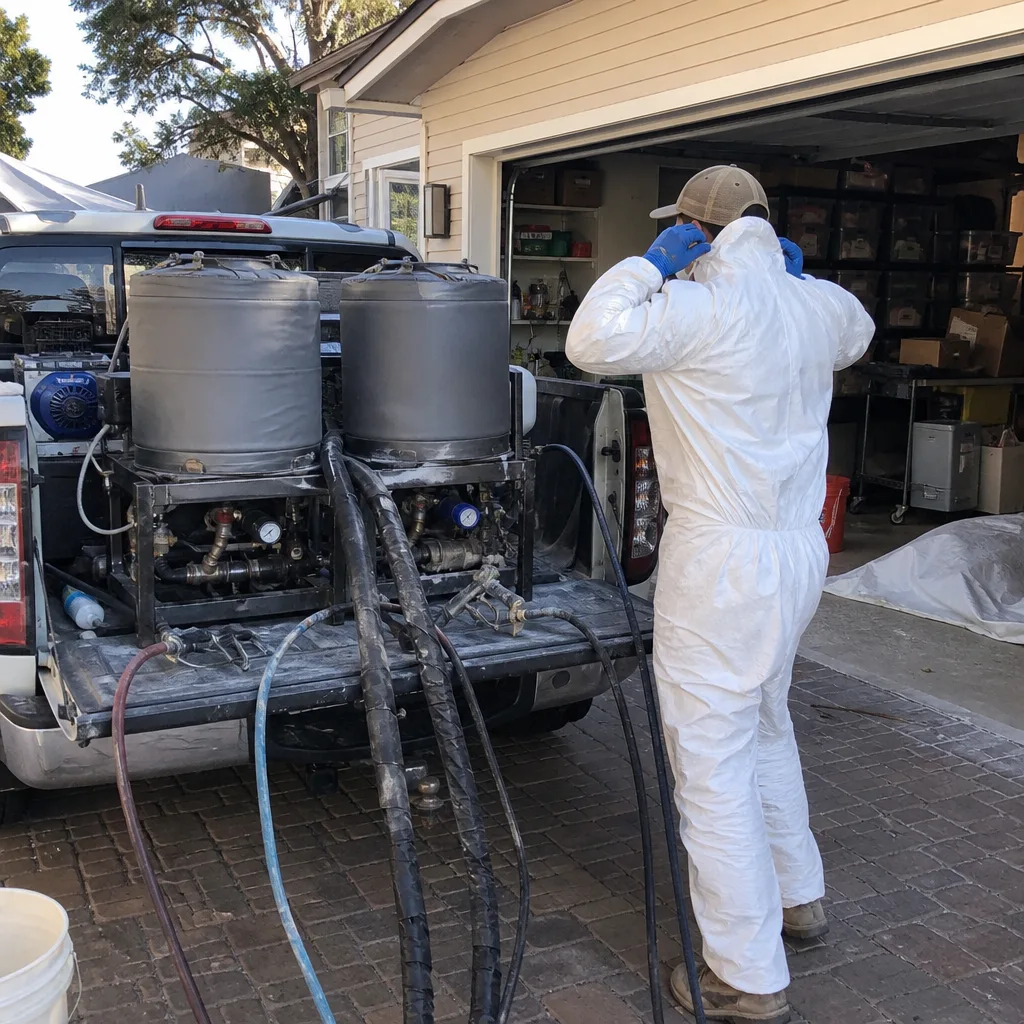
Dense-Pack Wall Insulation
This is where Cupertino’s older housing stock demands real expertise. The 1955-1975 ranch homes on streets like McClellan Road and Rainbow Drive have 2×4 walls with no insulation, or with degraded batts that barely register. Dense-packing those walls with cellulose - blown at 3.5 pounds per cubic foot to eliminate convection - is the only retrofit method that delivers a true R-13 to R-15 without tearing off drywall. It’s slow work. We drill and patch, or work through exterior siding if it’s being replaced in a teardown-and-rebuild scenario. A typical Cupertino ranch dense-pack runs $4,800-$8,400 depending on wall area and interior versus exterior access.
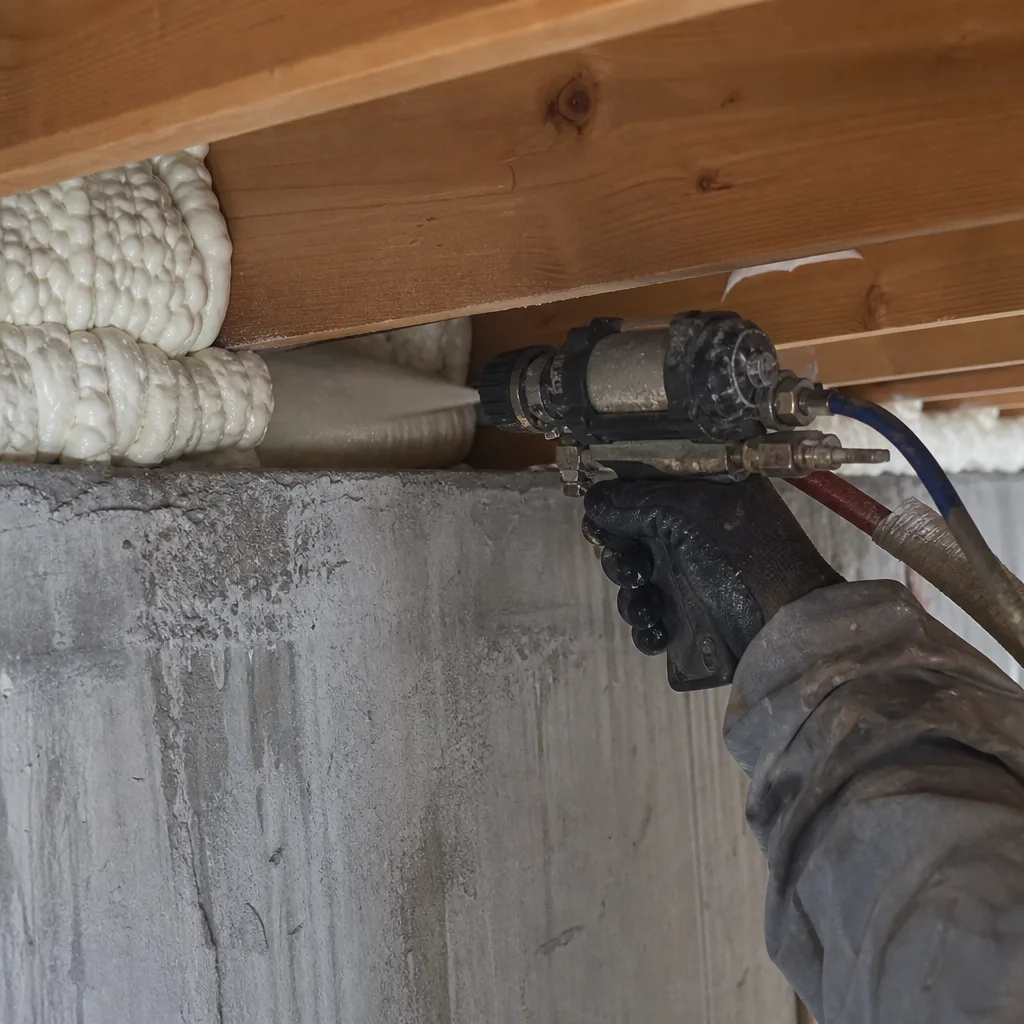
Blown-In Top-Up
Some Cupertino homes already have insulation, but it’s settled, compressed, or contaminated. We remove what’s failed, seal the attic floor properly, and blow new material to the depth your energy audit specifies. Top-ups sound simple, but in Cupertino they’re often the most misdiagnosed job type. A crew that blows new cellulose over old bypasses and unsealed can lights just buries the problem. We test first, seal second, insulate third - and we document the blower-door improvement so you can tie it to your solar ROI calculations.
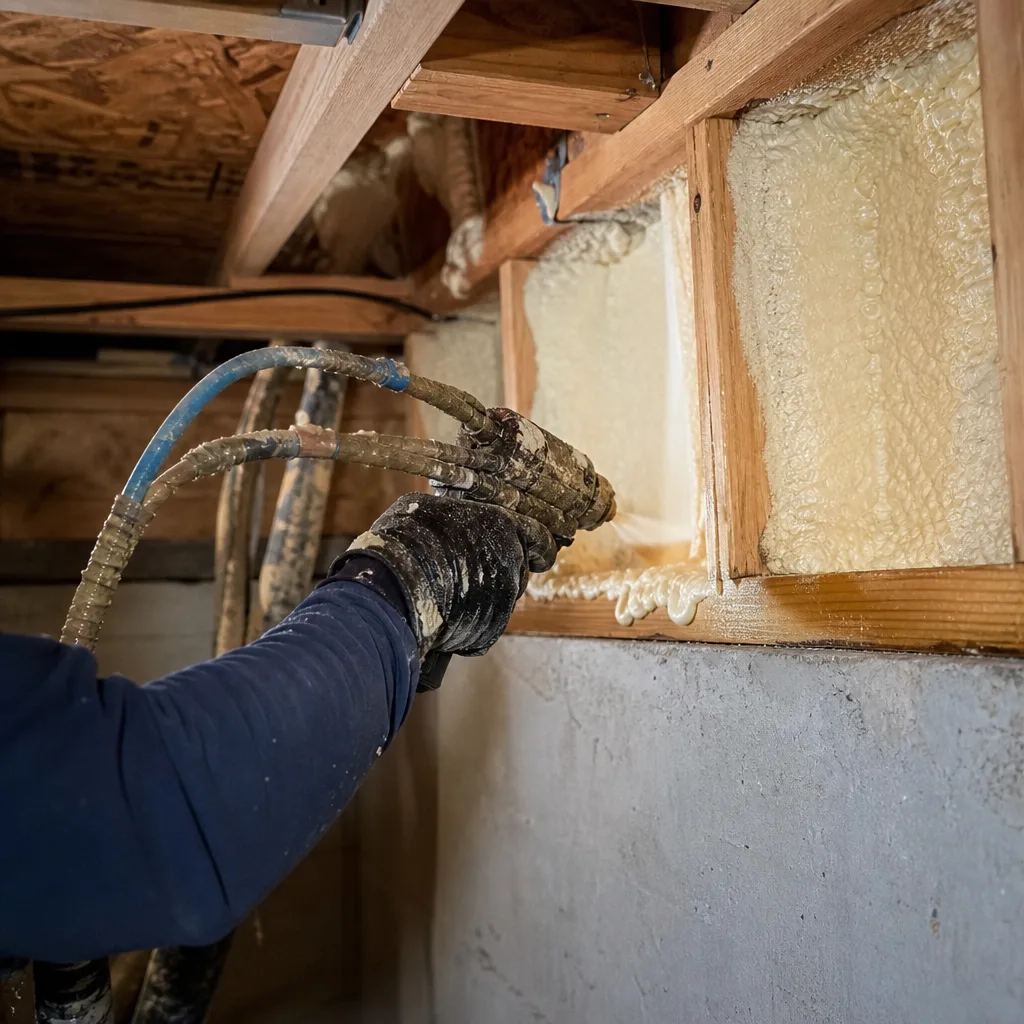
What happens when you call
- 1
A real person answersNo phone trees - you reach a local pro.
- 2
You get an upfront price rangeHonest numbers before anyone is dispatched.
- 3
A background-checked tech heads outLicensed & insured, dispatched right away.
- 4
You approve before work beginsNothing starts until you say go.
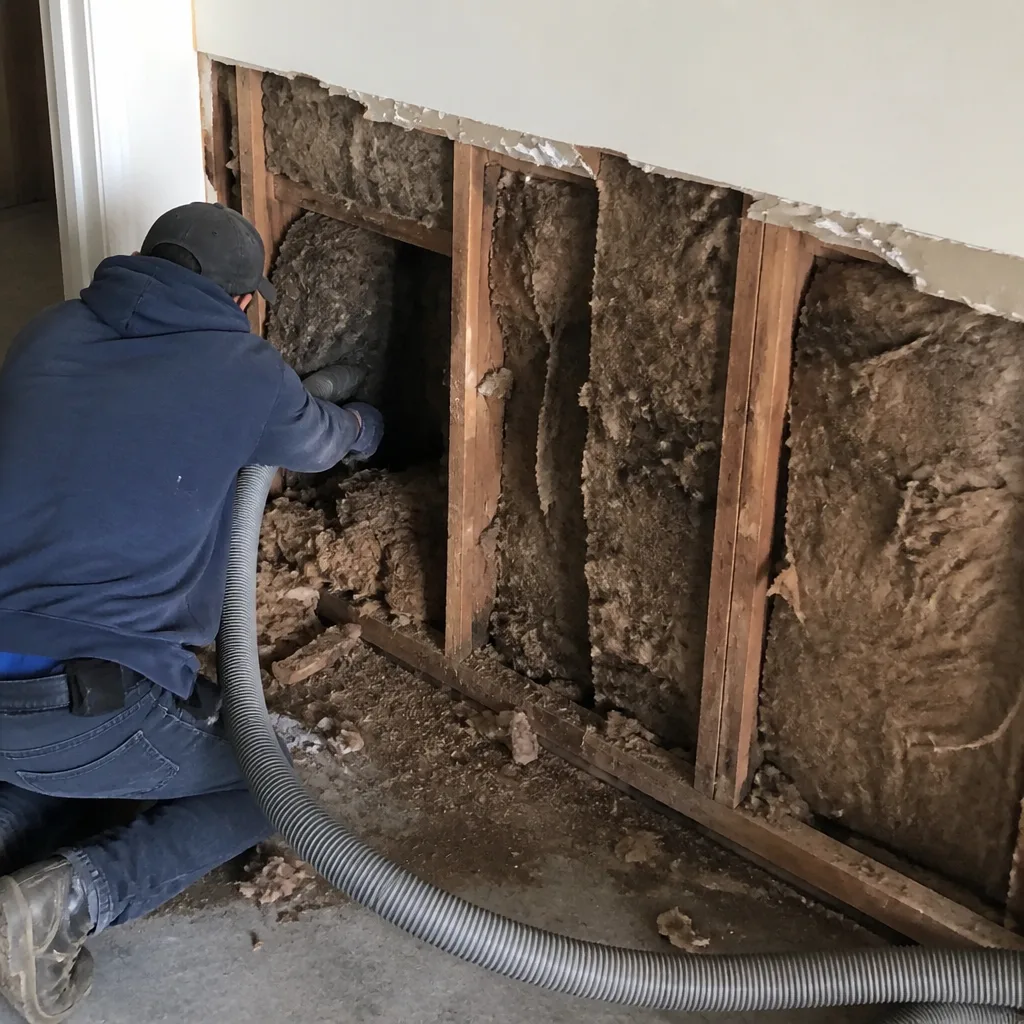 Before
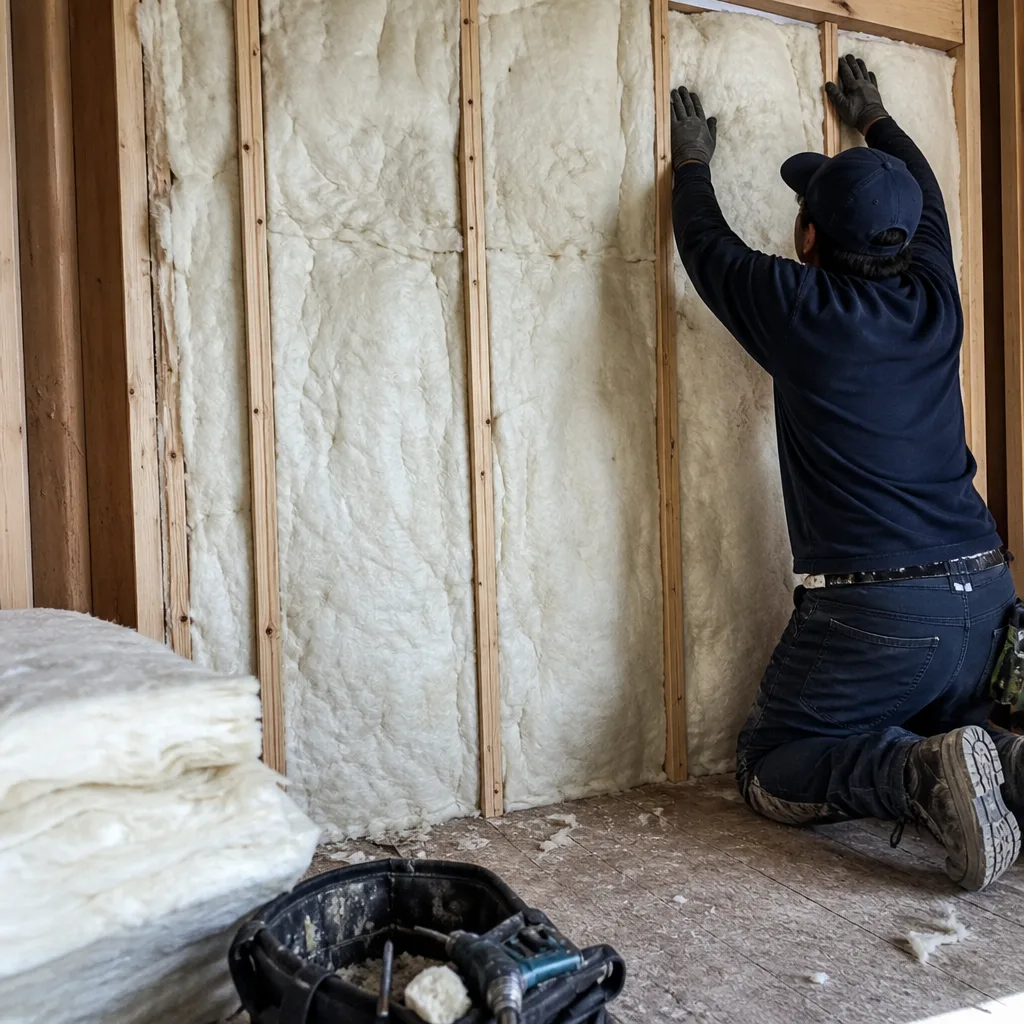 After
AfterTrusted Brands We Service in Cupertino
We source blown-in materials from Owens Corning, Johns Manville, Knauf, Rockwool, CertainTeed, Icynene, Demilec, and GreenFiber - no proprietary lock-in, no house brand pushed because it’s cheaper for us. For Cupertino customers, that means we match the material to your energy audit’s specifications, your architect’s details, or your solar contractor’s Title 24 tie-in requirements. We carry common densities and R-values on our trucks so we’re not waiting on a distributor run before starting your job. If your project needs a specific product for a custom build’s green-certification package, we order it and stage it with the same written price and delivery date in your scope.
Common Blown-In Insulation Problems We See in Cupertino Homes
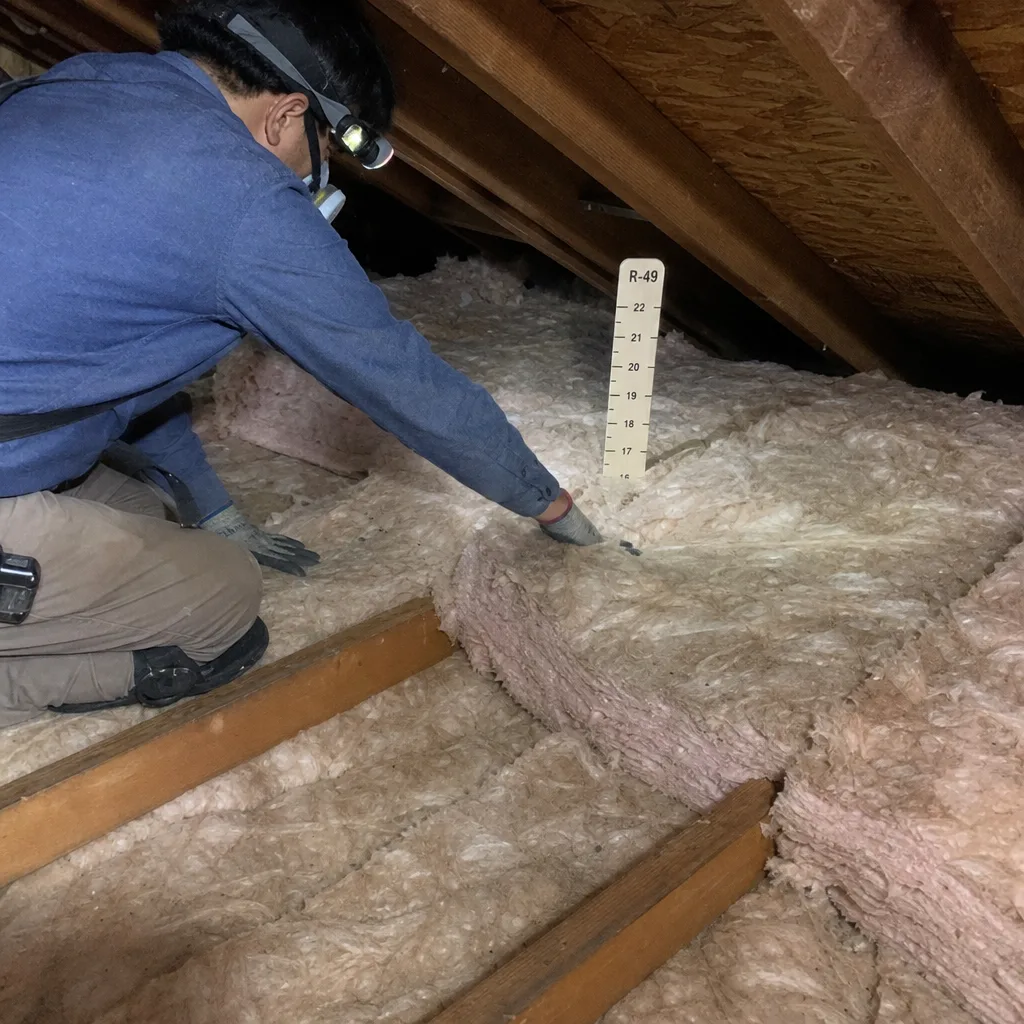
- Foothill wind infiltration in Monta Vista and upper Stevens Creek. These hillside-adjacent homes get far more air movement than Cupertino’s mild reputation suggests. We’ve found completely uninsulated knee walls and attic bypasses that previous owners never addressed because “Silicon Valley weather” made insulation seem optional. Blown-in over those gaps just filters air and never holds its rated R-value.
- Unsealed crawlspaces feeding stack effect in 1955-1975 ranch homes. The pier-and-beam foundations common off Homestead and De Anza corridors pull air through floor gaps, up wall cavities, and out attic bypasses. Blowing cellulose over the attic floor without sealing the crawlspace and the top plates hides the leak instead of stopping it.
- Teardown-and-rebuild split jobs on the same lot. With extreme land values, one address can hold a surviving 1960s ranch needing dense-pack retrofits and a new custom build needing fresh high-R blown-in. Crews who treat this as a quick top-up miss the thermal bridging and air-barrier mismatch between the two assemblies.
- PG&E rate shock masking insulation gaps. Cupertino’s climate is mild, but the tiered electricity rates are brutal. A home that reads “comfortable enough” on the thermostat can be bleeding conditioned air through gaps that don’t show up until the bill arrives. The mild weather actually delays action - owners don’t feel the problem until they’ve overpaid for years.
Pricing for Blown-In Insulation in Cupertino, CA
| Service | Typical Range in Cupertino | What Moves the Price |
|---|---|---|
| Attic blown-in cellulose (sealed floor, 1,600 sq ft) | $4,200 - $6,200 | Existing insulation removal, access difficulty, R-value target |
| Attic blown-in fiberglass (new construction) | $2.80 - $4.50/sq ft | Specified density, open versus closed cavity |
| Dense-pack wall insulation (full ranch retrofit) | $4,800 - $8,400 | Interior versus exterior access, siding type, patch scope |
| Blown-in top-up over existing (after removal and sealing) | $3,200 - $5,600 | Contamination level, bypass repair scope, depth target |
| Air sealing + blower-door test (standalone or packaged) | $1,800 - $3,400 | Attic floor size, can-light count, chimney chase complexity |
These are actual Cupertino ranges based on jobs we’ve priced and completed, not national figures with a zip code pasted on. Every estimate is flat and written before any work starts - Haven Standard Clause 1. Bring us a competing written quote and we’ll read it with you; our Free Second Opinion applies to any estimate from any contractor. Call (831) 217-8521 to schedule.
We Also Serve Cities Near Cupertino
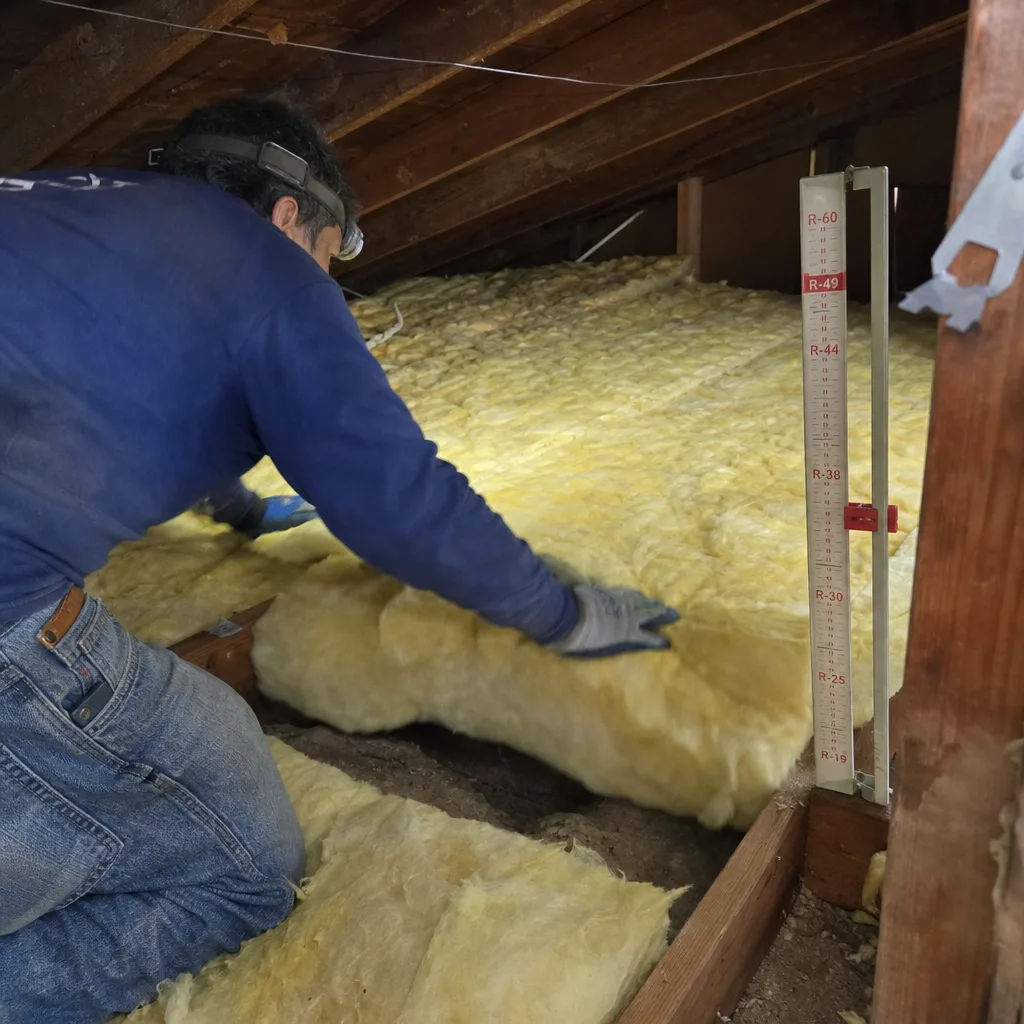
Our crews work Cupertino and the surrounding corridor regularly: Saratoga to the southwest, Sunnyvale to the north, Mountain View along the 85 corridor, and Santa Clara to the east. We know the micro-climate shifts across this zone - from Saratoga’s colder pockets to Santa Clara’s flatter, warmer grid - and we adjust our sealing and insulation specs accordingly. Same written price, same documented record, same 365-Day Done Right Promise at every address.
Serving Cupertino, CA - Our Local Coverage Area
We’re based in the Cupertino area and know this community well. Use the map below to see our service coverage - if you’re nearby, we can almost certainly help.
FAQs - Blown-In Insulation in Cupertino
Yes, but only if the air sealing is done first and the material is dense-packed to specification, not just blown loosely over the attic floor. In 1960s Cupertino ranch construction, we typically find unsealed top plates, can-light bypasses, and chimney chases that drop the effective R-value by 30-50% regardless of what’s on the attic floor. We seal those leaks, test with a blower-door to confirm, then blow to the depth your audit requires - and we document the before-and-after pressurization numbers so you can verify the result. Call (831) 217-8521 for an exact quote; estimates are free.
These hillside-adjacent neighborhoods sit higher and catch more wind off the Santa Cruz Mountains than the flat eastern corridors near Lawrence Expressway. The temperature difference is real - we’ve measured it - and the older homes there were built with the same minimal insulation as everywhere else in Cupertino, so the infiltration penalty hits harder. Knee walls, attic bypasses, and unsealed crawlspace connections are the usual culprits. We address them with targeted dense-packing and full attic sealing, not just more blown-in over the gaps. Call (831) 217-8521 and we’ll show you what we found on similar homes.
Yes. With Cupertino’s teardown-and-rebuild cycle, we regularly price and execute split jobs: dense-packing the surviving original framing while blowing high-R material into the new open structure next door. The key is matching the air barrier and insulation strategy across the property line so the two assemblies don’t create a thermal bridge. We write separate scopes for each structure, stage materials for both, and complete the work in coordinated visits. Call (831) 217-8521 to walk through your lot’s specific sequencing.
Yes. Every applicable job includes before-and-after blower-door readings and a Documented Photo Record. For Cupertino customers tying insulation improvements to solar array sizing or EV-charging load calculations, we format the R-value verification and air-leakage reduction data so your solar contractor or HERS rater can drop it directly into the Title 24 compliance package. Under Haven Standard: Have it in writing - and we do. Call (831) 217-8521 to confirm what your specific project needs.
Cellulose is our default for Cupertino retrofits because it packs tighter around irregular framing, handles our temperature swings well, and resists air movement at density. Fiberglass makes sense in new custom builds where the cavity is wide open and the architect has specified a particular depth-per-R-value. If you’re matching an energy audit or solar contractor’s model, we can run the numbers both ways and show you the installed cost and effective R-value for each. Call (831) 217-8521 - we’ll bring samples and the written comparison.
Written by Wes Okafor, Owner at Topside Attic Insulation Cupertino, serving Cupertino since 2016.